

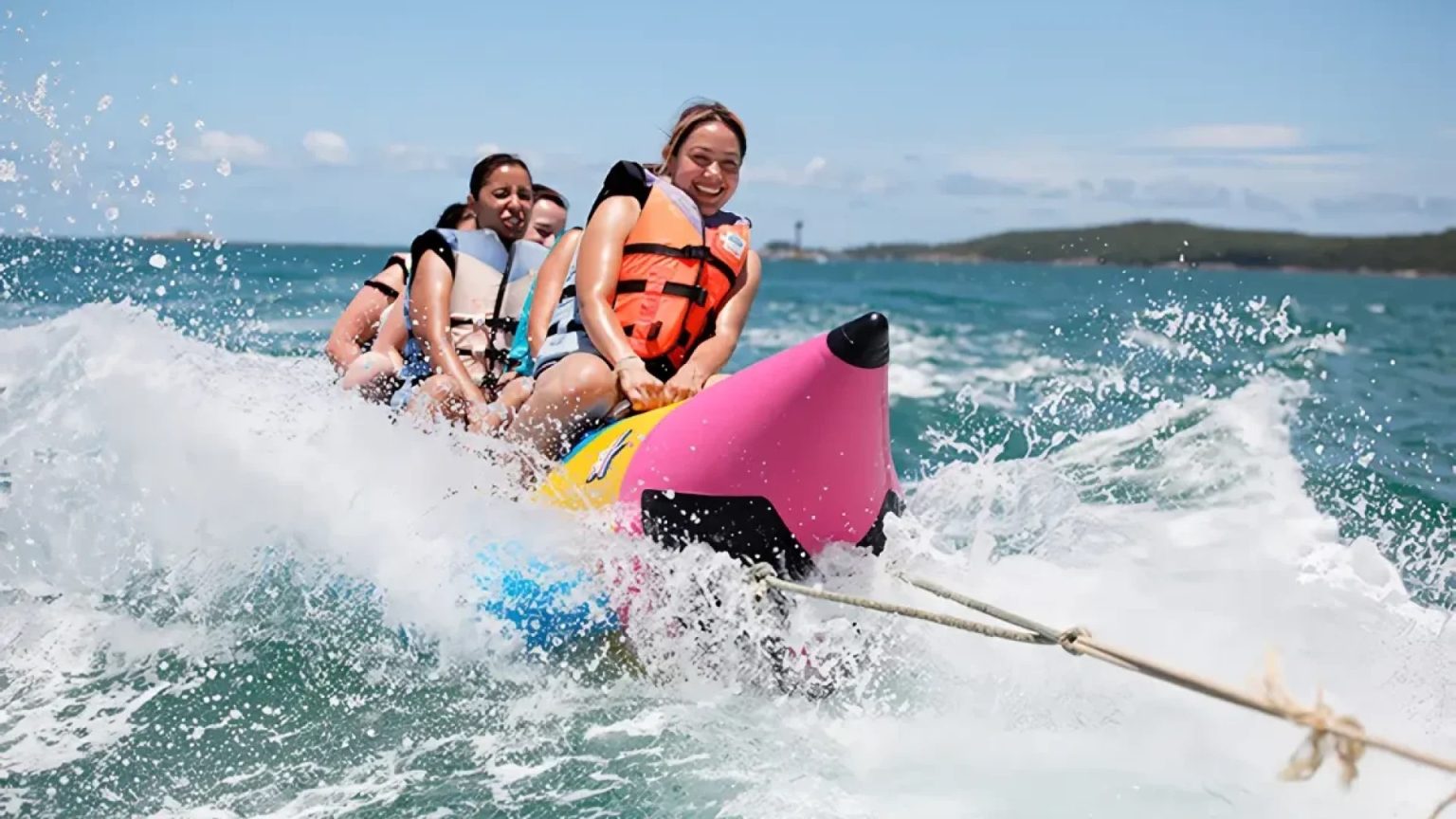
Wakeboard Bali: Ride the Waves of Indonesia’s Paradise
Imagine carving through crystal-clear waters with lush tropical landscapes all around you. The sun warms your skin as you glide across a perfect glassy surface. This isn’t just another vacation activity – it’s an experience that changes how you see adventure travel.

Bali offers more than just beautiful beaches and cultural temples. It has world-class cable parks and pristine conditions perfect for water sports enthusiasts. You’ll discover why this island has become a global hub for wakeboarding excellence.
This guide unlocks everything you need to plan your perfect wakeboard Bali journey. From hidden spots to pro tips, we’ll show you how to ride the waves of Indonesia’s most famous paradise. Your unforgettable aquatic adventure starts right here.
Preparing for Your Bali Wakeboarding Adventure
Getting ready for your Bali wakeboarding trip is key to enjoying your time on the water. The tropical setting means you need to think differently than in other places.
Essential Gear Checklist for Tropical Conditions
For Bali, you need special gear for warm water. A UV-protection rash guard is a must to protect your skin from the sun.
Choose board shorts that dry fast and are comfy. Polarized sunglasses help cut down glare and improve your view.
Wear water shoes that fit well to protect your feet. Bring a high-SPF waterproof sunscreen to stay protected during long rides.
Physical Preparation and Fitness Requirements
Wakeboarding in Bali needs some strength and endurance. Start with planks and squats a few weeks before you go.
Work on your grip with pull-ups or weights. Being in good shape helps you last longer without getting tired.
Stretching keeps you flexible and safe from injuries. Bali’s warm water might feel nice, but wakeboarding is still hard work.
What to Pack for Bali’s Wakeboarding Season
Make a list that includes both wakeboarding gear and tropical comfort items. Have several swimwear options to dry between rides.
Pack light, breathable clothes for after swimming. Bring a waterproof bag to keep your stuff dry on the boat.
Remember to pack basic first aid and hydration supplies. Bali’s humidity can be tough, so electrolyte packets are a good idea.
With the right gear and preparation, your Bali wakeboarding trip will be unforgettable. Being ready ensures you enjoy Indonesia’s ideal wakeboarding spots.
Choosing Your Wakeboard Bali Location
Finding the right spot for wakeboarding in Bali is key to a great trip. The island has both cable parks and ocean spots. Each offers something special for every skill level and taste.
Top 5 Wakeboard Parks in Bali Compared
Bali’s cable parks offer steady conditions and top-notch gear. Finns Recreation Club has a big cable system with lots of obstacles. It’s great for beginners to get their confidence up.
Bali Wake Park has a two-tower system for those who are a bit more experienced. Visitors love their coaching team. Both parks let you rent equipment.
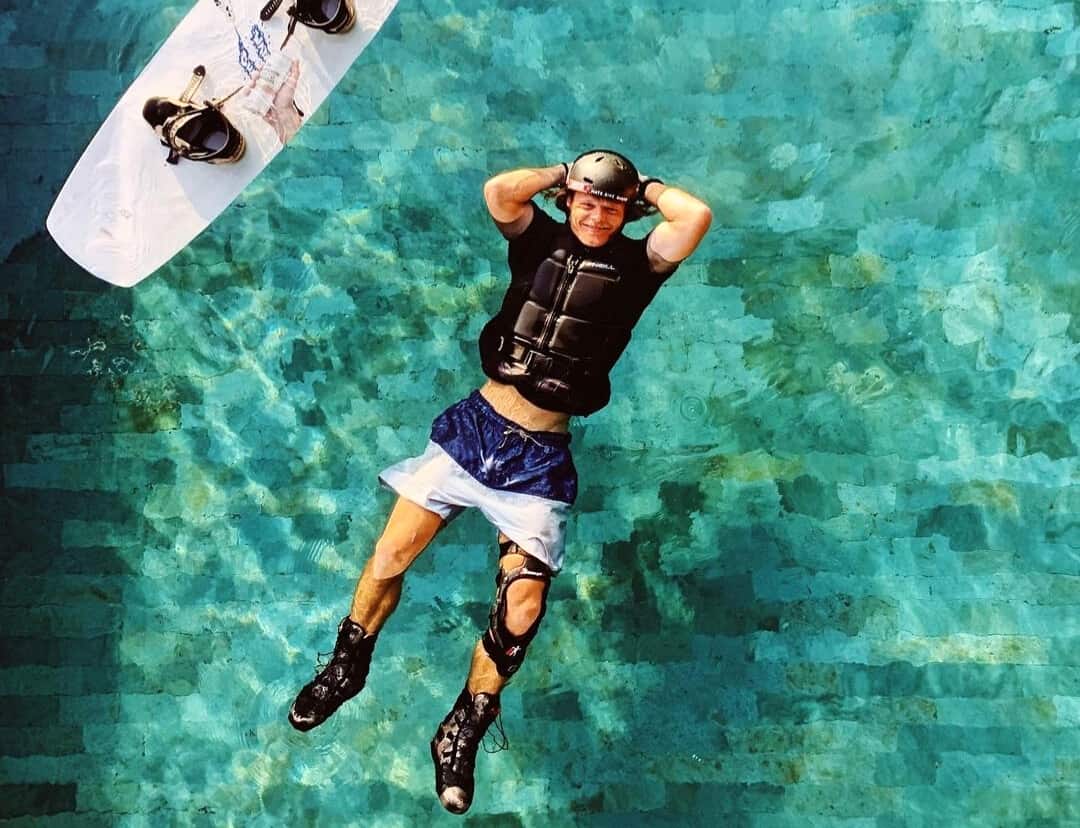
Other great spots include Wake Bali Canggu and Gravity Bali. Each has its own price, obstacles, and coaching. Always check what others say before you book.
Best Beach Spots for Natural Wake Conditions
Sanur Beach is perfect for ocean wakeboarding. It has calm waters thanks to reefs offshore. It’s great for beginners.
Nusa Dua has clear waters and pro boat services. Many bali water sports groups operate here. The bay is safe from strong winds and currents.
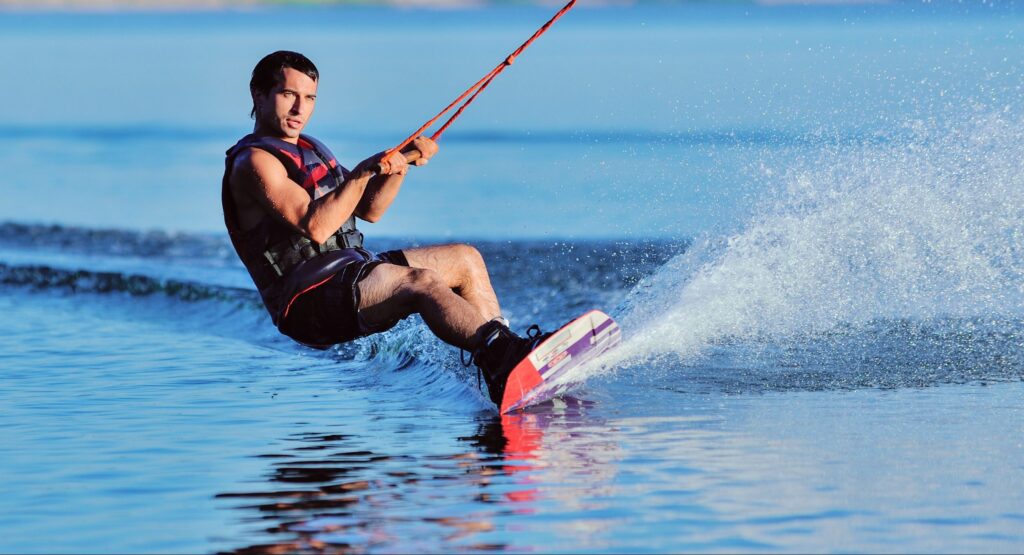
For a challenge, try Candidasa or Lovina. They have deeper waters and stronger waves for experts.
Evaluating Water Conditions and Weather Patterns
The dry season in Bali (April-October) is best for wakeboarding. Morning is usually calmer with smoother water.
Look at tidal charts for ocean sessions. Low tide can be risky with reefs. High tide is safer and deeper.
Use local weather apps to check the wind. Offshore winds make waves cleaner. Onshore winds can make it hard to ride. Cable parks usually run no matter the wind.
Understanding Wakeboard Equipment
Before you hit Bali’s waters, knowing your gear is key. The right equipment makes your experience great. Many wakeboard rentals bali places offer quality gear. But, knowing what suits you best ensures fun and safety.
Selecting the Right Board for Your Skill Level
Your wakeboard is your base on the water. Beginners need longer, wider boards for stability. These boards are easier to start with.
Intermediate riders do well with medium-length boards. Advanced riders prefer shorter boards for better tricks. wakeboard rentals bali shops can help find the right board for you.
Wakeboard Bindings and Fit Guide
Bindings connect you to your board, so fit is crucial. They should be snug but not too tight. Your feet shouldn’t move inside them.
Look for bindings with adjustable features for a custom fit. The right fit improves control and safety. Try different styles at your wakeboard rentals bali spot to find comfort.
Safety Gear: Life Jackets and Helmets
Never skip on safety gear. A USCG-approved life jacket is a must, no matter your swimming skill. It keeps you afloat during falls.
Helmets protect your head during falls or bumps. They’re vital when learning new tricks. Quality wakeboard rentals bali providers include safety gear with every rental.
Make sure your life jacket fits right and your helmet is secure. Your safety gear should be comfortable but stay in place.
Wakeboard Bali: Your First Steps on Water
Standing on Bali’s shores, you’re ready for an exciting water sport adventure. The turquoise waters are waiting for you to glide across. This guide will help you learn to ride confidently in simple steps.
Step 1: The Proper Starting Position
Start in the water with the board facing the boat. Keep your knees bent and close to your chest. The board’s nose should be slightly above the water.
Hold the handle with both hands, keeping your arms straight. Your elbows should remain locked. This is the base for a smooth start.
Talk to your boat driver before starting. A thumbs-up means you’re ready. This teamwork is key to success.
Step 2: Getting Up on the Board
As the boat pulls, let it lift you up. Don’t try to stand up right away. Let the boat’s power lift you slowly.
Keep your weight centered over the board. Many beginners lean back too far. This makes the board’s nose dive underwater.
Stay in a crouched position as you rise. Your body should form a compact ball. This reduces drag and makes lifting easier.
Rise slowly to a standing position. Don’t rush this step. Smooth movements help you stay balanced.
Step 3: Maintaining Basic Balance
Once standing, distribute your weight evenly. Keep your knees slightly bent. This acts as natural shock absorption.
Look forward toward the horizon. Avoid staring at your feet. Your body follows your eye direction naturally.
Hold the handle at hip level. Keeping it low improves stability. Your arms should remain relaxed but firm.
Breathe steadily and stay relaxed. Tension makes balancing more difficult. Confidence grows with each successful moment.
Step 4: Your First Successful Ride
Congratulations! You’re now wakeboarding in Bali’s beautiful waters. Enjoy the sensation of gliding across the surface. Soak in the stunning tropical surroundings.
Make small adjustments to find your comfort zone. Slight weight shifts control your direction. The boat’s wake provides natural guidance.
Celebrate this achievement regardless of duration. Even short rides mark significant progress. Each attempt builds muscle memory and confidence.
Remember that falling is part of learning. Every professional started exactly where you are now. The joy of wakeboard Bali awaits your continued exploration.
Mastering Basic Wakeboarding Techniques
Now that you’re comfortable standing on your wakeboard, it’s time to develop real control. Mastering these fundamental techniques will transform your Bali wakeboarding experience from simply riding to truly commanding the water.
Controlling Speed and Direction
Speed control starts with your body position. Lean back slightly to slow down, and forward to accelerate. For direction changes, shift your weight to your heels or toes.
Start with small adjustments. Gentle movements create smooth changes. Avoid sudden shifts that can cause you to lose balance.
Executing Smooth Turns and Transitions
Turning requires coordinated movement. Look where you want to go, then let your shoulders and hips follow. Your board will naturally follow your body’s direction.
Initiate turns by applying pressure to your edges. Carve through the water rather than skidding across the surface. This creates cleaner, more controlled maneuvers.
Transition between directions gradually. Rushing turns often leads to falls. Smooth, deliberate movements yield better results.
Reading the Wake and Water Conditions
Bali’s waters present unique conditions. Learn to read the wake patterns created by your boat. The wake’s shape tells you where to find the smoothest ride.
Watch for changes in water texture. Glassy surfaces offer ideal conditions for practicing new skills. Choppy water requires more focused balance and control.
Understanding these elements helps you anticipate movements. This awareness prevents surprises and improves your overall performance.
Building Confidence on Bali’s Waters
Confidence grows through consistent practice. Start with short sessions and gradually increase your time on the water. Celebrate small victories like completing your first successful turn.
Familiarize yourself with local conditions. Bali’s warm waters and consistent weather create perfect learning environments. The reasonable wakeboard Bali prices make extended practice sessions more accessible.
Remember that every rider progresses at their own pace. Focus on your improvement rather than comparing yourself to others. Each session builds toward greater mastery.
With these techniques mastered, you’ll find yourself enjoying longer, more controlled rides. The investment in learning pays off through countless hours of wakeboarding enjoyment in Bali’s paradise waters.
Progressing to Intermediate Skills
Once you’ve learned the basics of wakeboarding in Bali’s waters, it’s time to get better. This step opens up new fun and exciting things to do on the water. Wakeboarding lessons Bali by pros can help you through this exciting part of your journey.
Learning Your First Jump Technique
Your first jump is a thrilling milestone in wakeboarding. Start by approaching the wake with controlled speed and slightly bent knees. As you hit the wake, extend your legs and push off while maintaining a solid grip on the rope.
Keep your eyes focused on the horizon rather than looking down at the water. This helps maintain balance during takeoff and landing. Many wakeboarding lessons Bali programs focus on jump techniques because proper form prevents injuries.
Practice small jumps first before attempting higher air. Consistency in your approach and takeoff will build the muscle memory needed for successful jumps. Always land with knees bent to absorb impact smoothly.
Basic Surface Tricks and Maneuvers
Surface tricks add style to your riding without requiring big air. The surface 180 is an excellent starting point. Begin by shifting your weight to your back foot while maintaining forward momentum.
Rotate your shoulders and hips simultaneously to initiate the spin. Keep the rope handle close to your body throughout the rotation. Surface slides are another fun maneuver to practice during your wakeboarding lessons Bali sessions.
These tricks help develop board control and balance. They’re perfect for building confidence before attempting more advanced aerial maneuvers. Practice these in both directions to become a well-rounded rider.
Building Consistency in Your Riding
Consistency separates intermediate riders from beginners. Focus on repeating successful maneuvers rather than constantly trying new tricks. Film your sessions to identify areas for improvement in your technique.
Develop a pre-ride routine that includes visualizing your moves. This mental preparation enhances physical performance. Quality wakeboarding lessons Bali instructors emphasize consistent practice over sporadic attempts at advanced tricks.
Track your progress in a journal. Note what works and what needs adjustment. Consistent riding builds muscle memory that makes advanced skills feel more natural over time.
Overcoming Common Learning Plateaus
Every wakeboarder hits plateaus where progress seems to stall. This is normal and often indicates your body is integrating new skills. When you feel stuck, return to fundamentals and perfect your basic techniques.
Sometimes taking a day off can help break through mental blocks. Fresh perspective often leads to breakthroughs. Vary your practice locations within Bali’s diverse wakeboarding spots to keep training interesting.
Don’t hesitate to ask for help from experienced instructors. Their feedback can provide the adjustment needed to move past sticking points. Remember that progression in wakeboarding lessons Bali comes in waves rather than steady linear improvement.
Safety Protocols for Bali Wakeboarding
Your Bali wakeboarding adventure should be thrilling yet safe. Proper safety measures ensure you enjoy the waves while minimizing risks. Understanding local conditions and protocols makes all the difference.
Essential Safety Equipment and Usage
Always wear a US Coast Guard-approved life jacket. It keeps you buoyant if you fall. A wakeboard-specific helmet protects your head from impacts.
Check your bindings before each session. They should fit snugly but not restrict circulation. Many top wakeboard parks in Bali provide quality gear, but inspect everything yourself.
Use a quick-release mechanism on the boat. This allows instant detachment if needed. Never compromise on safety gear, even for quick sessions.
Handling Falls and Emergency Procedures
Learn to fall away from your board. Tuck your arms and roll with the impact. This reduces injury risk significantly.
Master hand signals for communication. Thumbs up means speed up, thumbs down means slow down. A pat on the head signals you’re okay after falling.
If separated from your board, stay calm and float. Wave one arm overhead to alert the boat driver. Always have a spotter watching riders in the water.
Understanding Local Marine Life and Conditions
Bali’s waters contain coral reefs and marine creatures. Avoid wakeboarding near reef areas to protect both yourself and the ecosystem.
Check for currents before entering the water. Some areas have stronger tides than others. Local operators at top wakeboard parks in Bali know these patterns well.
Be aware of boat traffic in popular areas. Stay within designated wakeboarding zones for maximum safety. Morning sessions often offer calmer conditions.
Weather Awareness and Storm Protocols
Monitor weather forecasts daily. Bali’s tropical climate can change rapidly. Dark clouds and increasing winds signal approaching storms.
If lightning appears, exit the water immediately. Seek shelter in a building or vehicle. Don’t resume activities until 30 minutes after the last thunder.
Respect red flag warnings on beaches. They indicate dangerous conditions. Your safety matters more than catching one more wave.
Wakeboard Bali Costs and Packages
Planning your budget can make your Bali wakeboarding trip affordable. Knowing the costs helps you enjoy more time on the water. You’ll also get to explore all Bali has to offer.
Understanding Rental and Lesson Pricing
Boat rental prices vary from $80-150 per hour, based on the season and location. Cable park passes are cheaper, at $25-45 for two hours.
Lessons from certified instructors cost $50-100 per hour. Many parks offer beginner packages that include equipment and instruction. Group lessons can save money if you’re with friends.
Comparing Package Deals Across Bali
Wakeboard facilities in Bali offer different packages. Some include surfing or snorkeling, while others focus on wakeboarding. Look for packages that offer equipment, instruction, and transportation.
Many resorts have all-inclusive deals for your entire trip. Compare what’s included, not just the price.
Budgeting Tips for Your Wakeboarding Trip
Set aside 60-70% of your budget for wakeboarding sessions. Use 20-30% for equipment or extra lessons. Keep 10% for surprises or extra time.
Book morning sessions for better rates and calm water. Multi-day packages can save you money. Off-peak seasons are the best value.
Getting the Best Value for Your Experience
Choose quality instruction over many sessions. A good teacher can help you learn faster. This means you’ll ride better sooner.
Invest in the right equipment for your skill level. The right board and bindings improve your performance and safety. Look for experiences that offer the most growth for your money.
The best value isn’t always the cheapest. Sometimes, spending a bit more for better conditions or instruction makes your trip unforgettable.
Conclusion
Bali is a great place for wakeboarding, with its warm waters and beautiful views. You now know how to begin, from choosing the right gear to learning basic moves.
Always put safety first and pick a spot that fits your skill level. Looking into wakeboard Bali packages can be a smart move. They often include everything you need, like equipment and lessons.
Begin planning your trip to enjoy the excitement of riding Bali’s waves. Your dream wakeboarding adventure is just a booking away.
FAQ
What are the best wakeboarding spots in Bali?
Bali has many great places for wakeboarding. Finns Recreation Club and Bali Wake Park are top picks. They offer great conditions and professional setups. For natural experiences, try Sanur Beach and Nusa Dua areas. Always check the weather and water before you go.
Do I need to bring my own wakeboard gear to Bali?
No, you don’t need to bring your own gear. Finns and Bali Wake Park have high-quality rentals. They offer boards, bindings, and safety gear. But, if you have your own rash guards or bindings, it might be more comfortable.
What is the average cost for wakeboard rentals and lessons in Bali?
Rental prices in Bali are $20 to $40 per hour. Lessons cost $50 to $100 per hour. Many places offer deals for multiple sessions or with other activities. Check for promotions and book early in peak season.
Are there any specific safety considerations for wakeboarding in Bali?
Yes, safety is key. Always wear a USCG-approved life jacket and helmet. Know the local marine conditions and weather. Use hand signals with your boat driver and learn how to fall safely.
What should I pack for a wakeboarding trip to Bali?
Pack UV-protective swimwear, high-SPF sunscreen, polarized sunglasses, and a hat. Bring quick-dry towels and a change of clothes. Check if wake parks have specific dress codes. Don’t forget to stay hydrated and have a first-aid kit.
Can beginners try wakeboarding in Bali?
Yes, Bali is perfect for beginners. Many parks offer lessons for newbies. Instructors will help you learn the basics. Let them know your skill level for a safe and fun experience.
When is the best time of year for wakeboarding in Bali?
The dry season, from April to October, is the best time. You’ll find calmer waters and better weather. Wake parks are open all year, but be ready for rain in the wet season.