
Did you know Bali gets over 6 million visitors every year? Yet, most miss the island’s best weather. Bali offers different experiences based on when you visit.
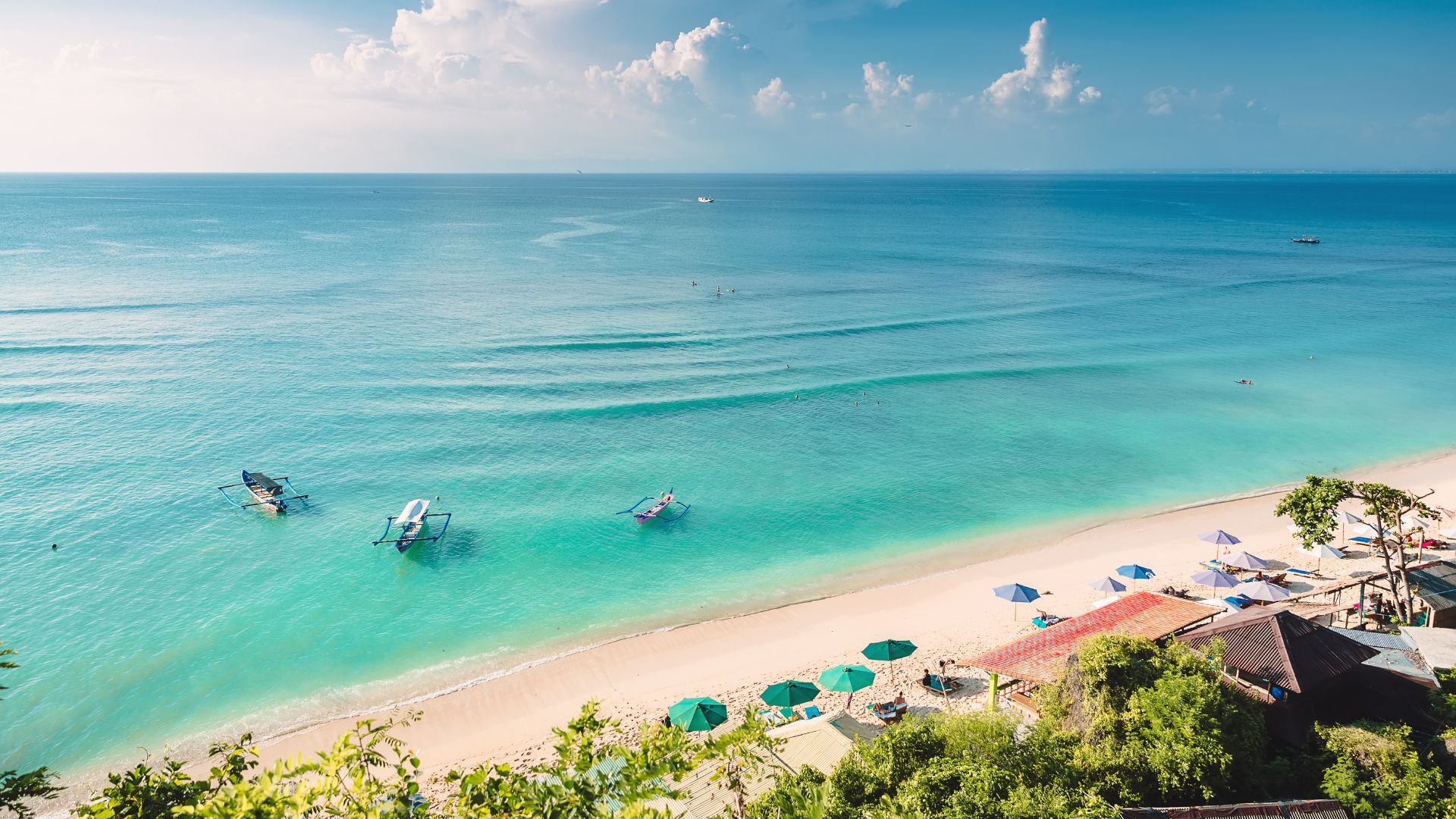
This guide will help you plan your Bali trip perfectly. Knowing the island’s rhythms makes a big difference. It turns a good trip into an unforgettable one.
Several factors affect your dream getaway. Weather changes a lot with the seasons. Tourist crowds also vary throughout the year. Plus, your favorite activities are better in certain months.
We’ll explore Bali’s seasonal changes with you. We’ll show you how to pick the best travel dates. Get ready to see when Bali truly comes alive.
Understanding Bali’s Climate and Seasons
Bali’s tropical climate creates two distinct seasons. These seasons shape the island’s character throughout the year. Knowing these patterns helps us find the best time to visit Bali, based on our weather preferences.
The island’s location near the equator keeps temperatures steady. They usually range from 79°F to 88°F all year. Rainfall, not temperature, defines Bali’s seasons.
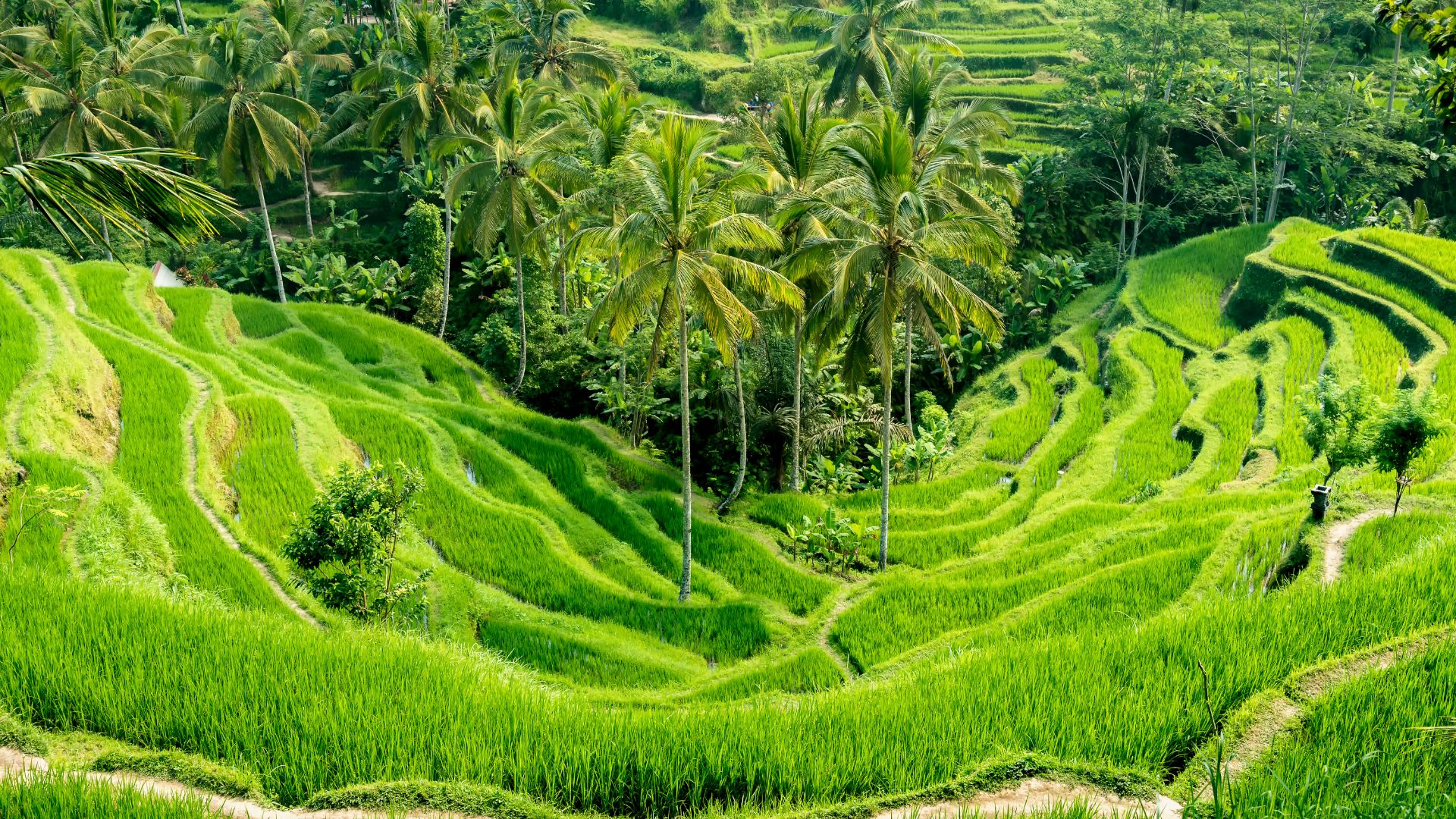
Dry Season: April to October
April to October is Bali’s dry season. It has less rain, making it great for outdoor fun and beach days.
Sunshine is common during this time. Skies are often blue, and humidity is lower. This makes exploring more comfortable.
The ocean is calmer, perfect for swimming, snorkeling, and diving. This season is ideal for those who want reliable weather.
Wet Season: November to March
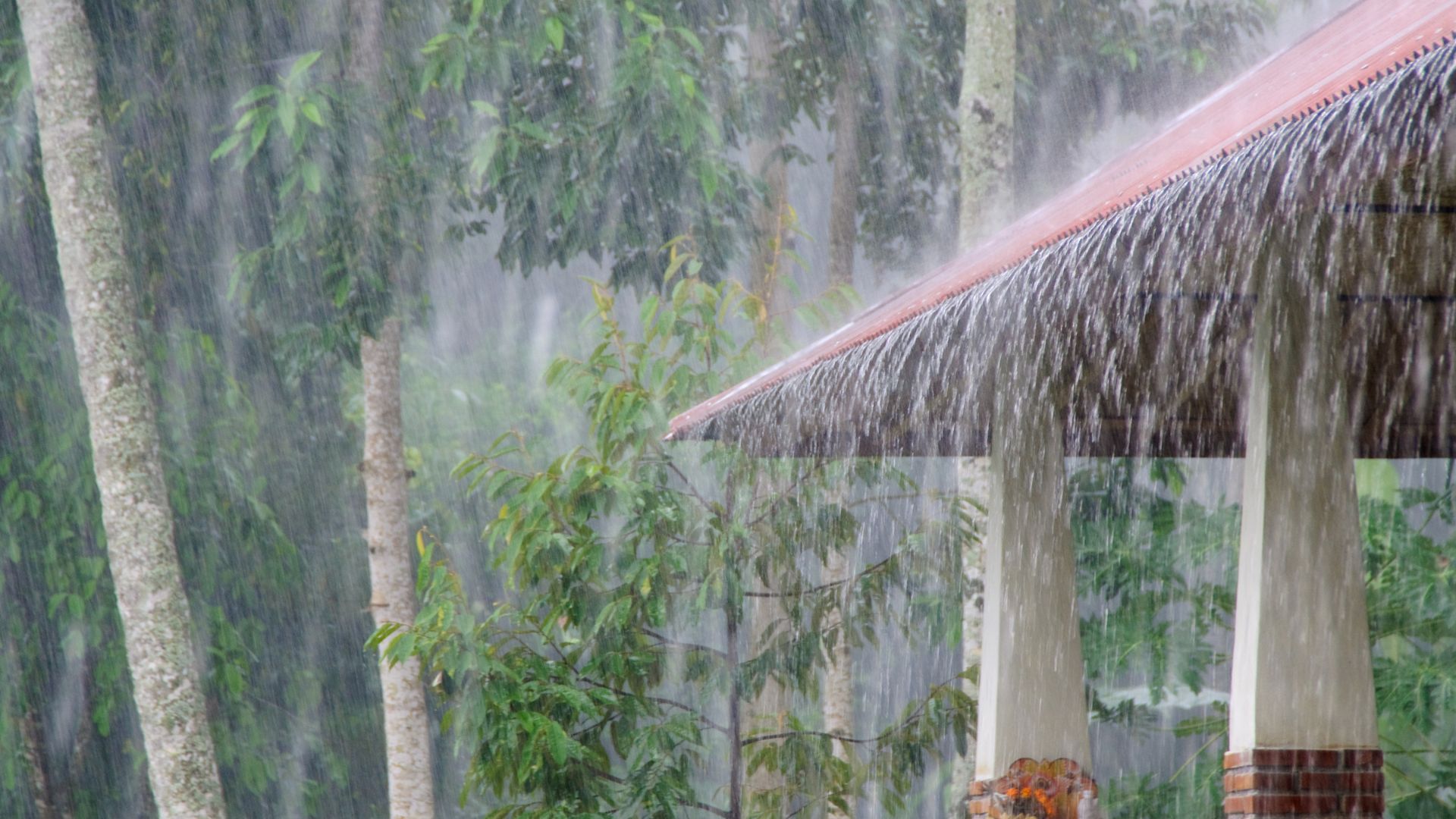
November to March is Bali’s wet season. It has more rain and higher humidity. Rain falls in short, intense bursts.
Mornings are often sunny, with showers in the afternoons. This makes the island lush and green, great for photos.
While some activities may be cut short, the wet season has its charm. It’s a good time to visit for fewer crowds and lower prices.
Both seasons offer unique benefits for different travelers. Your perfect Bali trip depends on whether you prefer sunny days or enjoy occasional rain.
Best Time to Visit Bali for Weather
Knowing when to visit Bali for the best weather is key. It helps you enjoy your trip more and avoid bad weather. We’ll look at the best months for good weather and fun outdoor activities.
Optimal Months for Sunshine and Minimal Rain
The dry season, from April to October, is the best time. May to September is the top choice for those who love sunshine.
These months have less rain. You’ll see clear skies and lots of sun. It’s perfect for beach fun and exploring outside.
July and August are the peak months for great weather in Bali. They have dry conditions and little cloud cover. Many people think this is the best time for outdoor activities.
Humidity Levels Throughout the Year
Humidity is important for feeling comfortable in Bali. The dry season has lower humidity than the wet months.
From June to September, humidity is between 60-75%. This is comfortable for most visitors. The sea breeze helps keep things cool.
The wet season, from November to March, has humidity over 80%. It can feel very humid and hot. People who don’t like high humidity might want to skip these months.
April and October have moderate humidity. They offer a nice balance. The weather is pleasant, without too much humidity.
Peak Season in Bali: Pros and Cons
Bali’s peak tourist season is a time many travelers look forward to. It brings the island to life but also comes with some challenges.
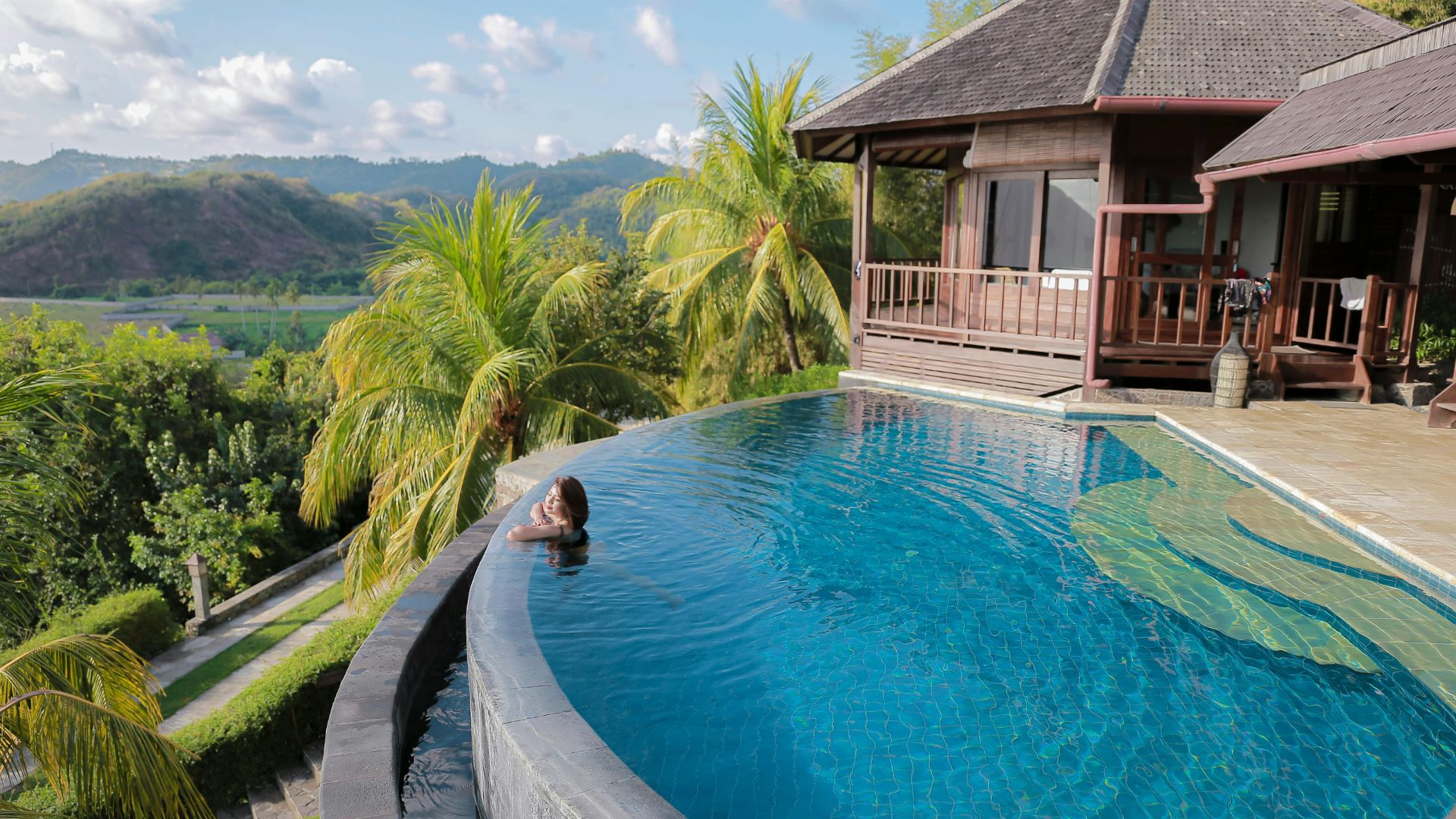
When is Peak Tourist Season?
The busiest months in Bali are from June to August. This is when summer holidays in many countries overlap with Bali’s dry season.
December and January also see a lot of visitors. These months are the busiest for tourists on the island.
Benefits of Visiting During Peak Times
Optimal weather conditions make peak season attractive. You’ll enjoy lots of sunshine and little rain.
All tourist services are fully open. Restaurants, tours, and activities run long hours and are fully booked.
The island buzzes with energy. Markets and beach clubs are lively during this time.
Drawbacks of High Season Travel
Crowds can be huge at popular spots. Temples, beaches, and restaurants often have long wait times.
Prices for places to stay and flights are at their highest. Budget travelers might find it hard to afford during these months.
Getting around the island gets harder. Traffic in tourist areas gets really bad.
Booking ahead is key for popular spots and tours. Spontaneous travel plans are tough to make during peak season.
Shoulder Season: The Sweet Spot
Many travelers miss out on Bali’s shoulder months. These periods offer the best weather, fewer crowds, and lower prices. It’s the perfect time for an unforgettable Bali trip.
April to June: Perfect Balance
April to June is Bali’s spring shoulder season. The rain has stopped, leaving green landscapes. Temperatures are in the mid-80s Fahrenheit, with less humidity.
There’s plenty of sunshine for beach days and outdoor fun. The heat isn’t too bad. You’ll find fewer people at temples and beaches.
Prices for places to stay start to fall. You can find great deals on villas and hotels. Surfing on the western coasts is also excellent during this time.
September to October: Another Great Option
September and October are Bali’s autumn shoulder season. The weather is dry and pleasant, with fewer tourists. The ocean is clear, perfect for diving and snorkeling.
Days are warm for exploring, and evenings are cool for outdoor dining. The rice terraces are green, and local festivals add to the culture.
Flights are cheaper in autumn. You’ll find more spots at popular restaurants and spas. It’s a great time for value in Bali.
Both shoulder seasons are great for Bali. You get good weather and fewer crowds without the high prices. These months are the best for a Bali vacation.
Low Season Advantages
Many travelers overlook Bali’s low season, but it has unique benefits. November through March sees more rain, but it also means more authentic and affordable travel.
Savings on Accommodations and Flights
In Bali’s low season, prices drop across the travel industry. Hotels and villas offer discounts of 30-50% compared to peak season. This makes luxury more affordable for budget-conscious travelers.
Flight prices from the United States to Bali also decrease during these months. Airlines offer promotions to fill seats. This can save families hundreds of dollars.
Many resorts include extra perks like free spa treatments or upgraded rooms. These benefits make the low season great for luxury at moderate prices.
Fewer Crowds at Popular Attractions
Bali’s famous sites are more enjoyable with fewer crowds. Temples like Tanah Lot and Uluwatu feel more peaceful. You can take photos without the hassle of many tourists.
Restaurants and cafes offer better service with fewer customers. Beaches have more space, and surfing spots are less crowded. This relaxed atmosphere allows for deeper cultural immersion.
Despite the rain, showers are short and clear quickly. They leave refreshed landscapes and vibrant sunsets. The island’s greenery becomes lush and photogenic during this time.
For those seeking authentic experiences, the low season might be the best season to visit Bali. Savings, smaller crowds, and Bali’s charm create memorable moments.
Best Time for Specific Activities
Planning your Bali vacation around specific activities can make it unforgettable. Different seasons offer unique advantages for various pursuits, from wave chasing to cultural immersion.
Surfing Conditions by Season
Bali’s surf scene changes dramatically throughout the year. The dry season (April-October) brings consistent swells and offshore winds, perfect for intermediate and advanced surfers.
Popular spots like Uluwatu and Canggu come alive during these months. Beginners might prefer the wet season when waves are smaller and more manageable.
Diving and Snorkeling Visibility
Underwater enthusiasts will find optimal conditions from April to November. These months offer the clearest visibility for exploring Bali’s vibrant coral reefs and diverse marine life.
Water temperatures remain warm year-round, but calm seas during the dry season make boat trips more comfortable. Manta ray sightings peak around Nusa Penida from July to October.
Hiking and Outdoor Adventures
Mountain treks and jungle explorations are most enjoyable during the dry season. Clear skies provide stunning views from volcanoes like Mount Batur and Mount Agung.
Cooler temperatures from June to August make strenuous activities more comfortable. Always check trail conditions during the wet season, as paths can become slippery.
Cultural Festivals and Events
Bali’s cultural calendar offers unique experiences throughout the year. The dry season features many temple ceremonies and traditional dances.
Nyepi (Silent Day) in March/April provides a truly unique cultural experience. Galungan and Kuningan festivals occur every 210 days according to the Balinese calendar.
Planning around these events can add deep cultural meaning to your Bali vacation. Always check specific dates as many festivals follow lunar calendars.
Regional Variations in Weather
Bali’s small size hides weather differences across regions. Knowing these helps plan better trips. The island’s shape creates unique weather patterns in short distances.
Coastal Areas vs. Inland Mountains
Coastal areas are warmer and drier. Beaches stay warm all year, great for sun lovers. Ocean breezes cool the shore.
Inland mountains are cooler and wetter. Places like Ubud are 5-10 degrees cooler than the coast. They get more rain, making mornings misty and evenings cool.
Temperatures drop sharply after sunset. Mountain evenings might need jackets or sweaters. Coastal nights stay warm enough for light clothes.
North vs. South Bali Differences
Northern Bali gets more rain. Volcanic mountains there create their own weather. It’s cloudier and cooler all year.
Southern Bali, like Kuta and Seminyak, is drier. It has more sunshine. Southern coasts have less temperature change.
Wind patterns vary between north and south coasts. Southern coasts have calmer waters and lighter breezes. Northern coasts have stronger winds in some seasons.
These differences mean we can find good weather somewhere on the island. If it rains in the south, the north might be better. Knowing these patterns makes our Bali trip better, no matter when we go.
Bali Travel Tips for Any Season
Bali’s seasons offer unique experiences. But, with smart preparation, any visit can be more enjoyable. Our bali travel guide has essential tips for every season. These tips will help you enjoy the island more.
What to Pack for Different Times of Year
When packing for Bali, think about the weather. In dry season, pack light clothes and sun protection. Bring high-SPF sunscreen, hats, and breathable fabrics.
In wet season, pack waterproof and quick-dry clothes. A compact umbrella or rain jacket is a must. Remember to bring insect repellent all year.
For shoulder seasons, layer your clothes. It can be cool in the morning and warm in the afternoon. This way, you stay comfortable all day.
Booking Strategies for Best Deals
Booking smart can save you money on your Bali trip. For peak season, book your stay three to six months in advance. This can get you better rates and availability.
Shoulder and low seasons offer more flexibility. Look for last-minute deals one to two weeks before your trip. Set up price alerts on flight websites for the best deals.
Booking flights and hotels together can save you money. Many websites offer discounts for packages that aren’t available when booking separately.
Navigating Crowds and Transportation
Bali’s popularity means crowded spots. Visit famous temples early in the morning to avoid crowds. This is true for any season and gives you better photos.
For getting around, use ride-sharing apps before you arrive. They often cost less than taxis. Renting a scooter is flexible, but make sure you have an international driver’s license.
During peak season, plan extra time for travel. Traffic gets worse, even in southern Bali. Taking less crowded routes can save you time.
Our bali travel guide shows that preparation is key. These tips will make your trip unforgettable, no matter when you go.
Conclusion
We’ve looked at Bali’s different seasons and areas to find the best time for you to visit. Each time has its own benefits, depending on what you want to do.
For the best weather, go to Bali from April to October. These months have lots of sunshine and little rain. It’s perfect for beach fun and exploring.
If you’re watching your budget, visit from November to March. You can save a lot on hotels and flights. Plus, Bali’s green landscapes are beautiful during this time.
The shoulder seasons, April-June and September-October, are great too. They offer nice weather and fewer people at places like Uluwatu Temple and Tegallalang Rice Terraces.
Think about what you want to do in Bali. Surfers might choose certain seasons for the best waves. Cultural fans might want to see Galungan or Nyepi celebrations.
Consider what’s important to you: weather, budget, crowds, or activities. This will help you pick the best time for your trip.
Now you can plan your trip with confidence. Bali is beautiful any time of year. So, get ready to explore!
FAQ
What is the best time to visit Bali for perfect weather?
The best time to visit Bali is from April to October. This is when you get the most sunshine and least rain. May, June, and September are the best months for comfortable weather and low humidity.
When is peak tourist season in Bali?
Peak tourist season in Bali is from July to August and during Christmas and New Year. These times have the best weather and attract many visitors. This means higher prices and more crowded places.
Are there shoulder seasons that offer good value?
Yes, April to June and September to October are great shoulder seasons. You get good weather, fewer people, and lower prices on hotels and flights.
What are the advantages of visiting Bali during low season?
Visiting in low season (November to March, except December) saves a lot of money. You’ll find fewer people and can see Bali’s green landscapes after the rains.
When is the best time for surfing in Bali?
The best surfing is from April to October. This is when the swells and winds are perfect. But, different spots are better at different times, so check for your skill level.
How does Bali’s weather vary by region?
Bali’s weather changes a lot by region. Coastal areas are warmer and more humid. Inland mountains are cooler with big temperature changes. North Bali gets more rain than the south, and areas can change a lot in short distances.
What should we pack for a Bali trip during rainy season?
Pack light rain gear, quick-dry clothes, and waterproof bags for electronics. Also, bring sturdy shoes for wet conditions. Don’t forget mosquito repellent and sunscreen, as it can be sunny between rains.
Are cultural festivals worth planning our trip around?
Yes, cultural events like Galungan, Kuningan, or the Bali Arts Festival are worth visiting for. Check the dates as many holidays follow the lunar calendar and change every year.
How far in advance should we book during peak season?
Book 3-4 months in advance for peak season to get better rates. For luxury places, book 6 months early, even more for July-August or holidays.
Is Bali suitable for visiting during the wet season?
Yes, the wet season is great for visiting. The rain comes in short bursts, and you’ll see lush landscapes and fewer people. Just plan indoor activities and spa treatments for rainy days.