
What if we told you that handling money in paradise could be your biggest travel mistake?
Many visitors arrive in this tropical destination unprepared for financial realities. They face unexpected fees, limited access to cash, and confusion about local payment methods.
We believe every traveler deserves financial confidence from day one. Our guide covers everything from understanding the local money to finding reliable cash machines.
You’ll learn how to avoid common pitfalls and maximize your spending power. Let’s ensure your vacation funds work as hard as you do to get here.
Understanding the Indonesian Rupiah
Before exploring Bali’s markets and temples, learn about the local currency. The Indonesian Rupiah is key to your travel. Knowing it will make your trip better and more fun.
What is the Indonesian Rupiah?
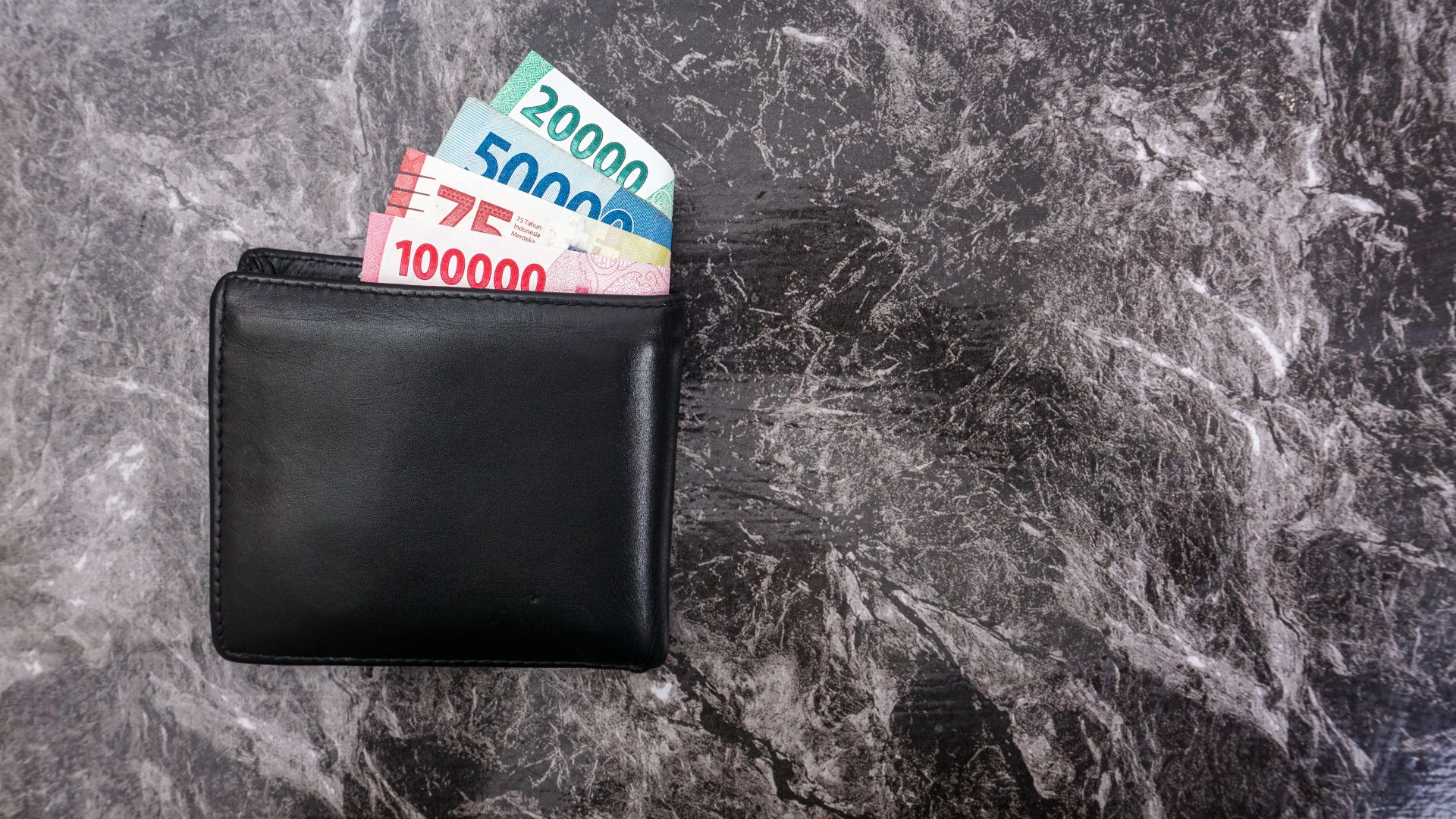
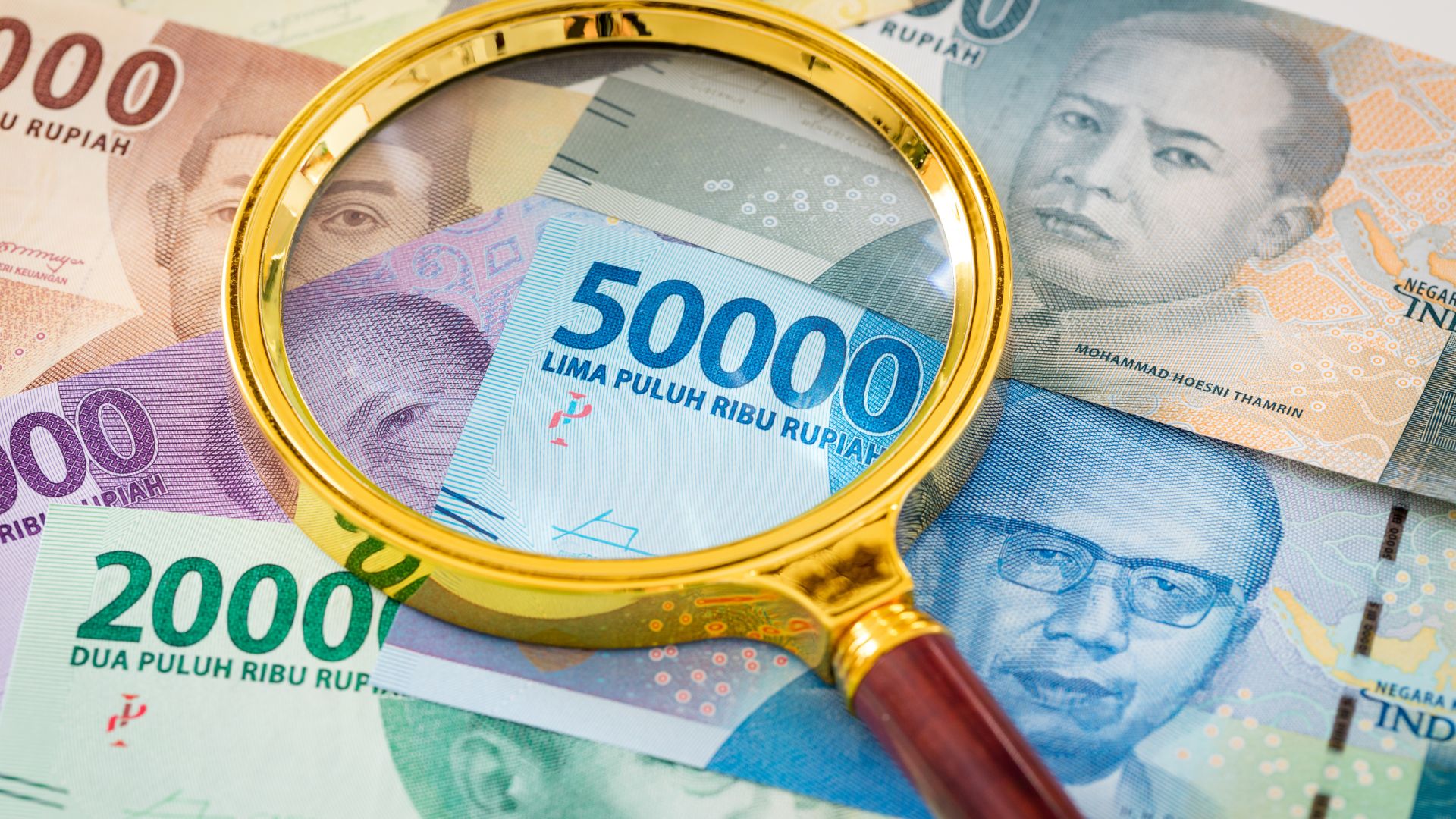
The Indonesian Rupiah (IDR) is Indonesia’s official money. It has colorful banknotes from 1,000 to 100,000 rupiah. Each note shows Indonesia’s culture with images of heroes and dances.
The currency uses a decimal system with coins for small amounts. At first, the high numbers might confuse you. A 100,000 rupiah note is about $6-7 USD, based on exchange rates.
Current Exchange Rates and Trends
Exchange rates between the rupiah and US dollar change daily. It’s good to check rates often when planning your trip. Things like economic stability and tourism seasons affect these changes.
Lately, the rupiah has stayed pretty stable against big currencies. Still, keep an eye on financial news before you go. This helps you get the best exchange rates and save money.
Using a Rupiah to USD Converter
A rupiah to usd converter is very helpful for planning Bali costs. These tools give you current conversion rates on your phone. Many websites and travel apps offer free conversion features.
Download a trusted currency converter app before your trip. These apps work offline, which is great in places without internet. Just type in the rupiah amount, and see the USD value right away.
Keep in mind, converter tools show mid-market rates. These might not be exactly what you get at local counters. But they’re still great for planning your expenses and talking prices with vendors.
Bringing Foreign Currency to Bali
Planning your Bali trip? Knowing how to handle foreign currency in Bali makes arrival smoother. Bring some cash for immediate expenses when you land.
Which Currencies Are Most Accepted?
US dollars are widely accepted in Bali. Many exchange offices take USD bills, looking for newer, crisp ones without damage.
Australian dollars and euros also get good rates at money changers. These currencies usually offer competitive exchange rates across the island.
Try to avoid less common currencies. While some places might take them, you’ll get poorer rates and fewer exchange options.
How Much Cash to Bring Initially
For your first day, bring $100-200 USD in cash. This covers airport transport, meals, and small buys until you can exchange more.
This amount is enough for a taxi, dinner, and immediate needs without needing an ATM right away. It’s a good balance without carrying too much cash.
Use smaller bills like $20s or $50s for easier exchanges. This gives you more flexibility.
Keep your cash safe in a money belt or hidden pouch. This balances convenience with security in those first hours in Bali.
Bali Money Exchange Options
Finding the right places to exchange your money can save you a lot in Bali. We’ll show you the best spots across the island.
Finding the Best Currency Exchange in Bali
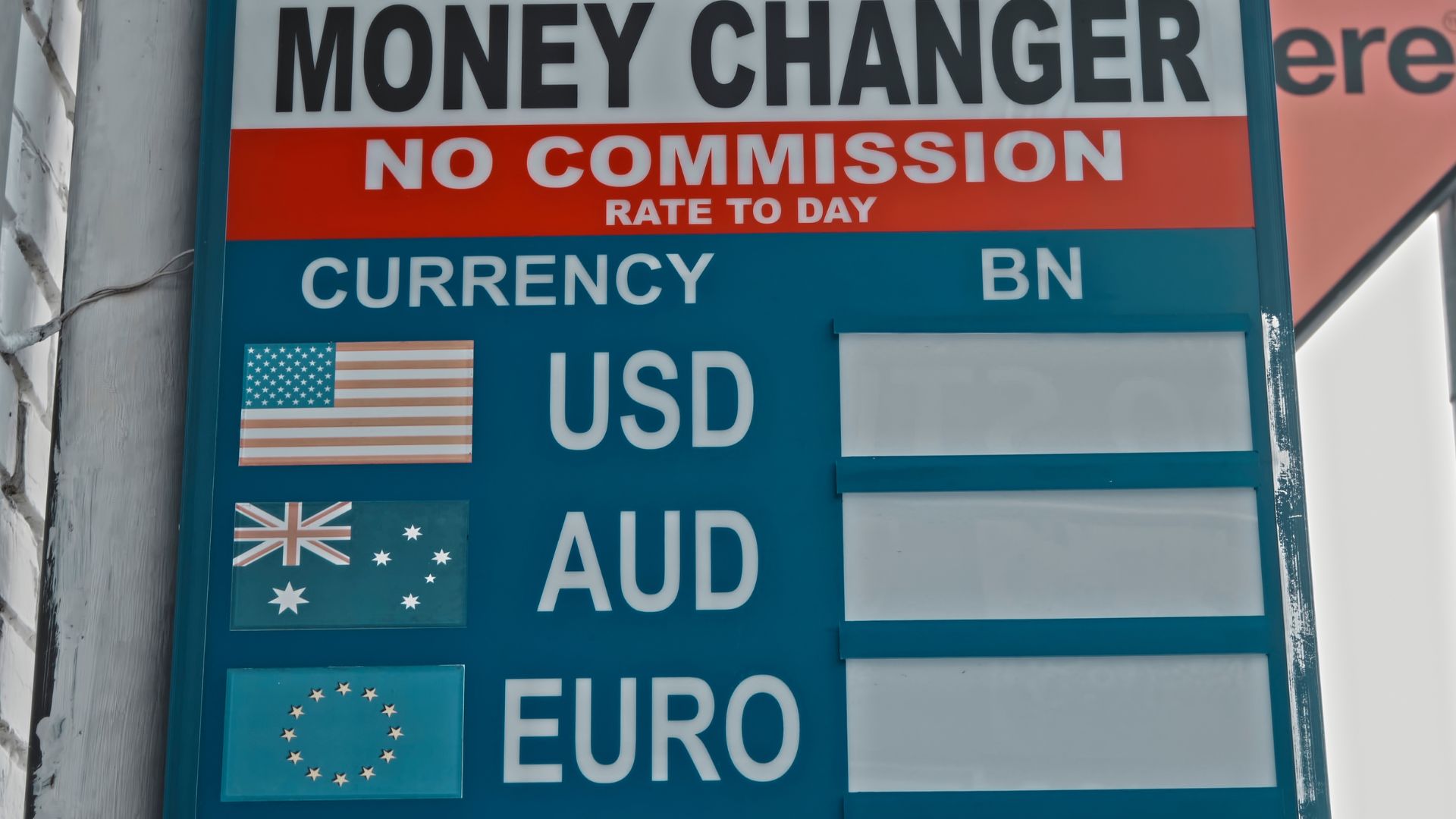
Looking for reliable exchange services? Know what to look for. Authorized money changers show official licenses and are part of groups like Bali Money Changer Association.
These places offer clear rates and fees. Stay away from places with handwritten signs or rates that seem too low.
Popular spots like Seminyak, Kuta, and Sanur have many reliable exchange offices. They keep regular hours and give proper receipts.
Ubud has many trustworthy places for exchanging money. The main road, Jalan Raya Ubud, has several authorized money changers with good rates.
Central Ubud, near the market and palace, has fair exchange values. Many find great service along Monkey Forest Road.
Always double-check your money before leaving any exchange counter. Good places will let you count your money and offer a safe space.
Airport vs. Local Exchange Rates
Airport exchange counters usually have less favorable rates than local places. The convenience comes at a higher cost.
It’s best to exchange only a small amount at the airport for immediate needs. Save the big exchanges for local offices that offer better deals.
The rate difference between airports and local places can be 5-10% or more. Waiting until you reach your destination can save you a lot.
Hotels also offer exchange services, but their rates are often between airport and local rates. For the best currency exchange in bali, look for specialized money changers instead of hotel services.
Using ATMs in Bali
Getting cash in Bali should be easy and safe. ATMs are everywhere, but picking the right ones is key. This guide helps you find reliable machines and understand withdrawal rules.
How to Find Reliable Bali ATM Locations
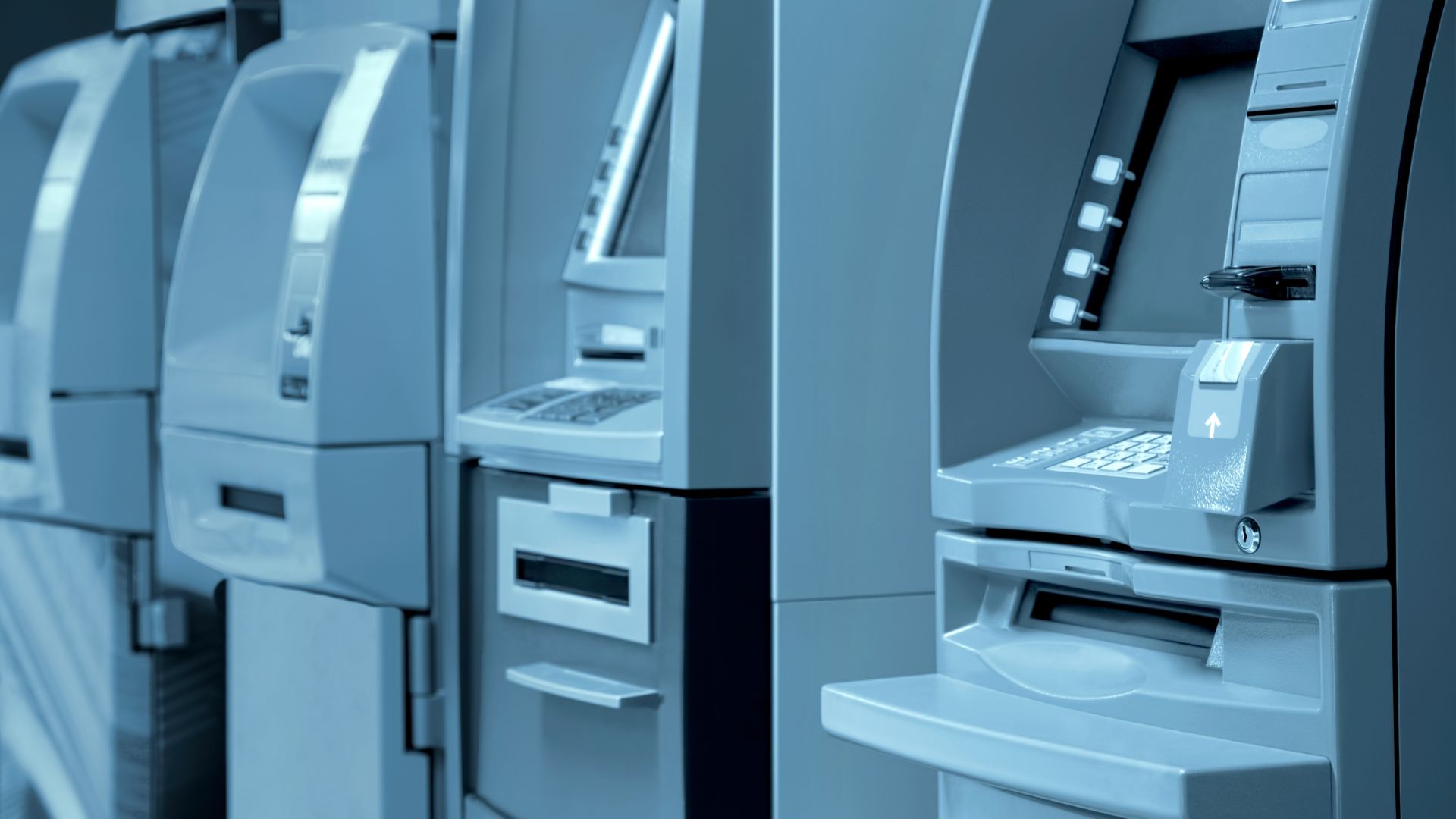
Look for ATMs inside banks, shopping malls, or busy spots. ATMs from big banks like BCA or Mandiri are usually safe. Stay away from standalone ATMs in quiet places. They might have high fees or technical problems.
Use your bank’s app to find ATMs. It shows nearby ones and any partner networks. This helps avoid extra charges. Always check the ATM for skimming devices before using your card.
Understanding Indonesia Cash Withdrawal Limits
Most ATMs in Bali have a limit per transaction. You can usually take out 1 to 3 million rupiah at once. Daily limits vary based on your home bank, often between 5 to 10 million rupiah.
Be mindful of withdrawal fees. Indonesian ATMs might charge a small fee. Your home bank might also add an international transaction fee. Planning big withdrawals can help reduce these fees.
Some ATMs let you choose which account to withdraw from. You’ll often see savings or checking options. If you face issues, try a different bank’s ATM. Not all machines accept every card type.
Bank Cards and Payment Methods
Choosing the right payment methods is key to a great Bali trip. We’ll guide you through card acceptance and the best options for your wallet.
Which Cards Work Best in Bali
Visa and Mastercard are widely accepted in Bali’s tourist spots. Most hotels, restaurants, and big shops take these cards easily.
American Express and Discover have limited use. They’re okay at international hotels but not at local places.
Keep cash handy too. Many small businesses and local markets only accept cash.
Credit Cards vs. Debit Cards
Credit cards have better fraud protection and often better bali money exchange rates. They help with disputed charges or unauthorized use.
Debit cards let you access your bank funds directly. They’re good for ATM withdrawals but less safe if stolen.
Use credit for big buys and hotel stays. Debit cards are better for cash withdrawals, keeping an eye on bali money exchange rates.
Tell your bank you’re traveling. This stops your card from freezing during your Bali trip.
Safety and Security Tips
Keeping your finances safe in Bali is crucial for every traveler. We’ve gathered key tips to safeguard your money and steer clear of tourist traps. These could ruin your vacation.
Protecting Your Money and Cards
Carrying lots of cash is risky. We suggest using various ways to keep your money safe.
Use a hidden travel pouch under your clothes for emergency funds and backup cards. Only carry enough cash for the day in your wallet or purse.
Keep your credit cards and debit cards separate. This way, losing one won’t leave you stranded.
Make digital copies of your important documents. Store them in cloud storage or email them to yourself for easy access.
Tell your bank about your travel plans before you leave. This stops them from freezing your card due to foreign transactions.
Avoiding Common Scams
Scammers target tourist areas. Knowing common scams helps you avoid them.
Watch out for rigged ATMs in shady spots. Use only ATMs at real banks during business hours.
Be wary of currency exchange scams with wrong calculations or hidden fees. Stick to authorized money changers with clear signs and rates.
Street vendors might use tricks to distract you while handling your money. Stay alert and count your change carefully.
Taxi drivers might claim their meter is broken to overcharge. Always use the meter or ride-sharing apps for fair prices.
Real officials always show ID. Don’t give your passport or wallet to anyone without checking their ID first.
Digital Payment Options
Bali has started using digital payments more, making it easier for visitors. Now, many places accept electronic payments. This makes buying things smoother for everyone.
Mobile Wallets and Apps
Mobile payment apps are very popular in Bali. GoPay and OVO are the top choices. They work with ride-hailing and food delivery services.
To use these apps, you need an Indonesian phone number. Many tourists set them up through hotel services or friends. They’re accepted at small shops and big stores.
It’s a good idea to download these apps before you go. Check if your favorite places accept them. They make paying easy with just a QR code scan.
Contactless Payments in Bali
Contactless payments are becoming more common in Bali. Hotels, fancy restaurants, and big stores usually accept tap-to-pay cards.
International credit cards with contactless work at many spots. They’re most useful in places like Seminyak, Ubud, and Canggu.
Still, keep some cash with you. Small shops and far-off places might not take contactless payments. It’s safer for big buys.
Budgeting for Your Bali Trip
Smart budgeting makes your Bali trip fun and stress-free. We guide you to make a budget that fits your travel style. This way, you have enough money for all the fun things you want to do.
Daily Expense Estimates
Your daily costs in Bali depend on what you like to do. Budget travelers spend $25-40 a day. Those who prefer mid-range experiences spend $60-100 daily. Luxury trips can cost $150-300+ a day.
Accommodation costs are your biggest expense. Budget hostels cost $10-15 a night. Mid-range hotels are $30-60 a night. Luxury resorts start at $100-200 a night.
Food in Bali is a pleasant surprise. Local warungs offer tasty meals for $2-4. Mid-range restaurants charge $8-15 per person. Fine dining can be $25-50 per meal.
Transportation adds to your costs. Scooter rentals are $5 a day. Private drivers cost $35-50 for a full day. Ride-sharing apps like Grab are cheap for short trips.
What you spend on activities varies. Temple visits cost $2-5. Surfing lessons or spa treatments are $20-50. Adventure activities like rafting or diving can be $50-100.
Managing Your Cash Flow
Good cash management is key to enjoying Bali without worries. Carry different payment methods to avoid relying on just one.
Begin with $100-200 in Indonesian rupiah for your first day. This covers initial costs like transport, meals, and small buys until you can get more cash.
Use credit cards for big purchases at well-known places. Hotels, nicer restaurants, and tour companies usually accept cards safely. This saves your cash for small vendors and local markets.
Withdraw big amounts less often to avoid ATM fees. Indonesian ATMs charge fees, so getting 2-3 days’ worth of cash at once is wise.
Keep some money aside for emergencies. Store extra cash in your accommodation safe. Carry only what you need for each day’s activities.
Track your spending every day with an app or notebook. This helps you adjust your budget and avoid overspending early on.
Emergency Cash Solutions
Even with careful planning, financial emergencies can happen during your Bali trip. We want you to feel prepared with practical solutions when unexpected situations arise.
What to Do If You Lose Your Cards
Losing your cards in Bali requires immediate action. First, contact your bank’s international helpline to block all missing cards. Keep this number saved separately from your physical cards.
Next, file a report with local police if theft is suspected. This documentation helps with insurance claims and bank procedures. Most hotels can assist with police reporting.
Always carry a backup card stored separately from your main wallet. Digital copies of your cards stored securely online can also help speed up replacement processes.
Alternative Money Sources
When cards aren’t available, several options can provide emergency funds. Western Union and MoneyGram have multiple locations across Bali’s tourist areas. These services allow quick transfers from friends or family back home.
Many travelers forget about peer-to-peer options. Trusted travel companions can often provide short-term loans until you access other funds. Some hotels may offer cash advances against credit cards too.
For smaller emergencies, pawn shops accept valuable items like electronics or jewelry. Always negotiate terms clearly and get everything in writing to avoid misunderstandings.
Conclusion
We’ve talked about the basics of Bali’s money and planning your finances. Learning about the Indonesian Rupiah is key. Finding the best place to exchange currency in Bali can save you money.
Using ATMs in Bali is easy with some planning. Always pick safe places to get cash in Indonesia. Keep your cards safe and have a backup plan.
Planning your budget for daily costs helps you enjoy your trip without worry. Digital payments and mobile apps make things easier. But, always have some cash for small vendors.
Follow these tips for managing money in Bali. Being financially ready lets you enjoy Bali’s beauty and culture. Have a great and safe trip.
FAQ
What currency is used in Bali, and where can I get it?
In Bali, we use the Indonesian Rupiah (IDR). You can get it by exchanging money at authorized places or by withdrawing cash from ATMs. ATMs are common in places like Seminyak, Kuta, and Ubud.
Is it better to exchange money at the airport or in town?
It’s best to exchange a little at the airport for immediate needs. Then, get more in town for better rates.
Which foreign currencies are most accepted for exchange in Bali?
US Dollars (USD), Australian Dollars (AUD), and Euros (EUR) are accepted at exchange offices. Bring newer, larger bills for the best rates and to avoid problems.
How do I find reliable ATMs in Bali?
Use ATMs from big banks like BCA (Bank Central Asia) or Mandiri. They are safe and easy to find. Stay away from isolated or poorly lit ATMs to avoid scams.
What are the withdrawal limits and fees for ATMs in Bali?
Cash withdrawal limits in Indonesia vary by bank but are usually 2.5 to 3 million IDR. There may be fees from the ATM and your bank. Check with your bank and plan big withdrawals to save money.
Which bank cards are widely accepted in Bali?
Visa and Mastercard are accepted at many places in Bali. Always carry a backup card and some cash. American Express and Discover are less common.
Are digital payments like mobile wallets common in Bali?
Yes, digital payments are becoming more popular in Bali. Apps like GoPay and OVO are used for many things. But, cash is still widely used.
How can I avoid scams when exchanging money or using ATMs?
Use authorized money changers with clear rates and no hidden fees. Always count your cash before leaving. For ATMs, use machines inside banks or well-lit areas and cover your PIN to avoid scams.
What should I do if I lose my bank cards or run out of cash?
Contact your bank right away to block your cards. For emergency cash, use services like Western Union or ask your hotel for help. Keep a stash of emergency funds and important contacts handy.
Can I use a currency converter app for real-time exchange rates?
Yes, you can. Apps like XE Currency help you stay updated on exchange rates. This helps with budgeting and getting fair deals.