
What if everything you thought you knew about Bali was only half the story?
While most visitors flock to the crowded southern beaches, we’ve discovered something extraordinary. The eastern part of this island holds secrets most travelers never see.

This region offers authentic experiences far from the tourist crowds. You’ll find pristine landscapes, traditional villages, and cultural treasures untouched by mass tourism.
We’re about to guide you through this remarkable area. Get ready to explore the true heart of Indonesian culture and natural beauty.
Prepare to discover why east bali deserves your attention. This journey reveals what makes this region so special for curious travelers.
Why East Bali Deserves Your Attention
Most people visit Bali’s southern beaches, but East Bali holds the island’s true soul. It offers a real escape from the usual tourist spots.

Beyond the Tourist Crowds of South Bali
East Bali is a peaceful change from the busy south. Here, you’ll find quiet villages instead of crowded streets. Life moves at a slower pace, letting you connect with local culture.
You won’t find pushy vendors or too many tourists. Instead, Bali is calm and true to its roots.
Authentic Cultural Experiences Awaiting Discovery
East Bali’s traditional ceremonies are untouched by mass tourism. You can see ancient rituals that have stayed the same for years. Local artisans keep old crafts alive in their natural settings.
Village life here shows genuine Balinese culture. It’s a place where traditions that have disappeared in other areas still thrive.
Natural Landscapes You Won’t Find Elsewhere in Bali
East Bali’s landscape is unlike anywhere else. Volcanic slopes meet terraced rice fields, creating stunning views. The beaches have black volcanic sand, unlike the white sand found elsewhere.
The area has unique microclimates, supporting a wide range of plants. Nature lovers will find East Bali’s tourism very rewarding.
Planning Your East Bali Adventure
Planning well makes your trip to East Bali unforgettable. We’ve got tips to help you plan your east bali travel with confidence.
Best Time to Visit East Bali
When you visit can make a big difference. The dry season, from April to October, is the best time to explore.
These months have sunny days perfect for beaches and temples. You’ll find less rain and better hiking conditions.
April, May, September, and October are great months. You get good weather without the crowds.
Plan your trip around Balinese festivals for a deeper cultural experience. Galungan and Kuningan celebrations offer unique insights.
Essential Packing List for East Bali Exploration
Packing right ensures comfort and respect for local customs. Wear lightweight, breathable clothes for the tropical climate.
Bring temple-appropriate clothes like sarongs and sashes. Many places require covered shoulders and knees.
Sturdy shoes are essential for temple steps and trails. Sandals are good for beaches and casual walks.
Sun protection is crucial in Bali’s strong sun. Pack sunscreen, hats, and sunglasses.
Bring a reusable water bottle to stay hydrated. Many places offer water refill stations.

Transportation Options: Getting Around East Bali
Understanding your travel options is key in East Bali. Each choice has its own benefits based on your style and budget.
Renting a Scooter: Tips and Precautions
Scooters are affordable and flexible for exploring East Bali. You can visit remote places at your own pace.
Always check the scooter’s condition before renting. Make sure brakes, lights, and horn work.
International drivers need proper documents. Carry your license and an International Driving Permit.
Bali’s roads can be challenging, so think about your comfort level. Helmets are mandatory for safety.
Private Driver vs Public Transport
Hiring a private driver is comfortable and convenient. You’ll get air-conditioned comfort and someone to navigate.
Drivers often act as guides, sharing local tips. They know the best routes and hidden spots.
Public transport like bemos is budget-friendly. They follow set routes through villages and towns.
Bemos have flexible schedules, which might not fit tight itineraries. They’re great for authentic local experiences.
Use a mix of transportation for the best experience. Private drivers for long trips and scooters for local adventures.
Discovering East Bali’s Hidden Beaches
Most people visit Bali’s southern beaches, but East Bali has its own charm. These hidden beaches are untouched and perfect for those who want a real coastal experience.
Virgin Beach: East Bali’s Secluded Paradise
Virgin Beach is a hidden gem in Bali. It has soft white sand and clear blue waters that look like a dream. It’s a peaceful place for relaxing and swimming.
How to Reach Virgin Beach
To get to Virgin Beach, drive through traditional villages. Start in Candidasa and head east for about 15 minutes. Look for signs or ask locals for help.
There’s parking near the entrance for a small fee. A short walk through a path with local eateries leads to the beach. The trip is part of the fun.
Best Time to Visit and What to Bring
Go during low tide for better swimming, usually mornings to early afternoon. The dry season from April to October has the best weather.
Bring sunscreen, water, snorkeling gear, and cash for vendors. Don’t forget your camera for the stunning views.
Blue Lagoon Beach: Snorkeling in Crystal Clear Waters
Blue Lagoon Beach has incredibly clear waters. You can see vibrant marine life just below the surface. It’s a top spot for snorkeling in East Bali.
Snorkeling Gear Rental Tips
Local vendors near the beach offer snorkeling gear rentals. Make sure the gear works well before renting.
Rental costs are between 50,000 to 100,000 IDR for a full set. Bringing your own gear is best for a perfect fit and hygiene.
Marine Life You’ll Encounter
The waters are full of amazing marine life. You’ll see angelfish, parrotfish, and sometimes reef sharks.
Underwater, colorful coral formations create stunning landscapes. Both new and experienced snorkelers will be amazed by the reef’s beauty.
Exploring East Bali’s Ancient Temples
East Bali is home to some of Bali’s most sacred and beautiful temples. These sites offer deep cultural insights and stunning photo spots. They are key attractions in east Bali.
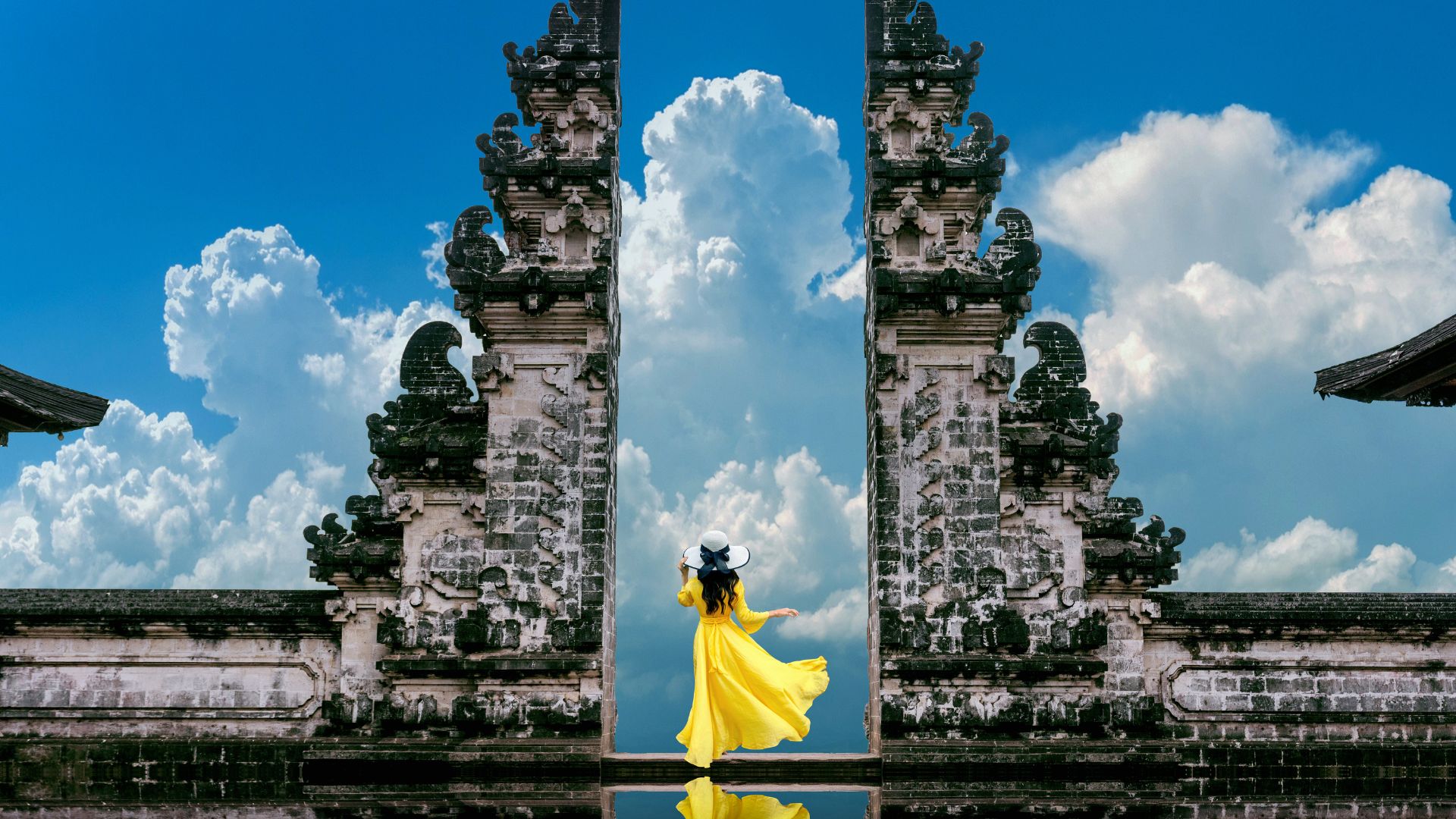
Lempuyang Temple: Gateway to Heaven
Lempuyang Temple is a major directional temple in Bali. Its famous “Gateway to Heaven” gates offer a breathtaking view of Mount Agung.
Proper Temple Etiquette and Dress Code
Visitors must wear sarongs when entering Balinese temples. These can be rented at the entrance. It’s important to dress modestly and be respectful during your visit.
Donating to the temple is customary. It helps keep these sacred places beautiful. Always speak quietly and don’t point your feet at shrines or altars.
Photography Tips for the Famous Gates
Visit early in the morning to avoid crowds and get the best light. The split gates make a perfect frame with Mount Agung in the background.
Be patient as queues can form at popular spots. Use a wide-angle lens to capture the full beauty of the gates and the mountain.
Tirta Gangga: The Royal Water Palace
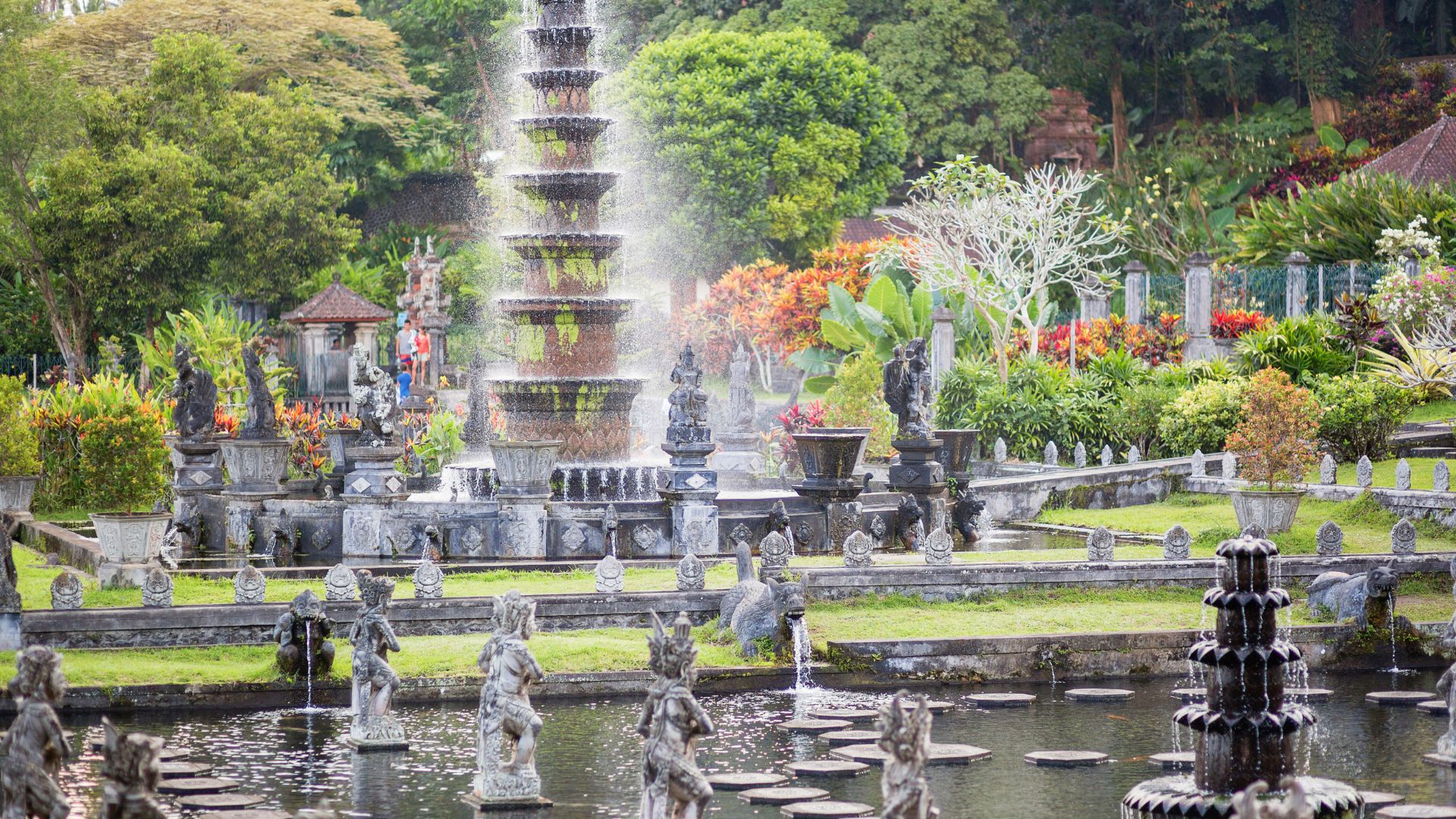
This former royal palace has stunning water gardens and detailed stone carvings. Built in 1948, it beautifully mixes Hindu and Chinese styles.
Navigating the Water Gardens
The water gardens have stepping stones across pools filled with koi fish. Be careful as the stones can be slippery when wet.
There are different levels to explore, each offering a unique view of the palace. Follow the water features to see the whole complex.
Best Photo Spots Within the Palace
The main stepping stone area is great for photos with the mountain in the background. The early morning light makes the water pools reflect beautifully.
The upper levels give you a wide view of the palace. Look out for the detailed stone statues and fountains.
Visiting these temples is a memorable experience in east Bali. They offer cultural insights and amazing photo opportunities.
Hiking Adventures in East Bali
East Bali’s landscapes are dramatic and rewarding for hikers. You’ll see volcanic peaks and green rice terraces. These trails show off the area’s beauty and offer real cultural experiences.
These outdoor adventures are among the best things to do in East Bali. They’re perfect for nature lovers and those looking for lasting memories.
Mount Agung Sunrise Trek: A Step-by-Step Guide
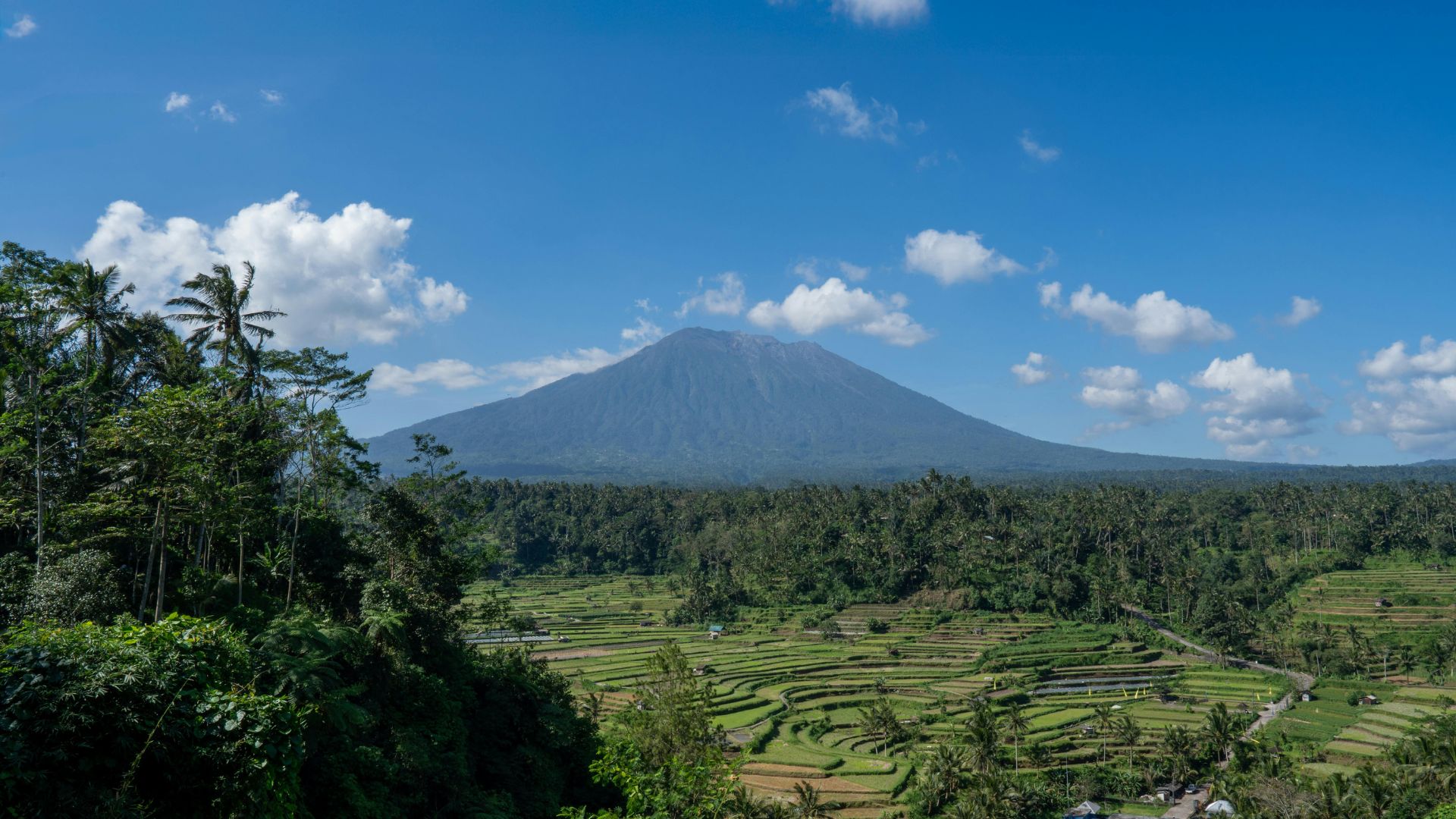
Climbing Bali’s highest volcano is a challenge but worth it. The sunrise view from 3,031 meters is unforgettable.
Treks start around 2 AM to reach the summit before dawn. The trip takes 4-6 hours, depending on your starting point and fitness.
Choosing the Right Guide Service
Don’t try Mount Agung without a local guide. They know the tough terrain and weather changes.
Choose a company with good safety records and positive reviews. Make sure your guide has the right gear and first aid.
Essential Gear for the Agung Trek
Right gear is key for this tough climb. You’ll need sturdy boots and a waterproof jacket.
Bring a headlamp, extra batteries, and layers for temperature changes. Also, pack water, snacks, and a waterproof jacket.
Safety Precautions and Physical Preparation
This trek needs good physical shape and altitude awareness. Start training with cardio and hill walks a few weeks before.
Check the weather and cancel if it’s bad. Acclimatize well and know the signs of altitude sickness.
Exploring Sidemen Valley’s Rice Terraces
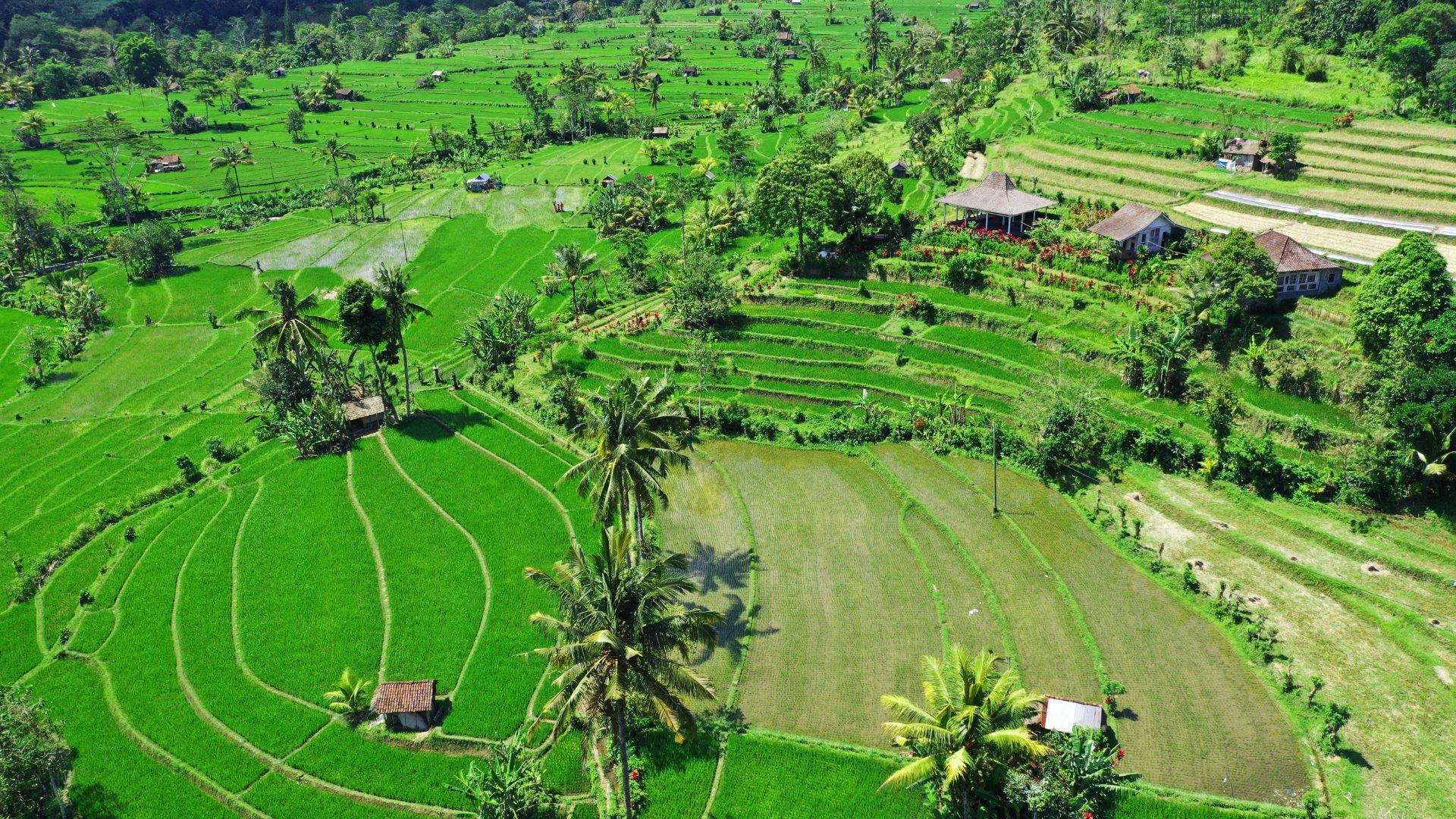
Sidemen Valley offers easy hikes through stunning landscapes. It’s less crowded than other areas.
These trails are great for photos and meeting local farmers. It’s one of the best things to do in East Bali for all.
Recommended Walking Routes
The main route goes through villages and rice fields. It’s a 3-4 hour walk with amazing views.
Shorter loops around Sidemen village are also rewarding. Early morning walks are cooler and show farmers starting their day.
Village Homestay Experiences
Stay with local families in Sidemen Valley. You’ll get to see real Balinese life and eat home-cooked meals.
These stays offer a deep look into village life and farming. Families love sharing their stories and traditions.
Homestays are the best way to experience East Bali’s culture through real connections.
Cultural Immersion in Traditional Villages
Exploring East Bali, we find the heart of the region in its traditional communities. These villages offer real cultural experiences. They connect us with Bali’s living heritage.
Tenganan Village: Preserving Ancient Traditions
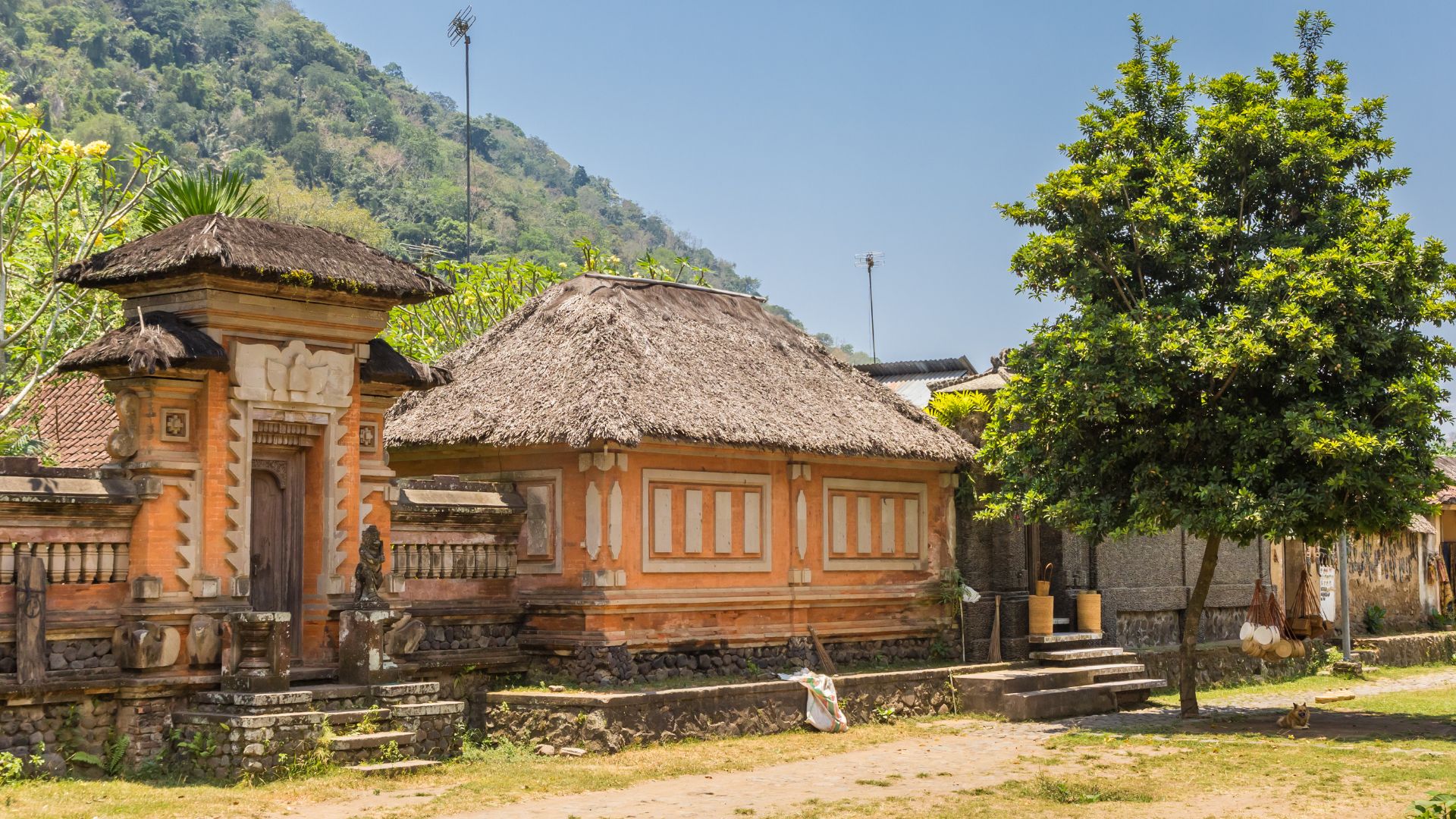
Tenganan is one of Bali’s oldest villages. It’s home to the Bali Aga people, who keep pre-Hindu traditions alive. This walled community follows customs unchanged for centuries.
How to Respectfully Visit Traditional Communities
Wear clothes that cover your shoulders and knees. Always ask before taking photos of locals. Speak softly and don’t touch religious offerings or sacred objects.
Visit during the day and stay on the paths. Remember, you’re in people’s homes, not a museum.
Purchasing Authentic Handicrafts
Tenganan is famous for its geringsing textiles. These fabrics take months to make and have sacred patterns.
Buy from the village cooperative, not individual sellers. Real pieces will have natural dye marks. Expect to pay fair prices for these treasures.
Learning Balinese Cooking in Local Homes
Preparing traditional meals connects us to Balinese culture. Cooking classes in family compounds offer real interactions, not just restaurant experiences.
Finding Authentic Cooking Classes
Look for classes in family compounds, not tourist spaces. Ask other travelers for recommendations. They often know the best places.
Choose classes where instructors share cultural and cooking knowledge. Avoid big groups for a deeper experience.
Essential Ingredients to Look For
Balinese food starts with fresh base gede (spice paste). Learn to find lemongrass, galangal, and turmeric at markets.
Find unique ingredients like salam leaves and kencur (sand ginger). Fresh coconut is used in many dishes, from sambals to desserts.
These cooking experiences enrich our cultural journey. We leave with skills to make Balinese dishes at home.
Waterfall Hunting in East Bali
Exploring East Bali reveals hidden wonders. These waterfalls offer cool escapes and great photo spots. They’re unlike the more touristy areas of the island.
Tukad Cepung Waterfall: Sunlight Through the Canyon
Tukad Cepung is magical. Sunlight filters through a narrow canyon, creating stunning effects on the waterfall and rocks.
Best Time to Visit for Optimal Lighting
Go between 9-11 AM for the best light. The sun shines just right into the canyon then. Stay away at midday when the light is too harsh.
Safety Tips for the Canyon Walk
The path to Tukad Cepung is a river and canyon walk. Wear sturdy shoes with good grip. The rocks are slippery, so be careful.
Kanto Lampo Waterfall: Unique Rock Formations
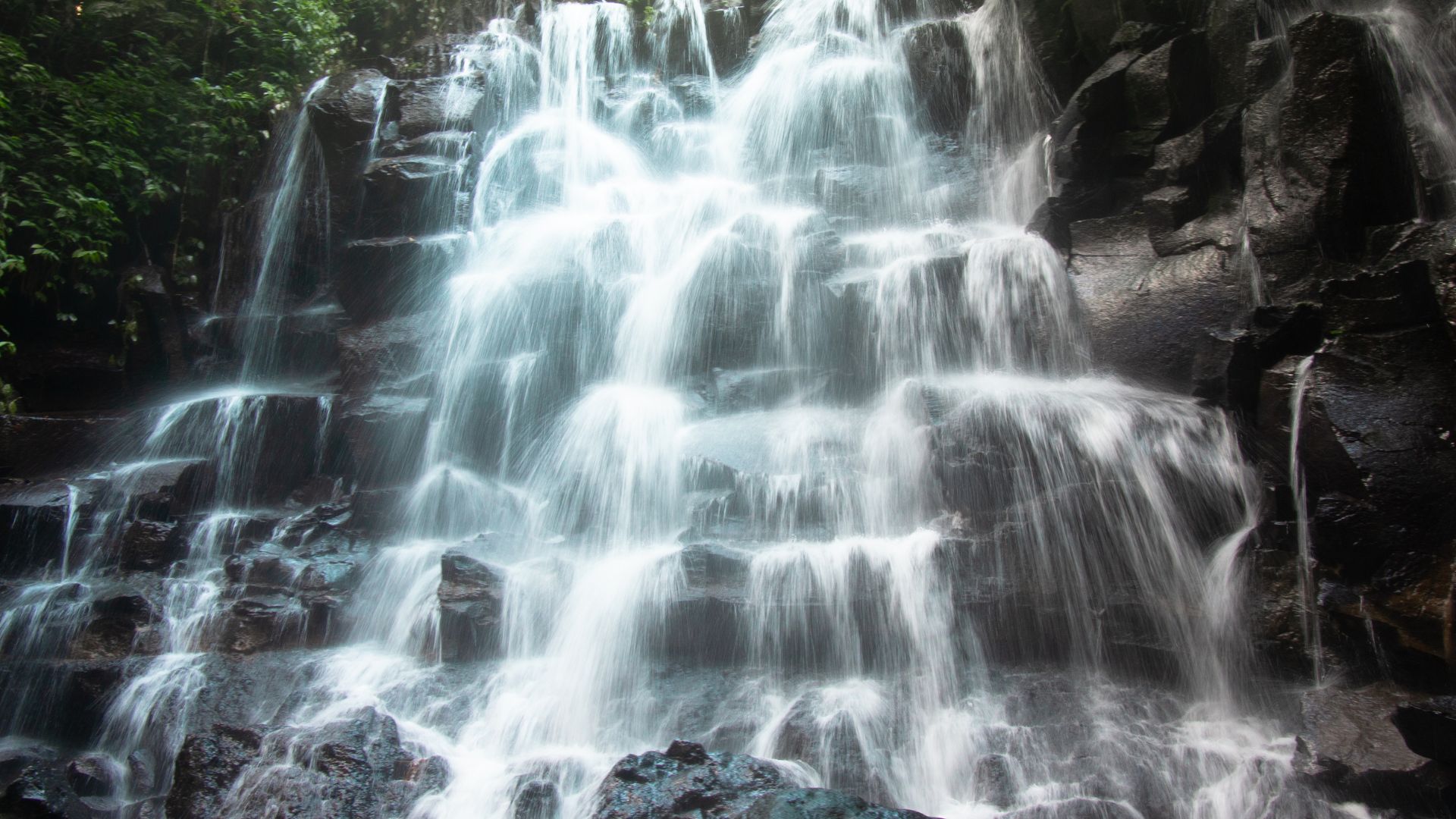
Kanto Lampo has water falling over volcanic rocks. It has many tiers and pools, offering a unique experience.
Photography Techniques for Waterfall Shots
Use a tripod for smooth water shots. Set your camera to slow shutter speed, 1-4 seconds. Polarizing filters reduce glare and enhance colors.
Swimming Safety Guidelines
Check the water depth before swimming. Currents can be strong, even after rain. Watch for submerged rocks and avoid jumping. Never swim alone at remote waterfalls.
East Bali’s waterfalls show its natural beauty. They offer unforgettable experiences, making it a standout among Bali holiday spots.
Practical Tips for East Bali Travel
Planning your east bali vacation needs careful attention to details. This ensures a smooth and enjoyable trip. We’ve gathered key info on budgeting, staying connected, and health tips for your adventure.
Budgeting for Your East Bali Trip
East Bali is a great value compared to southern tourist spots. You can find budget accommodations for $15-25 per night. Mid-range hotels cost $40-60.
Local warungs offer tasty meals for $2-5. Restaurant meals are $8-15 per person. Scooter rentals are $5-7 daily, and private drivers cost $35-50 per day. Temple fees are $1-3, and guided hikes and activities are $20-40. A daily budget of $50-70 covers most costs for a memorable trip.
Staying Connected: SIM Cards and WiFi
Stay connected with local SIM cards at Denpasar Airport or smaller shops in towns like Amlapura. Telkomsel and XL have the best coverage. Prepaid data packages start at $5 for a week.
Most hotels and cafes have WiFi, but speeds can vary. Download offline maps for remote temple and hiking trails. If you need constant internet, consider a portable WiFi device.
Health and Safety Considerations
East Bali’s tropical climate means you need to stay hydrated and protected from the sun. Drink bottled water and use high-SPF sunscreen. Mosquito repellent is key, mainly in the evenings and near rice fields.
Driving can be tricky with narrow, winding roads. Be careful if you rent a scooter, and always wear a helmet. Keep valuables safe and avoid showing off expensive items in public.
Local Medical Facilities
Amlapura has the main regional hospital with basic emergency services. Smaller clinics are in towns like Sidemen and Candidasa. Pharmacies (apotek) have common medications and first-aid supplies.
For serious issues, go to Denpasar or international clinics in Sanur. Travel insurance with medical evacuation is a must for your trip.
Emergency Contact Information
Save these numbers in your phone: Police – 110, Ambulance – 118, Fire Department – 113. The tourist police hotline (0361-224111) offers English help. Your country’s embassy in Jakarta can also help in emergencies.
Keep your hotel’s contact info handy for local emergencies and translation help. If you’ve hired a driver, save their number too.
Conclusion
East Bali shows a different side of the island that many miss. It offers the real Bali experience that people often look for but can’t find in busy southern areas.
Visitors can explore Lempuyang Temple for a spiritual journey. They can also find hidden beaches like Virgin Beach. Hiking Mount Agung at sunrise and exploring Sidemen Valley’s terraces are also options.
Discovering stunning waterfalls and immersing in traditional villages like Tenganan adds to the authentic experience. This region’s peaceful atmosphere and genuine cultural connections make it special.
Start your East Bali adventure with our detailed guide. Bring your sense of discovery and get ready for an unforgettable journey into Bali’s most authentic region.
FAQ
What makes East Bali different from other parts of the island?
East Bali is less crowded and more authentic than the south. You’ll find untouched natural beauty, traditional villages, and cultural sites. It offers a deeper connection to Balinese heritage.
When is the best time to visit East Bali?
Visit from April to October for the best weather. This is perfect for beaches, hiking, and outdoor fun. East Bali is beautiful all year with the right planning.
How do we get around East Bali efficiently?
Rent a scooter for freedom. Or hire a private driver for longer trips. Public transport is scarce, so your own wheels or a driver is best.
Are there good snorkeling spots in East Bali?
Yes! Blue Lagoon Beach is great for snorkeling. You can see colorful fish and coral. Sea turtles might even appear.
What should we wear when visiting temples in East Bali?
Dress respectfully at temples like Lempuyang. Wear a sarong and cover your shoulders. It shows respect and enhances your visit.
Is it safe to hike Mount Agung without a guide?
No, don’t hike Mount Agung alone. The terrain is tough, and weather can change fast. Guides offer safety, cultural insight, and help navigating.
Can we experience authentic Balinese culture in East Bali?
Yes! Visit traditional villages like Tenganan. Or take a cooking class in a local home. These offer real cultural experiences.
What are the must-visit waterfalls in East Bali?
Tukad Cepung and Kanto Lampo are must-sees. Tukad Cepung has magical light beams, and Kanto Lampo has stunning cascades. Both are great for photos and swimming.
How do we stay connected to internet in East Bali?
Buy a local SIM card at the airport or in towns. WiFi is common, but a SIM keeps you connected in remote areas.
Are there health facilities available in East Bali?
Yes, but they’re limited. Know the clinics and pharmacies in towns like Amlapura. For serious issues, go to Denpasar or have good travel insurance.