
Many dream of Bali’s pristine beaches and luxury resorts. But the island’s true heart is inland. There, ancient traditions meet stunning landscapes.

Let’s explore a place where green rice terraces fall down volcanic slopes. Temple ceremonies fill the air with incense and devotion. This is where Bali’s soul truly resides.
Central Bali is more than just beautiful views. It’s a living cultural tapestry woven through centuries. Visitors find spiritual sanctuaries in misty highlands and vibrant artisan villages.
This journey shows why this region is special. It’s a place where adventure and cultural immersion blend perfectly. You’ll see unparalleled natural beauty along the way.
Getting Ready for Your Central Bali Adventure
Getting ready for Central Bali is key to a great trip. We’ll show you how to plan well. This way, your adventure will be smooth from start to end.
Planning Your Trip to Central Bali
Knowing Bali’s rhythms is the first step in planning. Timing and packing are very important. They can make your trip amazing or not so good.
Best Time to Visit for Optimal Experience
The best time to visit is from April to October. These months are dry and sunny. They’re perfect for seeing temples and rice terraces.
Avoid visiting from November to March because it rains a lot. But, cultural events like Galungan and Nyepi happen all year. They add something special to your trip.
Essential Packing List for Bali’s Climate and Culture
Make sure your packing list covers Bali’s weather and temple rules. Wear light, breathable clothes to stay cool in the humidity.
Remember to pack sarongs and sashes for temple visits. These are needed to show respect at sacred places in Central Bali.

Navigating Transportation in Central Bali
Knowing how to get around is important for your Bali trip. We’ll help you with scooters and apps.
Renting a Scooter: Tips and Safety Precautions
Renting a scooter lets you explore Central Bali freely. Always wear a helmet and have an international driving permit.
Drive safely and avoid riding at night. These tips will make your ride enjoyable and safe.
Using Ride-Hailing Apps and Local Drivers
Apps like Grab and Gojek are great for getting around urban areas. They’re convenient in Central Bali.
For longer trips, hire local drivers. They know the best spots. This way, you’ll get a real Bali experience.
Don’t forget to include transportation costs in your budget. Choosing the right place to stay can save you time and money.
Exploring Ubud: The Cultural Heart
Ubud is the heart of Balinese arts and traditions. It offers a true look into the island’s rich culture. This town invites us to dive into centuries-old practices that still thrive today.
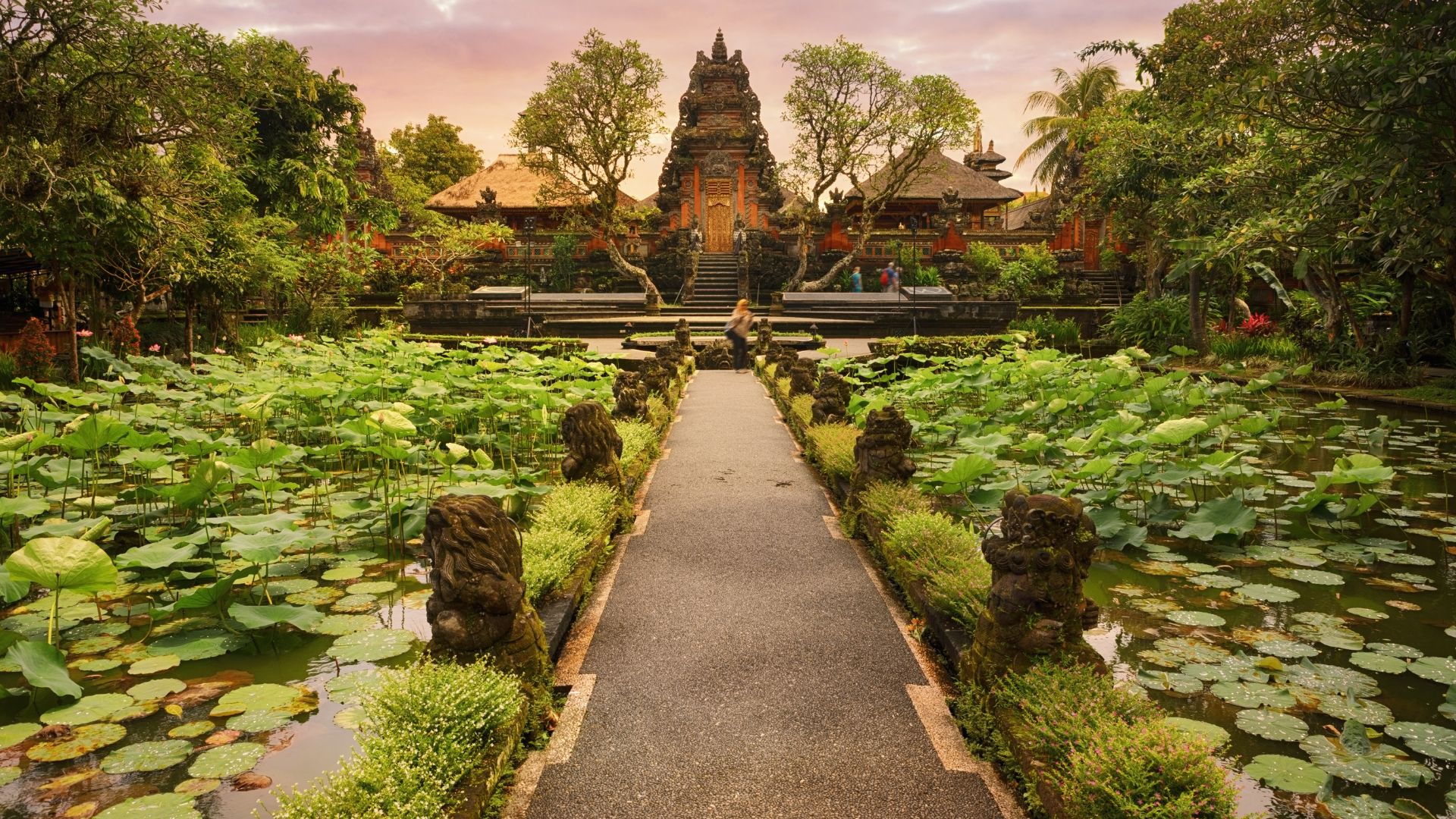
Step-by-Step Guide to Ubud’s Art and Dance Scene
Ubud’s artistic legacy is seen in its lively performance venues and creative spaces. We get to experience the true essence of bali culture through these experiences.
Visiting Traditional Dance Performances at Ubud Palace
The Ubud Palace hosts nightly dance shows that show Bali’s storytelling traditions. Get there early for the best seats, as shows start around 7:30 PM. These shows feature stunning costumes and detailed movements passed down through generations.
Exploring Local Art Galleries and Workshops
Ubud is full of art galleries showing both traditional and modern Balinese art. Many studios let visitors watch artists work. The Neka Art Museum and Agung Rai Museum of Art have big collections that show how Balinese art has evolved.
How to Experience Ubud’s Spiritual Side
Ubud’s spiritual vibe connects us deeply with Balinese Hinduism and wellness. This part of bali culture encourages us to get involved and reflect.
Participating in a Traditional Balinese Offering Making
Local groups offer workshops to learn making canang sari, the daily offerings in Bali. These sessions teach the meaning behind each part and how to present them. It’s a great way to learn about Balinese spiritual customs.
Finding Authentic Yoga and Meditation Classes
Ubud is a top spot for wellness. Many studios have yoga classes for all levels. Meditation sessions often include Balinese spiritual elements, offering a unique cultural experience. Look up studios to find ones that use real local practices.
Discovering the Sacred Monkey Forest Sanctuary
The Sacred Monkey Forest Sanctuary is a magical place in Central Bali. It combines nature, spirituality, and wildlife in a unique way. This protected area is more than just a place to see monkeys. It’s a living temple with deep cultural meaning.
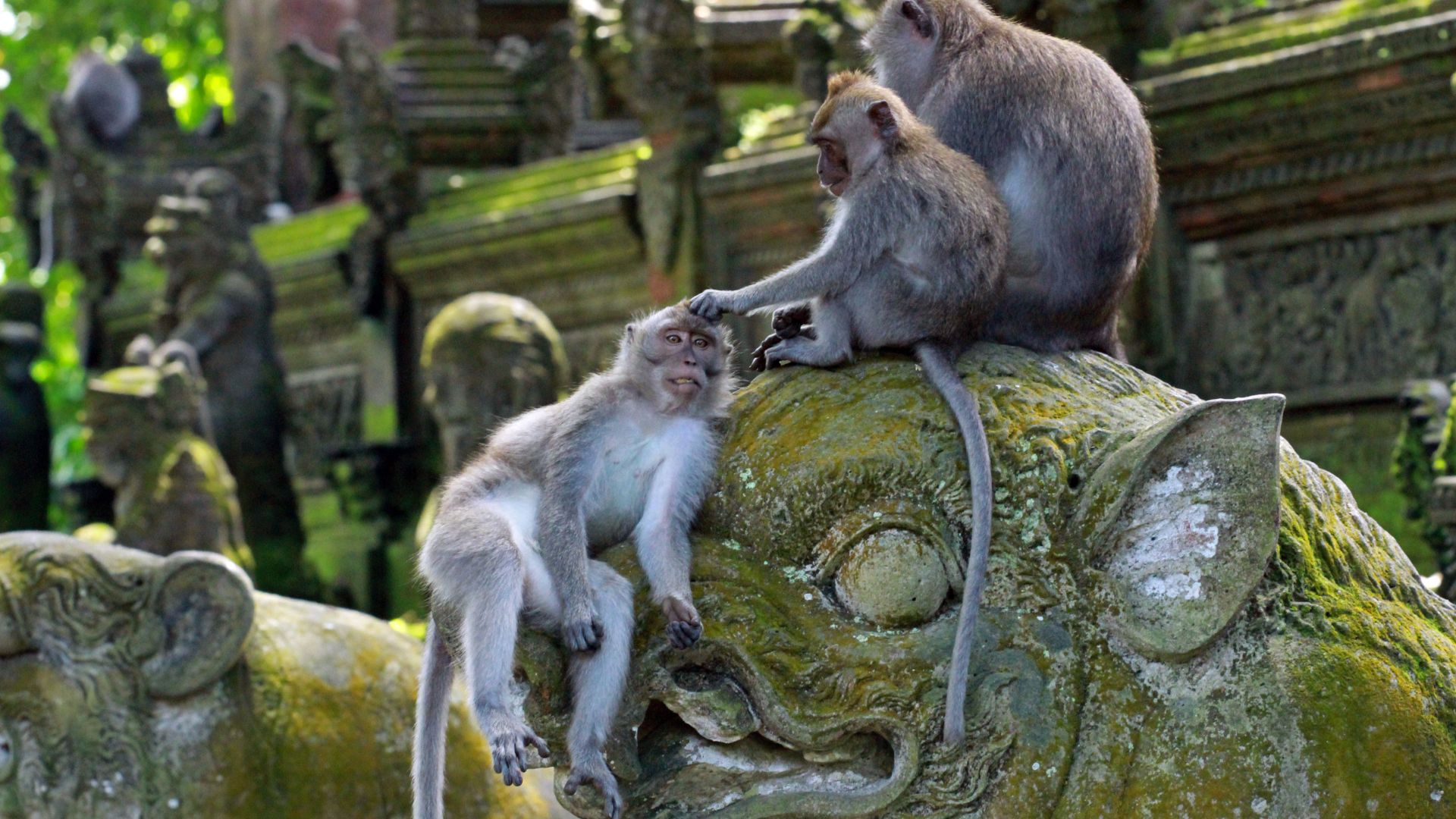
Preparing for Your Visit to the Monkey Forest
What to Bring and What to Avoid for Safety
Wear comfortable, closed-toe shoes for the uneven paths. Carry a small backpack with water and sunscreen. But, don’t bring loose items that might attract the monkeys. Leave jewelry, shiny objects, and food outside to keep the monkeys calm.
Understanding Monkey Behavior and Interaction Guidelines
It’s important to know how to act around the monkeys. They are wild animals, even if they seem friendly. Don’t stare at them or try to touch them. The sanctuary offers food for feeding sessions, but only under staff supervision.
Navigating the Forest Trails and Temples
Key Spots to See and Their Cultural Significance
The forest has three Hindu temples from the 14th century. The Pura Dalem Agung is the main temple, focusing on death and transition. The Pura Beji temple is for purification rituals. These temples are still used for worship, so we must be respectful.
Photography Tips for Capturing the Experience
Photograph the forest in the early morning or late afternoon for the best light. Use a zoom lens to take photos without disturbing the monkeys. Avoid flash to keep the atmosphere calm. Try to capture the beauty of the ancient temples, greenery, and wildlife together.
Immersing in Bali’s Rice Terrace Landscapes
Central Bali’s rice terraces are some of the most stunning in the world. They show off Balinese farming traditions for centuries. Visitors get to see unforgettable sights.
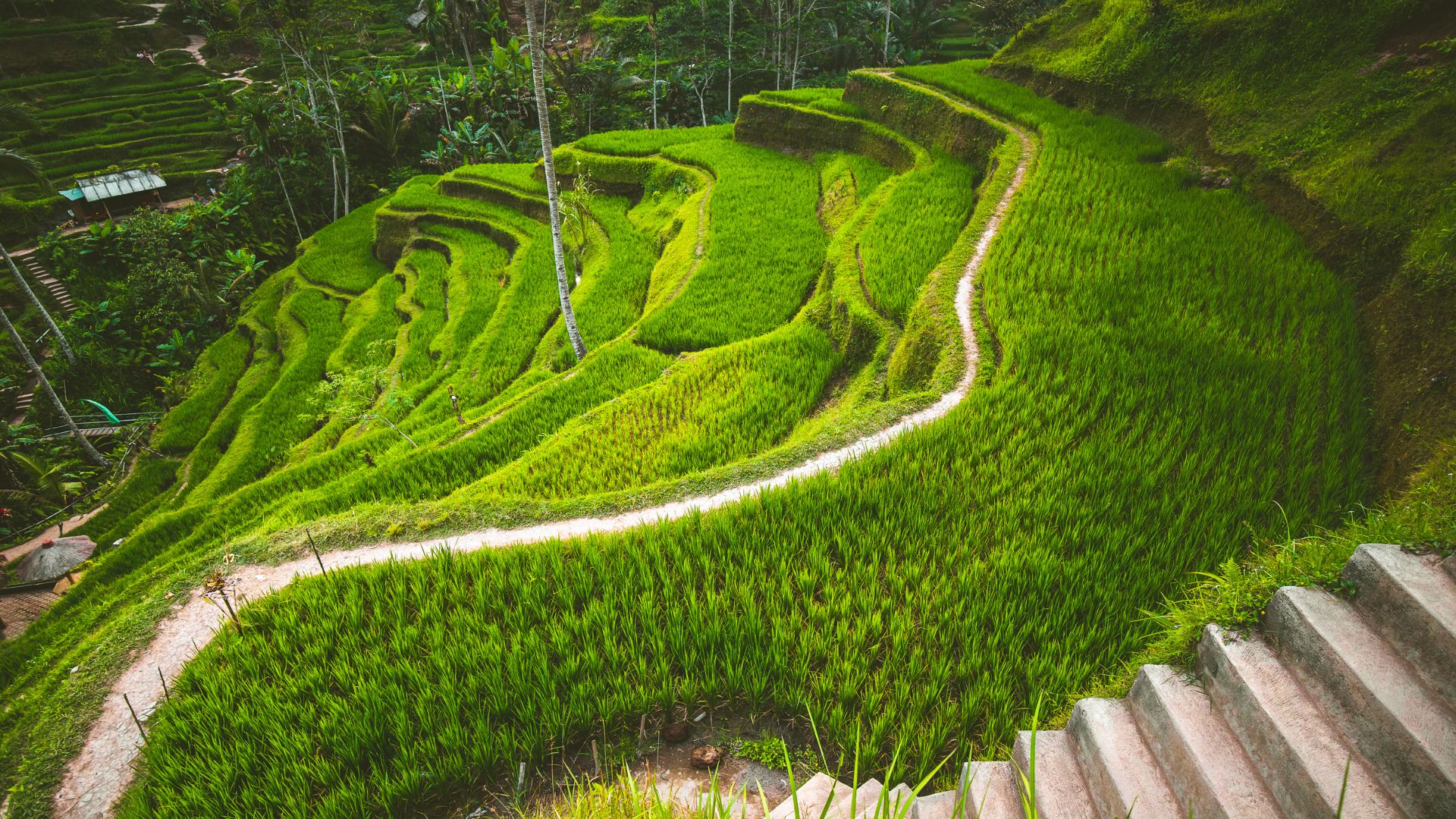
Step-by-Step Guide to Tegallalang Rice Terraces
Tegallalang is one of Bali’s top rice terraces. Arrive early to avoid crowds and heat. The morning light is perfect for photos.
Wear shoes with good grip because paths can be slippery. Also, bring small bills for donations to local farmers.
Best Viewpoints and Photo Opportunities
The main ridge gives amazing views of Tegallalang valley. Walking down into the terraces offers unique photo spots.
Sunrise and late afternoon are best for photos. The golden hour adds beautiful shadows to the irrigation channels.
Supporting Local Farmers and Sustainable Tourism
These are working farms, not just tourist spots. Buy refreshments from family-owned warungs along the way.
Follow all signs and stay on paths. The subak irrigation system is a UNESCO-recognized tradition that locals care for.
Exploring Lesser-Known Rice Terraces in Central Bali
While Tegallalang is famous, there are hidden gems too. These spots offer stunning views with fewer visitors. They give a closer look at Bali’s farming heritage.
Hidden Gems Off the Beaten Path
Jatiluwih has vast terraces with Mount Batukaru in the background. It’s a UNESCO World Heritage site with long trails.
Pujung and Pejeng villages have beautiful terraces and ancient temples. These places keep the true Balinese feel without many tourists.
Guided Tours vs. Independent Exploration
Guided tours offer insights into rice cultivation. Guides explain the subak system from the 9th century.
Exploring on your own lets you set your own pace. Try a tour first, then go back to your favorite spots.
Whether you visit Tegallalang or hidden valleys, Bali’s rice terraces are unforgettable. They offer a deep connection to the island’s culture.
Visiting Hindu Temples in Central Bali
The sacred Hindu temples of Central Bali welcome visitors who follow traditional customs and etiquette. These spiritual sites offer incredible cultural experiences when approached with respect and understanding.
How to Respectfully Visit Balinese Temples
Proper temple etiquette shows respect for Balinese religious traditions. We always recommend learning basic customs before visiting.
Dress Code and Etiquette Guidelines
Both men and women must wear sarongs and sashes when entering Hindu temples. These are usually available for rent at temple entrances.
Keep shoulders and knees covered. Remove shoes before entering prayer areas. Speak quietly and avoid pointing your feet toward shrines or deities.
Understanding Temple Ceremonies and Offerings
Temple ceremonies involve beautiful offerings called canang sari. These small baskets contain flowers, rice, and other symbolic items.
Visitors may observe ceremonies but should not walk between people praying. Photography restrictions often apply during religious events.
Must-See Temples in Central Bali
Central Bali features several remarkable Hindu temples each with unique spiritual significance.
Goa Gajah (Elephant Cave) Exploration Guide
Goa Gajah dates back to the 11th century and features ancient meditation caves. The entrance shows a carved demon mouth that visitors walk through.
Explore the bathing pools and surrounding meditation sites. Morning visits avoid crowds and offer cooler temperatures.
Tirta Empul Water Temple Purification Ritual
Tirta Empul’s holy spring water feeds purification pools where locals and visitors participate in ritual bathing. The water comes from a mountain spring considered sacred.
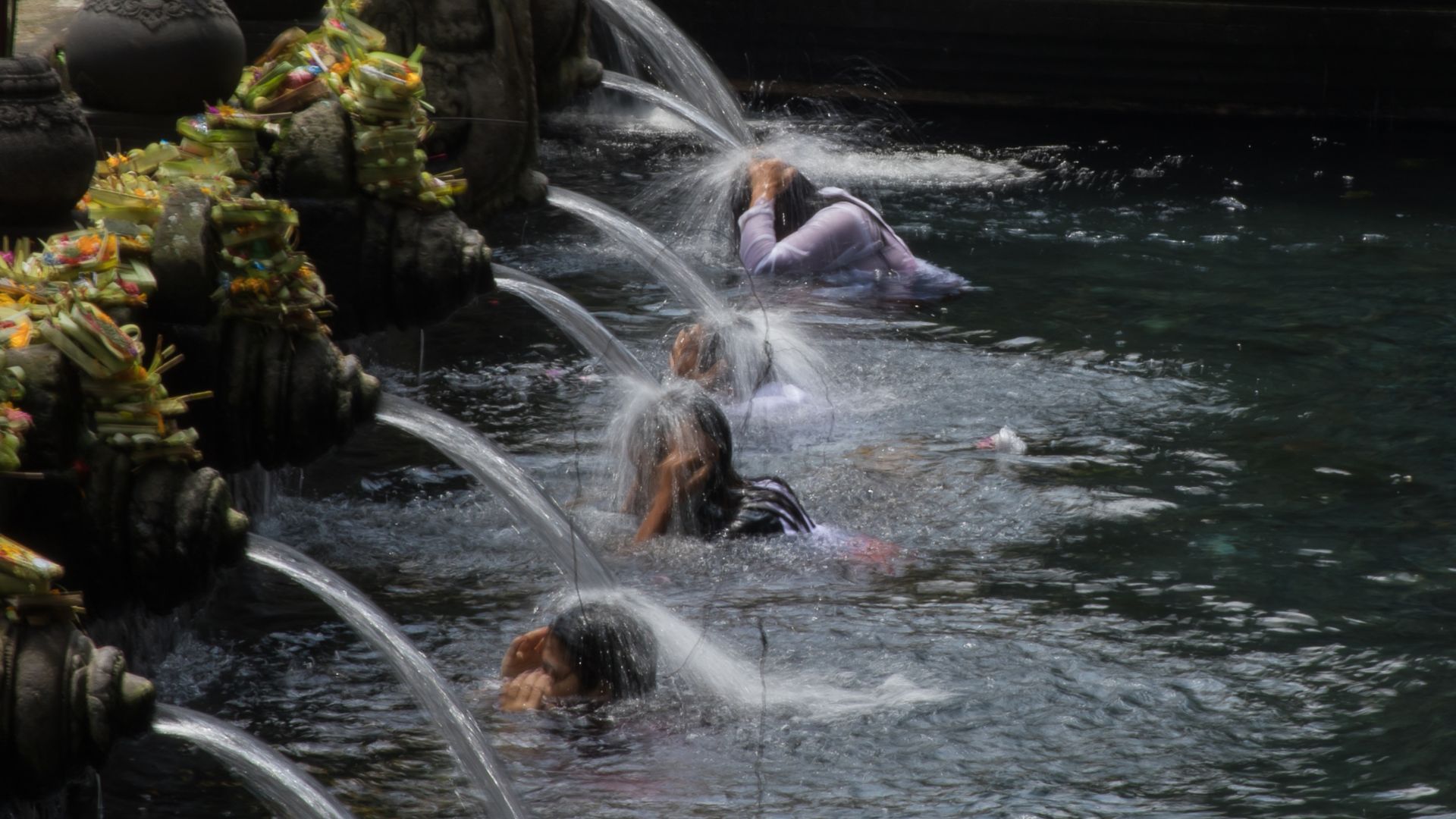
Participants move through different spouts following specific rituals. Sarongs are mandatory here and available for rental.
Donation boxes support temple maintenance. Early morning visits provide the most authentic experience with fewer tourists.
Experiencing Traditional Markets Like a Local
Central Bali’s traditional markets give a real look into daily Balinese life. They are full of colorful crafts, fragrant spices, and friendly vendors. These markets are great for diving into the local culture.
Navigating Ubud Market for Authentic Souvenirs
Ubud Market is open from early morning to late afternoon. Arrive before 9 AM for the best deals. The upper level has higher-quality handicrafts.
Bargaining Tips and Fair Price Guidelines
Bargaining is key in Balinese markets. Start with 40-50% of the asking price. Aim for a final price of 60-70% of the first offer.
Keep the negotiation friendly. A smile and polite talk can get you a better deal than pushing hard.
Identifying Handmade vs. Mass-Produced Items
Handmade items have small flaws. They are unique. Mass-produced items are perfect and identical.
Ask about the maker or village. Real craftspeople love to share their stories.
Exploring Food Markets for Local Cuisine
Balinese food markets are full of exotic fruits, fresh veggies, and snacks. The morning is best for fresh produce and lively atmosphere.
Street Food Safety and Must-Try Dishes
Choose stalls with lots of customers. It means the food is fresh. Look for vendors who wear gloves and keep their areas clean.
Try bab guling (suckling pig), lawar (mixed veggies with coconut), and jaja bali sweets for dessert.
Cooking Class Recommendations for Hands-On Learning
Paon Bali Cooking Class is great for market tours. They teach you to pick fresh ingredients and make traditional dishes.
Lobong Culinary Experience also offers small classes. They focus on Balinese cooking techniques with personalized attention.
Both classes include market visits. You learn to spot quality spices and produce. These classes are unforgettable.
Indulging in Central Bali’s Culinary Delights
Central Bali’s food scene is a journey through flavors that tell the island’s story. It mixes traditional recipes with fresh local ingredients. This creates authentic dining experiences that engage all your senses.
How to Enjoy Balinese Food Safely and Authentically
Eating like a local in Bali needs some knowledge. It’s about safety and authenticity. We suggest watching where locals eat and looking for basic hygiene signs.
Identifying Clean Food Stalls and Restaurants
Busy places with lots of customers are good signs. Look for fresh ingredients and proper storage. Make sure cooks use utensils and the cooking area is clean.
Must-Try Dishes and Their Cultural Background
Babi guling (suckling pig) is Bali’s famous ceremonial dish. Lawar, a mixed vegetable dish, is also a big hit at celebrations. These foods hold deep cultural meaning in Balinese gatherings.
Participating in a Balinese Cooking Class
Hands-on cooking classes are the best way to dive into Balinese cuisine. You’ll learn old techniques and connect with local traditions.
Step-by-Step Guide to Selecting the Right Class
Look for classes that include market visits. Smaller classes mean more personal attention. Make sure instructors use traditional methods and local recipes for a real authentic experience.
Bringing Bali Flavors Home: Ingredient Shopping Tips
Many Balinese ingredients are great for cooking at home. Find quality spices like galangal and turmeric at local markets. Cooking schools often give out recipe cards with tips for shopping for hard-to-find items.
These culinary adventures make lasting memories and teach you new skills. The flavors you discover will inspire your cooking for years.
Embracing Spiritual Retreats and Wellness
Central Bali is more than stunning views. It’s a place for personal growth. The island’s spiritual vibe is perfect for healing and self-discovery. Many find their Bali trip truly meaningful by embracing local wellness.
Finding the Right Spiritual Retreat for You
Choosing a spiritual retreat in Bali needs thought. Each offers unique benefits based on your goals and comfort.
Comparing Different Types of Retreats Available
Bali has many retreat types. Yoga intensives focus on daily practice and alignment. Meditation programs include silent periods and mindfulness.
Detox retreats mix cleansing diets with Balinese healing. Some offer mixed programs. Think about what you want most when choosing.
What to Expect During a Typical Retreat Day
Retreats have a daily routine. Mornings start with meditation or gentle movement. Breakfasts are healthy, with local fruits and ingredients.
Afternoons have workshops, healing sessions, or time for reflection. Evenings end with group sharing or quiet time. The schedule is balanced.
Incorporating Wellness Practices into Your Trip
You can experience Bali’s healing energy without a formal program. Simple daily habits can change your trip.
Daily Rituals for Mindful Travel in Bali
Begin with sunrise meditation by the rice fields. Walk mindfully in Ubud. Keep a gratitude journal.
Try different herbal teas and take digital detox hours. These habits connect you deeply with Bali’s spirit.
Balinese Healing Traditions and Where to Experience Them
Balinese healing is for body and spirit. Traditional massage uses acupressure and oils. Energy work balances chakras and uses vibrations.
Find these traditions in Ubud’s healers. Approach with respect and an open mind. True healing needs skill from the practitioner and readiness from the recipient.
Bali offers deep growth opportunities, whether through retreats or daily practices. Its beauty and wisdom are ideal for transformation.
Adventuring in Central Bali’s Natural Wonders
Central Bali is more than rice terraces and temples. It’s a playground for outdoor lovers. Here, you’ll find stunning waterfalls, volcanic peaks, and hot springs that leave a lasting impression.
Trekking Through Bali’s Hidden Waterfalls
Exploring Central Bali’s waterfalls reveals its true beauty. These hidden gems are surrounded by lush jungles. They offer refreshing swims and amazing photo spots.
Essential Gear and Safety for Waterfall Hikes
Getting ready for waterfall adventures is key. Wear sturdy shoes with good grip for slippery paths. Carry waterproof bags for your electronics and dry clothes.
Always swim with a buddy in natural pools. Check the water depth and current before swimming. Pay attention to local signs about dangerous areas.
Look for less crowded spots like Kanto Lampo for unique rock formations. Tibumana offers a peaceful swim away from the crowds.
Visit waterfalls early in the morning to avoid the crowds. Weekdays are usually less busy than weekends.
Exploring Volcanoes and Hot Springs
Central Bali’s volcanic terrain offers unique adventures. From sunrise hikes to relaxing in hot springs, these experiences show nature’s power.
Visiting Mount Batur for Sunrise Trekking
Mount Batur sunrise treks are a must for early risers. The hike takes 2-3 hours to reach the top. Always go with a professional guide.
Start your hike around 2-3 AM to see the sunrise. Bring warm clothes as it gets cold at high altitudes. The view from the top is breathtaking.

Relaxing in Natural Hot Springs: What to Know
Bali’s hot springs are perfect for unwinding after adventures. These waters are rich in minerals and offer healing benefits.
Most hot springs have separate areas for men and women. Wear proper swimwear to respect local customs. Shower before entering to keep the water clean for everyone.
Engaging with Balinese Culture and Community
Exploring Central Bali reveals its magic through connecting with its people. This authentic cultural immersion changes tourism into meaningful connections.
Participating in Local Festivals and Ceremonies
Balinese festivals open a window to the island’s spiritual heart. These celebrations show the island’s traditions that are still important today.
How to Respectfully Join Cultural Events
Dressing right shows respect for Balinese customs. Women should wear sarongs and cover their shoulders. Men need temple sashes and proper shirts.
Always ask before taking photos during ceremonies. Some rituals don’t allow photos to keep things sacred.
Watch quietly from a distance without interrupting. We are guests seeing sacred traditions, not shows.
Calendar of Major Events in Central Bali
Galungan and Kuningan happen every 210 days by the Balinese calendar. These big holidays have temple offerings and family fun in villages.
Ubud’s Writers and Readers Festival is in October. It mixes book talks with cultural shows and local art.
Learning Traditional Balinese Crafts
Workshops let us see the skill in Bali’s famous crafts. These experiences help keep traditions alive and make lasting memories.
Step-by-Step Guide to Batik or Silver Making Classes
Batik classes start with drawing patterns. Then, we learn how to apply wax and dye.
Silver workshops teach hammering and filigree. Classes usually last 3-4 hours and let beginners make their first piece.
Supporting Local Artisans and Ethical Tourism
Choose workshops that use local master artisans. These real experiences might cost a bit more but help traditional craftspeople.
Look for studios that teach the cultural value of crafts. The best workshops teach the art and its importance to Bali culture.
Buying from artisan cooperatives helps artists get fair pay. Stay away from shops selling fake Balinese crafts.
Capturing Your Central Bali Experience
Capturing Central Bali’s essence is more than just taking pictures. It’s about thoughtful documentation that honors local culture and keeps personal memories alive.
Photography Tips for Bali’s Landscapes and Culture
Bali’s light and landscapes need special photography techniques. The golden hours of sunrise and sunset are ideal for capturing the island’s beauty.
Visit Tegallalang Rice Terraces early to avoid crowds and get soft light. For temple photos, mid-morning is best when ceremonies happen. Waterfalls look stunning after rain, when the water flow is at its peak.
Respecting Privacy and Cultural Sensitivity When Photographing
Always get permission before taking photos of locals. Don’t shoot during private prayer times in temples. Some ceremonies don’t allow photos – it’s important to respect these rules.
Keeping a Travel Journal for Lasting Memories
Journaling turns brief moments into lasting treasures. Your notebook becomes a personal time capsule of your Balinese adventures.
How to Document Your Experiences Meaningfully
Write down what you saw and how you felt. Note conversations with locals, new foods, and unexpected moments. Daily reflections help you understand your cultural immersion.
Incorporating Balinese Symbols and Stories into Your Journal
Include drawings of traditional patterns you see. Write about the mythological stories guides share. Press flowers from temple offerings between pages. These elements make your journal a rich, multi-sensory record of your journey.
Conclusion
Central Bali is a place where nature, culture, and spirituality come together. It’s more than just a tourist spot. It invites you to connect deeply.
Before you go to central bali, make sure you’re well-prepared. Be respectful of local customs at temples and markets. Also, try to be sustainable in your tourism to help keep this place special.
Take the spirit of Bali with you when you leave. The memories of rice terraces, traditional dances, and spiritual practices can inspire you every day.
Traveling changes us. Central Bali offers a chance for personal growth through its rich culture and natural beauty. Your trip here will have a lasting impact.
We hope this guide helps you have meaningful experiences. May your visit to central bali become a cherished part of your travel story.
FAQ
What is the best time to visit Central Bali?
The dry season, from April to October, is the best time to visit. It’s sunny and perfect for exploring. If you want to see cultural festivals, plan your trip around Galungan or Nyepi.
How should we dress when visiting Balinese temples?
Wear modest clothes that cover your shoulders and knees. You can rent sarongs and sashes at temple entrances. It’s important to respect local customs and sacred spaces.
Is it safe to interact with monkeys at the Sacred Monkey Forest?
Monkeys are used to humans, but keep a safe distance. Don’t bring food inside and follow the guidelines. This ensures a safe visit for everyone.
What are some must-try dishes in Central Bali?
Try babi guling, bebek betutu, and lawar. Choose busy food stalls or reputable restaurants for a safe experience.
How can we support sustainable tourism in the Tegallalang Rice Terraces?
Buy directly from local farmers or donate at viewpoints. Stay on marked paths and hire local guides. They can share insights into Balinese culture and agriculture.
Are ride-hailing apps like Grab and Gojek available in Ubud?
Yes, Grab and Gojek are available in Ubud. They offer convenient transport. But, some areas may have restrictions, so have a local driver’s contact ready.
What should we pack for a trip to Central Bali?
Pack light, breathable clothes, a reusable water bottle, and sunscreen. Bring comfortable shoes and a sarong for temple visits. Trekking? Don’t forget sturdy shoes and rain gear.
Can we participate in traditional ceremonies or festivals as visitors?
Yes, many ceremonies welcome respectful observers. Dress appropriately and ask for permission before taking photos. Learning basic phrases in Balinese or Indonesian is also a good idea.
What are some hidden gems in Central Bali beyond the popular spots?
Explore the Tegenungan Waterfall, Campuhan Ridge Walk, and quieter rice terraces in Jatiluwih or Pujung. These spots offer stunning views with fewer crowds.
How can we find authentic spiritual retreats or yoga classes in Ubud?
Research centers like The Yoga Barn or Radiantly Alive. Read reviews and book in advance. For a personal touch, try smaller, family-run retreats that focus on traditional Balinese healing.