

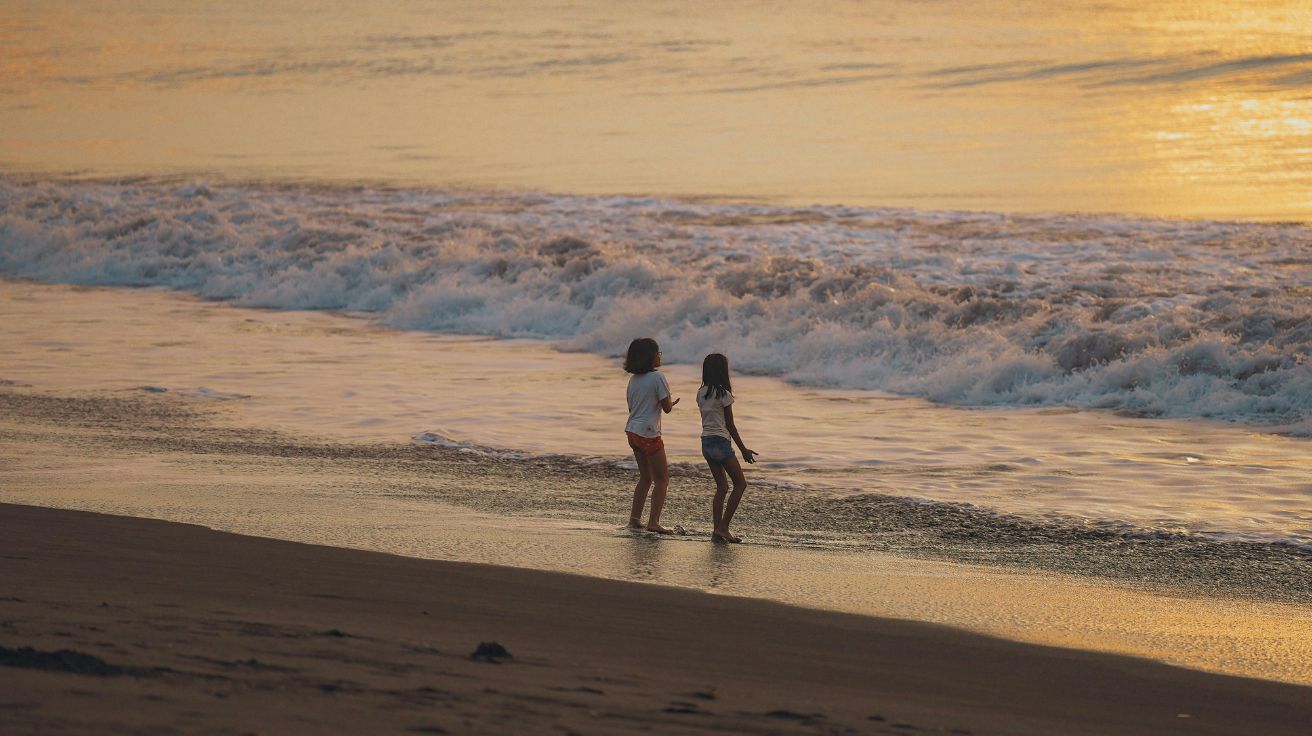
Is it possible to find a pristine Bali beach where your kids can play freely without a worry?
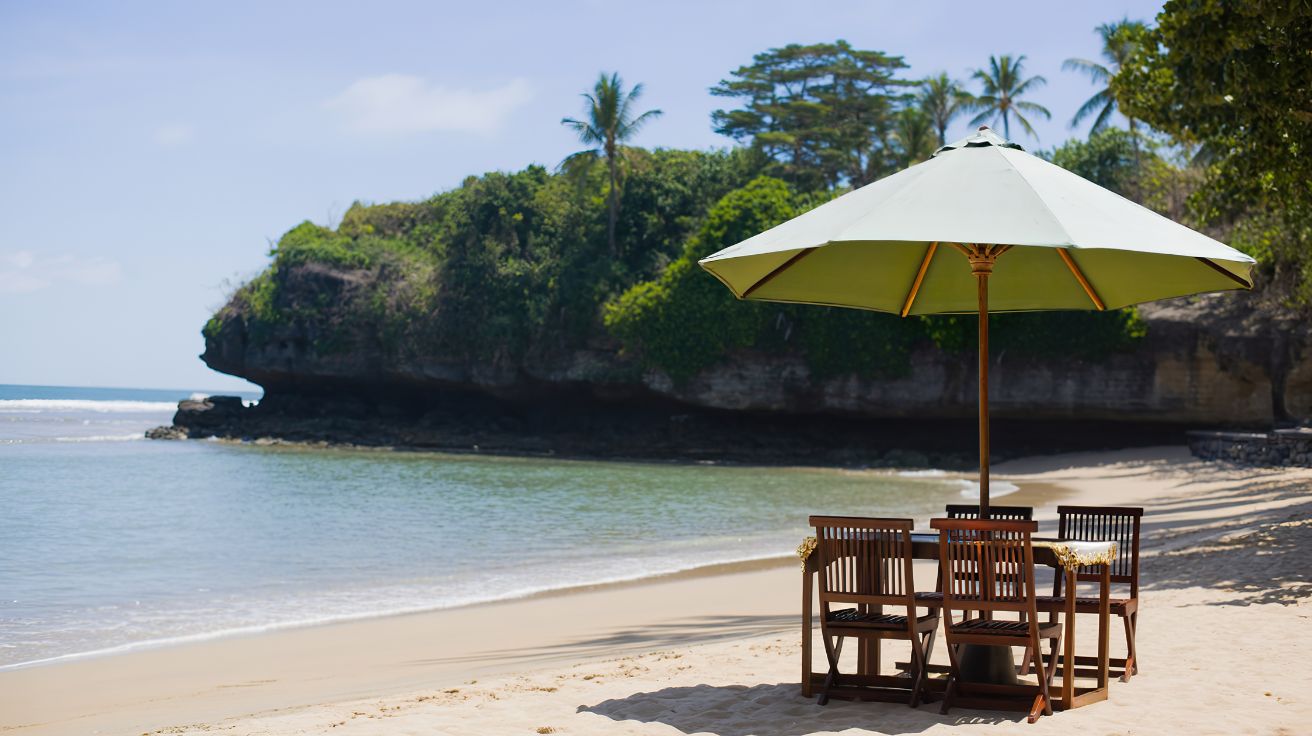
Many parents planning a tropical getaway share this exact concern. The image of powerful surf and rocky coastlines can feel daunting. The good news is that with the right knowledge, Bali offers fantastic family-friendly options.
This guide cuts through the uncertainty. We focus on shorelines renowned for their tranquil waters and complete suite of amenities. Think gentle waves, soft sand, and the presence of lifeguards.
You will discover a logical, four-step process to plan your perfect day. We cover how to choose the right spot, what to pack, and how to navigate the island’s coastal areas with confidence. Your dream of a stress-free, memorable beach day is closer than you think.
Your Guide to Finding Safe Beaches in Bali for Families
To make sure your family’s beach trip in Bali is both fun and safe, you need to know a few things. This guide will help you understand what makes a beach safe for families. It goes beyond just listing beaches to explain the critical factors for a great day at the beach.
Bali’s beaches are different because of the season, weather, and where they are. The dry season (April to October) has bigger waves on the western coasts. The wet season can make the water murkier and the currents stronger. Also, a beach can change a lot with the tides, going from calm to rough in just a few hours.
Choosing a safe beach for your family often means looking for natural protection. Beaches in bays or with reefs offshore usually have calmer, shallower water. These natural barriers help keep the water calm, perfect for kids to play in.
Choosing a beach is just the start. True safety comes from planning ahead and watching your kids closely. Always check the tide and weather before you go. It’s also important to set clear rules for staying safe in the water.
This guide will teach you about dangers like rip currents, which are strong channels of water that pull away from shore. Knowing about these dangers helps you stay safe and avoid risks.
By following this guide, you’ll become more confident as a parent. You’ll learn to pick the safest beaches for your family. This way, you can focus on making memories instead of worrying about safety. The next steps will help you put this knowledge into action for a perfect day at the beach in Bali.
Step 1: Evaluate Your Top Family-Friendly Beach Options
Your family’s beach day happiness depends on choosing the right shore. Bali has many beautiful coasts. The best beaches in Bali for children have gentle water, minimal waves, and practical amenities. This step-by-step guide helps you compare five top contenders.
Think about your kids’ swimming skills and your need for convenience. The following profiles break down each option in detail.
1. Sanur Beach: The Gentle Lagoon Classic
Sanur is a favorite for families. It has a long, shallow lagoon protected by a reef, creating a giant, natural wading pool.
Safety Features for Children
The water is ankle to knee-deep for many meters. The sandy bottom is soft and free of sudden drop-offs. Waves are almost non-existent inside the lagoon, making it exceptionally safe for toddlers and new swimmers.

Family Amenities and Facilities
A paved beach path runs the entire length, perfect for strollers and bikes. You will find numerous warungs (local eateries), clean public restrooms, and rental shops for sun loungers and umbrellas. Shade is plentiful under the pine trees lining the shore.
Best Time to Visit for Calm Conditions
The lagoon is calm year-round. For the absolute stillest water and best visibility, visit during the dry season (April to October) in the morning before any breeze picks up.
Pro Tips for a Stress-Free Day
Park near the Sanur Beach Market for easy access to facilities. The area north of the Grand Bali Beach Hotel is often less crowded. Bring water shoes for little feet, as some areas have scattered coral pieces.
2. Nusa Dua Beach: The Pristine & Protected Bay
Nusa Dua is a manicured, gated resort area. Its main beach offers sparkling white sand and remarkably clear, tranquil water.
Safety Features for Children
The bay is enclosed by a headland, breaking ocean swells. The slope into the water is very gradual. Lifeguards are often present near major hotel fronts, adding an extra layer of security.
Family Amenities and Facilities
Facilities are top-tier. You have access to hotel restaurants and pools if you purchase a day pass. Public areas feature well-maintained gardens, clean changing rooms, and vendor stalls selling snacks and beach toys.

Best Time to Visit for Calm Conditions
Like Sanur, Nusa Dua is protected and enjoys calm conditions most days. Aim for a visit between May and September for guaranteed sunny, serene weather.
Pro Tips for a Stress-Free Day
Enter the beach through the Bali Collection shopping center gateway. It offers ample parking. For more privacy, walk south towards the Geger Beach area. Remember to bring cash for renting equipment from independent vendors.
3. Jimbaran Bay: Calm Waters and Famous Sunsets
Jimbaran Bay is a wide, sweeping crescent known for its seafood cafes and spectacular evening skies. The water is generally placid.
Safety Features for Children
The bay’s size dissipates wave energy. The sandbank is broad, and children can play safely at the water’s edge. Always supervise closely, as there are no defined shallow lagoon areas like Sanur.
Family Amenities and Facilities
The highlight is the array of family-friendly seafood restaurants right on the sand. Public facilities are more basic, but restaurants provide restrooms. You can rent chairs and umbrellas directly from beach attendants.
Best Time to Visit for Calm Conditions
Water is calmest during high tide. Check a local tide chart and plan your visit for a late afternoon. This allows for safe paddling followed by a famous sunset dinner.
Pro Tips for a Stress-Free Day
Arrive around 4 PM to secure a good table at a seafood cafe. Let kids play while you order. Parking can be chaotic; consider using a ride-hailing app. The northern end of the bay, near the Intercontinental Hotel, tends to be less busy.
4. Balangan Beach: A Scenic & Sheltered Option
Balangan offers dramatic cliffs and a relaxed vibe. It’s a sheltered cove, making it one of the more unique kid-friendly beaches in Bali for families seeking scenery.
Safety Features for Children
The cove is protected by headlands, which reduce wave impact. The shore has a mix of sand and small pebbles. The water is shallow near the beach but can have a slightly quicker drop-off than a lagoon. Best for confident little swimmers.
Family Amenities and Facilities
This is a more rustic choice. Simple bamboo warungs line the cliff base, serving basic meals and drinks. Amenities are minimal—bring your own towels and shade. There are basic toilet facilities available.
Best Time to Visit for Calm Conditions
Visit during the dry season and aim for mid-morning. Offshore winds in the afternoon can sometimes create small chop. Avoid the rainy season when the sea can be rougher.
Pro Tips for a Stress-Free Day
Wear sturdy shoes for the short path down to the sand. Bring a pop-up beach tent for essential shade. Purchase fresh coconuts from the vendors for a fun, hydrating treat. Leave before dusk, as the path is not well-lit.
5. Padang Padang Beach: A Unique Cove for Older Kids
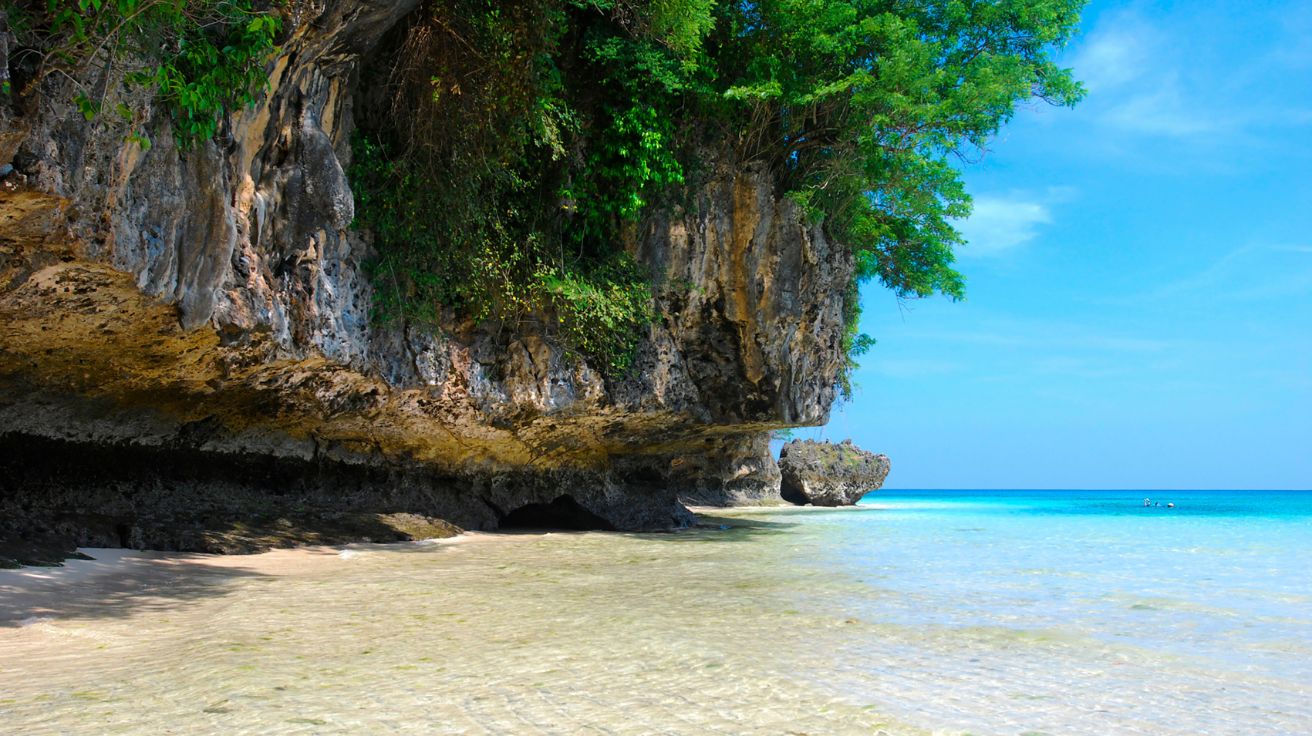
Made famous by Hollywood, Padang Padang is a stunning, narrow cove accessed through a rock staircase. It’s ideal for families with older, adventurous children.
Safety Considerations for Older Children
This is not a beach for toddlers. The entrance involves stairs, and the beach itself is compact. Waves can be fun for bodyboarding but require respect. Constant, active supervision is mandatory here.
Family Amenities and Facilities
Facilities are limited. A few small cafes sit atop the cliff. There are vendors renting surfboards and mats. Restrooms are available at the parking area before you descend. Pack everything you need for the day.
Best Time to Visit for Calm Conditions
For the safest swimming conditions, visit at low tide when the water recedes and reveals more sandy area. The surf is typically smallest from November to March, but always assess conditions upon arrival.
Pro Tips for a Stress-Free Day
Arrive early (before 9 AM) to secure a spot on the small beach and avoid the midday crowds. Use the paid parking lot. Teach older kids about ocean safety, including watching for incoming waves. The right side of the cove (facing the ocean) is often slightly calmer.
Quick-Reference Summary: For toddlers and young swimmers, Sanur and Nusa Dua are the top, safest bets. Jimbaran offers a fantastic evening experience for all ages. Balangan provides a scenic retreat for families with school-age kids. Padang Padang is a memorable adventure, but only for confident older children and teens. Choosing the right beach sets the foundation for a perfect day among the best beaches in Bali for children.
Step 2: Plan Your Visit for Safety and Comfort
Planning a beach day in Bali with kids is more than just picking a spot. It’s about making sure your day is safe and fun. You need to think about the weather and what your family needs.
How to Check Tide Charts and Weather Forecasts
Knowing the ocean conditions is key for a safe beach day. Look beyond just the weather forecast. You need to know about wind, waves, and tides.
Local websites like the BMKG (Indonesian Meteorology, Climatology, and Geophysics Agency) have the info you need. Apps like Tide Times or Surfline also help with tide info.
Check the forecast the night before and again in the morning. The early hours are usually calm, perfect for kids. But, strong winds in the afternoon can make the water choppy and currents dangerous.
Arrive when the tide is coming in or at mid-tide. Avoid low tides, as they can expose sharp coral and make walks long and tiring.
Packing the Ultimate Family Beach Bag
Your beach bag is your command center. It should have more than just sunscreen and towels. A family kit can prevent small problems from ruining your day.
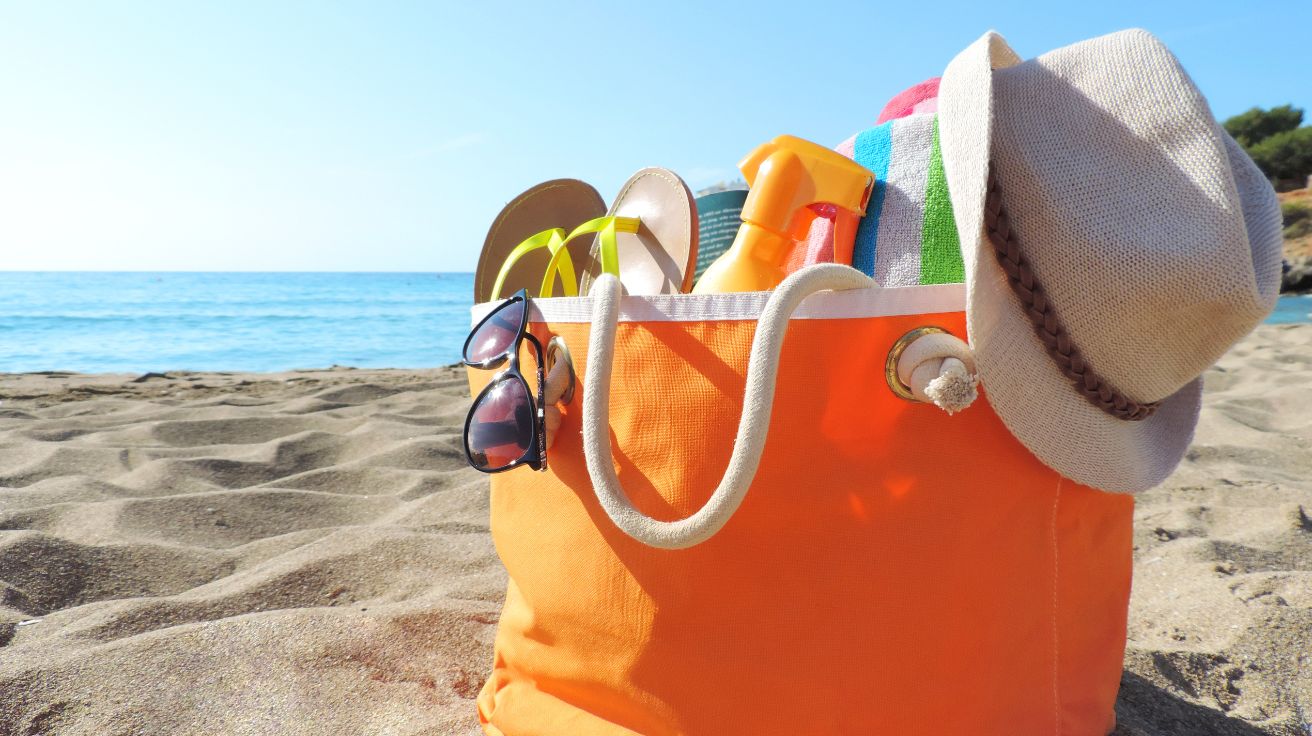
Start with sun protection. Bring a portable shade tent or umbrella. Include hats and swimwear that protects from UV rays. Don’t forget extra sunscreen.
Stay hydrated in the heat. Carry a large water bottle and add electrolyte packets to replace lost minerals. This helps prevent crankiness and fatigue.
Have a mini-first aid kit with bandages, wipes, and sting relief gel. Pack dry clothes for everyone. Add sand toys and a ball for fun without screens.
Don’t forget wet bags for swimsuits and a power bank to keep your phone charged.
Choosing the Right Transportation with Kids in Tow
Getting to the beach comfortably is important. Bali has different options, each with its own advantages for families.
Official Taxis (Blue Bird Group): These are reliable and metered. You can hail them or find them at stands. They usually don’t have car seats, so it’s best for older kids.
Ride-Hailing Apps (Grab or Gojek): These are convenient through your phone. You can choose larger cars. Use the app to ask if they can carry your stroller or beach gear. Car seats are not available.
Private Driver with Car Seat: This is the best option for families. Book a driver through your hotel or a trusted tour company. Make sure they have a child car seat. This ensures safety and comfort on the way.
For big groups or lots of gear, a private minivan is a must. Always check the vehicle size and seat availability when booking.
Step 3: Implement Essential Beach Safety Practices
Finding a safe beach in Bali is just the start. It’s crucial to follow safety rules once you’re there. This ensures a fun and worry-free day for your family.
It’s about knowing how to handle the ocean, the sun, and keeping an eye on your kids. This step is all about being proactive and prepared.
How to Identify and Avoid Rip Currents
Even at the safest beaches, knowing about rip currents is key. These strong currents can pull you out to sea. Always check the water before swimming.
Look for a channel of rough water. The water might look murkier due to sand. Also, watch for seaweed or debris moving away from the shore.
If caught in a rip current, stay calm. Float to save energy and swim parallel to the shore to get out. Don’t swim against the current. Teach your kids these signs and steps to stay safe.
Managing Sun Exposure and Hydration
The sun in Bali is very strong. Protecting yourself from sunburn is essential. Use the right sunscreen and follow good habits.
Use a high-SPF sunscreen that’s safe for reefs. Apply it 30 minutes before going out and every two hours. Thinkbaby and Blue Lizard are good options for sensitive skin.
Wear UPF-rated clothing for extra protection. Rash guards and wide-brimmed hats are great. Drink water every 30 minutes, even if you’re not thirsty. For active kids, carry electrolyte solutions.
Establishing Water Supervision Rules for Your Family
Set clear rules to prevent accidents. Be active and clear in your supervision. For young ones, keep an adult close by.
Choose an adult to watch the kids in the water. This person should focus only on the kids, without distractions. Switch this role every 30 minutes to keep everyone alert.
For older kids, set boundaries. Tell them not to swim past a certain point. Use depth as a guide—”only swim where the water is waist-deep.” Following these rules makes safety a family habit, allowing everyone to enjoy Bali’s beaches.
Step 4: Enjoy the Amenities and Activities
The last step in your beach day plan turns a simple outing into a memorable family adventure. It’s about making the most of your time and being a good guest. You’ll want to be comfortable and have fun, while also respecting the local culture and environment.
Success means your kids are happy, you’re comfortable, and the beach is clean when you leave. Let’s see how to achieve this at Bali’s best family beaches.
Locating Kid-Friendly Food and Clean Restrooms
Finding good food and clean restrooms is key for a stress-free day. Bali’s family-friendly beaches offer many options. Local cafes, or warungs, serve dishes like nasi goreng and mie goreng, which kids love.
For pickier eaters, try fruit stalls for fresh pineapple or watermelon. In places like Nusa Dua or Sanur, you’ll find restaurants with Western kids’ menus. Packing extra snacks from your hotel is always a smart backup plan.
Clean restrooms are a must for parents. Public facilities can be basic. Use restrooms at nearby beach clubs, hotels, or restaurants for a small fee. They’re cleaner and more comfortable.
Choose a beach spot close to these places. This tip helps avoid mid-day emergencies and keeps everyone comfortable. It lets you relax and enjoy Bali’s top family beaches.
Organizing Beach Games and Non-Swimming Fun
Not every moment needs to be in the water. Beach games and activities add fun and safety breaks. Packable toys like frisbees, beach balls, or buckets for sandcastles are great.
Try activities without equipment too. Shell-collecting contests or drawing in the sand are fun. They spark creativity and give a cool-down in the shade.
Planning non-swimming fun is key for a great beach day with kids. It keeps energy levels right and prevents too much heat. A little planning means fun for everyone, even away from the waves.
Practicing Respect for Local Culture and Environment
Being a respectful visitor keeps these beautiful places wonderful for everyone. Start with your clothes. Swimwear is okay on the sand, but wear a sarong or t-shirt when walking to shops or restaurants.
Respect the environment too. Never touch or stand on coral reefs. They’re living and easily damaged. Also, avoid chasing or handling marine life in tidal pools.
The rule is “leave no trace.” Bring a small bag for your trash, including food wrappers and bottle caps. Many beaches have limited bins. Your effort keeps these places beautiful.
By being mindful and enjoying yourself, you help sustainable tourism. You teach your children to appreciate and protect nature during your beach holiday in Bali.
Conclusion
A perfect family beach day in Bali is all about relaxation and safety. You need a simple plan to make it happen. First, choose a safe beach for your family.
Then, pack smart and plan your timing. Stay safe from water and sun. And don’t forget to enjoy the local culture.
This guide shows you the best beaches in Bali for families. Places like Sanur and Nusa Dua have calm waters. Your choice makes your day stress-free.
Knowing what to expect helps you make memories. Use this guide to start your adventure. Bali’s beaches are ready for your family to explore.
Plan your visit and create your own story. Bali’s safe beaches are perfect for joy and connection.