

What if the most profound part of your Bali trip isn’t found on a beach? But in the misty hills among ancient temples and emerald rice fields?
Ubud is the celebrated cultural and spiritual heart of the island. It offers a depth of experience far beyond the typical resort getaway. This town invites you to connect with art, nature, and tradition on a more meaningful level.
Your journey here can be incredibly diverse. You might explore sacred monkey forests, witness breathtaking terrace landscapes, and browse vibrant art markets. You could also seek thrilling jungle adventures or find serene moments in a yoga shala.
This comprehensive guide is your key to unlocking those best offerings. It provides a step-by-step resource to plan an immersive and efficient visit. Let us help you craft an itinerary that captures the true essence of this remarkable destination.
Begin Your Journey in Ubud’s Cultural Center
Exploring Ubud’s culture is easier with a starting point. The town’s main road, Jalan Raya Ubud, is central. It’s close to all the ubud cultural sites and services.
How to Orient Yourself Upon Arrival
Start by getting to know the area. The palace and market are in a small, walkable zone. Near the main crossroads, you’ll find the tourist info center. It’s a great place to get a free map.
The streets can be crowded. Take a moment to watch the traffic and people. This helps you move easily through Ubud’s rich art, history, and spirituality.
Step 1: Visit the Ubud Royal Palace (Puri Saren Agung)
First, visit the Ubud Royal Palace, or Puri Saren Agung. It’s not just a museum; it’s a living piece of history. The royal family still lives here, adding to its charm.
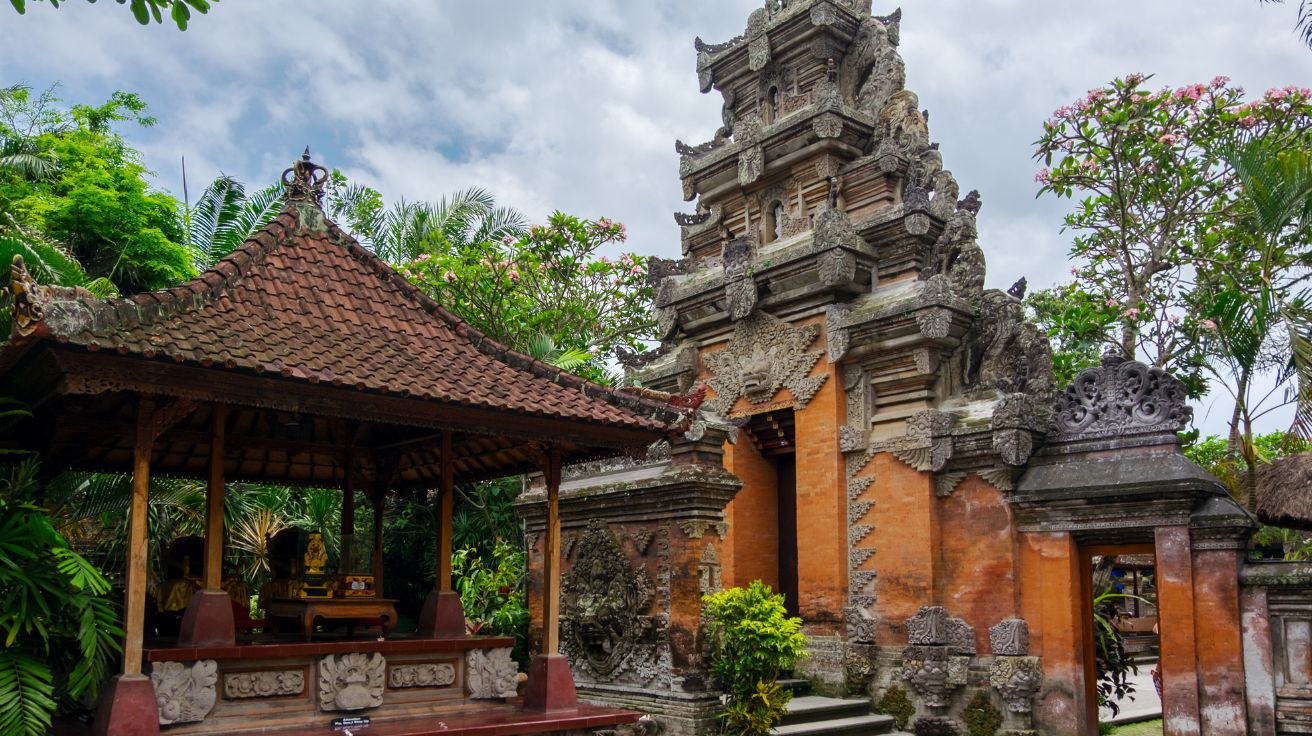
The palace shows off traditional Balinese design. You’ll see intricate stone carvings and beautiful gardens. As a former royal home, it’s a symbol of Ubud’s heritage. Walking through its gates takes you to the heart of Balinese culture.
Actionable Tip: Time Your Visit with an Evening Dance Performance
Visit the palace in the late afternoon. This way, you can see it in daylight and stay for the evening tradition. As dusk falls, the courtyard turns into a stage for Legong or Kecak dances.
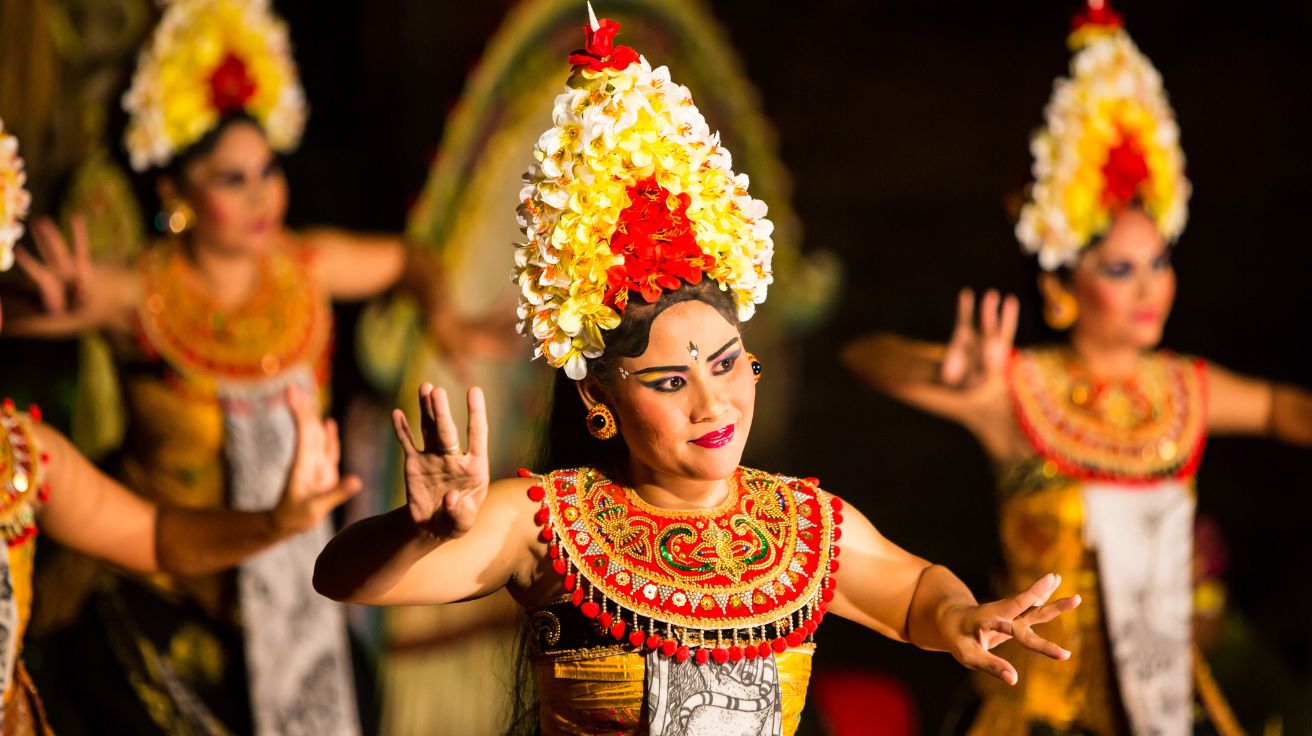
Watching dancers under the palace lights is unforgettable. You see two of Ubud’s greatest treasures: stunning architecture and lively tradition. This mix offers a deep dive into local ubud cultural sites.
Check the performance times in advance. Arriving early gets you a good seat for this amazing display of Balinese art.
Explore Sacred Temples and Spiritual Sites
Ubud is more than just a bustling place. It has serene sanctuaries that have drawn seekers for centuries. These sites are the heart of Balinese culture. Visiting them connects you deeply to the island’s soul, making them key top attractions Ubud offers.
Step 2: Experience Tirta Empul’s Holy Spring Water Ritual
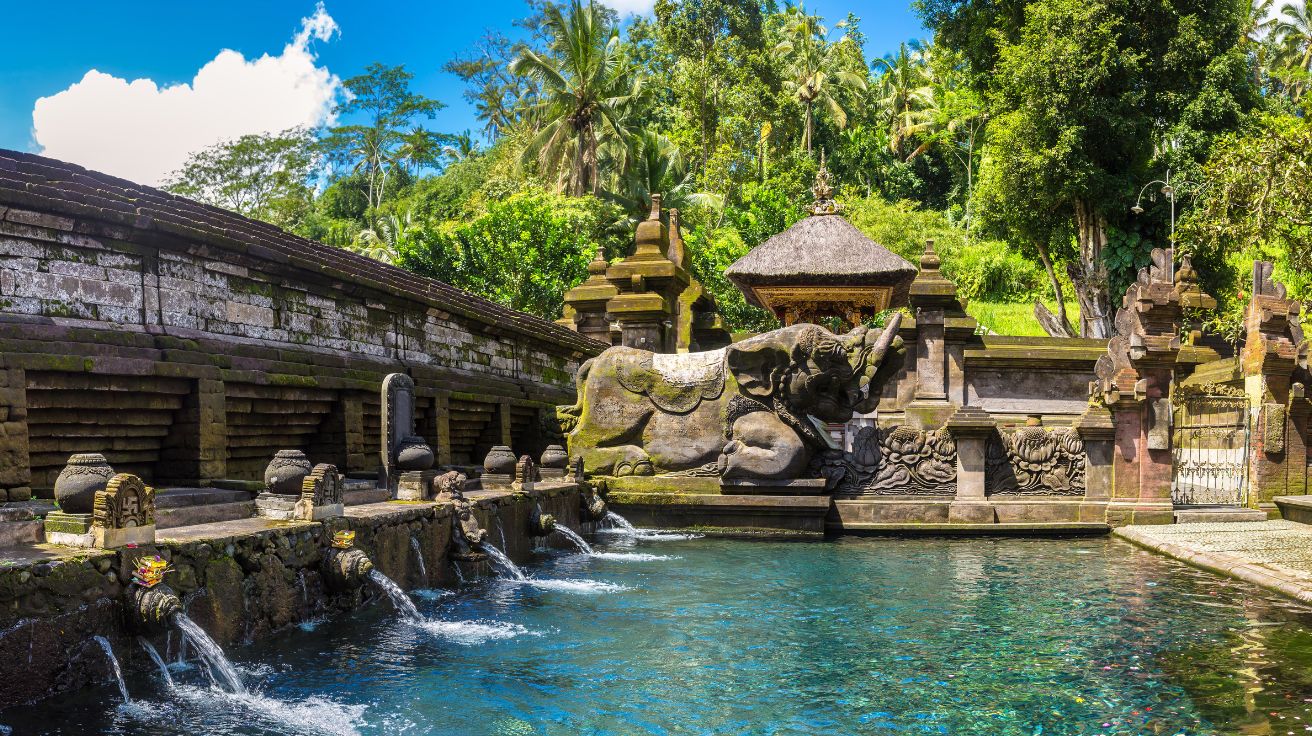
Tirta Empul, meaning “holy water spring,” is a temple built around a sacred mountain spring. For over a thousand years, Balinese Hindus have come here for melukat, a purification ritual. You’ll see people immersing themselves in the clear pools, fed by 12 fountains.
Detailed Instructions for Participating Respectfully
First, rent a sarong at the entrance if you’re not wearing the right temple attire. Buy a small offering (canang sari) from a vendor. Before getting into the water, watch the locals to understand the ritual.
Start at the first fountain on the left and move right, dipping your head under each spout. Avoid the final fountains, used for cremation rituals. Keep your head lower than the spouts as a sign of respect. This is a place of active worship, so stay quiet and contemplative.
Step 3: Discover the History at Goa Gajah (Elephant Cave)
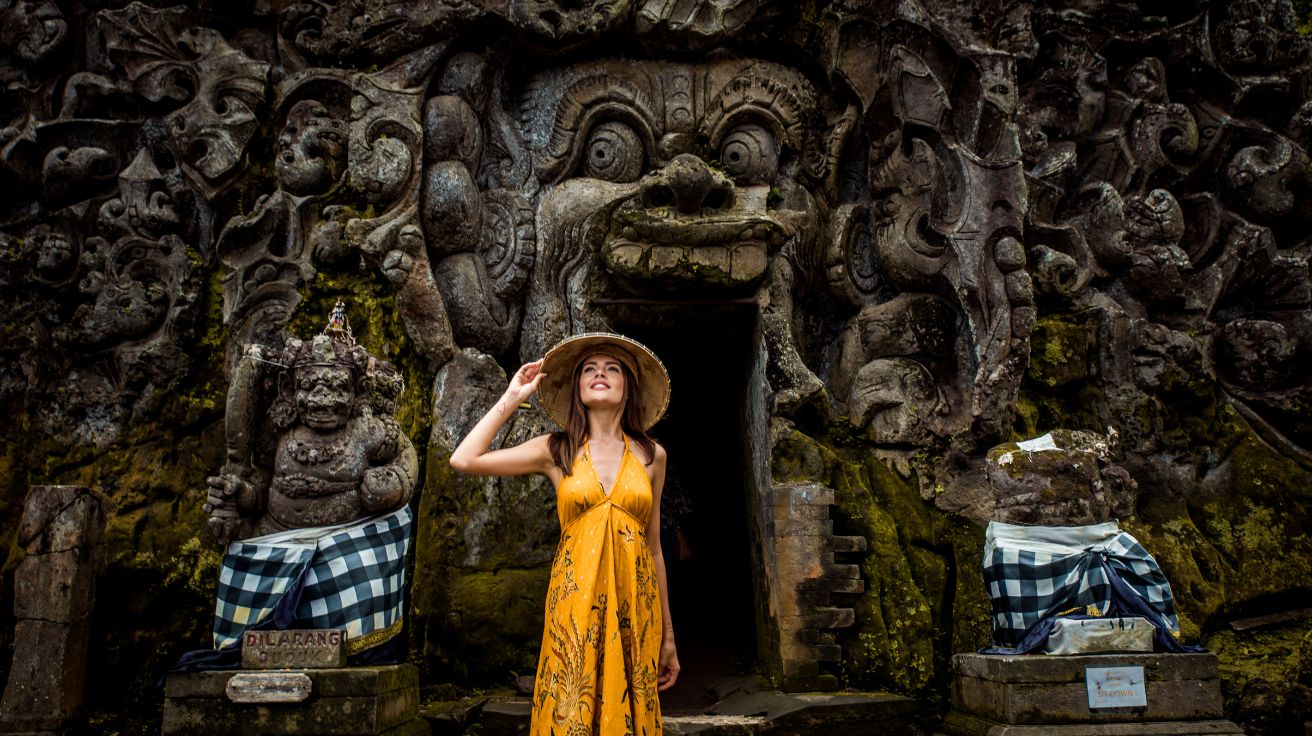
Goa Gajah’s name might suggest a link to elephants, but its true connection is unclear. The cave entrance features a dramatic stone carving of a menacing face, believed to ward off evil spirits. Inside, you’ll find a small meditation chamber with ancient Hindu shrines.
How to Navigate the Site and Understand Its Significance
The site is more than just a cave. Explore the area to find beautiful Buddhist rock carvings and excavated bathing pools. These pools have statues of celestial nymphs holding water vessels.
This mix of Hindu and Buddhist elements shows the site’s origins in the 9th century. It was a sanctuary for meditation. Walking the paths lets you fully appreciate this unique archaeological complex.
Step 4: Find Serenity at the Saraswati Temple
The Saraswati Temple, dedicated to the goddess of knowledge and arts, is a calm spot in central Ubud. Its stunning feature is the expansive lotus pond in front of the temple. The pink blossoms create a breathtaking scene, best seen in the morning.
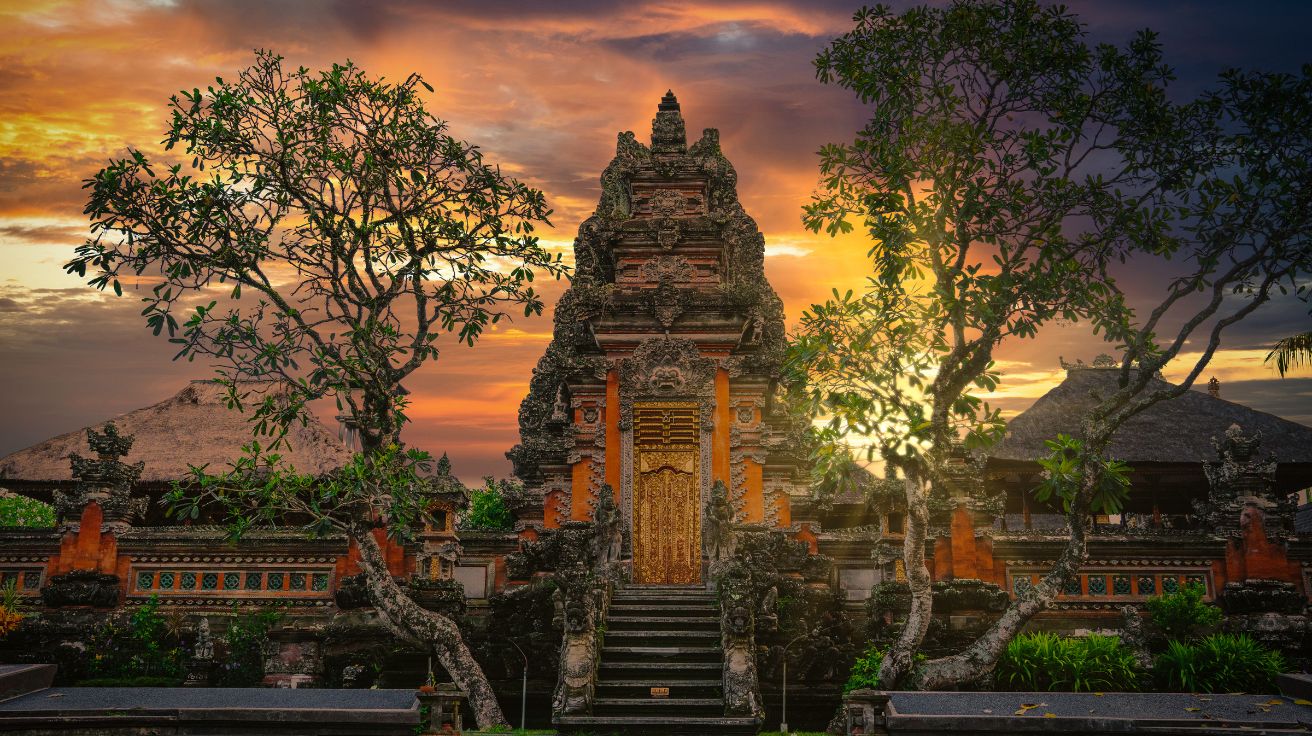
The temple’s architecture is intricately carved, with detailed stonework and statues. It’s a working temple but its open layout invites peaceful contemplation. This spot offers a quieter, more reflective experience compared to other top attractions Ubud is famous for.
Visit in the early hours to see the lotuses open and enjoy the most serene atmosphere. It’s a perfect place for quiet photography or a moment of personal reflection amidst your travels.
Trek Through Ubud’s Famous Rice Terraces
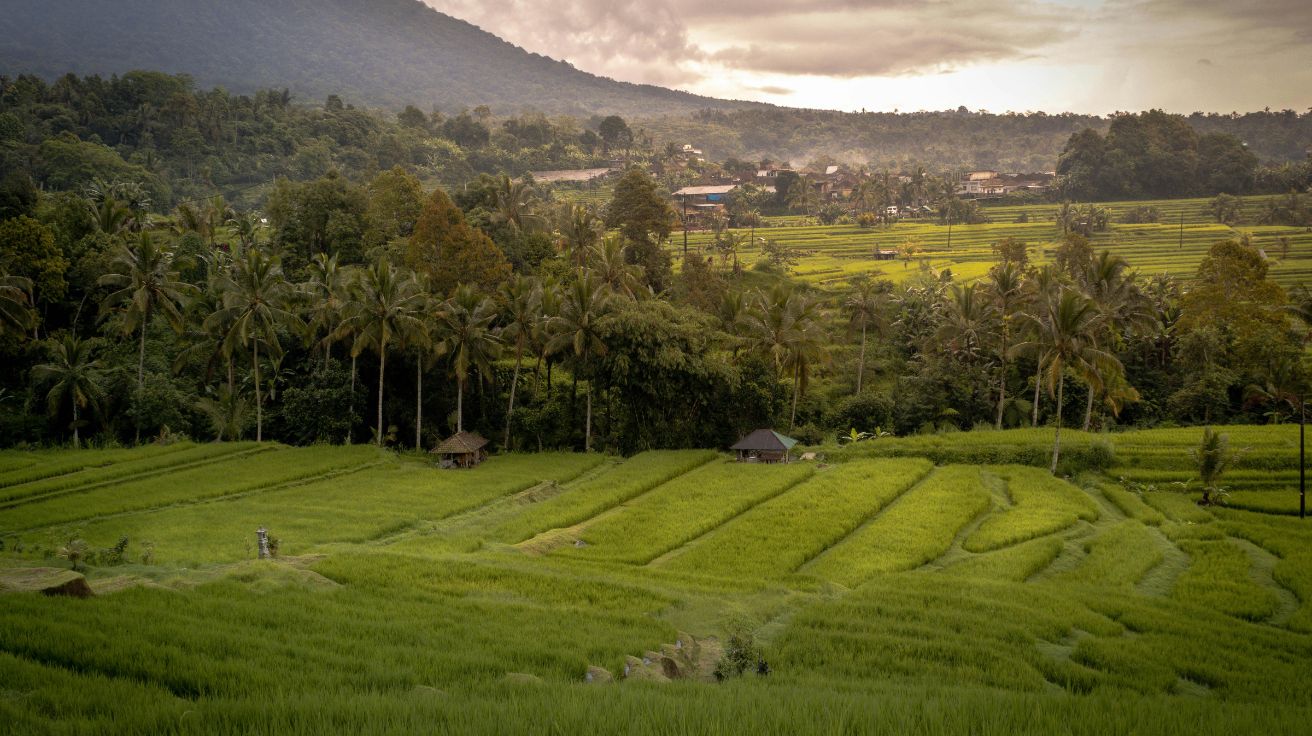
Ubud’s true magic lies in its stunning, green rice terraces. This landscape is the iconic backdrop of Bali. It’s a cornerstone of authentic ubud sightseeing. Trekking these paddies offers more than a photo op. It’s a chance to connect with the island’s agricultural soul and find profound peace.
You have several fantastic options, each with a distinct character. From the world-famous staircases of Tegalalang to the serene ridge paths, your adventure awaits.
Step 5: Walk the Tegalalang Rice Terraces
The Tegalalang Rice Terraces are the poster child of Bali’s beauty. Their dramatic, layered design is a masterpiece of traditional Subak irrigation. To enjoy them fully, strategy is key.
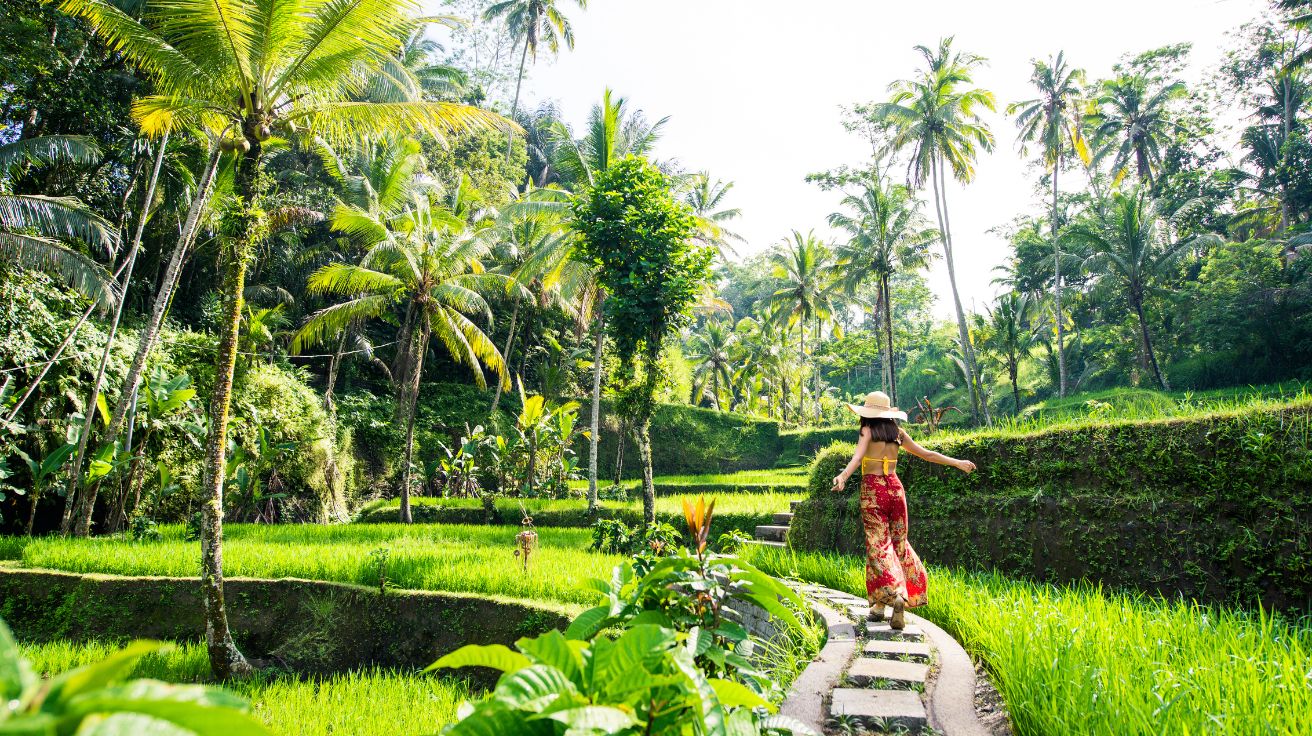
Arrive as early as possible, ideally by 7:30 AM. You’ll beat the tour buses and the intense midday sun. The morning light is also perfect for photography, casting soft, golden hues over the vibrant green.
Best Routes and Photo Tips for an Optimal Visit
Don’t just stop at the main entrance viewpoint. Walk down into the terraces themselves. Several small trails wind through the paddies, often marked by friendly local farmers.
For the best photos, descend a few levels. This gives you a more immersive perspective looking up across the sweeping curves. A wide-angle lens is ideal here. Be respectful of the farmers working; a smile and a polite “Selamat pagi” (good morning) go a long way.
You may encounter simple bamboo donation boxes or requests for a small fee to access certain paths. This is common and supports the local community.
Step 6: Hike the Campuhan Ridge Walk
For a completely different vibe, the Campuhan Ridge Walk offers a rejuvenating escape. This is a paved, gentle hiking trail along the spine of a ridge, with stunning valley views on both sides.
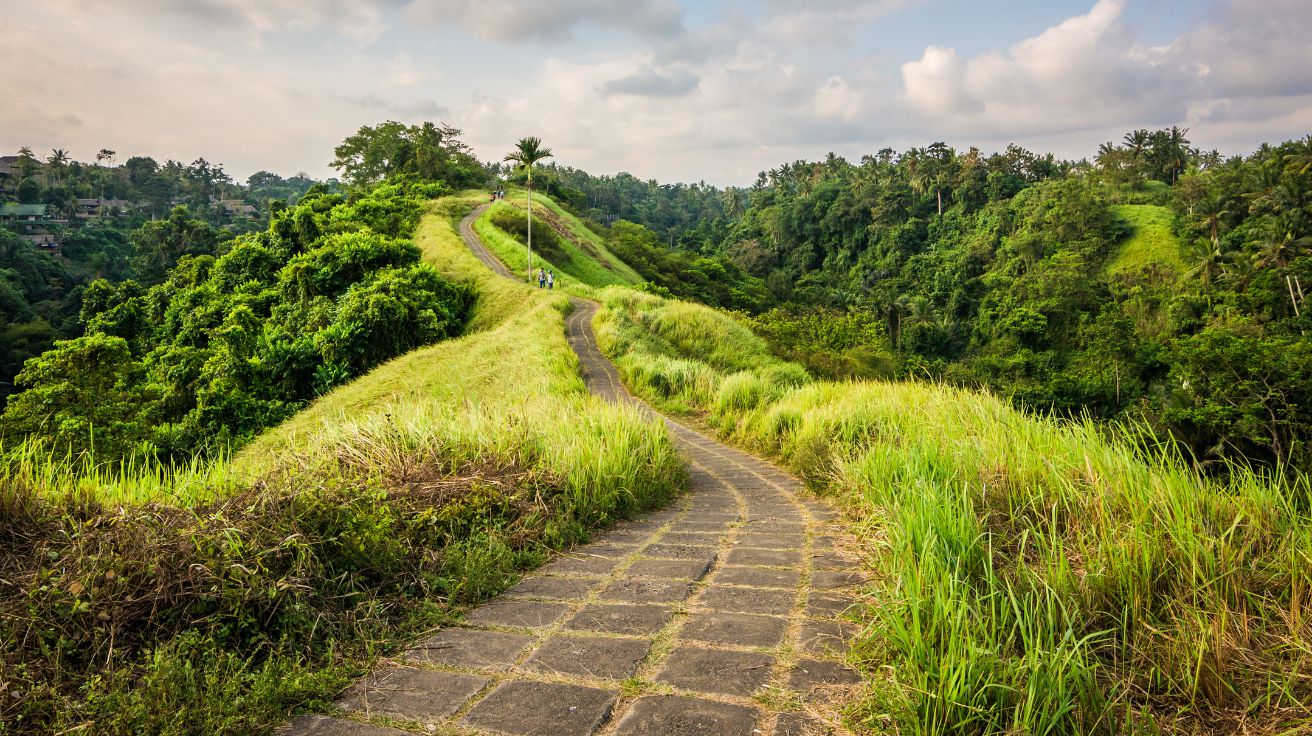
It’s a favorite for a morning jog or a peaceful sunset stroll. The path is lined with tall, swaying grasses and offers open, breezy vistas.
A Step-by-Step Guide from Start to Finish
The trailhead is tucked away near the Ibah Luxury Villas. From central Ubud, head west on Jalan Raya Campuhan. Look for the sign pointing to “Ibah” and the stone stairs leading down to the Wos River.
Cross the small bridge and follow the path up the other side. You’ll soon see the unmistakable, winding ridge path ahead. The walk to the end and back is about 2 kilometers total and takes roughly an hour at a leisurely pace.
Wear good walking shoes and bring water. There is little shade. At the end, you’ll find the charming Karsa Cafe, a perfect spot for a fresh coconut.
Immerse Yourself in Art and Tradition
To truly understand Ubud, you must engage with its living artistic heritage. This town is a creative epicenter where tradition meets expression. Your journey here offers profound ubud experiences that connect you directly with local culture.
From the lively bargaining at the market to the silent awe in a gallery, every moment is a lesson in Balinese artistry. Prepare to be captivated.
Step 7: Bargain for Souvenirs at the Ubud Art Market
The Ubud Art Market is a vibrant hub of color and craft. Located opposite the Royal Palace, it’s more than a shopping destination. It’s a window into the daily life and skills of local artisans.
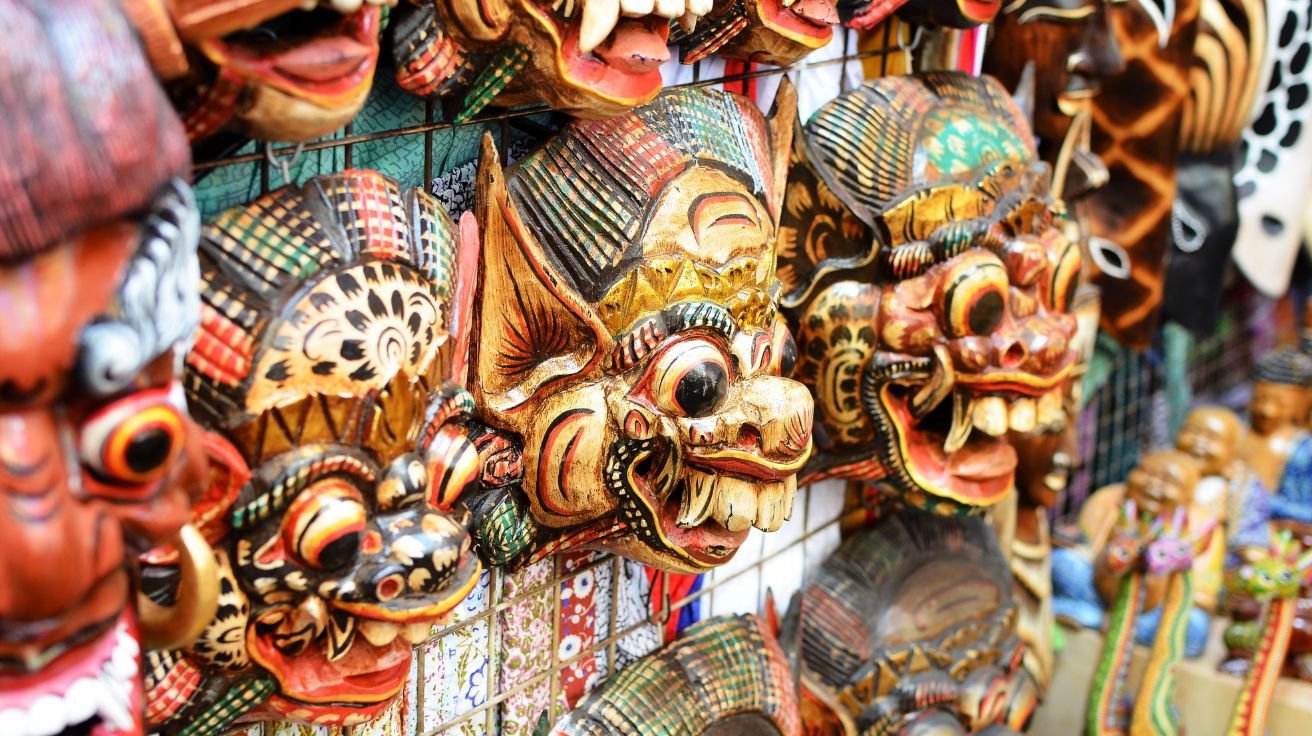
You will find hand-woven baskets, intricate silver jewelry, batik sarongs, and wooden carvings. Remember, the initial price is often a starting point for negotiation. This interaction is a cultural exchange, not just a transaction.
Approach it with a smile and respect for the craft. This is one of the most authentic ubud experiences you can have.
A Stepwise Guide to Respectful Negotiation
First, take your time to browse and show genuine interest in an item. Ask the vendor about its creation. This builds rapport.
Second, when you ask for the price, be prepared to counter-offer politely. A good rule is to start at about 50-60% of the asking price. The vendor will likely meet you somewhere in the middle.
Third, always keep the negotiation friendly. If the price doesn’t fit your budget, thank them and walk away gracefully. They might call you back with a better offer.
Fourth, once a price is agreed, the deal is final. Shake hands, express your thanks, and enjoy your unique souvenir. This respectful approach ensures a positive experience for everyone.
Step 8: Appreciate Art at the Blanco Renaissance Museum
For a contrast to the bustling market, visit the flamboyant home-studio of the late artist Don Antonio Blanco. Perched on a hillside, the Blanco Renaissance Museum is a testament to one man’s passionate vision.
The museum showcases his vibrant, often romantic, and surreal paintings. His unique style blends Renaissance techniques with Balinese themes.
The grounds themselves are a work of art, with manicured gardens, exotic birds, and panoramic views. You can learn about the artist’s fascinating life and see his studio preserved as he left it.
This visit offers a more contemplative but equally rich layer to your ubud experiences.
Step 9: Attend a Legong or Kecak Dance Performance
No visit to Ubud is complete without witnessing its legendary dance dramas. These performances tell ancient Hindu epics through precise movement, expressive gestures, and captivating music.
The Legong dance is characterized by intricate finger movements, dramatic eye expressions, and luxurious costumes. The Kecak dance, or “monkey chant,” is performed by a circle of dozens of men chanting rhythmically. It is a powerful and mesmerizing spectacle, often depicting scenes from the Ramayana.
Venues like the Ubud Palace or Pura Dalem Ubud host regular evening shows. Attending one is a cornerstone of cultural ubud experiences.
How to Select and Book Your Tickets
First, decide on the type of performance. Legong is more classical and graceful, while Kecak is rhythmic and intense. Research the weekly schedule, as different venues feature different dances on different nights.
For popular venues, booking tickets a day in advance is recommended, even during peak season. You can book through your hotel, a local tour agent, or sometimes directly at the venue box office.
If you’re flexible, you can often buy tickets at the door for less crowded shows. Arrive at least 30 minutes early to get a good seat. The performances usually last about an hour, making them a perfect after-dinner cultural activity.
Remember to dress respectfully, as these are sacred artistic traditions. Silence your phone and immerse yourself in the story. This unforgettable experience will deepen your connection to Bali’s soul.
Seek Adventure in the Great Outdoors
Ubud is more than just temples and art markets. It’s a gateway to thrilling outdoor activities. The valleys, rivers, and forests around Ubud are perfect for adventure. You can switch from quiet moments to exciting ones.
This guide will show you three ways to explore Ubud’s wild side. Each activity needs some planning for safety and fun.
Step 10: Go White Water Rafting on the Ayung River
White water rafting on the Ayung River is a top Bali adventure. You’ll paddle through lush gorges, see waterfalls, and ancient rock carvings. The rapids are Class II to III, great for beginners and families.

A half-day trip leaves you feeling refreshed. It offers a new view of the island’s beauty.
How to Choose a Reputable Operator and What to Wear
Your safety on the water depends on your guide and gear. Pick a company with a good safety record and professional guides. Look at recent reviews for their safety briefing.
Wear the right clothes for comfort. Choose water-friendly shoes that won’t slip. Wear swimwear or quick-dry clothes. Bring a change of clothes for later.
Most operators give you a helmet, life jacket, and paddle. You can enjoy the scenery and fun without worry.
Step 11: Take a Cycling Tour of the Villages
Explore Ubud’s backroads by bike for a slower adventure. These tours start in the highlands. You’ll ride down through villages and rice fields.
This is a great way to see Balinese life up close. You might see farmers or locals at family temples.
Preparing for Your Ride: A Checklist
Preparation makes your bike tour enjoyable. Use this checklist before booking and leaving.
First, check the bike fit and if helmets are provided. Wear comfy clothes for the weather and modest enough for village visits.
Apply sunscreen and insect repellent before starting. Carry water and a small backpack for your camera. Tell the tour leader about your fitness level. They can adjust the route.
Step 12: Visit the Bali Bird Park for a Unique Encounter
The Bali Bird Park is a unique adventure. It’s a world-class aviary with over 1,000 birds from 250 species.
Walk through open-air enclosures that mimic Indonesian rainforests and other habitats. It’s educational and beautiful.
The best part is the chance for close-up interactions. You can feed a lory parrot or see birds of prey fly. It’s a great, family-friendly adventure in Ubud.
Ultimate List of Ubud Things to Do for Wellness
Ubud is a place where you can nourish your body and mind. It’s filled with ancient Balinese traditions. This town is a global hub for holistic healing, offering many wellness experiences.
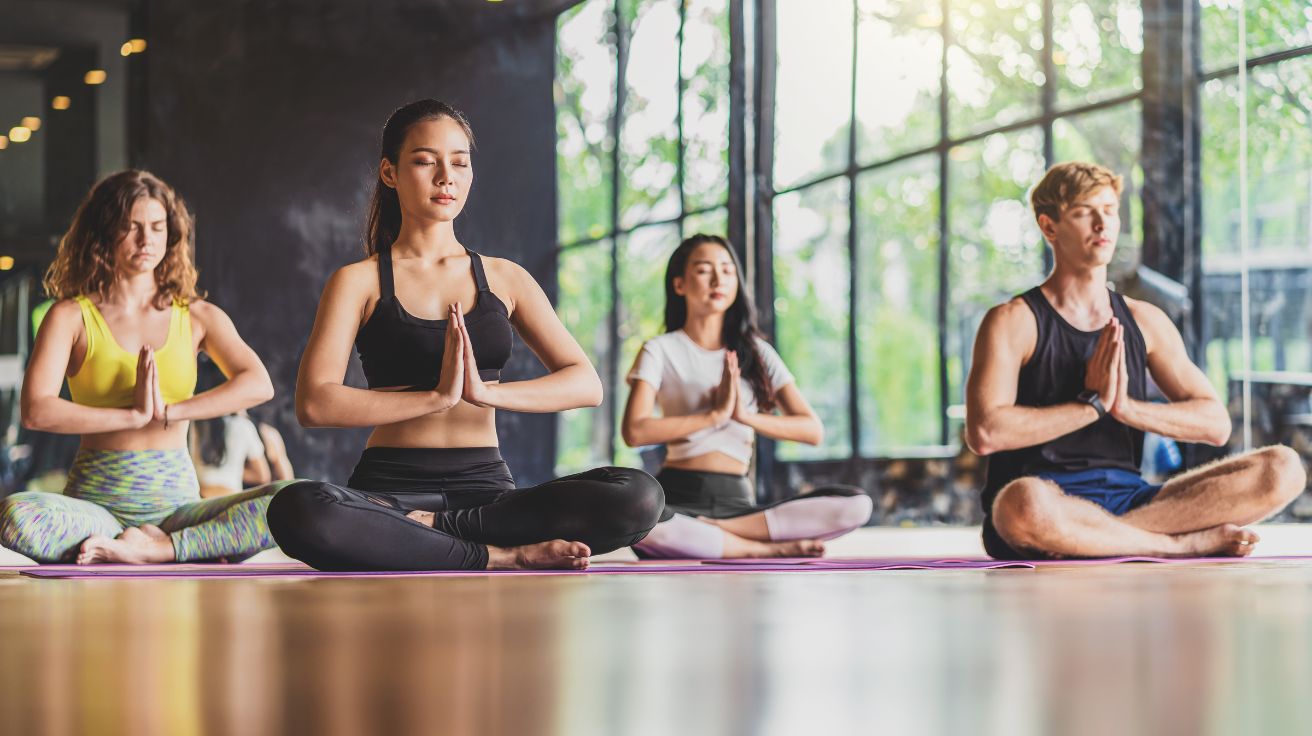
From sunrise yoga to therapeutic touch, you can dive into local customs. These practices help you rejuvenate and connect with the community.
Step 13: Join a Yoga Class at a Leading Studio
Yoga is a key part of the Ubud wellness journey. Studios here welcome all levels, from beginners to advanced practitioners. The Yoga Barn and Radiantly Alive offer a variety of classes, from Vinyasa to Hatha.
The studios are set in open-air shalas surrounded by greenery. The sounds of nature enhance your practice, unlike a gym.
How to Book and Prepare for Your First Session
Booking your class is easy. Most studios have websites for schedules and passes. Book morning sessions a day in advance.
Wear comfy, breathable clothes. Studios provide mats and props. Bring a towel and water bottle. Arrive early to settle in and inform the teacher about injuries.
Step 14: Enjoy a Traditional Balinese Massage
A Balinese massage is essential for wellness. It combines acupressure, strokes, and stretching to release tension. It’s more than a spa treatment.
Choose a place known for authentic Balinese techniques. While resorts offer luxury, skilled therapists work in smaller places.
Steps to Finding an Authentic and Clean Spa
Look for spas that use traditional Balinese methods. They often use local oils and focus on holistic healing.
Check for cleanliness and professionalism. A good spa has well-kept facilities and trained therapists. It’s okay to ask about their training and products.
Read recent reviews for comments on technique and hygiene. The most transformative massages often come from experienced therapists, not fancy rooms.
Step 15: Participate in a Meditation or Sound Bath
Guided meditation or sound healing can deepen relaxation. These practices quiet the mind and reduce stress. Ubud offers them in a welcoming way for newcomers.
Meditation sessions focus on mindfulness and breath. Sound baths use instruments to create vibrations for calm.
How to Find a Reputable Session
Many studios and wellness centers host meditation and sound baths. Check community boards or online events in Ubud. Sessions with experienced facilitators ensure a safe space.
Wear loose, comfy clothes and come with an open mind. These are among the most profound and calming best activities in Ubud. They offer a chance to connect with yourself and Bali’s peaceful energy.
Savor Ubud’s Culinary Delights
Ubud is more than temples and terraces. It’s a feast for your taste buds. Explore the local food scene, blending ancient recipes with modern wellness trends. This guide will lead you to cooking classes, hidden eateries, and famous coffee tastings.
Step 16: Enroll in a Balinese Cooking Class
A Balinese cooking class is essential. It’s not just about recipes; it’s diving into the island’s culture and spices. You’ll learn skills to enjoy every bite back home.
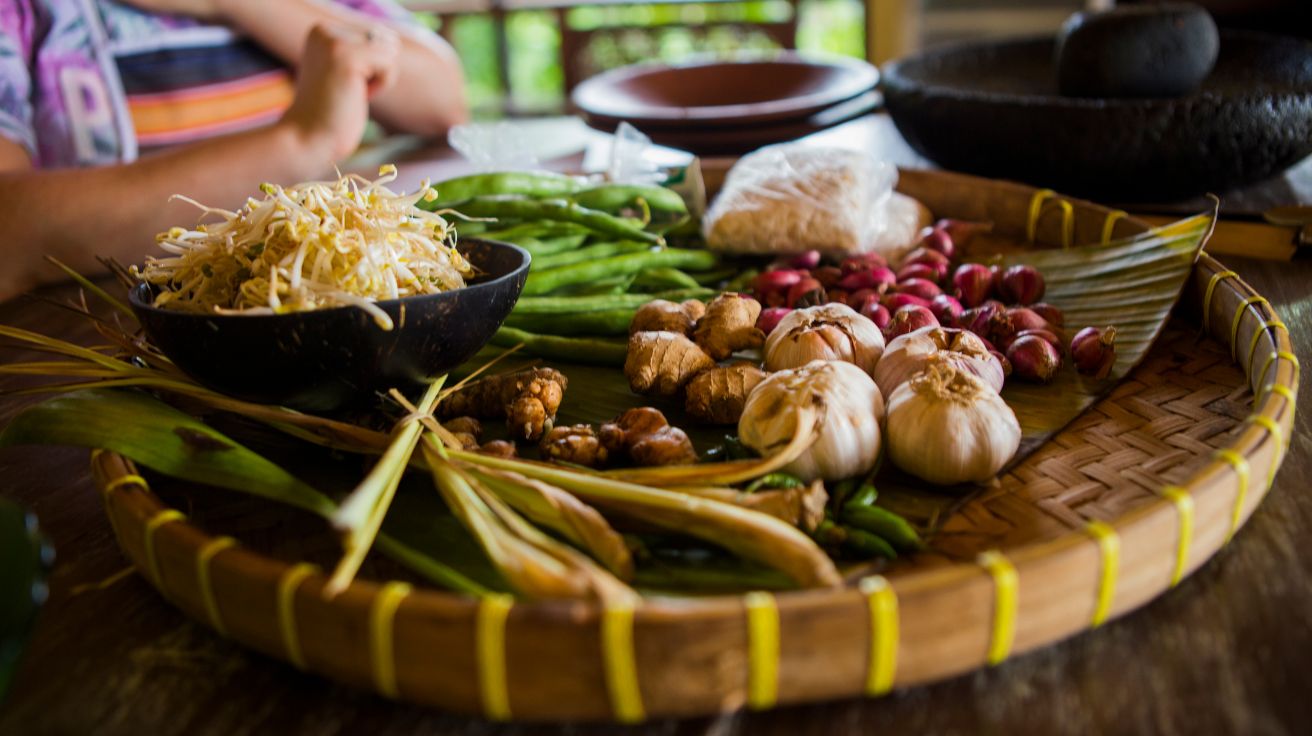
From Market Visit to Plate: The Typical Class Flow
Classes begin with a market visit. Your guide will show you exotic ingredients like galangal and turmeric. You’ll learn to pick the best produce and spices.
In the kitchen, you’ll make traditional spices with a mortar and pestle. This “bumbu” is the heart of Balinese flavor. You’ll cook dishes like curry and satay, then enjoy the feast you made.
Step 17: Dine at Local Warungs and Trendy Cafés
Ubud’s dining scene is a mix of tradition and innovation. For real meals, try the Ubud warungs. They offer hearty dishes at a low cost. For something new, check out the stylish cafés with health-conscious options.
How to Order and Must-Try Dishes
At a warung, point at dishes in the glass display. Say “Nasi campur, satu” for mixed rice. Ask “Ini pedas?” if it’s spicy.
Don’t miss these must-try dishes: Babi Guling: Suckling pig with spices. Nasi Campur: Rice with various meats and vegetables. Lawar: Vegetable salad with coconut and meat. Satay (Sate): Grilled meat with peanut sauce.
Step 18: Tour a Luwak Coffee Plantation
Understanding Luwak coffee is key to Ubud’s culinary scene. This coffee is made from beans digested by the Asian palm civet. A visit to a plantation explains how it’s made.
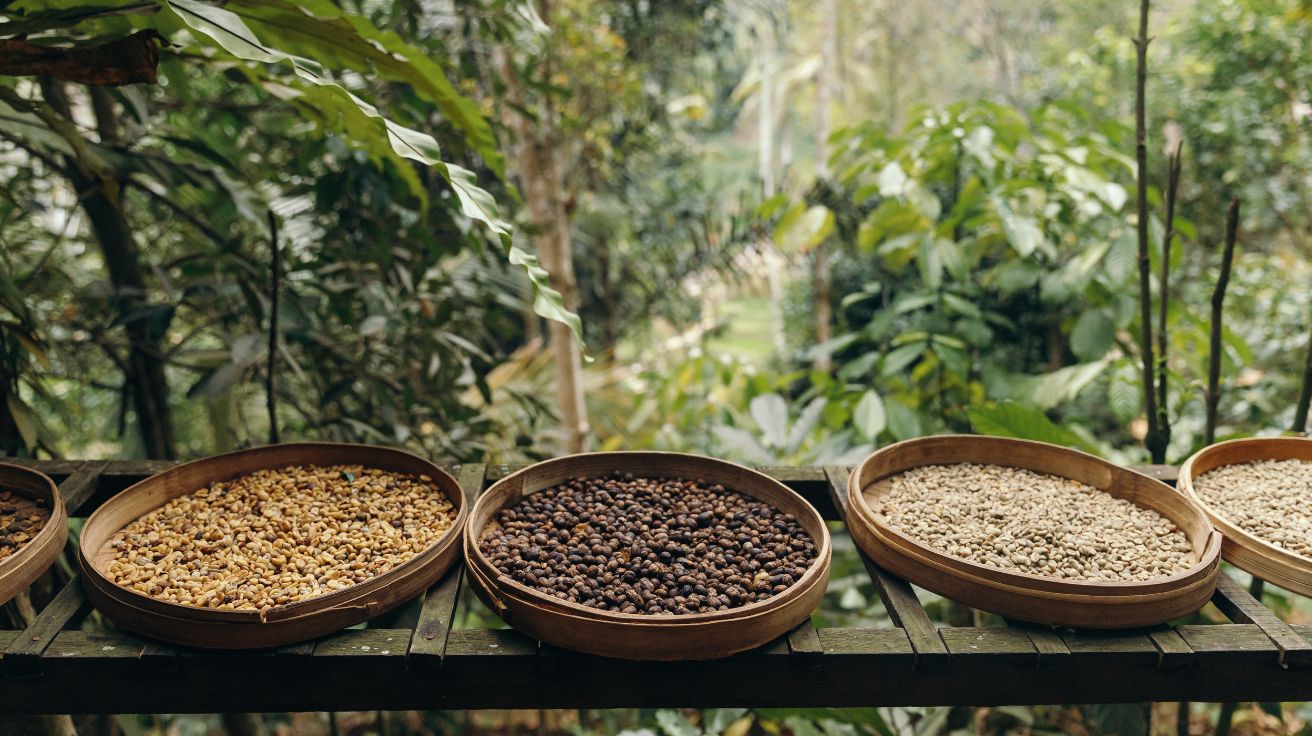
Walk through gardens with civets and other crops like cocoa. The highlight is tasting teas and coffees, including Luwak coffee for a fee. It’s smooth and unique, with a memorable setting.
Venture Out on Day Trips from Ubud
Ubud is amazing, but there’s more to Bali. Taking ubud day trips lets you see volcanoes, photo spots, and wildlife. These trips make your adventure even better.
Step 19: Trek Mount Batur for Sunrise
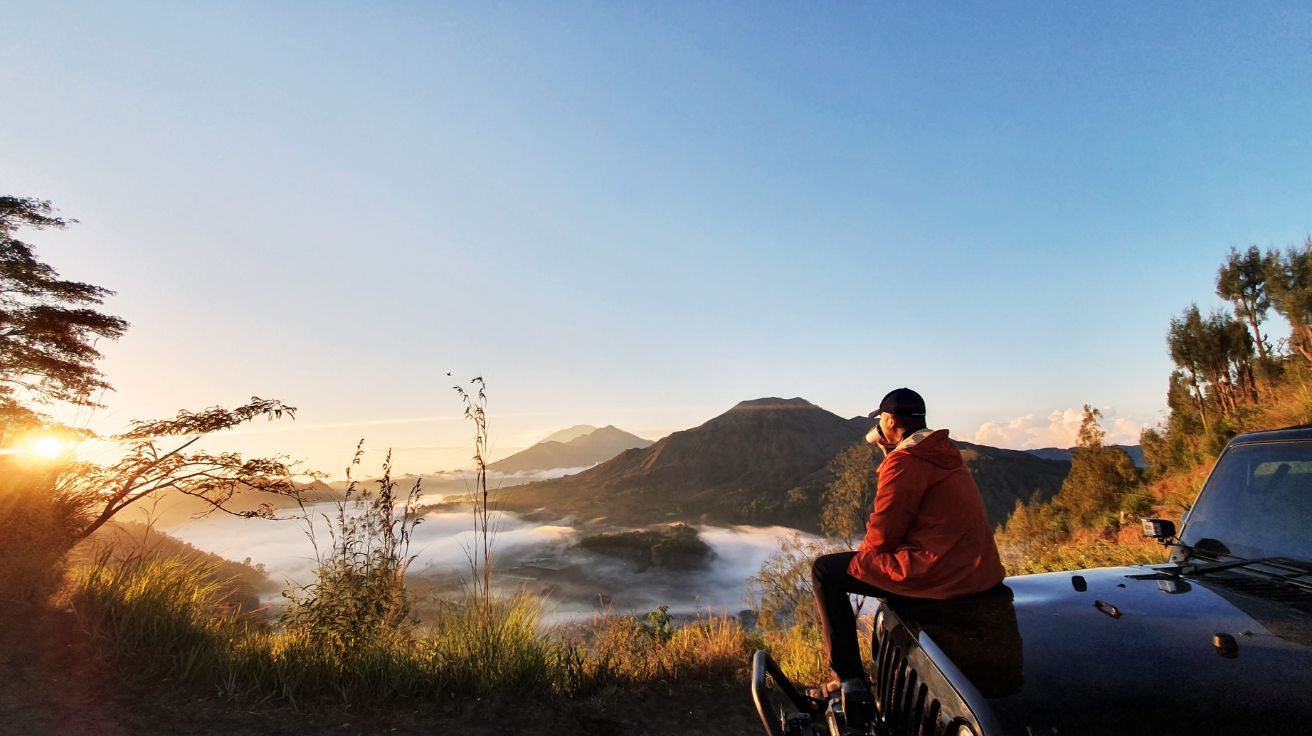
Seeing sunrise from a volcano is unforgettable. The Mount Batur trek starts before dawn. It offers stunning views. You’ll need a guided tour.
A Step-by-Step Guide from Booking to Summit
First, book with a trusted Ubud operator. Tours usually pick you up at 2 AM. Dress in layers and wear good hiking shoes.
The hike is about two hours in the dark. Guides use flashlights. The path is mostly easy, but some parts are steep.
At the summit, you’ll see a beautiful sunrise. Guides might cook breakfast using steam from the volcano. The descent is just as beautiful, with daylight views.
Step 20: Experience the Tegallalang Swing and Nearby Waterfalls
This ubud day trip is thrilling and beautiful. The Tegalalang swing offers a great view. You can also visit Tegenungan Waterfall.
How to Capture the Iconic Swing Photo Safely
Always wear a harness securely. Listen to staff before swinging. For the best photo, go early to avoid crowds.
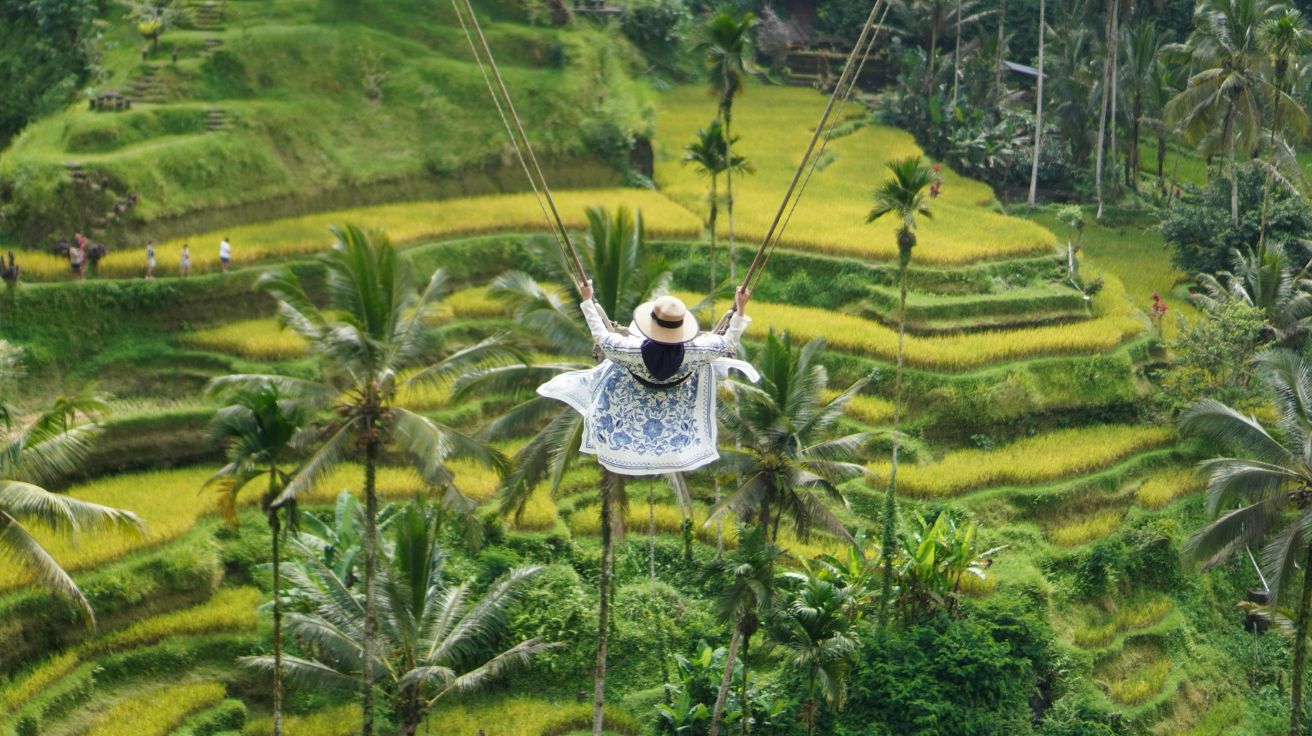
Wear a long dress for a dramatic photo. Ask your photographer to use burst mode. Keep your arms wide and smile for a memorable photo.
Step 21: Explore the Sacred Monkey Forest Sanctuary
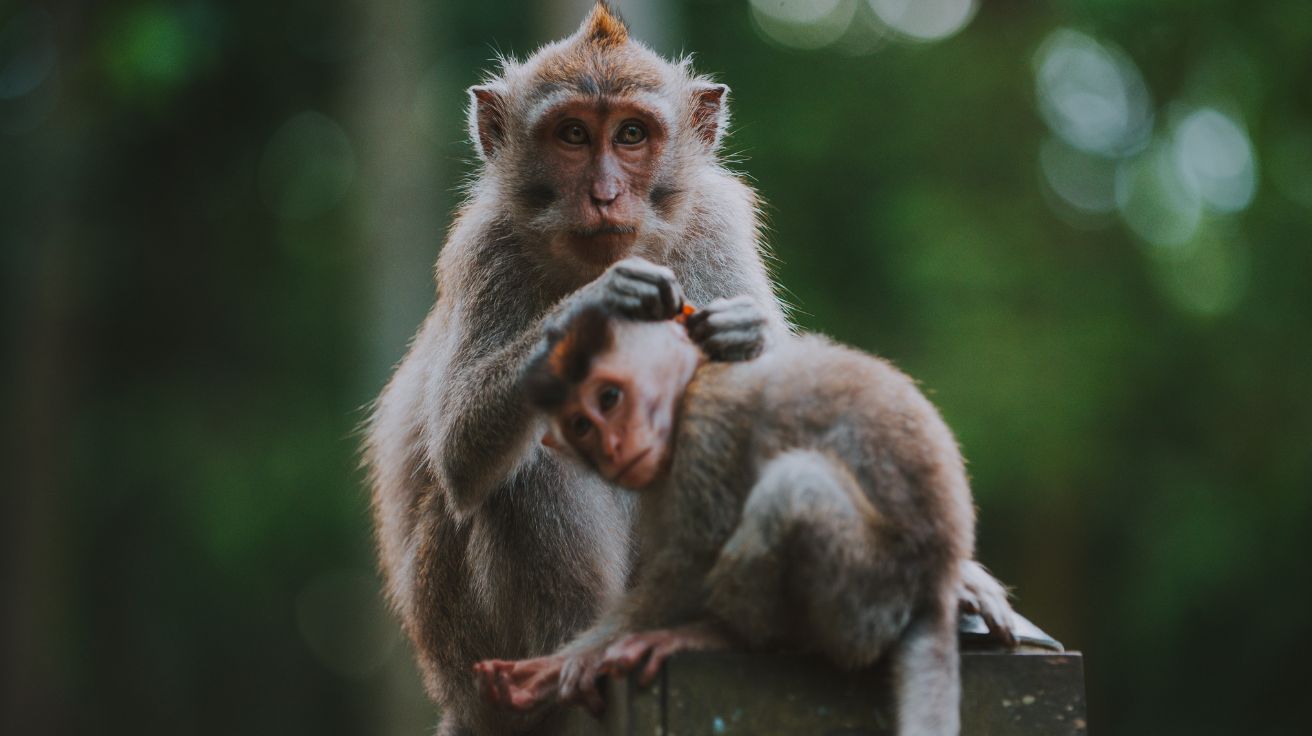
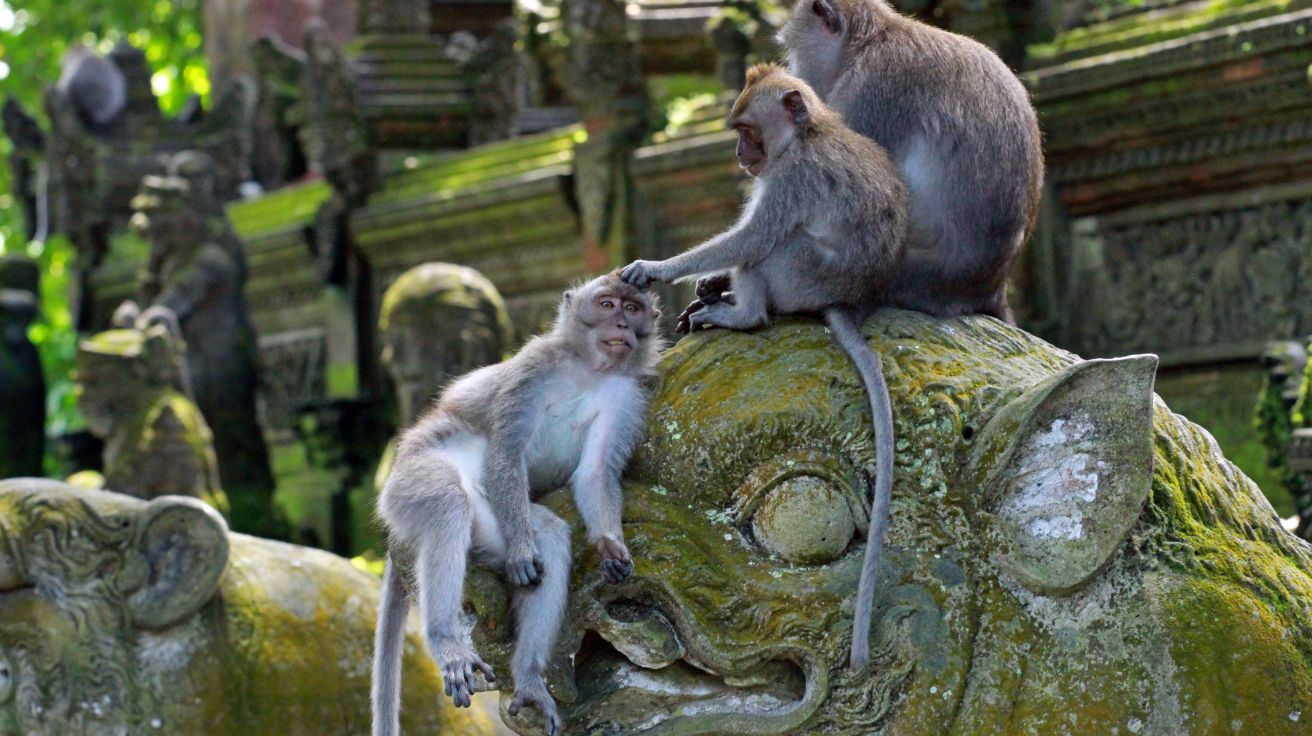
The Monkey Forest is in Ubud’s heart. It’s a dense forest with hundreds of incredibly playful monkeys. Visiting is a unique experience that requires preparation.
Guidelines for Interacting with the Monkeys
Keep your belongings safe. Monkeys might take sunglasses or phones. Don’t bring outside food, as it attracts them. Avoid eye contact, as it can be seen as threatening.
Never touch or feed the monkeys. If a monkey jumps on you, stay still. They usually leave quickly. Follow these rules for a safe and interesting visit.
These three places are great for adding to your Ubud trip. Each offers a unique and memorable experience.
Conclusion
This guide has shown you all the amazing things to do in Ubud. You’ve seen cultural landmarks, peaceful temples, and stunning rice fields.
Ubud is special because it offers both calm and excitement. You can go from a yoga class to rafting in no time.
Think of this guide as a starting point. It lets you create your own Ubud trip, tailored to your interests.
The best trips mix planning with being open to new things. Don’t be afraid to explore and find hidden spots.
Visiting Bali’s cultural heart will leave you with unforgettable memories. Start planning your trip to Ubud and get ready for amazing experiences.