


What if your dream vacation to a tropical paradise included afternoon downpours and overcast skies?
Many travelers see the rainy season forecast and worry. They fear it will ruin their plans.
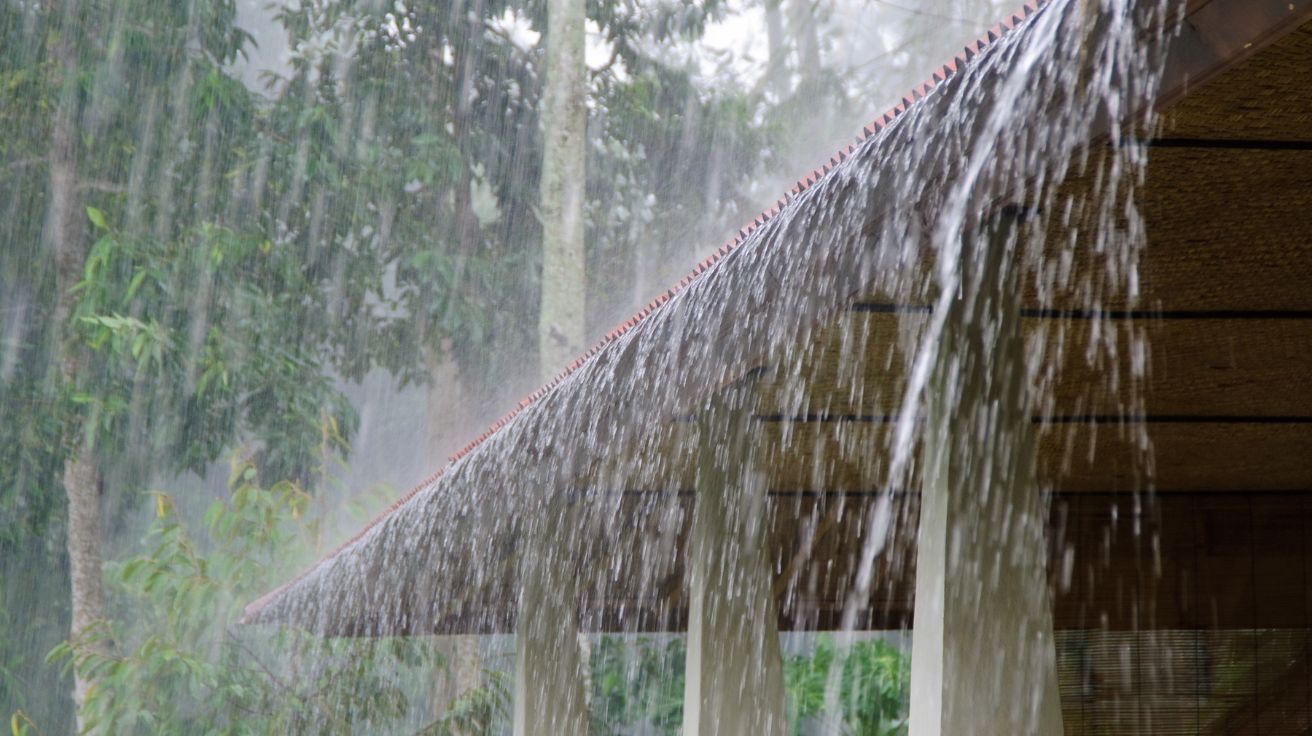
This view misses Bali’s true magic. The wet weather is a key part of the island’s charm.
This guide will show you how to enjoy it. You’ll learn about the tropical showers and monsoon.
Most importantly, you’ll see how to turn potential disruption into a special travel experience. Let’s change how you see rainfall in this amazing place.
Understanding Bali’s Rainy Season
To truly appreciate Bali during the rains, you first need to grasp the fundamentals of its tropical monsoon cycle. This knowledge allows you to plan effectively and embrace the season’s unique offerings. Let’s break down the two most important aspects: timing and behavior.
When Does the Rainy Season Occur?
The typical wet season in Bali runs from October through April. But, this is just a general guide, not a strict rule. The heaviest rains often arrive between December to February.
It’s crucial to understand regional variations across the island. The southern tourist hubs like Kuta and Seminyak might experience a slightly different pattern than the central highlands around Ubud or the northern coast. The balinese rain season is not a single, island-wide event.
Remember, this period is not a constant deluge. You will still encounter many hours of sunshine and dry days. The key is expecting intermittent, often predictable, rainfall.
The Pattern of Tropical Rainfall
Rain in Bali follows a classic tropical pattern. You can expect short, intense downpours rather than all-day drizzle. These bursts are powerful but usually last for an hour or two.
They frequently occur in the late afternoon or evening. This pattern allows for sunny mornings perfect for exploration. After the rain passes, the skies often clear quickly, leaving the air fresh and clean.
This is fundamentally different from the prolonged, gray rain common in temperate climates. The intensity can be surprising, but the brevity is a relief. Planning your day around this rhythm is your best strategy for enjoying the wet season in Bali.
What to Expect When It’s Raining in Bali
When it rains in Bali, you’ll see sudden, strong downpours. The weather can change from sunny to rainy quickly. Knowing this helps you enjoy your trip more.
Intensity and Duration of Showers
Balinese rain showers are intense but short. They can start suddenly, with heavy rain hitting roofs and leaves. These showers usually last about an hour or two.
Rain is most common in the late afternoon or evening. Mornings are usually dry and clear. This lets you plan outdoor activities for the morning.
During a tropical rain Bali event, the sound is loud and steady. Visibility drops a lot during the heaviest rain.
Effects on Temperature and Humidity
Rain brings relief from the heat. Temperatures can drop a few degrees during a shower. This makes the air feel cooler and refreshing.
After the rain, the air feels muggier. This is because moisture evaporates from wet surfaces. You’ll notice this change right after the rain stops.
Choosing the right clothes is important. Wear light, quick-drying fabrics for comfort. Carrying a light layer helps you adjust to the changing weather.
The air smells fresh after the rain. You’ll notice the scent of damp earth and plants. This is a lovely part of Bali’s rainy season.
Essential Preparations: Your Rainy Season Packing List
Getting ready for Bali’s rainy days can turn them into fun adventures. The right gear helps you stay dry and comfortable. This list includes must-haves for enjoying rainy day activities Bali offers.
Rain Gear and Appropriate Footwear
A lightweight, packable rain jacket is a must. Choose breathable materials to fight off humidity. Quick-dry clothes, like synthetic or merino wool, keep you comfy even in the rain.
A compact travel umbrella is also key. It shields you from sudden rain. For your legs, water-resistant pants or a lightweight sarong are great. They also serve as a cultural piece.
Choosing the right shoes is important. Waterproof sandals with good grip, perfect for wet paths. Quick-dry sneakers are good for longer walks. Heavy boots are not practical in Bali’s heat and take too long to dry.
Protecting Your Electronics and Essentials
Your phone, camera, and wallet need to stay dry. Get a high-quality waterproof dry bag or use zip-top plastic bags. Silica gel packs in your daypack help keep your camera lens clear.
Use a waterproof case for your phone. This lets you use it without worry. Always carry a portable power bank in a sealed bag. Humidity can drain batteries quickly.
For important documents, a waterproof document sleeve is a must. Store cash and cards in a water-resistant wallet. These steps keep your valuables safe, so you can enjoy the moment.
With these items, you’re ready for the rain. This smart approach makes the rain part of your adventure, not a problem.
Navigating Bali During the Wet Season
Exploring Bali in the wet season requires careful planning. You’ll face challenges, but with the right approach, you can stay safe and comfortable. Being proactive helps turn obstacles into part of your adventure.
Transportation Tips and Tricks
Roads can get slippery and flooded quickly. This is more common on smaller roads and in rural areas. Always plan for extra time when traveling, as traffic can slow down a lot.
Choosing the right transport is key. Scooters are flexible but not safe on wet roads. For longer trips or rainy days, consider a private driver or ride-hailing apps like Grab or Gojek. They offer safety and local knowledge.
If you rent a car, make sure it has good tires and wipers. Never drive through flooded areas, as it can damage your engine.
Checking the Bali rainfall forecast daily is wise. Weather apps give hourly updates. Use this to plan your day, doing outdoor activities when it’s dry and staying indoors when it rains.
Staying Safe and Healthy
Be careful on wet paths, as they can be very slippery. Wear shoes with good grip and hold onto handrails when available.
Watch out for mosquitoes, as they breed in still water. Use DEET-based repellent and wear long, light-colored clothes at night to protect yourself from diseases.
Stay hydrated, as the humidity can be high. Drink lots of bottled or filtered water, even if you’re not thirsty. Choose fresh, cooked meals from busy places to avoid food poisoning.
Carry a small first-aid kit with essentials like antiseptic and anti-diarrheal meds. Knowing where a good clinic or hospital is near your stay can give you peace of mind. This way, you can enjoy Bali’s beauty without worry.
How to Enjoy Indoor Activities and Cultural Immersion
Many travelers find the rainy season the best time to visit Bali for a real cultural dive. The rain gives you a break from outdoor fun. It lets you explore Bali’s rich art and spirituality in peace.
Visit Museums and Art Galleries
Bali’s museums are perfect for a rainy day. The Blanco Renaissance Museum in Ubud is a colorful gem. The Agung Rai Museum of Art (ARMA) is a calm journey through Balinese art.
These places are more than museums. They open doors to Bali’s artistic past. You can enjoy the details for hours, without the rain outside bothering you.
Explore Temples and Historical Sites
Visiting temples in the rain is magically serene. The rain makes the carvings shine, and the sound of raindrops adds peace. Famous sites like Tirta Empul are less crowded, offering a deeper connection.
Remember to dress right and bring a light rain jacket. The rain stops and starts, so you might see the sky clear. This makes visiting these places unforgettable.
Take a Balinese Craft or Cooking Workshop
For a real hands-on experience, try a local workshop. You can learn batik dyeing or make silver jewelry in Celuk village. These skills have been around for ages, and you get to make something special.
Cooking classes are also great. You’ll go to a market, learn about spices, and make dishes like Lawar or Satay. This lets you dive into Balinese life in a way the sun can’t.

Doing these activities helps local artists and keeps traditions alive. You’ll leave with memories, new skills, and a deeper love for Bali’s culture. It’s the best time to visit Bali for those who love culture.
How to Indulge in Wellness, Culinary, and Shopping
Your Bali adventure doesn’t stop when it rains. Instead, it moves to spa treatments, coffee, and shopping. The bali climate is perfect for these activities. You can relax and explore without worrying about the weather.
Book a Spa Day or Yoga Session
Bali is a top spot for wellness. The tropical air makes massages and scrubs feel perfectly relaxing. You can find world-class wellness centers in Ubud, Seminyak, or Canggu.
Try a traditional Balinese massage with native herbs and oils. Or join a yoga class in a peaceful, open-air studio. It’s a great way to connect with Bali’s spirit while staying dry.
Go Café Hopping or Take a Coffee Class
Bali’s café scene is amazing. In places like Canggu and Ubud, you’ll find cool spots with great coffee, healthy food, and Wi-Fi. It’s perfect for a rainy afternoon.

For a hands-on experience, take a Balinese coffee class. You’ll learn about local coffee growing and roasting. It’s a rewarding way to dive into Bali’s culture and flavors.
Shop at Traditional Markets and Modern Malls
Rainy days are great for finding unique souvenirs. Check out traditional markets like Ubud Art Market or Sukawati Art Market. They’re covered, so you can browse textiles, carvings, and jewelry comfortably.
For a different vibe, visit a modern mall. Beachwalk in Kuta or Bali Collection in Nusa Dua offer air-conditioned comfort and international brands. Whether you want artisan crafts or luxury goods, Bali has something for everyone.
Conclusion
Your trip to Bali doesn’t need perfect sunshine to be amazing. The island’s rhythm includes rain, which brings a unique adventure. With the right prep, you turn potential issues into unforgettable moments.
The wet season lets you see Bali’s true soul. The crowds disappear, the greenery blooms, and life slows down. It’s your chance for deep cultural dives, wellness, and tasty food without the rush.
Knowing the bali weather is key. It helps you plan flexibly, moving between outdoor fun and cozy indoor activities. Your flexibility makes the trip.
See the forecast as a chance, not a problem. Bring your adventure spirit and rain gear. A great trip is waiting, shaped by your flexibility and Bali’s magic.