
Ever dreamed of finding a place where culture and nature blend perfectly? We’ve always sought real travel experiences that linger in our hearts.
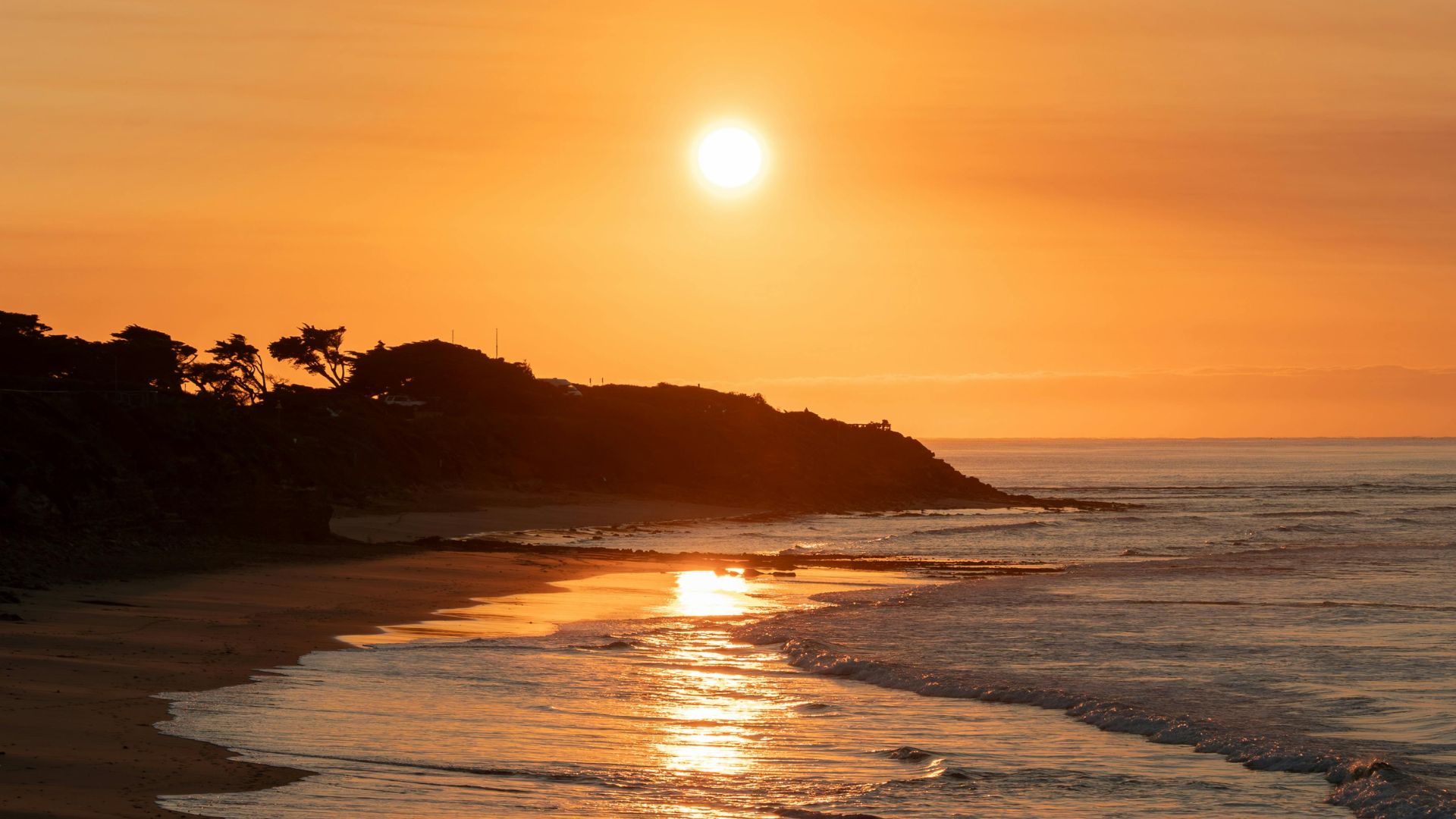
North Bali is a hidden gem, unlike Bali’s busy south. Picture yourself facing towering volcanic peaks and strolling on black sand beaches.
Here, the vibe is calm and untouched by mass tourism. You’ll find temples where traditions thrive and life moves to its own rhythm.
We made this guide to share north bali’s enchantment with you. Let’s explore why it’s a must-see on your travel list.
Discovering North Bali: Why This Region Stands Out
While southern Bali is known for its beaches and nightlife, North Bali is a different story. It offers a more genuine experience. Here, you can really connect with the island’s natural beauty and culture.
Unique Characteristics of North Bali’s Landscape
The landscape in North Bali is shaped by two huge volcanoes: Mount Batur and Mount Agung. These volcanoes create stunning views all over the region.
The volcanoes’ slopes are covered in lush forests and rice fields. This fertile soil makes Bali’s coffee and produce taste amazing. Waterfalls and jungle valleys add to the beauty, with natural pools for swimming.
North Bali’s beaches are unique, with black sand from volcanic minerals. This gives the coast a special look that’s different from the south.
How North Bali Differs from Southern Tourist Areas
North Bali is a world away from the busy south. It’s less crowded and offers a chance to really experience local culture.
The north has a slower pace of life. Traditional villages keep old customs alive, away from the south’s commercialism. Local eateries, or warungs, are more common than big restaurants.
Staying here means choosing eco-friendly resorts and small hotels. This supports local communities and sustainable tourism.
Nature is the main attraction in the north. You’ll find hidden waterfalls, untouched coral reefs, and trails to explore. It’s all about enjoying nature and culture, not just partying.
This area is what many dream of in authentic Bali tourism. It connects you with nature, culture, and a simpler life. North Bali reminds us why we fell in love with this island in the first place.
Best Time to Visit North Bali
Choosing the right time to visit North Bali can make your trip unforgettable. Our guide helps you understand the climate patterns of each season.

Understanding Bali’s Two Distinct Seasons
Bali has two main weather patterns. The dry season is from April to September, with lots of sunshine and little rain. It’s perfect for outdoor fun and beach time.
The wet season is from October to March, with more rain and green landscapes. North Bali gets more rain than the south because of its mountains. This makes the scenery beautiful but might change your plans.
Monthly Weather Guide for Optimal Travel Planning
April starts the dry season with temperatures around 82°F. May and June are great for diving in North Bali’s clear waters. These months are perfect for seeing marine life.
July and August are the busiest months, with little rain. Expect more people at popular spots. September starts the transition with some rain.
October to December gets wetter, with more rain in the afternoons. January and February are the wettest months, but the rain doesn’t last all day. March marks the start of the dry season again, with less rain.
Plan your trip around cultural events in North Bali. Festivals like Galungan and Nyepi happen all year. Our guide suggests checking local event calendars before you go.
For the best weather and fewer crowds, visit in April, May, September, or October. These months offer great weather and fewer tourists. Your perfect time depends on whether you want perfect weather or fewer people.
Essential Pre-Trip Planning Steps
Getting ready for your North Bali trip makes it unforgettable. We’ll talk about four key things to do before you go. These steps help you travel smoothly and enjoy North Bali to the fullest.
Step 1: Secure Proper Travel Documents and Visa
US citizens can enter Indonesia without a visa for 30 days if they’re just visiting. Make sure your passport is good for at least six months after you leave. Keep both digital and paper copies of your important documents with you.
Think about getting travel insurance that covers medical issues and trip delays. Many policies include activities you might do in North Bali. Keep your insurance info handy while you’re traveling.
Step 2: Create a Realistic Budget for North Bali Travel
North Bali is more affordable than the south. Plan to spend about $40-60 a day for mid-range travel. This covers your stay, food, transport, and fun activities.
Set aside money for special things like dolphin watching and temple tours. Not all places accept credit cards, so have enough Indonesian rupiah for everyday costs.
Step 3: Complete Health Preparations and Vaccinations
Talk to your doctor about getting vaccinated before going to Indonesia. You’ll likely need shots for hepatitis A and typhoid. Don’t forget to pack a medical kit with essentials like antiseptic wipes and bandages.
North Bali has mosquitoes all year. Bring insect repellent that’s safe for the EPA and think about taking antimalarial meds. Look up nearby hospitals before you arrive.
Step 4: Pack Appropriately for North Bali’s Climate
Wear light, breathable clothes for North Bali’s warm weather. Choose quick-dry fabrics for waterfalls and beaches. Always have a light rain jacket ready for sudden rain.
Wear the right clothes for temple visits. Bring sarongs or long pants and shirts that cover your shoulders. Good, waterproof shoes are a must for jungle walks and waterfall adventures.
Transportation Guide for North Bali
Getting around North Bali needs careful planning. The area’s unique geography makes smart transport choices essential. We’ll help you navigate every step of your journey.
Step 1: Book Flights to Bali’s International Airport
Most people land at Ngurah Rai International Airport. This modern airport is Bali’s main entry point. Booking flights early can save you money.
Look into connecting flights through major Asian cities. Direct flights from the US are rare. It’s wise to compare airlines for the best route.
Step 2: Arrange Transport from Airport to North Bali
The trip from the airport takes about three to four hours. Private drivers offer the most comfort. They meet you at arrivals and take care of your bags.
Shared shuttles are cheaper. Ride-sharing apps are good for small groups. Always check prices before you start your trip.
Step 3: Navigate North Bali’s Road Network Safely
North Bali’s roads wind through mountains and along the coast. Coastal routes offer stunning sea views. Drive carefully and watch for roadwork.
Local traffic moves slowly. The best time to drive is in the morning. Night driving requires extra caution.
Step 4: Choose Between Rental Cars and Local Transport
Rental cars give you freedom to explore. You’ll need an international driving permit if you’re a foreigner. Always check the vehicle before renting.
Local transport includes bemos and ojeks for short trips. Many prefer hiring drivers for longer trips.
Think about your comfort with unfamiliar roads. Mountain routes require confident driving. Our advice balances ease and safety.
Selecting Your North Bali Accommodation
Finding the perfect place to stay in North Bali makes your trip unforgettable. Your accommodation choice sets the mood for your adventure. You might want beachfront luxury, mountain peace, or cultural experiences.
Step 1: Identify Your Preferred Resort Type and Location
North Bali has many places to stay, fitting every traveler’s taste. If you’re looking for luxury, there are cliffside villas with infinity pools. For those who care about the environment, there are sustainable lodges in the jungle.
Travelers on a budget can find great deals too. Family-run guesthouses offer real Balinese hospitality at low prices. Beachfront bungalows let you step right onto the black sand beach.
Think about what you want when picking a location. Coastal spots like Lovina are great for beach fun and dolphin watching. Mountain towns like Munduk are cooler and close to waterfalls.
Step 2: Implement Smart Booking Strategies
Booking your stay in North Bali at the right time is key. Aim for 2-3 months before your trip for the best deals. Sometimes, booking last minute can get you discounts during off-peak times.
Always look at different booking sites before you decide. Compare prices on big websites and the resort’s own site. Many resorts offer special deals for direct bookings, like free upgrades or meals.
Don’t be afraid to ask for a better price, whether for a longer stay or during the off-season. A polite email can often get you a better deal than the listed price. Smaller places often appreciate talking directly with guests.
Step 3: Explore Specific North Bali Resort Options
Luxury lovers should check out The Damai in Lovina. It’s a hillside resort with amazing ocean views and fine dining. Their villas have private pools and traditional Balinese design.
For those who love nature, Pemuteran’s bio-rock projects are a great choice. These resorts support coral reefs and offer snorkeling right from your room. They’re perfect for seeing marine life up close.
Munduk is home to unique mountain retreats. These resorts are surrounded by plantations and offer cool weather. They’re close to waterfalls and often include tours of the plantations.
For those watching their budget, Lovina’s beachfront bungalows are a good option. They offer charm and modern comforts. They’re also close to dolphin watching tours at sunrise.
Keep in mind, the best resorts in North Bali book up fast, so book early. Choosing the right place will make your North Bali trip even better.
Exploring North Bali’s Spectacular Beaches
North Bali’s coastline is a world away from the busy southern shores. Here, you’ll find volcanic black sand beaches and calm turquoise waters. It’s the perfect spot for relaxation and unique marine encounters. Let’s explore the region’s top coastal spots together.
Experience Lovina Beach’s Famous Dolphin Tours
Lovina Beach is North Bali’s crown jewel, known for its dolphin watching. These friendly creatures often swim in the calm waters just offshore.

For the best dolphin watching, take an early morning tour. Sunrise is the best time to see them. Choose a reputable company for a comfortable boat ride and expert guides who care about the dolphins’ home.
The tours last 2-3 hours and might include snorkeling. Don’t forget your camera, but no flash to avoid scaring the dolphins.
Discover Pemuteran’s Underwater Wonders
Pemuteran Bay is home to some of Bali’s healthiest coral reefs. It’s a top spot for snorkeling and diving. Thanks to conservation efforts, the marine life thrives here.
Expect to see vibrant coral, tropical fish, and maybe sea turtles. The waters are perfect for both newbies and seasoned divers. It’s calm and clear, making it ideal for everyone.
Many dive shops offer rentals and guided tours. They also help protect the reefs, so you can help too during your visit.
Find Secluded Beach Gems Off the Beaten Path
North Bali has many hidden beaches that are off the beaten path. These secluded spots offer peace and quiet away from the crowds.
Look for pristine black sand beaches between villages. Some are hidden behind coconut groves or down cliff paths. But the views are worth the journey.
Bring a picnic and enjoy these private beaches. Always clean up after yourself to protect the environment.
Adventures in North Bali’s Lush Forests
North Bali is more than just beaches. It has lush forests and mountains for unforgettable adventures. These places offer real experiences with Bali’s wild nature.
Step 1: Trek Through Munduk’s Magnificent Waterfall Circuit
Munduk’s waterfall circuit is a top natural spot in Bali. Start early to beat the crowds and enjoy the misty morning. The trail links several stunning waterfalls, each with its own charm.
The circuit includes Melanting, Red Coral, and Golden Valley waterfalls. Wear good hiking shoes because paths can be slippery, mainly in the rainy season. Local guides can share their knowledge of plants and animals, making your trip better.
Photography is best in the morning, and water flow is impressive from November to March. Always check the weather and stay safe by not swimming where you shouldn’t.
Step 2: Explore West Bali National Park’s Diverse Ecosystem
West Bali National Park covers over 190 square kilometers of different habitats. It’s a great place for wildlife watching, with endangered species like the Bali starling and barking deer.
Guided hikes show off the park’s rich biodiversity. Morning bird watching tours are great, with over 160 species found here. It’s a meaningful activity for nature lovers.
There are trails for all fitness levels. The Teluk Terima trail has coastal views, and the Gunung Klatakan path goes through hills. Always respect wildlife and follow park rules.
Step 3: Participate in Authentic Coffee Plantation Tours
North Bali’s highlands are known for their coffee. Plantation tours give insights into Balinese farming. You’ll see coffee fields and the harvesting process.
You’ll learn about coffee types, like kopi luwak, and see how it’s made. Tours end with tasting sessions. The cool climate makes these tours fun all day.
Many plantations also grow spices and fruits. This gives a full view of agriculture. Supporting these places helps the community and is a rewarding experience.
Immersing in North Bali’s Rich Cultural Heritage
North Bali is a treasure trove of authentic cultural experiences. It’s a world away from the commercialized south. Here, we find traditional villages, ancient temples, and living traditions that have been passed down for generations. These experiences are some of the most meaningful north bali attractions for visitors.
Visit Ancient Temples with Proper Respect
Visiting temples in Bali requires knowing the proper etiquette. Pura Ulun Danu Bratan, with its beautiful lakeside view, is a must-see. We dress modestly with sarongs and sashes, which are often available for rent.

Pura Meduwe Karang in Kubutambahan is known for its stunning stone carvings. The best times to visit are early morning or late afternoon, when ceremonies take place. Always speak quietly and avoid pointing your feet towards shrines or altars.
Observe and Participate in Traditional Ceremonies
North Bali’s villages often host colorful ceremonies. These welcome respectful observers. It’s wise to check with local guides about upcoming events. Galungan and Kuningan festivals are highlights, with their elaborate decorations and processions.
If you’re invited to join, follow the locals’ lead on how to behave. Sometimes, you can learn about offerings preparation. Always ask permission before taking photos of ceremonies or participants.
Support Local Artisan Communities Responsibly
North Bali is home to many traditional craft villages. Each specializes in unique arts. Celuk village is famous for its silver smithing, while Mas village is known for wood carvings of mythological figures.
When buying crafts, look for workshops where artisans are fairly paid. Learning about the cultural significance of each art form adds to your appreciation. These genuine interactions offer a deeper connection than typical tourist experiences.
Responsible tourism helps keep these cultural traditions alive while supporting local economies. The north bali attractions focused on craftsmanship give us a glimpse into Bali’s spiritual and artistic heritage.
North Bali Culinary Experience
North Bali is a unique place for food lovers. Here, you can taste the real Balinese flavors. The food scene is all about fresh ingredients, old recipes, and family-run places.
Step 1: Sample Must-Try Local Dishes and Specialties
Start with North Bali’s famous dishes. They show off the area’s coastal and farm life. Grilled fish with special spices is a must-try.
Try be pasih mesanten, a fish curry with coconut and spices. Also, sate lembat is great, with minced meat and spices grilled.
Street food fans should try jukut ares and lawar. These are unique soups and salads found in different villages.
Step 2: Identify the Best Warungs and Restaurants
Finding real food in North Bali means looking off the beaten path. Family warungs offer the best Balinese dishes at low prices.
Busy local places are a sign of good food. Many great warungs are near markets or temples.
For a fancy meal, try restaurants in Lovina and Pemuteran. They offer ocean views and mix old recipes with new styles.
Step 3: Enroll in Authentic Balinese Cooking Classes
Cooking classes are the best way to dive into North Bali’s food culture. Classes start with a trip to local markets to pick fresh ingredients.
You’ll learn about spices like turmeric and lemongrass. These spices make Balinese food special. Classes are hands-on, in family homes or small groups.
These classes teach about ceremonial foods and their cultural value. You’ll get recipes and a deep understanding of Balinese traditions.
Adventure Activities in North Bali
North Bali turns regular trips into amazing adventures. It has a mix of underwater and land activities. From colorful coral reefs to misty trails, there’s something for everyone.
Plan Your Scuba Diving and Snorkeling Adventures
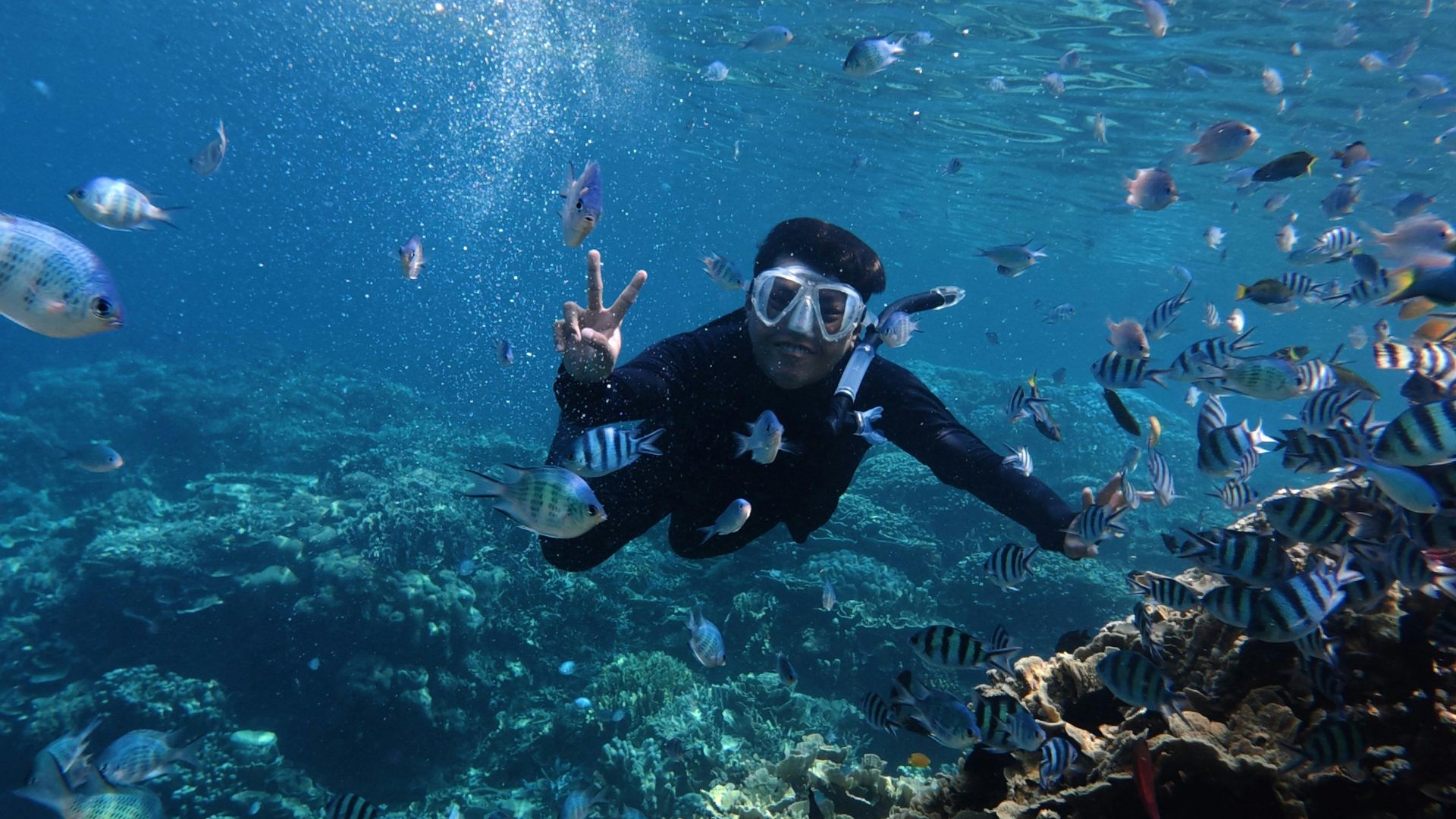
Pemuteran Bay and Menjangan Island are top spots for diving and snorkeling. They have clear waters all year, perfect for seeing marine life. You can spot angelfish, parrotfish, and even reef sharks.
Choose PADI-certified guides who care about the ocean. Dive shops offer everything you need, from gear to tours. Snorkelers can see amazing sights in shallower waters, with many resorts right on the beach.
Experience Waterfall Swimming Safely
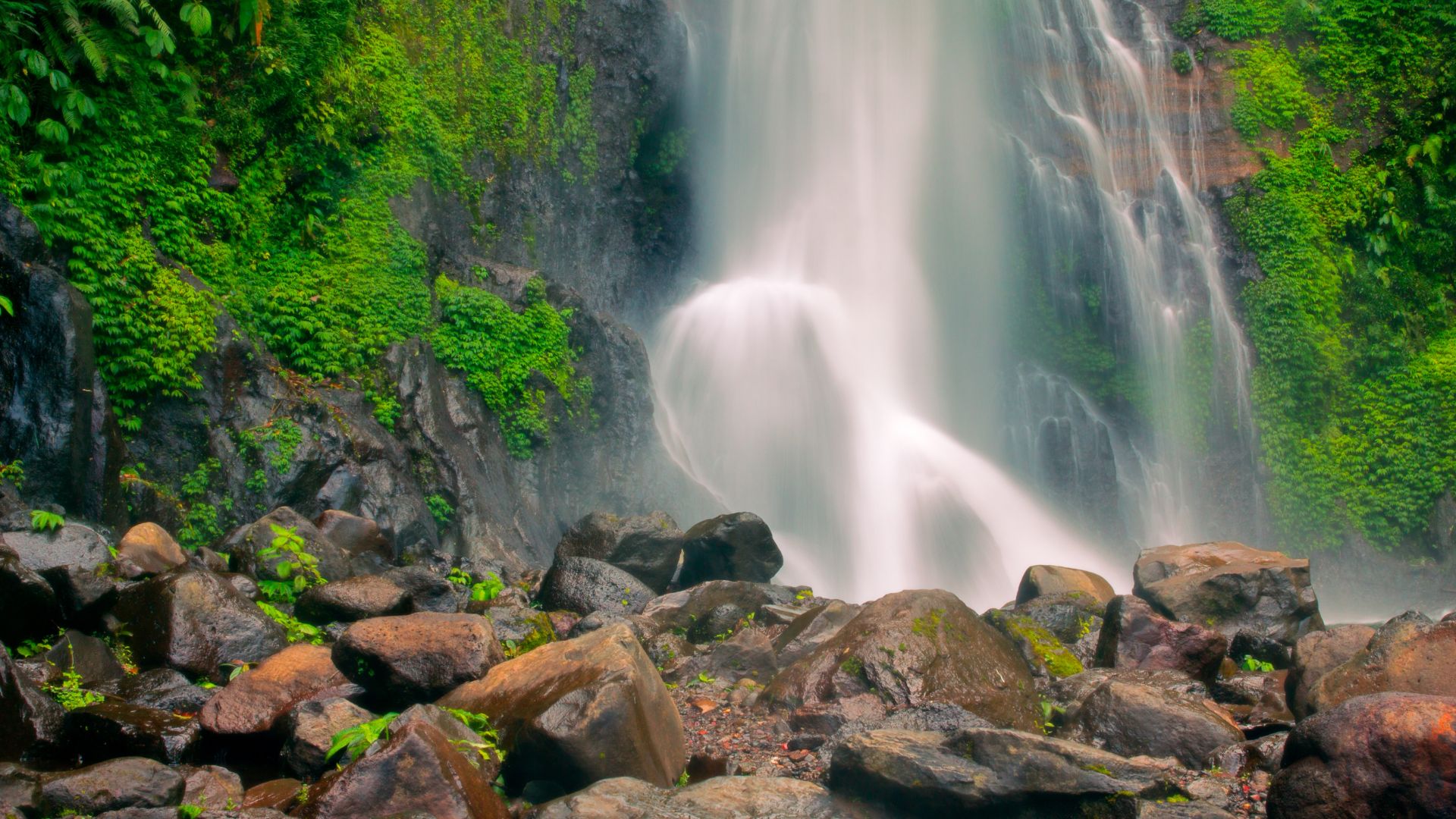
North Bali’s waterfalls offer cool pools under waterfalls. Sekumpul and Gitgit are the best for swimming, but check the water first. It’s important to be safe.
Wear good shoes and avoid swimming in heavy rain. The rocks can be slippery, and the water can be strong. Guides can help find safe spots and the best times to visit.
Explore Mountain Biking and Hiking Opportunities
The highlands around Munduk and Bedugul are great for biking and hiking. Trails go through coffee farms, forests, and villages. They’re good for all skill levels.
Good tour operators give you the right gear and guides. They know a lot about the area. Start early for stunning views of volcanoes and lakes.
These activities are just a few of the many things to do in North Bali. They let you see the area’s beauty and make lasting memories.
Practical North Bali Travel Tips
Our guide to North Bali wouldn’t be complete without key advice. These tips will make your trip comfortable and respectful to locals.
Master Cultural Etiquette and Respectful Behavior
Knowing Balinese customs makes your trip better. When visiting temples, wear modest clothes. Make sure shoulders and knees are covered.
Always use your right hand when giving or receiving things. Don’t point at people or sacred objects. Remove your shoes before entering homes or temples.
Ask before taking photos of ceremonies or people. North Bali values tradition more than the south. Your respect will lead to warmer interactions.
Implement Safety Measures and Know Emergency Contacts
North Bali’s roads are tricky, with narrow paths. Drive carefully and avoid night driving. Keep emergency numbers in your phone.
Save 112 for emergencies and 118 for ambulances. Always carry water and protect against the sun. Be careful at beaches with strong currents.
Only swim in safe areas and follow local warnings. This keeps you safe and makes your trip enjoyable.
Learn Basic Communication Phrases and Tips
Learning local phrases improves your trip. Many speak English, but locals appreciate Indonesian. Say “Terima kasih” (thank you) and “Selamat pagi” (good morning).
Ask “Berapa harganya?” (how much does it cost?). Balinese people love when you try their language.
Speak slowly and use simple words. Most locals will help you understand. This makes your trip safe and rewarding.
With these tips, your North Bali adventure will be unforgettable. Proper preparation is key to making great memories.
Conclusion
North Bali is a unique travel spot, different from the busy south. It offers real cultural experiences, untouched nature, and calm peace.
We’ve shown you how to plan your trip, from documents to where to stay. We talked about getting around, the best beaches, forest walks, cultural sites, food, and staying safe.
The real charm of North Bali is its hidden spots. These places let you connect with locals and see untouched beauty. We suggest exploring beyond the usual tourist paths.
Your trip to North Bali can leave you with unforgettable memories. Its true nature lets you discover yourself and have meaningful experiences. These moments will stay with you forever.
FAQ
What makes North Bali different from the southern parts of the island?
North Bali is more authentic and less crowded than South Bali. South Bali is known for its nightlife and tourist spots. But North Bali has volcanic landscapes, black sand beaches, and keeps traditional culture alive.