


What if your visit to Bali could leave the island better than you found it?

This question challenges the common belief that tourism inevitably takes more than it gives. True exploration here is about connection, not just consumption.
Mindful tourism means respecting the delicate balance of this place. It’s a commitment to cultural preservation and environmental conservation. Your choices directly support local communities and protect fragile ecosystems.
This guide provides practical knowledge to navigate the island with intention. You’ll learn how to enjoy its famed beauty while making a positive contribution. For travelers, this approach transforms a standard trip into a meaningful journey.
Moving beyond crowded checklists leads to a deeper, more authentic connection. It’s about creating memories that honor the spirit of Bali. This path offers a richer, more rewarding experience for everyone involved.
Understanding Responsible Travel and Its Importance in Bali
Ethical travel in Bali is deeply connected to the island’s spiritual beliefs. It aims to create a balance for your visit and a better future for locals. By making thoughtful choices, you help reduce harm and increase good.
This mindset is crucial. Bali’s environment is under pressure from tourism. Plastic waste and water shortages are big problems. Overcrowding harms its natural beauty, like coral reefs and forests.
Social and cultural issues also need attention. Sacred traditions are sometimes turned into tourist shows. Also, most tourism money goes to big companies, not local people. Your choices affect these issues.
Choosing ethical travel bali is not just a good idea; it’s necessary. Your actions today shape Bali’s future. By traveling responsibly, you help keep Bali’s magic alive.
The idea of Tri Hita Karana is central to Bali’s culture. It’s about living in harmony with God, people, and nature. Responsible travel follows this principle. You respect temples, support local businesses, and care for the environment.
By embracing ethical travel bali, you do more than just travel. You follow a long-standing tradition that keeps Bali lovely. Your trip becomes a chance to make a positive impact and respect local traditions.
Planning Your Trip with Sustainability in Mind
Planning your trip to Bali starts before you leave. Choosing where to stay, tours, and what to pack is key. Making smart choices can make a big difference.
1. Choosing Eco-Conscious Accommodation
Where you stay sets the tone for your trip. Look for places with recognized certifications like EarthCheck or Green Globe. These show they’re serious about being green.
Check if they have programs for reducing waste, saving water, and using less energy. Many places use solar power and collect rainwater. They also avoid single-use plastics.
It’s also important to consider their social impact. Truly sustainable places hire local staff and buy food and materials locally. This helps the local economy and preserves culture.
2. Selecting a Responsible Tour Operator
Choosing the right tour company makes a big difference. Look for companies that care more about people and the planet than making money. Start by looking for small group sizes.
Make sure your guides are local experts. They offer insights you can’t get anywhere else. They also help you respect local communities. Ask about their environmental policies.
Do they follow “leave no trace” principles? Do they give to local conservation efforts? A company that’s open about this is a good choice. It makes your trip more meaningful.
3. Packing Light and Right for Bali
Packing smart reduces waste and shows respect. Start with the basics: a reusable water bottle, shopping bag, and utensils.
Choose biodegradable toiletries. And don’t forget reef-safe sunscreen. Many sunscreens harm coral reefs. Protecting marine life is crucial.
Pack clothes that are light, modest, and suitable for temple visits. A mindfully packed bag makes your trip better for the environment from the start.
Embarking on Responsible Travel Experiences Bali
Your trip to Bali becomes more than just a vacation. It becomes a meaningful exchange when you choose responsible travel. This part of your journey is where planning meets action. You help the island by making smart choices every day.
Choose activities that create real connections. Look for experiences that go beyond the usual tourist path. You’ll get memories that last and a clear conscience.
1. Engaging in Community-Based Tourism and Cultural Immersion
Community-based tourism Bali is run by local villagers. It keeps your money in the community. You get to see real cultural practices, not just tourist traps.
Try a traditional cooking class in a family home. Learn to make Balinese dishes from old recipes. You might also visit places like Penglipuran or Tenganan.

These villages offer homestays and cultural shows. Learning a craft from a local cooperative is also rewarding. Try batik dyeing or silver-smithing in Celuk.
These activities help local craftspeople. Remember to be respectful and open-minded. Always ask before taking photos and listen to what they say.
2. Participating in Eco-Friendly Activities and Nature Exploration
Bali’s beauty needs our care. Look for eco-friendly activities Bali that protect the environment. Your adventure should leave no trace.
Start with guided hikes through the subak irrigation system. It’s a UNESCO site that shows how humans and nature work together. You’ll see rice fields and learn about water temple rituals.
For those who love the sea, choose snorkeling tours that protect reefs. They teach you how to not harm coral and use safe sunscreen. Always check if wildlife encounters are ethical.
Support places like the Bali Wildlife Rescue Centre. Avoid places that use animals for shows. Join beach clean-ups or tree-planting projects.
These efforts make a real difference. They connect you with others who care. Every action, no matter how small, helps keep Bali beautiful for the future.
Supporting the Local Economy Ethically
Practicing conscious travel in Bali means supporting the local economy wisely. Where you spend your money helps local families and keeps traditional crafts alive. This way, your tourism dollars stay in the community, not going to big international companies.
1. Shopping at Local Markets and Artisan Cooperatives
Forget the generic souvenir shops and go for real marketplaces. Places like Sukawati Art Market and Ubud Art Market are full of unique, handmade items. You get to meet the artists and hear about their work.
Choose items with small flaws that show they’re made by hand. Look for authentic batik, wood carvings, and silver jewelry with unique touches. Talk to the sellers about their work to make sure you’re getting the real thing.

Look for social enterprises and cooperatives that pay fair wages. These places often use their profits to help the community. Your purchase helps create positive change in Bali.
2. Dining at Warungs and Sustainable Restaurants
Warungs are small, family-run places that serve real Balinese food at good prices. Eating here puts money straight into families’ pockets. You’ll enjoy dishes like nasi campur or babi guling while supporting local people.
More restaurants now focus on both great food and being green. They use ingredients from local, organic farms. They also try to waste less and support local farming.
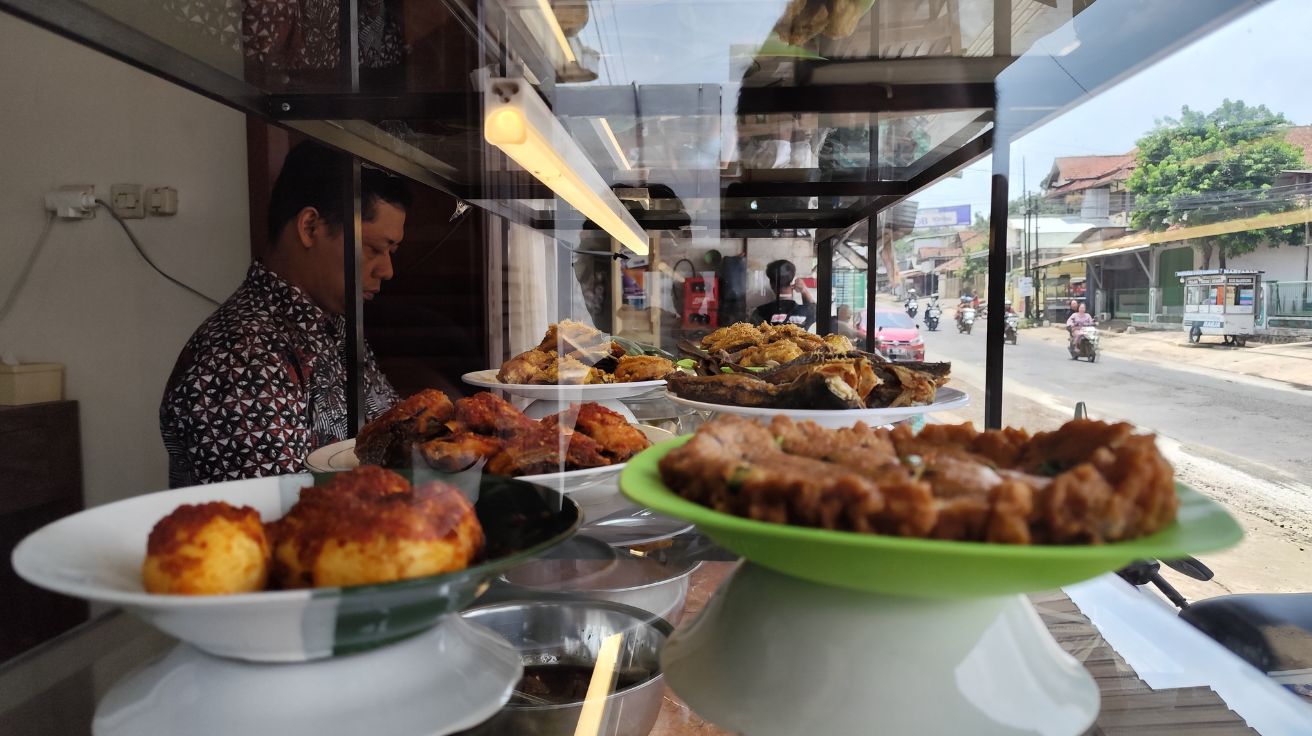
Your food choices can help reduce waste and support farmers. Look for menus that highlight local ingredients and producers. This way, you’re fully involved in ethical spending during your visit.
Minimizing Your Environmental Footprint on the Ground
Visiting environmentally-friendly attractions in Bali is just the start. Your daily actions on the island are crucial. Bali’s infrastructure is under pressure from tourism, so managing resources wisely is key. Simple habits can help the island’s health and show respect for its people and nature.
Reducing Plastic Use and Managing Waste
Bali fights hard against plastic pollution. You can help by carrying a reusable water bottle and finding refill stations. Say no to single-use plastics like straws, bags, and cutlery.

For personal care, pick solid shampoo bars and refillable containers. Dispose of waste correctly. Many places offer bins for different types of trash. This helps keep waterways and oceans clean.
Conserving Water and Energy in Your Accommodation
Bali faces water scarcity and relies on imported energy. Saving water and energy in your stay makes a big difference. Take shorter showers and turn off taps while soaping up or brushing teeth.
Reuse towels and sheets to save water and energy. Turning off air conditioning, lights, and electronics when not in use is a big help. Unplug chargers that are not being used.
Choose accommodations that use sustainable technologies like solar panels and rainwater harvesting. Your stay supports their efforts and encourages others to do the same.
By following these tips, you help support the environmentally-friendly attractions and communities you visit.
Respecting Balinese Culture and Traditions
To travel responsibly in Bali means you’re a guest in a vibrant, spiritual community. Your actions are as important as your plans. Showing cultural respect is essential for a meaningful connection with the island and its people.
This respect is seen in daily life, from your clothes to sacred events. Being sensitive to these customs shows your appreciation. It also makes sure you’re welcome.
1. Adhering to Dress Codes for Temples and Villages
Wearing the right clothes is key to cultural respect in Bali. At any pura (temple), you need a sarong and a sash. These are usually available for rent or loan at the entrance.
A sarong is a traditional cloth, and the sash goes around your waist. This rule is for everyone, no matter your gender. It shows respect for the temple’s sanctity.
Outside temples, your clothes also matter. In rural villages, wearing modest clothing is appreciated. Men and women should cover their shoulders and knees.
This rule is for walking through local communities, not just at temples. Wearing light, breathable fabrics that cover is a simple way to show respect.
2. Observing Ceremonies and Festivals Respectfully
You’ll see lively ceremonies and festivals during your visit. These are deep expressions of faith, not shows for tourists. Your role is to observe quietly and humbly.
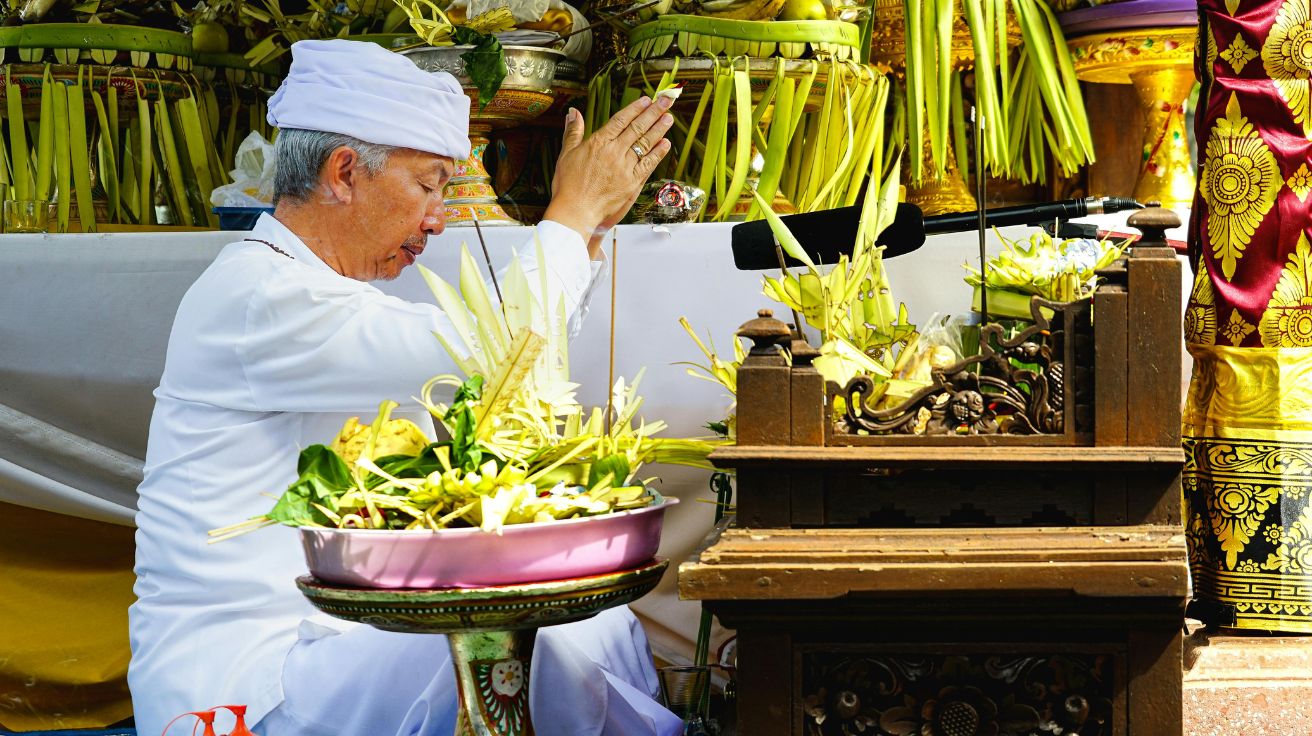
Keep a respectful distance. Never walk between people and their offerings or in front of those praying. Flash photography is usually disruptive and disrespectful. Always ask for permission to take photos, but often it’s better to just watch and enjoy.
Some ceremonies are for families or communities only. If you’re not invited, admire from afar. Your respectful presence is valued more than any intrusive action.
By observing respectfully, you honor the importance of these Balinese traditions. You help keep their sacred atmosphere for everyone.
Navigating Transportation with a Lower Impact
Transportation in Bali doesn’t have to be a source of guilt. It can be part of your sustainable journey. Your choice of transportation affects traffic, air quality, and your carbon footprint. By choosing smarter transit, you help the environment and see Bali more authentically.
1. Using Local Rideshares and Public Bus
Technology makes it easy to reduce solo car trips. Apps like Grab and Gojek offer local rideshares for cars and motorbikes. Sharing a ride cuts down on road traffic. It’s a good option for longer trips or when you need a direct route.

For shorter trips, try the traditional public bus. Riding a bus is cheap and lets you see Balinese life up close.
Both rideshares and bus are low-impact transit choices. They use existing infrastructure better than renting a car for your whole trip.
2. Opting for Bike Rentals and Walking Tours
The best way to explore has no emissions. Renting a bike lets you see Bali’s countryside and villages. You can go at your own pace and find hidden spots. Many places offer bike rentals.
For city and culture tours, join a walking tour. In Ubud, guides show you art markets, temples, and rice terraces. Walking lets you see more than you would from a car.
These active low-impact transit methods are good for the planet. They also make your trip better, letting you connect with Bali’s sights and people.
Conclusion
Your journey to responsible travel in Bali is more than just a vacation. It’s a commitment to care for the environment, support local economies, and respect cultures. Every experience is a chance to make a positive impact.
Every choice you make matters. By staying in homestays, shopping at Ubud’s markets, and eating at family-run restaurants, you help keep money in the community. Also, by saving water, refusing plastic, and dressing modestly, you show respect for Bali’s resources and traditions.
Following these guidelines doesn’t limit your adventure. It makes your travel more authentic and rewarding. It helps you connect deeply with Bali’s people, landscapes, and spiritual heart.
See your trip as the start of a lifelong travel ethic. Carry mindfulness and support with you everywhere. Become a champion for sustainable tourism, inspiring others to care for our world’s beauty for future generations.