

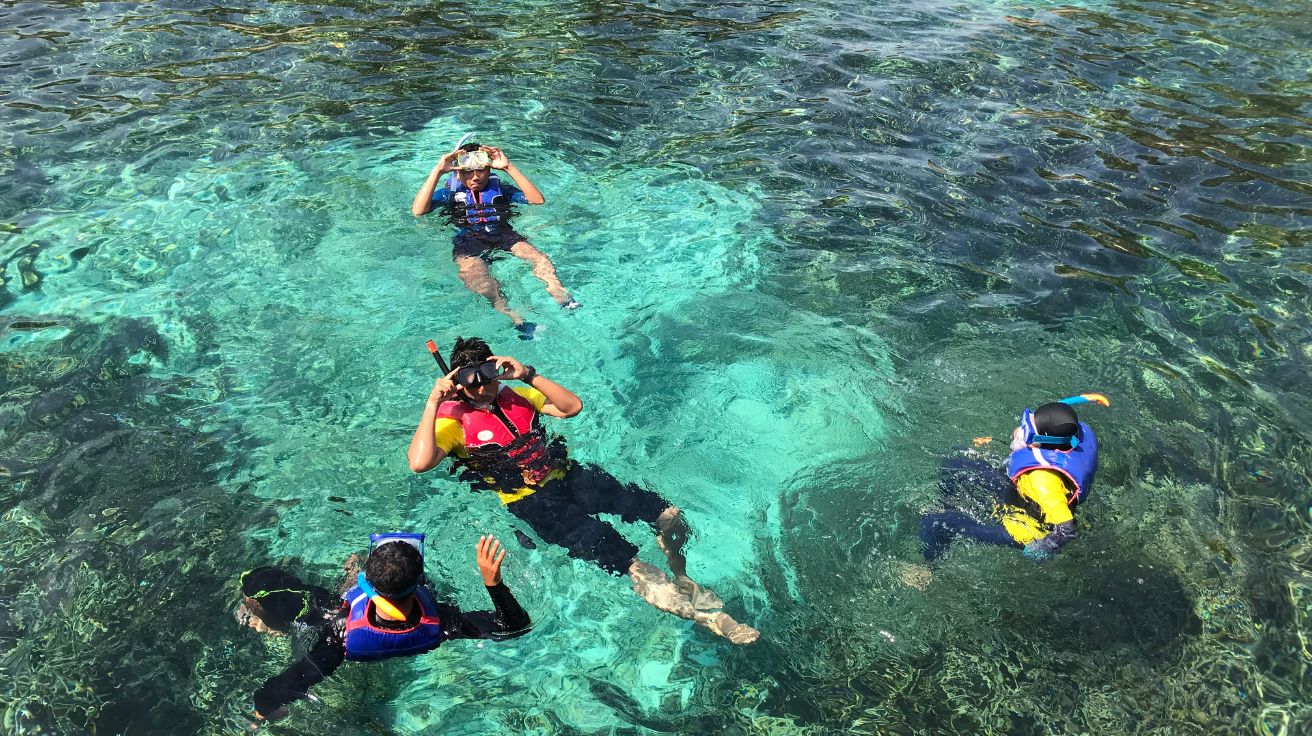
Imagine diving into a world where coral cities are alive with color and shipwrecks whisper tales of the past.
Bali is a top spot for seeing marine life. Its waters are warm and clear, perfect for an amazing underwater adventure.
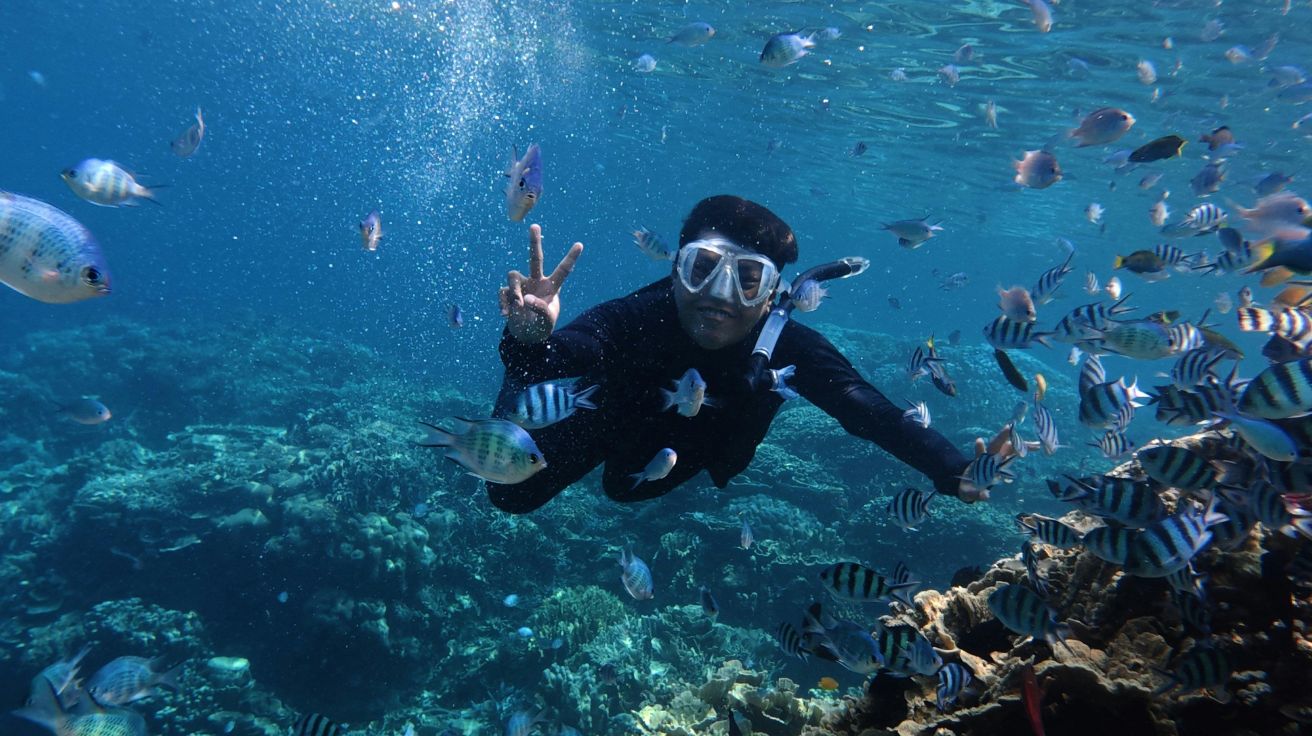
There are calm coral gardens for a relaxing swim. Or, if you’re bold, try the strong currents for a thrilling dive. Each place has its own story in Bali’s ocean.
This guide helps you plan the ultimate trip Bali snorkeling and diving spots. It shows you the best places for diving and snorkeling in Bali.
Get ready to see manta rays and colorful reefs. Your underwater adventure is waiting.
Why Bali is a Premier Underwater Destination
Bali is known for being a top vacation spot. But it’s its underwater world that really makes it stand out. Here, you can explore everything from calm coral gardens to exciting pelagic encounters.
The Allure of Bali’s Marine Biodiversity
Bali is at the center of the Coral Triangle, the world’s marine life hotspot. This place is home to an unparalleled variety of sea creatures. You might see majestic manta rays or even the rare Mola mola (ocean sunfish).
For those who love tiny creatures, there’s the chance to find pygmy seahorses in sea fans. The reefs are a colorful sight, with corals in every shade. Every dive or snorkel is like watching a living, underwater movie.
Accessibility for All Skill Levels
Bali is great for all levels of underwater explorers. Beginners and snorkelers can easily enter the water from many beaches. These spots are perfect for a first look at the underwater world.
For more experienced divers, Bali offers exciting challenges. You can dive in strong currents to see big pelagics or explore deep walls and wrecks. Bali is a top spot for everyone, from families to seasoned divers.
Preparing for Your Bali Snorkeling and Diving Adventure
Getting ready for your underwater adventure in Bali is key. It ensures your safety and lets you enjoy the marine life. This guide will help you prepare for a great experience.
Step 1: Assess Your Skill Level and Get Certified
Know your comfort and skill in the water. For snorkeling, being a confident swimmer is important. If you’re not, consider a refresher lesson or a flotation vest.
Scuba diving needs a recognized certification. The PADI Open Water Diver course is the global standard. It’s your key to exploring Bali’s dive sites. If you’re not certified, there are great options.
You can start the theory and pool sessions at home. Many dive shops in Bali offer full certification courses. Places like Sanur, Amed, and Padangbai have many reputable schools.
Step 2: Pack the Essential Gear
While most gear can be rented, bringing key items improves comfort and hygiene. Your list will depend on your activity.
Must-Have Snorkeling Gear
For snorkelers, three essential items are a must. A good-fitting mask that doesn’t fog or leak is crucial. A dry-top snorkel prevents water intake when diving. Comfortable fins make swimming easy.
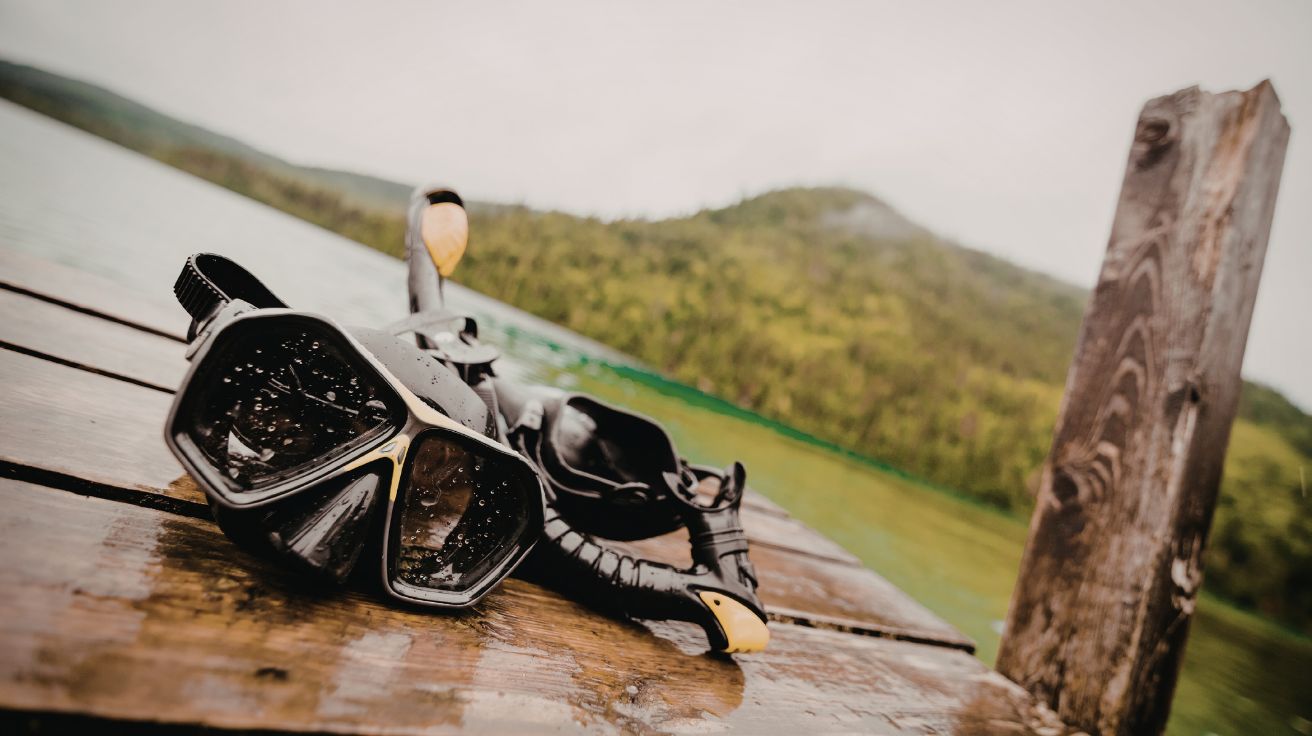
Think about a snorkel vest for safety and buoyancy, if you’re from a boat.
Recommended Dive Accessories
For divers, a few extras are worth bringing. A dive computer is invaluable for tracking depth, time, and safety stops. A surface marker buoy (SMB) is key for signaling your position to boat captains.
A waterproof torch lights up the underwater world, even on daytime dives. These items are often rentable, but having your own is more reliable.
Step 3: Plan Your Travel and Accommodations
Your stay in Bali affects your daily plans. Choose your base based on the sites you most want to visit.
For Nusa Penida and Lembongan, Sanur is best. It’s the main harbor for day trips. For the east coast’s serene reefs, consider Amed, Tulamben, or Padangbai.
Book your snorkeling and diving tours in Bali early, during peak season. Check recent reviews and safety protocols. This planning secures your spot with the best guides and tailors your itinerary.
Your adventure is built on good preparation. With your skill level checked, gear ready, and logistics sorted, you’re ready to dive into the magic.
How to Experience the Best Snorkeling and Diving in Bali
Your journey to find the best dive sites in Bali starts with knowing the island’s underwater world. Bali is not just one place. Its coasts have different marine life, conditions, and ways to get there. Knowing this helps you find the perfect spot for your skills and dreams.
Understanding the Different Regions and Conditions
Bali’s geography makes different snorkeling and diving areas. The east coast, with Amed and Tulamben, has calm, warm seas. It’s great for easy shore diving and seeing small marine life.
The southeast, with Nusa Penida and Lembongan, has stronger currents. These currents attract big marine animals like manta rays and sunfish. This area is for more experienced divers.
The north coast, near West Bali National Park, has Menjangan Island. Here, you’ll find clear, calm water and stunning coral walls. It’s perfect for all levels looking for amazing coral views.
The southern beaches, near Sanur and Nusa Dua, have safe, family-friendly lagoons. These are great for beginners and those who want to snorkel from the beach.
Matching Sites to Your Interests and Experience
Now, it’s time to think about what you want to see underwater. Do you love tiny, colorful creatures or the excitement of big ocean animals?
Macro lovers and wreck fans should check out the calm eastern sites. For a chance to swim with mantas, head to Nusa Penida. For the best coral and clear water, go north.
Your diving level and comfort in the water are key. Many best dive sites in Bali for beginners are safe and sheltered. More advanced sites might have deeper dives or changing conditions. Always be honest about what you can handle.
By matching your interests with the right region, you create a personalized dive plan. This way, every dive or snorkel trip will be exactly what you want to see and can safely enjoy.
How to Choose the Best Snorkeling Spots in Bali
To find your perfect snorkeling spot in Bali, consider three top locations. Each spot offers something special, whether you want calm waters, untouched coral, or a family-friendly outing. This guide helps you pick the best spot for unforgettable underwater adventures in Bali.
For Calm Waters and Ease of Access: Blue Lagoon Beach, Padangbai
Blue Lagoon is a perfect spot for beginners and those who prefer to snorkel from the shore. Its calm waters make it a reliable choice for a stress-free day.
What You’ll See and Ideal Conditions
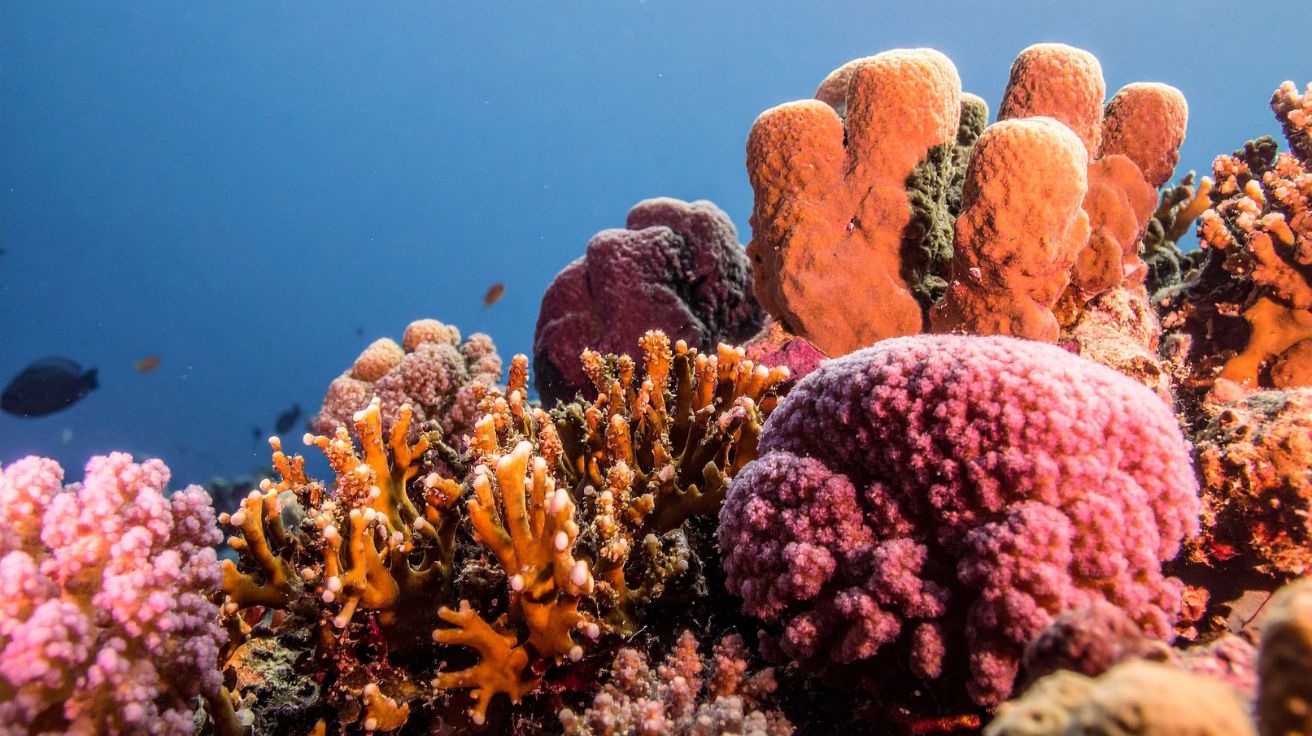
Snorkeling here, you’ll see a sandy bottom with large coral bommies. These are covered in soft corals and home to many fish and turtles. The water is very clear, often over 15 meters deep.
The best time to visit is from April to October. Go in the morning before the wind picks up. High tide is best for exploring the reef.
Step-by-Step Access Guide
First, drive or take a taxi to Padangbai harbor. Follow signs to “Blue Lagoon Beach” for a five-minute walk. You’ll find vendors renting gear.
Enter the water from the sandy beach. No boat is needed. Swim 20 meters to the reef. Don’t forget cash for parking and gear.
For Pristine Coral Walls: Menjangan Island, West Bali National Park
Menjangan Island has some of Bali’s most stunning coral walls. It’s perfect for snorkelers who want to dive without going deep.
What You’ll See and Ideal Conditions
The coral walls here are breathtaking. You’ll see giant sea fans, sponges, and barrel corals. Look out for reef sharks, parrotfish, and snapper schools.
Conditions are calm all year, making it a great spot anytime. The water is usually very clear. Visit on a weekday to avoid crowds.
Step-by-Step Access Guide
Start in Labuhan Lalang. Join a licensed boat tour from the West Bali National Park office. Buy your tickets there. The boat ride to the island takes about 20 minutes.
The boat will moor at a site along the wall. Snorkel directly from the boat. Book with a guide, as currents can be strong. This is a full-day trip from south Bali.
For Family-Friendly Shore Snorkeling: Sanur Beach Reef
Sanur is great for families and casual snorkelers. Its long, shallow reef is right from the beach. It’s perfect for those in the tourist area.
What You’ll See and Ideal Conditions
Expect a gentle reef with lots of life. You’ll see hard corals, clownfish, moray eels, and octopus. The depth is mostly under two meters, great for kids and beginners.
High tide is best, offering more water over the coral. Early morning is peaceful and clear. This spot is good all year, though clarity may drop after heavy rain.
Step-by-Step Access Guide
Just walk to Sanur Beach. The reef runs parallel to the shore for kilometers. Easy access points are near the Grand Bali Beach Hotel or at Jalan Duyung’s end. There’s plenty of parking.
Wade in from sandy patches between the coral. You can also use jukung boat moorings as entry points. Gear rentals are available along the beach. Sanur is a key spot for easy underwater adventures in Bali.
How to Access Bali’s Top Dive Sites
Bali’s dive sites, from shipwrecks to manta ray stations, are accessible with the right guidance. This part of your Bali snorkeling and diving guide focuses on three legendary underwater destinations. Planning your visit can make a dive unforgettable.
For an Iconic Shipwreck: USAT Liberty, Tulamben
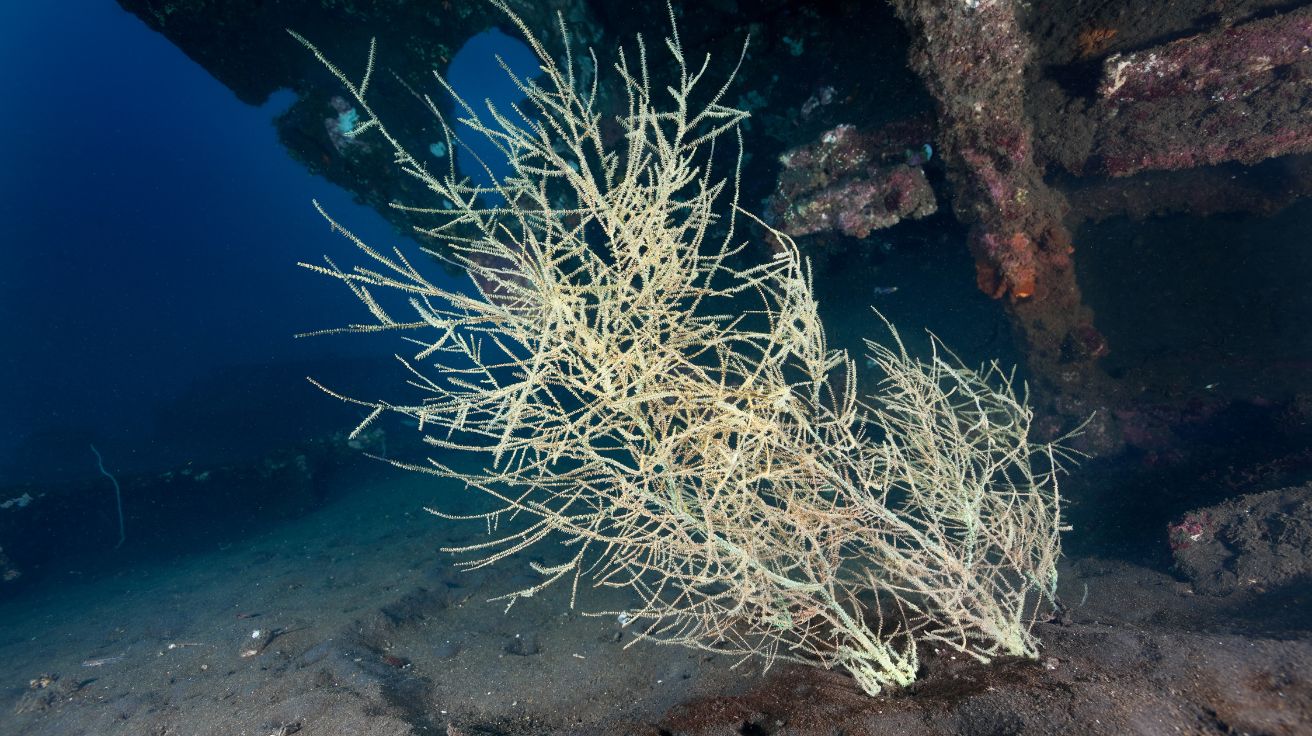
The USAT Liberty wreck is a must-see in Bali. This World War II cargo ship lies on a black sand slope, creating a vibrant artificial reef.
Dive Profile, Highlights, and Tips
This dive is from the shore, with a maximum depth of 30 meters. Currents are mild, making it good for all levels. Even snorkelers can see the wreck’s top sections.
The highlight is the ship’s structure, covered in corals and fish. The stern area is best for seeing the propeller and rudder. Night dives reveal critters like the mimic octopus.
Pro tip: Wear reef shoes for the rocky entry. Bring a dive light for crevices, even in the day.
How to Book a Dive and What to Expect
Book with a dive shop in Tulamben village or through operators in Amed or Candidasa. Packages include tanks, weights, and a guide. Most offer two-tank trips to the Liberty and Coral Garden.
Expect a detailed briefing on the dive plan and safety. Your guide will show you marine life. Surface intervals are at a local café.
For Manta Ray and Mola Mola Encounters: Crystal Bay & Manta Point, Nusa Penida
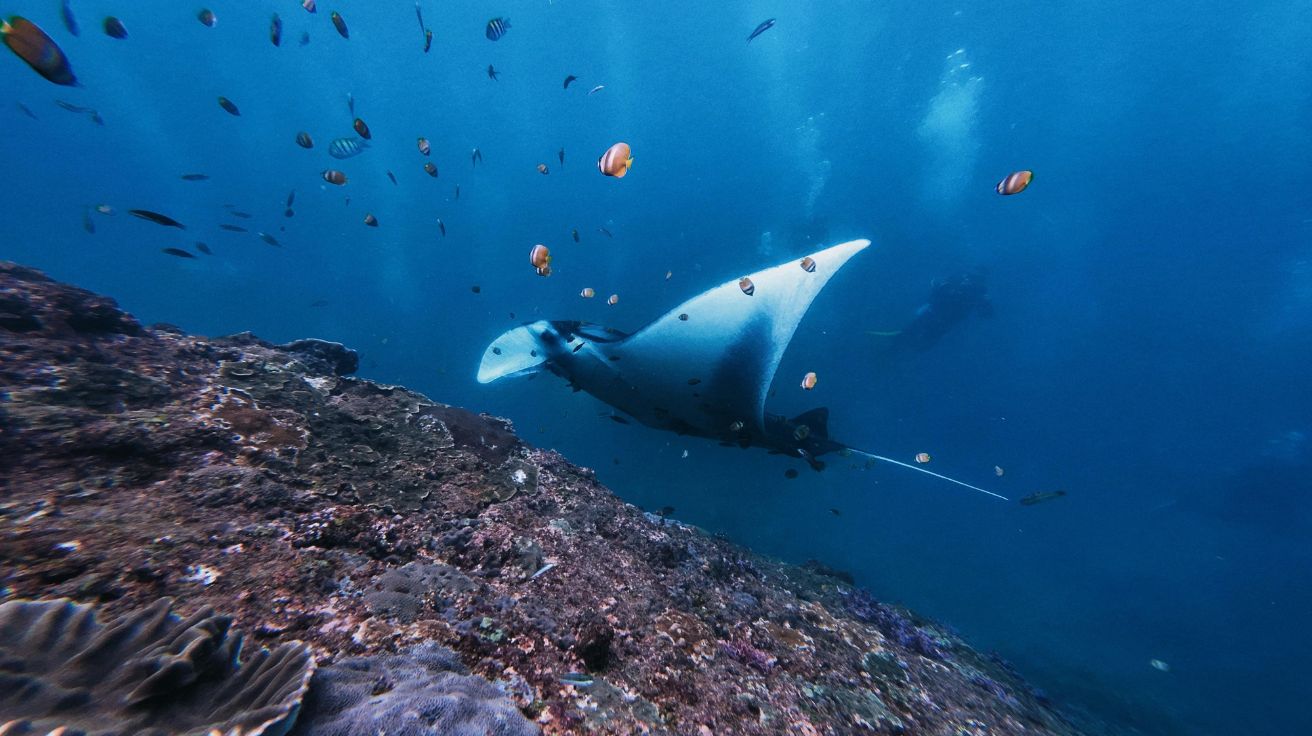
Crystal Bay and Manta Point on Nusa Penida are known for pelagic action. Crystal Bay has Mola Mola, while Manta Point is a cleaning station for reef mantas.
Dive Profile, Highlights, and Tips
Dives here are advanced. Depths at Manta Point are 10 to 20 meters, while Crystal Bay can be over 30 meters. Currents are strong, so control your buoyancy well.
The thrill is seeing these gentle giants. At Manta Point, mantas come for cleaner wrasse. Crystal Bay offers Mola Mola sightings from July to October. Stay low and avoid touching anything.
Pro tip: Use a reef hook in strong currents. A 5mm wetsuit is recommended for cooler water.
How to Book a Dive and What to Expect
Book through dive centers in Sanur or directly on Nusa Penida. Trips include a fast boat ride and two dives, gear, lunch, and refreshments.
The crew will give a safety briefing on currents and hand signals. Dives are in small groups. Surface intervals are on the boat, where you can enjoy snacks and share stories.
For Vibrant Coral Gardens: The Dive Sites of Amed
The Amed coastline has easy shore access to stunning coral reefs. It’s great for relaxed diving and macro photography.
Dive Profile, Highlights, and Tips
Amed has gentle slopes and walls starting near shore. Depths are 5 to 30 meters, with calm conditions for beginners and photographers.
The highlight is the incredible biodiversity. Sites like Jemeluk Bay and Lipah Bay have coral gardens, pygmy seahorses, and schools of anthias. The Japanese Wreck is a shallow, coral-encrusted wreck for a second dive.
Pro tip: Bring a macro lens for your camera. Dive in the morning for the best visibility and calmest conditions.
How to Book a Dive and What to Expect
Many local dive shops operate along Amed’s coast. You can often book a dive for the same or next day. They offer flexible schedules, from single dives to multi-day packages.
Expect a personalized experience with small groups. The dive briefing will cover the site’s topography and marine life. After your dive, relax at a beachfront café while reviewing your photos.
How to Plan Iconic Day Trips to Nusa Penida and Lembongan
Planning a day trip to Nusa Penida and Lembongan for manta rays and vibrant reefs is key. These islands are among Bali’s top snorkeling and diving spots. They offer dramatic views and exciting underwater adventures. Success depends on good planning and respect for the ocean.
Step 1: Selecting a Reputable Tour Operator
Your safety and fun depend on the tour operator you choose. Look for certified guides, modern safety gear, and a good guide-to-guest ratio. Positive online reviews are a good start, but check their conservation efforts too.
Good operators teach you how to interact with wildlife and support marine conservation. Make sure the price includes insurance, park fees, and reliable transport. A good company puts your safety first, not just packing people on the boat.
Step 2: Choosing Your Itinerary: Snorkeling vs. Diving Focus
Day trips usually focus on snorkeling or diving. Snorkeling trips often visit Manta Point and Crystal Bay for colorful fish. Diving trips go deeper for Mola Mola and drift dives.
Talk to your operator about your skill level and what you want to see. A good itinerary fits your underwater adventure goals, whether snorkeling or diving.
Step 3: Preparing for Currents and Open Water Conditions
The waters around these islands have strong currents and cooler temperatures. It’s not for beginners. Pay close attention to your guide’s advice on entry and exit points, and hand signals.
Be ready for more swimming than at home. Wear a full wetsuit for warmth. Manage your expectations because the ocean can change fast. Your guide’s decisions are for everyone’s safety.
With the right operator, a clear plan, and ocean respect, your trip will be unforgettable. It makes Nusa Penida and Lembongan must-see spots for snorkeling and diving in Bali.
Essential Safety Tips and Best Time to Visit Bali
Exploring Bali’s underwater world safely and sustainably is key. This guide will help you dive into the best times and places with confidence. You’ll also learn how to leave a light footprint.
Critical Safety Practices for All Underwater Activities
Never dive or snorkel alone. Always dive with a buddy. Make sure to stay together and have a plan for emergencies.
Equalize your ears before diving to avoid pain. If you feel pressure, go up a bit and try again. Know the local currents and follow your guide’s advice if needed.
Snorkelers, use a vest if you’re not a strong swimmer. Don’t hold your breath too long and rest on the surface often.
The Ideal Seasons for Bali Snorkeling and Diving
Visiting during the dry season, April to October, is best. The weather is clear and calm, perfect for seeing marine life.
This time is ideal for beginners and for diving in all areas. Nusa Penida’s sites are a must-see.
The wet season, November to March, has rain and sometimes rough seas. But, marine life is active, and it’s less crowded.
July to October is the best for seeing oceanic sunfish. It’s a great time for deep dives and spotting rare marine life.
Respecting the Marine Environment
Be a respectful guest in the underwater world. Never touch, stand on, or chase marine life. Coral reefs are delicate and need care.
Use reef-safe sunscreen before diving. Chemical sunscreens harm coral. Wear protective clothing to protect yourself and the reef.
Take photos and leave only bubbles. Don’t feed fish. By doing this, you help preserve the beauty of Bali’s underwater world for others.
By following safety tips, choosing the right time, and respecting the environment, your trip will be unforgettable. You’ll be able to explore Bali’s underwater world responsibly.
Conclusion
Bali is a top spot for underwater adventures. You can explore gentle reefs in Sanur or dive into the exciting currents of Nusa Penida. Its marine world is full of variety and easy to get to.
Getting ready for your dive is key. Choose places that fit your skill level. With good planning, your dive will be a memorable one.
Working with the best dive operators in Bali is important. They offer safety, local tips, and help you find the island’s best spots.
Start your planning with this guide. Pick the best dive operators in Bali for your trip. Bali’s coral gardens, majestic mantas, and historic wrecks are waiting for you.