
Have you ever wondered how an entire island can breathe creativity while keeping ancient traditions alive? What if we told you there’s a place where every sunrise brings new art and every sunset honors old customs?
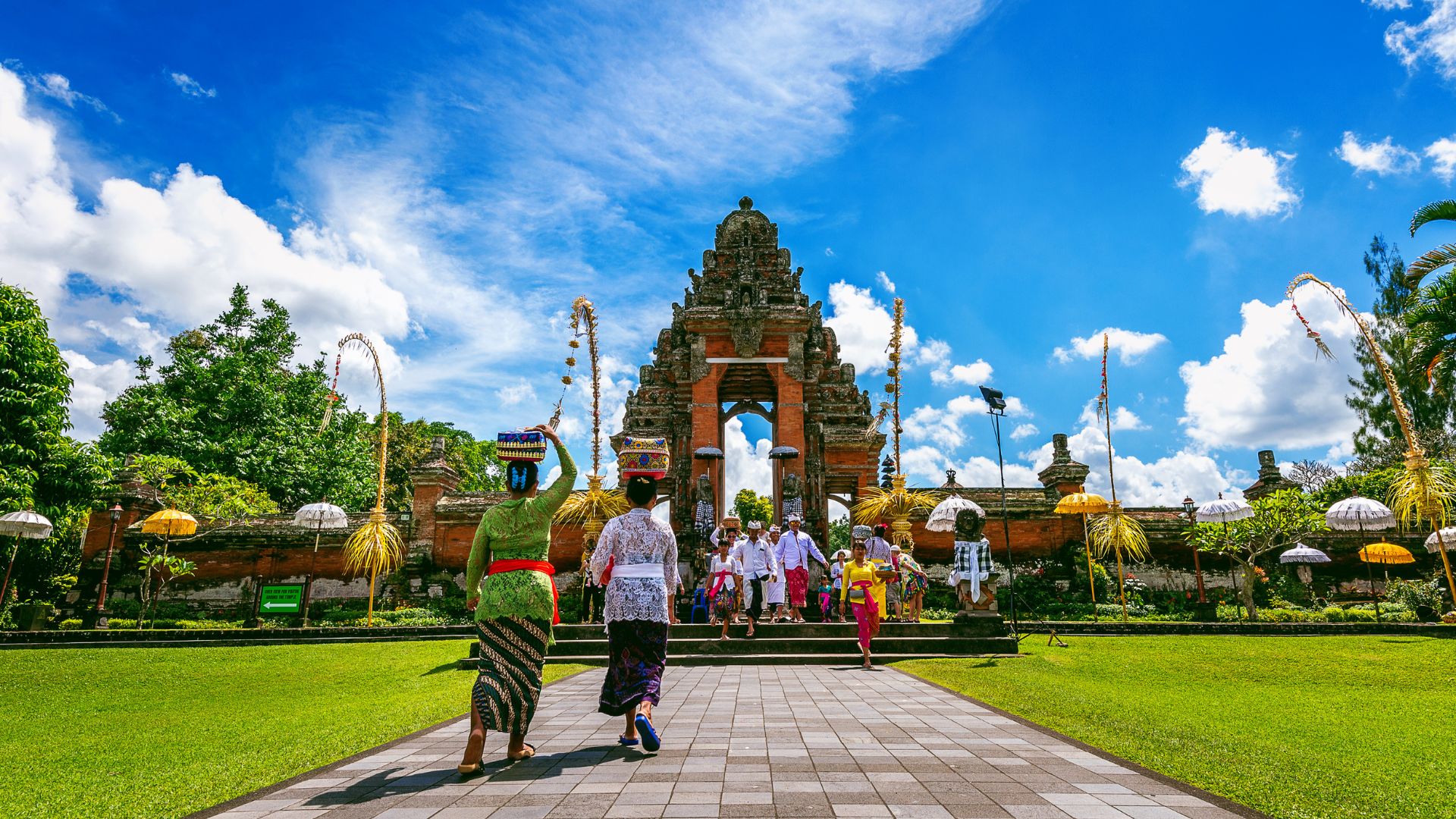
We’re about to take you deep into the heart of this cultural phenomenon. Bali is a global epicenter where art meets spiritual devotion in daily life.
From intricate temple ceremonies to cutting-edge galleries, this island blends tradition with modern life. The result is a living tapestry that captivates everyone.
Prepare to discover why this destination is unmatched in cultural richness. We’ll show you experiences that turn travel into deep cultural immersion.
Get ready to explore a world where creativity isn’t just appreciated—it’s lived.
Understanding Bali Art and Culture
To truly appreciate Bali’s art, we must first grasp the spiritual and historical forces that shape it. The island’s creative output is more than beauty. It’s a reflection of centuries of religious devotion and cultural growth.
The Spiritual Roots of Balinese Creativity
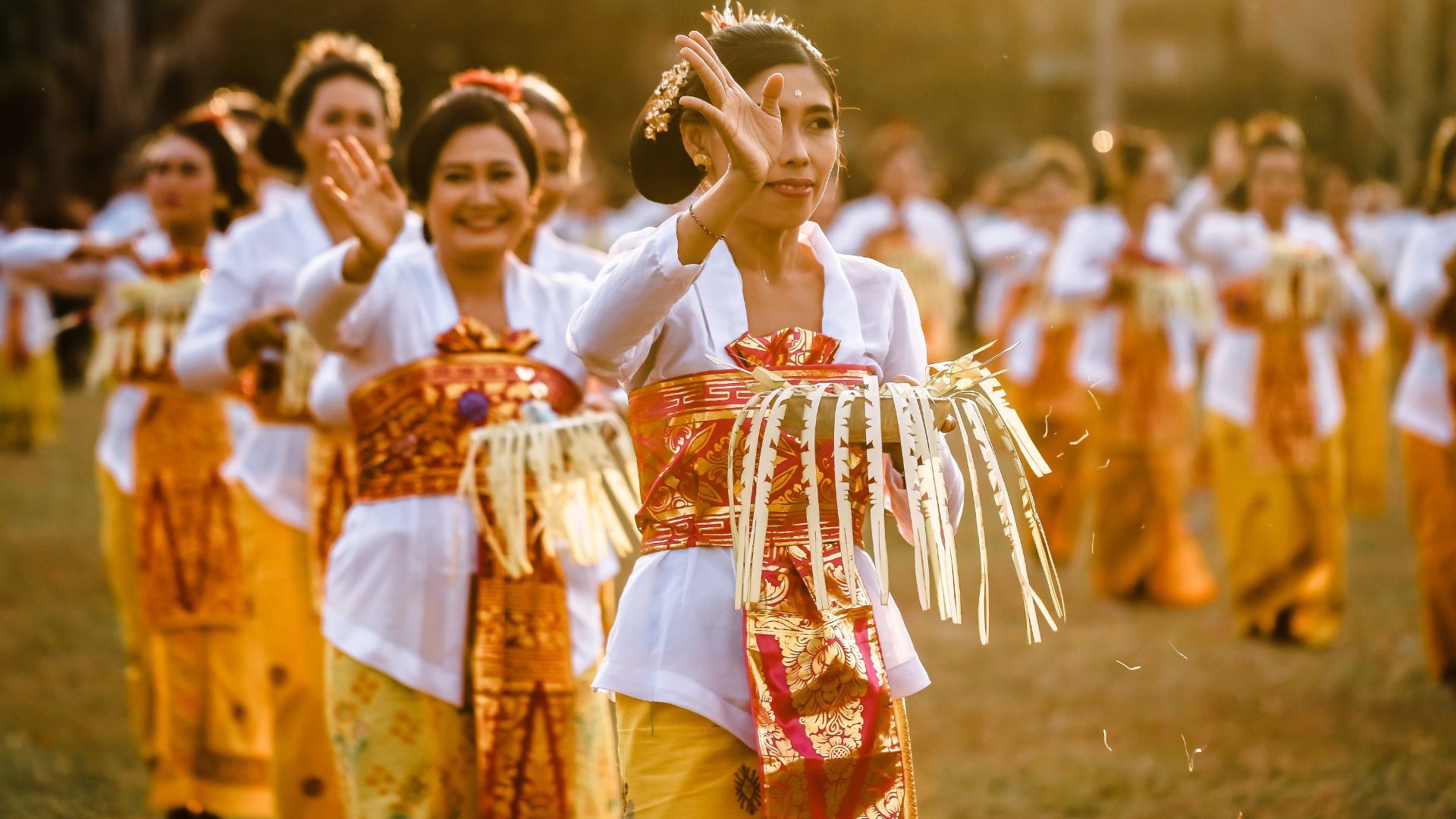
Bali art is deeply rooted in spirituality. The island’s unique Hinduism inspires artists, dancers, and craftspeople.
Hinduism’s Influence on Daily Art and Rituals
Hinduism’s impact is seen in every part of Balinese life. From temple offerings to dance dramas, religious devotion drives art. Daily rituals turn into artistic performances, filled with beauty and ceremony.
This spiritual base makes Bali art meaningful, not just decorative. For local artists, creating is a form of worship and meditation.
Historical Evolution of Artistic Traditions
Bali’s artistic journey shows centuries of cultural growth and adaptation. Its creative traditions have evolved, keeping their spiritual core.
From Royal Patronage to Global Tourism
Royal courts once supported Bali art, preserving traditional skills. Their support helped set high standards of craftsmanship.
Global tourism brought new chances and challenges. While some worried about commercialization, tourism helped spread appreciation for Balinese art. Artists reached new audiences while staying true to their culture.
This journey shows Bali’s cultural heritage is strong. It has thrived by blending tradition with innovation, staying relevant today.
Traditional Balinese Art Forms to Explore
The island’s artistic heritage is seen in three main forms. Each form shows centuries of skill and cultural importance. These traditional Balinese art forms give a true glimpse into local culture.
Woodcarving: Sacred Symbols to Market Crafts
Balinese woodcarving turns wood into stories of the spirit. Originally, it was for temples and palaces. Now, it makes both sacred items and market goods.
Artisans use mythological figures and nature in their work. Each piece has deep meaning in Balinese Hinduism. The detail shows top-notch Balinese traditional craftsmanship.
Visiting Mas Village for Master Carvers
Mas Village is the heart of woodcarving. You can see artists making detailed pieces in open-air workshops. Many studios welcome visitors and share their methods.
Look for carvings of Ramayana scenes or Barong masks. These are some of the finest works. Bargaining is common, but remember the artistry.
Painting Styles: Kamasan to Ubud School
Balinese painting has changed from strict styles to more free forms. Kamasan style is influenced by wayang puppets. The Ubud School brought in Western methods and natural scenes.
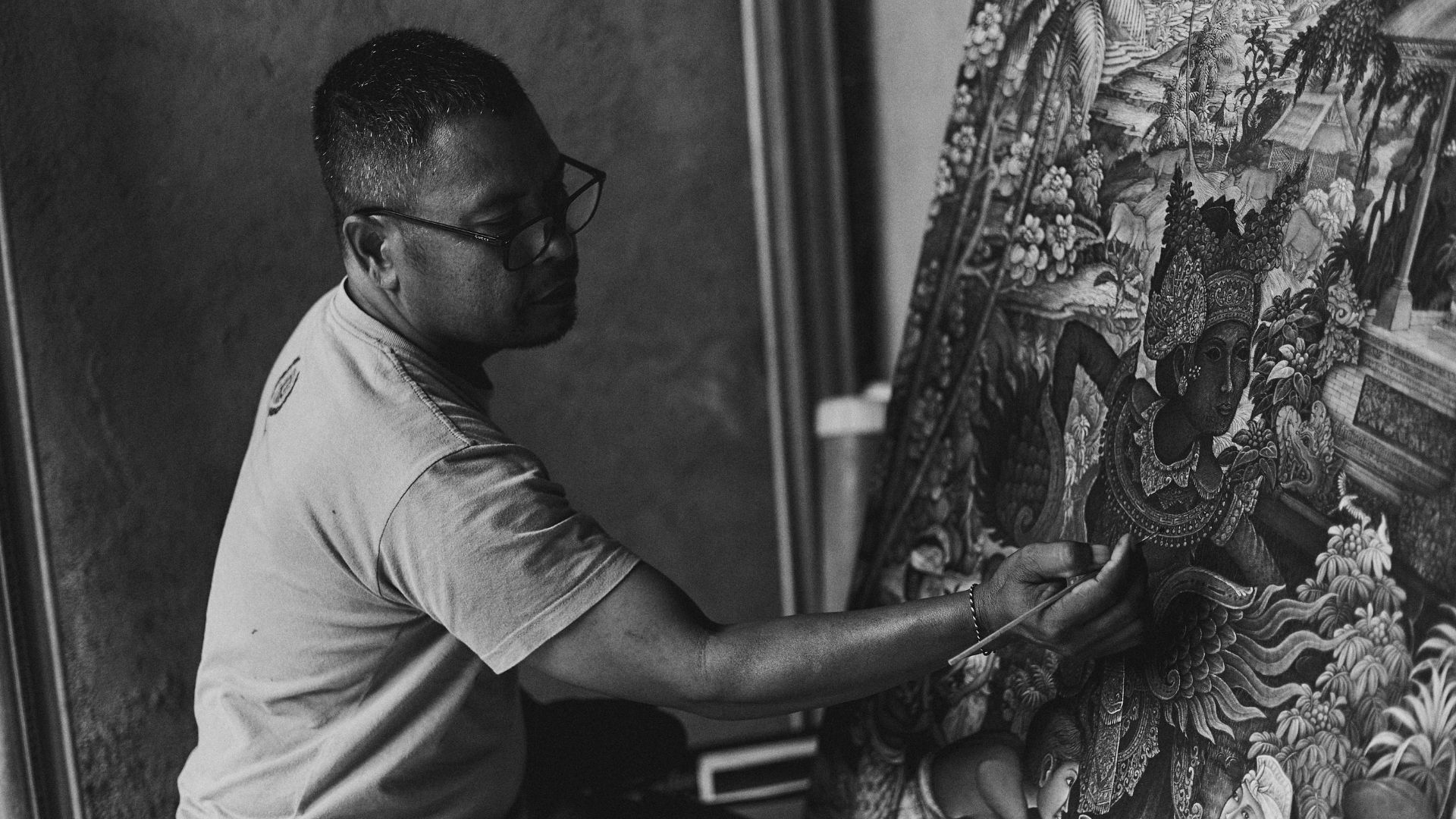
Traditional paintings use natural colors on canvas or bark. Modern works might use acrylics but keep cultural themes. This shows Balinese art’s ability to evolve while staying true to tradition.
Where to See Authentic Balinese Paintings
Ubud’s museums have amazing collections. Puri Lukisan Museum shows key transitional works. For modern art, visit Neka Art Museum or ARMA.
Many artists have studios where you can see them work. These settings offer a deeper look into their techniques. You might even get a custom piece.
Textile Arts: Weaving and Batik Techniques
Traditional textiles are a big part of Balinese creativity. Endek weaving makes patterned fabrics with tie-dye. Ikat involves dyeing threads before weaving.
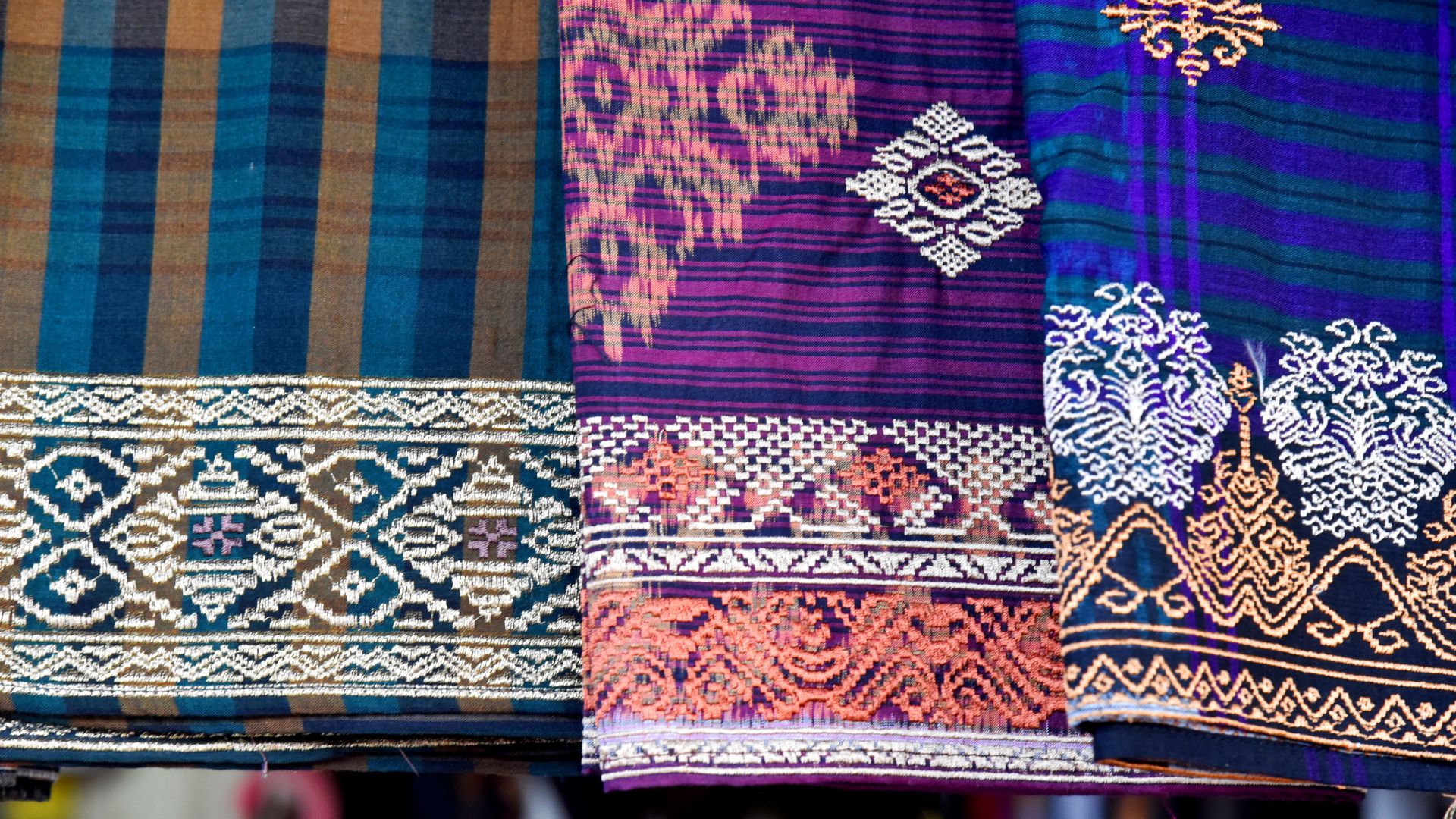
Batik uses wax to resist dye for detailed designs. Each method needs patience and skill. The fabrics show extraordinary craftsmanship in every thread.
Finding Genuine Endek and Ikat Fabrics
Real textiles come from special villages in Bali. Tohpati is known for batik. Sidemen and Gianyar are famous for ikat.
Look for consistent patterns and clean colors. Handmade items might have small flaws that prove they’re real. These textiles are meaningful souvenirs that support local artists.
Remember, these fabrics are often in traditional costumes. You might see them at temple ceremonies or dance shows. This tradition beautifully connects cloth to culture.
Must-See Cultural Performances in Bali
Bali’s performing arts are unforgettable, bringing ancient stories to life. They use movement, music, and drama. These cultural performances in Bali offer deep insights into the island’s spiritual traditions and artistic heritage. We’ll guide you through the most captivating shows every visitor should see.
Legong Dance: Stories from Hindu Epics
The Legong dance is Bali’s most graceful dance form. Young dancers in gold costumes tell stories from Hindu epics. They use precise hand movements and expressive eye gestures.
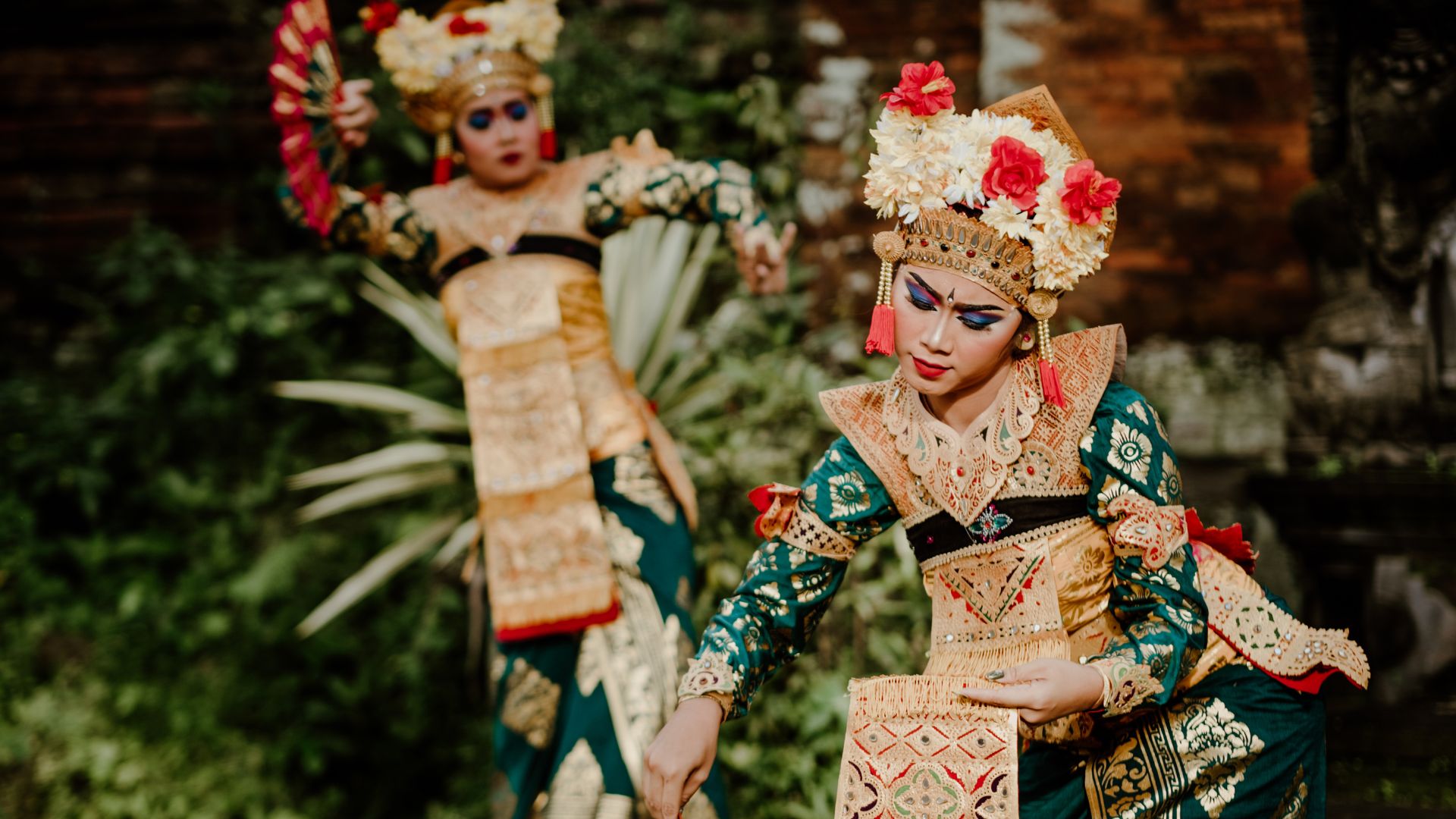
This classical dance requires years of training. It’s known for its intricate techniques.
Best Venues in Ubud for Evening Shows
Ubud is home to several excellent venues for Legong performances. The Ubud Palace hosts regular evening shows in its beautiful courtyard. The ARMA Museum also presents high-quality performances surrounded by tropical gardens.
We recommend arriving early to secure good seating. These shows are very popular.
Kecak Fire Dance: Chanting and Drama
The Kecak Fire Dance is mesmerizing. Dozens of men sit in circles chanting “cak” while creating rhythmic patterns. This dramatic performance depicts scenes from the Ramayana epic.
The show culminates in an impressive fire dance. The combination of chanting, story, and fire creates a hypnotic experience.
Scheduling Your Visit to Uluwatu Temple
Uluwatu Temple is the best place to see Kecak performances. Shows start around sunset, offering breathtaking ocean views. We suggest arriving at least an hour early.
Explore the temple grounds and secure good viewing positions. Remember, monkeys inhabit the area. Keep your belongings secure during the performance.
Gamelan Music: Traditional Orchestra Sounds
Gamelan music is the foundation of Balinese performing arts. It features metallophones, gongs, drums, and bamboo flutes. These instruments create complex interlocking patterns.
The music accompanies dances, ceremonies, and rituals throughout Bali. Each village has its own gamelan ensemble with distinct musical characteristics.
Experiencing Live Gamelan at Temple Ceremonies
For an authentic experience, visit local temples during ceremony days. You’ll hear the hypnotic sounds blending with ritual activities. Remember to dress respectfully and maintain appropriate behavior during temple visits.
Many cultural centers also offer gamelan demonstrations. You can learn about the instruments and musical structures.
Top Art Museums and Galleries in Bali
Bali’s art scene goes beyond street markets and temple carvings. The island has top museums that show off its rich art history. These balinese art museums take you on a deep dive into centuries of creativity.
Museum Puri Lukisan: Ubud’s Art History
Museum Puri Lukisan was Bali’s first museum for local art, opened in 1956. It’s a cultural treasure that shows how Bali’s art has evolved over time.
Collections from Pre-Modern to Contemporary
The museum has four buildings with a timeline of art. You can see everything from traditional Kamasan paintings to modern art. Each piece shares a part of Bali’s artistic journey.
ARMA: Agung Rai Museum of Art
The Agung Rai Museum of Art is special in how it preserves culture. It was started by entrepreneur Agung Rai, mixing old traditions with new ways of showing art.
Blending Cultural Preservation with Modern Exhibits
ARMA combines traditional Balinese buildings with modern galleries. It hosts workshops and cultural shows, making ancient traditions relatable today.
Neka Art Museum: Comprehensive Art Journey
Neka Art Museum gives a full view of Balinese art history. It’s spread across several pavilions, offering a deep dive into island art.
Pavilions Showcasing Balinese and Foreign Artists
The museum has six pavilions, each with its own theme. You can see traditional paintings, foreign artists inspired by Bali, and modern works. This layout helps you understand the different influences and styles.
These museums are the highlights of Bali’s art scene. Each one offers a unique look into Bali’s art and culture. They are must-visit places for anyone interested in balinese art museums and cultural preservation.
Navigating the Ubud Art Scene
Ubud is Bali’s cultural heart, where old traditions meet new creativity. It has grown from a quiet spiritual place to a lively art center. Here, local and international artists mix their styles, creating a unique ubud art scene.
Ubud as Bali’s Cultural Heart
For years, Ubud has drawn creative people from everywhere. The area’s beauty and spiritual vibe inspire artists. This has made a special place for artistic sharing.
Impact of Expat Artists on Local Trends
Foreign artists have brought new ideas and methods to Ubud. They’ve mixed modern styles with Balinese traditions. This mix has made the local art scene richer.
Today, Ubud artists blend old and new in their work. This creates art that respects tradition but also speaks to today. It’s a unique way of expressing creativity.
Contemporary Galleries and Art Spaces
Ubud’s art spaces show the area’s artistic growth. They showcase both known and new artists in different mediums. These places let artists explore new ideas.
Must-Visit Spots for Modern Art Lovers
Some galleries stand out for their modern art. Senyum Gallery focuses on art that helps local communities. Komaneka Gallery has beautiful settings for its art.
Antonio Blanco Museum shows the work of one artist who made a big impact. Ketemu Project Space has new exhibitions by Southeast Asian artists. Each place adds something special to Ubud’s art scene.
Buying Art in Ubud: Markets and Studios
Buying art in Ubud can be rewarding but also challenging. Knowing the market helps find good deals. Different places offer different experiences and prices.
Ubud Market has more affordable art. Visiting studios lets you meet the artists. Galleries have curated art with guarantees.
Tips for Authentic Purchases and Fair Prices
Learn about the artists and their styles before buying. Ask about the art’s history and how it was made. Building relationships with gallery owners can help.
Be respectful when negotiating prices. Artists should get fair pay. Ask for certificates of authenticity for big buys. Think about shipping and customs for international purchases.
The best buys often come from personal connections. The real value is in the story and Ubud’s rich art history.
Hands-On Cultural Workshops in Ubud
Ubud lets you dive into Balinese traditions by doing, not just watching. Cultural workshops in Ubud connect you deeply with local arts. You can’t get this from just observing.
Balinese Dance and Music Classes
Dance and music classes in Ubud are unforgettable. They introduce you to Bali’s rich performing arts.
Short Workshops for Tourists: What to Expect
Dance workshops usually last 1-2 hours, great for those short on time. You’ll learn basic dance moves or play traditional instruments.
Instructors provide everything you need, including costumes. They make complex steps easy for everyone to follow.
These sessions also teach about the stories and spiritual meanings behind the dances and music.
Craft Workshops: Silver, Wood, and Batik
Ubud’s craft workshops let you make your own souvenirs. You’ll learn ancient techniques, no matter your skill level.

Recommended Studios for Beginner-Friendly Sessions
Celuk Silver Village is great for beginners in silver-smithing. Their patient teachers help you make simple jewelry.
Tegallalang Woodcarving Center offers half-day woodcarving workshops. You’ll learn basic techniques with traditional tools.
Bali Batik House has wonderful batik workshops. You’ll create your own textile designs in a small class setting.
Cooking Classes with Cultural Insights
Balinese cooking classes teach more than recipes. They give you a deep understanding of culture through food.
Learning to Prepare Offerings and Festival Foods
Many classes teach you to make canang sari (daily offerings). You’ll learn about the meaning behind each part.
During festivals, workshops focus on special foods like lawar (mixed dish) or base genep (spice paste).
These classes often include market visits. You’ll pick fresh ingredients and learn about Balinese food culture.
Ancient Temples: Art and Architecture
Bali’s ancient temples are like open-air museums. They show how spiritual devotion and amazing craftsmanship come together. These temples are known for their stunning architecture and detailed stone work.
Pura Tanah Lot: Sea Temple Majesty
Pura Tanah Lot sits on a rocky outcrop on Bali’s coast. It’s a sight to behold against the ocean. The temple is famous for its beauty and spiritual importance.
The waves crash against the temple, making a powerful sound. It’s a natural wonder that draws many visitors.
Artistic Details and Sunset Ceremonies
The temple’s stone carvings tell stories of Balinese myths and Hindu teachings. Every corner shows the skill of the craftsmen. At sunset, ceremonies start, filling the air with chanting and incense.
These rituals create a magical atmosphere. The mix of nature and culture makes it unforgettable.
Pura Ulun Danu Bratan: Mountain Temple Beauty
Pura Ulun Danu Bratan is in the highlands of Bedugul. It seems to float on Lake Bratan’s waters. This temple is dedicated to the goddess of the lake and is a masterpiece of Balinese architecture.
The temple’s surroundings are cool and misty. It adds to its mystical charm.
Gardens, Shrines, and Lake Reflections
The temple has beautiful gardens and traditional shrines. These structures reflect perfectly on the lake’s surface. Visiting in the morning is best for stunning reflections.
The peaceful setting encourages quiet thought. It shows how nature and human work can come together in harmony.
Goa Gajah: Elephant Cave Carvings
Goa Gajah, or Elephant Cave, dates back to the 9th century. It has a cave entrance with scary faces and patterns. The name comes from a nearby river, not actual elephants.
Exploring Historical Reliefs and Meditation Sites
Inside, you’ll find ancient stone reliefs and meditation niches. There are also bathing pools with figures holding water spouts. These show the skill of Balinese artisans from long ago.
Many still meditate here, carrying on a tradition that’s centuries old. Goa Gajah is a unique place where history, art, and tradition meet.
Contemporary Art Movements in Bali
Bali’s traditional arts are amazing, but its modern art scene is just as exciting. Here, old traditions meet new ideas in a vibrant mix. This shows how Balinese artists blend global trends with their cultural heritage.
Modern Balinese Artists and Their Work
Today’s Balinese artists are breaking new ground with their vision. They mix spiritual traditions with modern techniques and themes. Their work shows both their local roots and a global perspective.
Fusing Traditional Themes with New Media
Artists in Bali are combining old motifs with new media and installations. They turn ancient shadow puppetry into video art and traditional batik into digital animations. This fusion is both beautiful and thought-provoking.
These artists stay true to their culture while exploring new ways to express themselves. They tackle modern issues like social and environmental problems. This dialogue between old and new is fascinating.
Galleries in Seminyak and Canggu
Outside of Ubud, Seminyak and Canggu are becoming hotspots for modern art. These coastal areas welcome both known and new Indonesian artists. Their galleries showcase the latest in visual arts.
Hotspots for Cutting-Edge Indonesian Art
Places like Ketemu Project Space and BIASA ArtSpace are must-visits. They feature bold, experimental works that challenge our views. These venues bring art from all over Indonesia.
The vibe in these galleries is electric and forward-thinking. You’ll see installations and multimedia art that use technology and invite interaction.
Art Festivals: Timing Your Cultural Visit
Visiting during major art festivals makes your trip even better. Bali has many festivals each year that celebrate modern creativity. These events draw artists and thinkers from around the world.
Annual Events like Ubud Writers & Readers Festival
The Ubud Writers & Readers Festival is a highlight in Southeast Asia. Every October, it turns Ubud into a hub for global culture. You’ll find discussions, performances, and workshops in many fields.
Other big events include the Bali Arts Festival and Sanur Village Festival. These festivals show both traditional and modern art. They’re great chances to dive into Bali’s vibrant culture.
Going to these festivals gives you a deep look into Indonesia’s creative future. You’ll see how local artists respond to global trends. It’s both educational and inspiring.
Practical Guide for Cultural Travelers
We want your Bali art adventure to be both meaningful and smooth. This guide helps you navigate local customs and plan effectively. You’ll discover the best times to visit and how to show respect at sacred sites.
When to Visit: Festival and Ceremony Seasons
Timing your trip around Balinese ceremonies creates unforgettable experiences. The island’s calendar is filled with vibrant festivals. These events showcase art, music, and spiritual traditions at their most active.
Balinese Calendar Events Like Galungan
Galungan occurs every 210 days and celebrates the victory of good over evil. Streets fill with decorative penjor bamboo poles. This ten-day festival features temple visits and family gatherings.
Kuningan marks the end of the Galungan period. Many ceremonies happen during this time. We recommend checking exact dates as they change yearly.
Temple Etiquette and Respectful Behavior
Balinese temples are active places of worship, not just tourist attractions. Visitors should behave quietly and respectfully. Always remember you’re entering someone’s sacred space.
Dress Codes, Offerings, and Photography Rules
Proper attire is required at all temples. Both men and women must cover their legs and shoulders. Sarongs and sashes are available for rent at most temple entrances.
You’ll see small offering baskets throughout Bali. Please avoid stepping on them. These canang sari are daily offerings made with great care.
Photography rules vary by temple. Some areas prohibit pictures entirely. Always ask permission before photographing people or ceremonies.
Planning Your Art-Focused Bali Itinerary
Creating a balanced schedule lets you enjoy multiple aspects of Balinese culture. We suggest mixing temple visits with hands-on experiences. Leave some flexibility for unexpected discoveries.
Combining Temples, Workshops, and Natural Sites
Start your day with temple visits during cooler morning hours. Afternoons work well for art workshops or gallery visits. Evenings are perfect for cultural performances.
Consider grouping attractions by location to minimize travel time. Ubud offers temples, museums, and workshops within walking distance. Coastal areas provide beautiful natural sites near contemporary galleries.
Allow time to simply absorb Bali’s creative atmosphere. Some of the best experiences happen spontaneously. Balance structured activities with open exploration.
Conclusion
Our journey through Bali’s art and culture shows a place where creativity is everywhere. The island is not just beautiful scenery. It’s a living tradition that invites respectful visitors.
From ancient temple carvings to modern gallery shows, Balinese art tells stories of deep faith. Traditional dances like Legong and Kecak connect us to Hindu tales. In Ubud, workshops offer real cultural experiences.
Bali’s culture stays alive because locals keep their traditions going. Visitors can see ceremonies, learn crafts, and enjoy the artistic heritage. This way, they make connections that go beyond just seeing sights.
Visiting Bali can change you when you approach it with curiosity and respect. This guide helps you dive deeper into the culture. We suggest exploring both famous spots and local areas.
Bring your sense of wonder and start this artistic journey. Bali is ready to welcome you with open arms and many cultural treasures. Your adventure into Bali’s heart will give you unforgettable memories.
FAQ
What are the main traditional art forms to see in Bali?
Explore woodcarving in Mas Village. Check out classical and modern Balinese painting in Ubud. Don’t miss traditional textiles like Endek and Ikat. Each offers a deep look into Bali’s culture through workshops, galleries, and markets.
Where can we see authentic Balinese cultural performances?
See the Legong Dance in Ubud. Watch the Kecak Fire Dance at Uluwatu Temple. Gamelan music is a must during temple ceremonies. These performances bring Hindu epics and local traditions to life.
Which museums in Bali focus on art and culture?
Visit Museum Puri Lukisan and Neka Art Museum in Ubud. ARMA (Agung Rai Museum of Art) is great for traditional and contemporary exhibits. Each museum offers unique insights into Balinese and international art.
How can we participate in hands-on cultural experiences?
Join workshops in Ubud for Balinese dance, Gamelan music, silver-making, woodcarving, Batik, or cooking. These sessions provide cultural context, like learning to prepare ceremonial foods or understanding craft symbolism.
What should we know about temple etiquette in Bali?
Dress modestly with covered shoulders and knees. Make small offerings when needed. Respect photography rules. Always be quiet and respectful during ceremonies to honor these sacred spaces.
When is the best time to visit Bali for cultural events?
Visit during Balinese Hindu calendar events like Galungan or Kuningan. Or plan for the Ubud Writers & Readers Festival. These times offer deeper cultural immersion with more ceremonies and activities.
How has contemporary art evolved in Bali?
Contemporary Balinese art mixes traditional themes with modern media. Local and expatriate artists influence this scene. Explore in Seminyak, Canggu, and through annual events showcasing Indonesian art.
Where can we buy authentic Balinese art and crafts?
Buy directly from artists’ studios in Ubud, reputable galleries, or certified markets. Look for traditional motifs in woodcarvings, paintings, and textiles. Always verify authenticity to support local artisans fairly.