

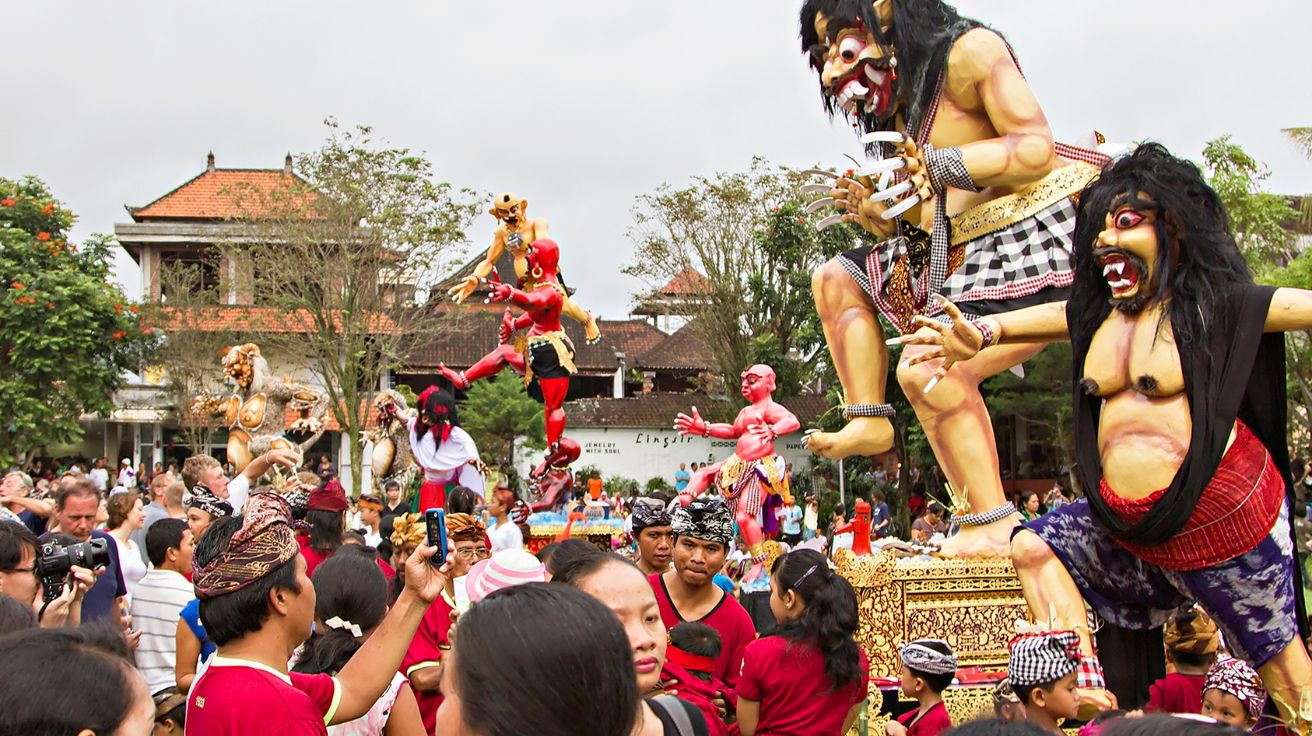
What if the most terrifying demons you can imagine are actually created to bring peace and purification?
This is the captivating paradox at the heart of one of Indonesia’s most spectacular events. The Bali Ogoh-ogoh festival presents a world where artistry meets spirituality in a breathtaking public display.
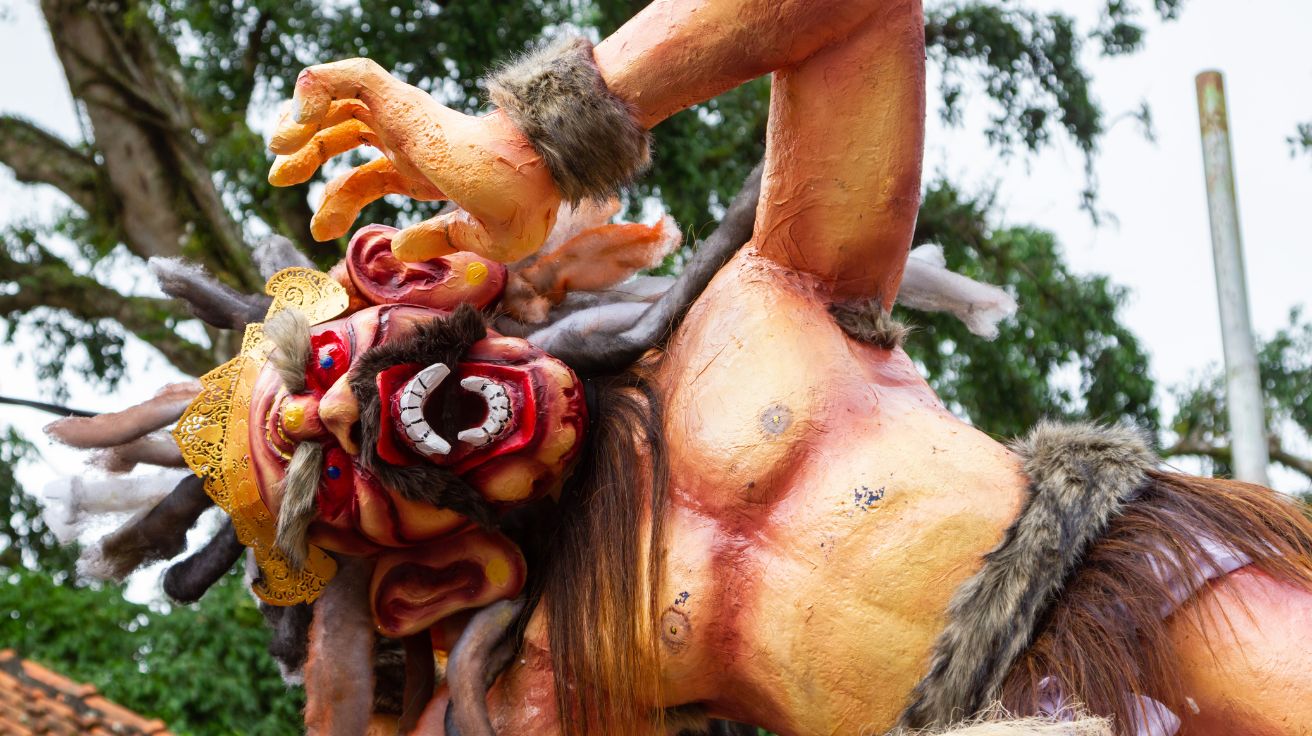

Imagine giant, intricately crafted statues of mythological beings parading through vibrant streets at dusk. This is not a scene from a fantasy film, but a profound Balinese Hindu tradition marking the eve of Nyepi, the Day of Silence.
For travelers seeking an authentic dive into Bali culture, this celebration is an unparalleled experience. It goes beyond a simple parade. It is a communal ritual of symbolic cleansing, where negative forces are acknowledged and released.
This article will guide you through the layers of meaning behind the roaring masks and dramatic performances. You will discover the deep spiritual significance and the incredible community effort that brings these ephemeral giants to life.
Understanding the Bali Ogoh-ogoh: More Than Just Monsters
The Ogoh-ogoh statues are more than just Halloween decorations. They are sacred symbols in a deep ritual that cleanses Bali. This ritual is a key part of Balinese tradition.
This tradition is rooted in Balinese Hindu spirituality. It turns a colorful parade into a meaningful act of faith. To truly understand it, you must look beyond the scary masks.
The Core Spiritual Purpose: Purification Before Silence
The main goal of the Ogoh-ogoh is to purify. Balinese Hinduism believes that bad spirits, or Bhuta Kala, build up over time. These spirits are linked to human flaws like greed and anger.
People create the Ogoh-ogoh to represent these dark forces. Making them is a way to acknowledge the evil that exists. It’s the first step in a cleansing ritual.
The parade, called Pengrupukan, is a symbolic expulsion. As the statues move through the streets, they carry away the negative energies. The noise and chaos are all part of this process.
This ritual is crucial. It prepares Bali for the calm of Nyepi. Without it, Nyepi wouldn’t be possible in this Balinese tradition.
Ogoh-ogoh and Nyepi: The Inseparable Ritual Pair
Ogoh-ogoh and Nyepi are two parts of a single ceremony. The parade is the loud end of the old year. Nyepi, the Day of Silence, is the quiet start of the new.
This sequence shows the balance of opposites. The chaos of Pengrupukan makes Nyepi’s silence more powerful. After getting rid of the bad, the island meditates and reflects.
For 24 hours, everything stops. No lights, no fires, no travel. It’s believed that with the world still, any left-over bad spirits will leave, thinking the island is empty.
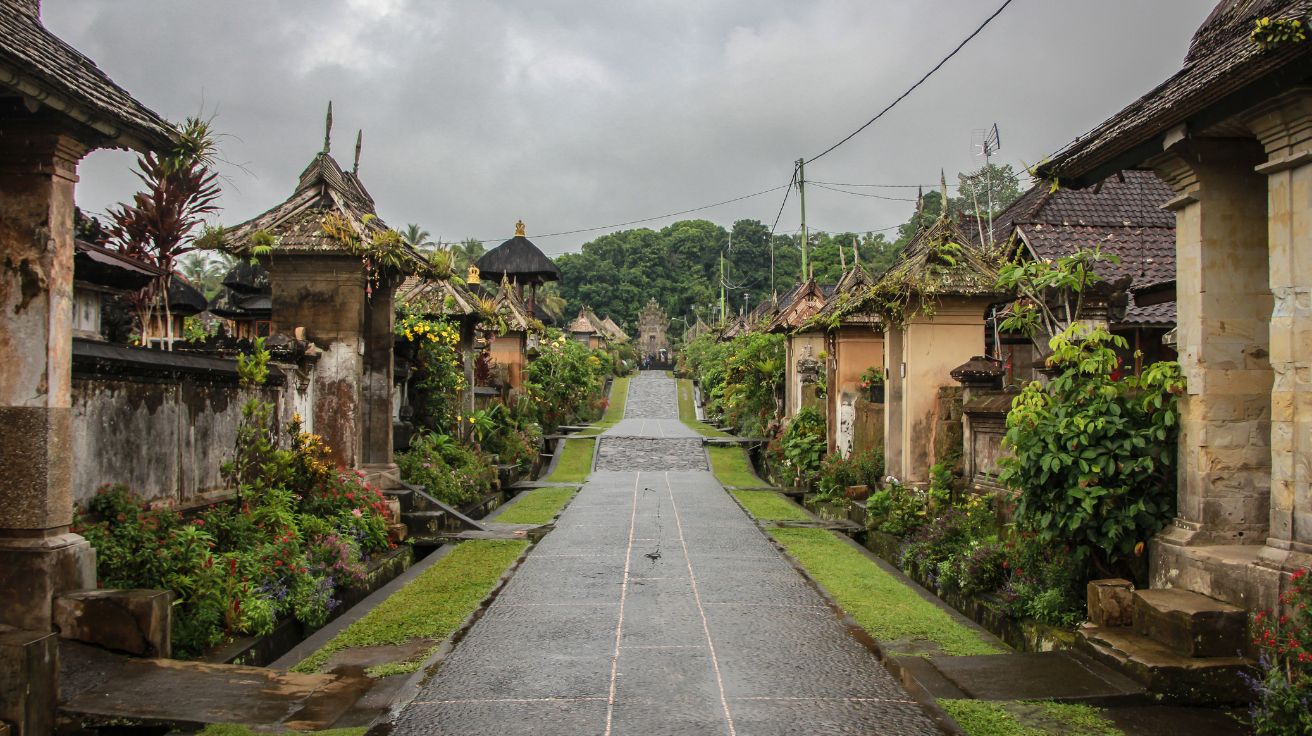
This pair defines the unique rhythm of this Balinese tradition. The parade is the storm before the calm. It’s a community’s breath out, making room for Nyepi’s breath in.
The Cultural Significance and Symbolism Behind the Statues
To truly appreciate the Ogoh-ogoh, look beyond their scary looks. These statues are more than just to scare people. They are spiritual symbols that represent the bad forces we all face.
Decoding the Demonic Features: What the Forms Represent
Every part of an Ogoh-ogoh statue has a special meaning. The long teeth symbolize greed and wanting too much. The sharp claws show violence and harm.
The big eyes and twisted faces show anger and jealousy. Sometimes, you see statues with many arms or heads. This means the bad energies are too much to handle.
These statues are based on Balinese stories. They make the bad forces real. This lets people see and fight against these vices together.
A Community’s Collective Act of Renewal
The cultural significance of Ogoh-ogoh goes beyond looks. The whole process, from making to parading, is a community effort. It brings the banjar (community group) together.
Young people build the statues, while elders guide them. Families help with materials and support. This teamwork strengthens bonds and shows unity.
When the village parades the statues, it’s a big statement. They show they know about the bad forces. Burning the statues cleanses the area and people’s hearts. It prepares them for Nyepi’s peace.
This cycle of making, parading, and burning is a yearly renewal. It keeps the community strong and gives everyone a spiritual fresh start.
Witnessing the Artistry: From Bamboo to Beast
The Ogoh-ogoh’s creation is a marvel of Balinese artistry. It starts with bamboo frames and ends with colorful beasts. This journey transforms simple materials into symbols that excite whole villages.
Local artisans are the heart of this magic. Their traditional artistry mixes old techniques with new ideas. Before the parade, workshops buzz with activity. Here, the demonic forms slowly come to life.
Traditional Materials and Modern Twists
The Ogoh-ogoh’s base is a bamboo frame. Artisans shape and tie the poles for a strong, light skeleton. Then, they add layers of paper mache or cloth, and paint with natural and modern colors.
This traditional artistry respects the past but also innovates. Today, you’ll see modern touches like recycled materials. These additions add texture and highlight environmental awareness.
Modern themes also influence designs. You might see statues inspired by pop culture or current events. This keeps the tradition fresh for younger people.
The Heart of the Work: Bali’s Youth Groups
Bali’s youth drive this creative explosion. Local young men’s associations, or sekaha teruna, lead the project. They handle everything from sketches to the final paint job.
This work is a rite of passage and a community builder. It teaches teamwork, problem-solving, and art. Elders guide the process, sharing knowledge on proportions and symbols.
This exchange between generations is key. It keeps the traditional artistry alive while allowing youth to bring new ideas. Their energy breathes life into the ritual every year.
Seeing an Ogoh-ogoh parade is more than just watching a monster. It’s witnessing a community’s effort, skill, and pride. The craftsmanship is a living tradition with deep spiritual and social meaning.
Your Step-by-Step Guide to Experiencing the Ogoh-ogoh Parade
To see the Ogoh-ogoh parade, plan ahead. This guide helps you enjoy the event fully. You’ll know where to go and how to join in.
Step 1: Plan Your Visit – Timing and Best Locations
First, check the Balinese Saka calendar for the parade date. It’s on the eve of Nyepi, called Tawur Kesanga. This is the day before the Day of Silence, usually in March.
For the best parades, visit cultural centers. Denpasar has big, detailed statues. Ubud offers a traditional feel. Sanur and Seminyak also have great displays.
Get to your town by late afternoon. The parade starts around 6 PM, as it gets dark.
Step 2: Position Yourself for the Best View
Crowds gather early. Find a spot on a sidewalk or elevated curb before it starts. Stay off the road for safety.
Stand near a temple or intersection. These spots are key for blessings and the final burning. Be ready for a lively atmosphere and keep your things safe.
Step 3: Immerse Yourself in the Parade Spectacle
Experience the parade fully. Use all your senses as the parade masterpiece unfolds.
The parade starts with the Pengerupukan ceremony. Young men carry the Ogoh-ogoh statues through the streets. They shake the statues to drive out evil spirits.
The air is filled with noise—shouting, music, and firecrackers. The goal is to make as much noise as possible. Feel the energy of the crowd as it purifies the island.
The Climactic Burning Ritual
The parade ends with a burning ritual. The statues are set on fire in an open field. This represents the destruction of evil and purification.
Seeing the statues burn is a powerful moment. It shows the fleeting nature of the world and spiritual renewal. As the fires go out, a quiet begins, marking the start of Nyepi.
Essential Etiquette: How to Participate Respectfully
When you visit the Ogoh-ogoh celebrations, show respect for its spiritual value. It’s not just a show; it’s a sacred tradition. Your respectful actions honor the hosts and help you understand more.
Following local customs makes you a thoughtful guest. Here are some tips to help you enjoy the event respectfully. They ensure your presence adds to the event’s meaning, not takes away from it.
Dress and Demeanor: Blending In, Not Standing Out
Your clothes say a lot. In Bali, modesty is key during religious events. Wear something that covers your shoulders and knees. Choose light, breathable fabrics in respectful colors for the warm weather.
How you act is also crucial. Be quiet and watchful. Don’t talk loudly or laugh during serious moments. You’re seeing a spiritual cleansing.
Pay attention to where people are standing. Don’t enter ritual areas or get between participants and their offerings. This shows respect for Indonesian folklore and tradition.
Navigating Photography and Interaction
Taking photos is okay, but do it with care. Always ask for permission before taking pictures of people, like priests or focused participants. A simple smile and a polite gesture usually works.
Don’t use flash during processions or prayers. The sudden light can be distracting. Be ready to put your camera away during the most sacred parts. The experience is more important than the photo.
If you want to talk to locals, say “Selamat sore” (good afternoon). Showing genuine interest is usually welcomed in this Indonesian folklore.
By following these guidelines, you help keep the event sacred. You also get to connect more deeply and have a richer experience. Your respect ensures this tradition is treated with the dignity it deserves, showing true appreciation for Indonesian folklore.
Practical Logistics for a Seamless Festival Experience
A great festival experience combines amazing sights with smart planning. This includes how to move around and plan your trip with Hindu mythology’s sacred timeline. While the spiritual and artistic parts are key, being well-prepared lets you enjoy everything fully. This section covers the basics for moving, staying safe, and planning your time.
Transportation, Safety, and Crowd Management
On the parade night, roads will close and traffic will be heavy in Denpasar, Ubud, and other big towns. Arriving early is best. Use a local app like Gojek or Grab to get close, then walk the rest of the way. Staying in a hotel near the parade route is a big plus.
Staying safe in big crowds is crucial. Carry your things in a secure bag and keep an eye on your surroundings. The vibe is usually happy, but pickpocketing can happen. Drink water and wear comfy shoes, as you’ll be standing for hours.
Crowds will grow as sunset nears. Find a spot early and be ready to stay. Remember, you’re part of a sacred tradition. Avoid pushing and respect the flow of the parade.
Planning Your Entire Bali Trip Around Nyepi
The Ogoh-ogoh parade is just the start of Nyepi, the Day of Silence. Plan your whole trip around this special day. Book your hotel well in advance, as they fill up fast. On Nyepi, the island is quiet, with no lights, travel, or work.
Plan your flights carefully. Don’t leave on Nyepi. If you must leave, get a special permit from your hotel. Many find the quiet a great chance to rest and think after the parade.
Consider staying longer. Visit places like Tanah Lot or Uluwatu before Nyepi. After, explore Uluwatu’s beaches or Tegallalang’s rice terraces. This way, you can fully enjoy Nyepi and learn more about Balinese culture, all tied to Hindu mythology.
Conclusion
The Ogoh-ogoh parade is a deep dive into Bali’s soul. It’s more than just giant monsters. It’s a spiritual cleanse, a community effort, and an art form.
Creating and parading these statues purifies Bali before Nyepi’s silence. It shows the link between Balinese art and Hindu Dharma philosophy.
Seeing this festival with respect and understanding makes your trip better. It lets you go beyond just watching to truly appreciate the culture. The energy of the youth and the community’s unity are unforgettable.
Your trip to see the Ogoh-ogoh is more than just a visit. It’s a chance to grasp the balance and renewal in Balinese culture. This festival is a strong symbol of the island’s living traditions.
FAQ
What is the main spiritual purpose of the Bali Ogoh-ogoh festival?
What do the demonic features of an Ogoh-ogoh statue represent?
Who creates the Ogoh-ogoh statues?
When is the best time to see the Ogoh-ogoh parade in Bali?
Where is the best place to watch the Ogoh-ogoh parade?
What should I wear to the Ogoh-ogoh festival?
Can I take photos during the parade and rituals?
What happens to the Ogoh-ogoh statues after the parade?
How does Nyepi, the Day of Silence, affect travel in Bali?
Is the Ogoh-ogoh parade safe for families with children?