West Bali: Uncover the Island’s Hidden Gems

What if we told you the most authentic Bali experience isn’t found in the crowded southern beaches?

Most travelers flock to popular spots, missing the island’s best-kept secret. You’ll find pristine landscapes, rich cultural heritage, and untouched natural beauty.

west Bali

This region offers something truly special. You’ll discover serene temples, lush national parks, and secluded coastlines. It’s a world away from the typical tourist trail.

We’ll show you why this area deserves your attention. Get ready to explore authentic local life and breathtaking scenery. Your adventure into Bali’s hidden gems begins here.

Why West Bali Deserves Your Attention

Most people visit Bali’s southern beaches, but West Bali is a hidden gem. It offers authentic experiences that are hard to find in touristy spots. West Bali shows you traditional island life and stunning natural beauty.

Beyond the Tourist Crowds of South Bali

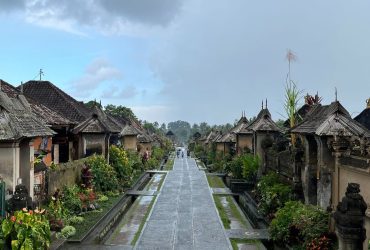
South Bali is crowded with tourists and commercial spots. West Bali is peaceful and untouched. Here, you can enjoy beaches and explore villages where life goes on as it has for years.

Life moves at a slower pace in West Bali. You’ll dive into real Balinese culture, not just tourist shows. This area keeps its true spirit because it’s not overdeveloped for tourists.

west bali tranquil landscape

Authentic Cultural Experiences Awaiting Discovery

West Bali offers real cultural experiences that are rare today. You can visit family compounds and see daily rituals unchanged by modern times.

Locals are eager to share their traditions with curious visitors. You might join temple ceremonies or learn about traditional farming. These moments create unforgettable memories and a deeper understanding of Balinese culture.

The region’s craft villages keep ancient arts alive. Unlike mass-produced items, West Bali’s artisans make authentic pieces using traditional methods. You can see them work and buy directly from the creators.

Natural Wonders You Won’t Find Elsewhere

West Bali has unique ecosystems not found elsewhere in the island. Its national park protects mangrove forests, coral reefs, and more. This biodiversity offers wildlife encounters you won’t find in other parts of Bali.

Menjangan Island’s underwater world is some of Bali’s best for snorkeling and diving. The clear waters are home to vibrant coral gardens and marine life. Inland, you’ll find hidden waterfalls and volcanic landscapes that few tourists see.

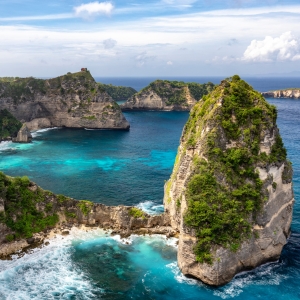
West Bali’s coastline has dramatic black sand beaches and secluded coves. These spots are perfect for photographers. The region’s varied terrain supports unique plants and animals found nowhere else on the island.

Essential Planning for Your West Bali Adventure

Planning well makes your West Bali trip smooth and memorable. We’ll help with timing, packing, and cultural tips for a real experience.

Best Time to Visit West Bali

West Bali has different seasons for different activities. The dry season, from April to October, is best for outdoor fun and beach time.

May to August has nice weather with little rain. It’s great for hiking, snorkeling, and visiting temples without bad weather.

The wet season, from November to March, makes the landscape green. Morning rain clears by afternoon, perfect for photos.

Local festivals happen all year. Check them out to make your trip more cultural.

What to Pack for Diverse West Bali Environments

West Bali’s different places need different clothes. Beach areas need swimwear and sun protection, while mountains need warm clothes.

Bring quick-dry clothes, reef-safe sunscreen, and good shoes. A light rain jacket is useful for sudden rain.

Remember mosquito repellent and basic first-aid. These help when exploring jungles and villages.

Wear modest clothes for temple visits. Sarongs and shoulder covers show respect in sacred places.

Understanding Local Customs and Etiquette

Balinese culture values respect and harmony. Knowing basic customs makes your trip better and shows you care about local traditions.

At temples, wear the right clothes and behave well. Remove shoes before entering and don’t point your feet at shrines or offerings.

Public displays of love are not common. Keep a respectful distance in villages and religious places.

Don’t step on canang sari offerings. Step around them to show respect.

Learning Balinese phrases like “Suksma” (thank you) shows you respect the culture.

Getting to West Bali: Transportation Guide

Getting to West Bali’s hidden spots needs some planning. But, the trip itself is part of the fun. We’ll show you the best ways to travel, so your journey begins well.

From Denpasar Airport to West Bali

Ngurah Rai International Airport is Bali’s main entry point. The drive to West Bali takes 3-4 hours, depending on traffic and your destination.

Private drivers offer the most comfort, costing $40-60. Shared shuttles are cheaper, at $15-25 per person.

Book your transfer early, mainly during busy seasons. The route goes through real villages and green landscapes.

Navigating Local Transportation Options

In West Bali, transport choices are fewer than in tourist areas. Bemos (local minivans) travel between villages cheaply.

Metered taxis are rare here. Instead, drivers quote fixed prices for trips. Always confirm the price before you go.

Walking is best for short trips in villages. It lets you find hidden spots you might miss.

Renting a Scooter or Car: What You Need to Know

Renting a vehicle lets you explore West Bali freely. Scooters cost $5-10 daily, while cars are $25-40.

You need an international driving permit for cars and bikes. Rental places will ask for your license.

Roads in West Bali vary. Main roads are paved, but smaller ones can be rough. Be careful, more so after rain.

Check your rental vehicle well before you start. Look at brakes, lights, and tires. Wearing helmets is a must for bike riders in Bali.

Where to Stay in West Bali

Finding the right place to stay in West Bali can really make your trip better. This area is less crowded than the south, offering many places to stay. You can find luxury, authentic stays, or rooms with ocean views.

Luxury Accommodations with Authentic Charm

West Bali’s luxury spots mix modern comforts with Balinese design. They have hand-carved wood, alang-alang roofs, and private villas. You’ll love the outdoor showers.

These places use local stone and traditional art. You’ll see infinity pools and spa treatments with local ingredients. The service is top-notch, yet very personal.

They focus on being green while offering luxury. You get a real taste of Bali’s culture without giving up comfort.

Budget-Friendly Guesthouses and Homestays

For those on a budget, family-run guesthouses are a great choice. They offer a chance to dive deep into Balinese culture at a low cost.

Staying with local families, you’ll hear about Balinese traditions. Breakfasts are homemade, with local dishes. The rooms are simple but clean, with traditional touches.

These homestays let you see daily life in Bali. You might join family ceremonies or learn about local customs. It’s a real experience that fancy hotels can’t offer.

Beachfront Properties with Stunning Views

West Bali’s coast has some of Bali’s most stunning beachfront properties. These places offer direct access to beautiful beaches with few people around.

Wake up to ocean views and fall asleep to waves. Many have private beach areas for amazing sunsets. The rooms are designed to show off the ocean with big windows and open-air living.

These spots range from mid-range to luxury. They all offer unbeatable access to West Bali’s coast. You can snorkel and swim right outside your door.

Whether you prefer Pemuteran’s black sand beaches or Medewi’s surf spots, beachfront stays in West Bali are the best for coastal experiences.

Exploring West Bali National Park

West Bali National Park is a stunning natural wonder. It offers a glimpse into Bali’s untamed beauty. The park is home to diverse ecosystems, from mangrove forests to dry savannahs. It’s a haven for many wildlife species.

Many see visiting this park as a highlight of West Bali. It’s known for its mix of land and sea adventures.

Hiking Trails and Wildlife Spotting

The park has trails for all fitness levels. You can choose from easy walks through coastal forests to tough mountain treks. Each trail shows off Bali’s natural splendor in its own way.

Early morning hikes are best for seeing wildlife. Animals are most active then. Keep an eye out for the endangered Bali starling and other creatures like barking deer and monkeys.

There are over 160 bird species here, making it a birdwatcher’s dream. Always keep a safe distance from wildlife and follow your guide’s advice.

Menjangan Island: Bali’s Premier Snorkeling Destination

Menjangan Island is off the northwest coast. It’s famous for its coral reefs and clear waters. Its protected status has kept the marine life thriving, making it a top spot for snorkeling and diving.

west Bali

The island’s coral walls are home to many marine species. You’ll see colorful corals, tropical fish, and sometimes sea turtles. It’s great for both seasoned divers and beginners.

Permits and Guided Tour Recommendations

To enter West Bali National Park, you need permits from the park office. These help fund conservation and control visitor numbers. Buy your permit a day before, if possible, to avoid delays.

Having a local guide is highly recommended. They can show you wildlife you might miss and share interesting facts about the park. Many tour operators offer guided tours, from half-day hikes to full-day adventures.

Guided tours are a great choice for first-timers. Guides know the best times for wildlife and can show you the park’s highlights. They also handle permits, so you can just enjoy the park.

West Bali’s Pristine Beaches and Coastal Wonders

The western shores of Bali show a different side of beauty. Volcanic sands meet clear waters in peaceful settings. Unlike the busy southern beaches, West Bali’s coast offers quiet retreats and natural wonders.

Medewi Beach: Surfing Paradise

Medewi Beach is a favorite for surfers worldwide. It has a famous long left-hand wave. The pebble beach has swells perfect for those who surf at an intermediate or advanced level.

west Bali

The wave can stretch up to 500 meters on good days. This makes it one of Bali’s longest rides. Surfing here is best in the early morning when the waves are perfect and there are fewer people.

Local surf schools offer board rentals and lessons. They help beginners get started. After surfing, you can relax with a drink or snack from the beachfront warungs.

Pemuteran’s Black Sand Beaches

Pemuteran’s black sand beaches are striking against the blue waters. The sand’s dark color comes from volcanic minerals. It gets hotter than white sand because of its color.

The beaches are great for swimming with gentle waves. You can see lots of marine life while snorkeling. Resorts along the beach offer places to relax and watch the sunset.

Secret Coves and Hidden Swimming Spots

West Bali has secret coves that are worth exploring. These spots have clear water and dramatic rock formations. They’re only accessible at low tide.

Visit these places on weekdays for a quieter experience. Wear the right shoes to get to these spots. Local guides can show you the best places and keep you safe.

These spots are perfect for swimming and taking photos without the crowds. Always take out what you bring and respect the environment.

Cultural Immersion in Traditional Villages

West Bali is a rare gem for experiencing balinese culture away from mass tourism. The traditional villages here keep old customs and art alive. Connecting with locals is where the real magic happens.

Visiting Authentic Balinese Temples

Exploring balinese temples in West Bali? Remember, these are places of worship. Dress modestly by covering your shoulders and knees. You can rent sarongs at the temple entrance.

Be quiet during prayer times and don’t walk in front of worshippers. The Pura Rambut Siwi temple complex is a must-see. It offers stunning ocean views and spiritual depth.

Traditional Craft Villages and Workshops

West Bali’s craft villages are home to unique traditions passed down through generations. In Pengastulan village, you can watch woodcarvers at work. They use ancient techniques to create stunning sculptures.

Textile villages show off traditional weaving, making beautiful endek fabrics. Some communities still make fishing nets the old way. Workshops often let visitors watch and sometimes join in.

Participating in Local Ceremonies and Festivals

Being invited to local ceremonies is a big honor. Temple festivals are full of color, music, and dance. Always listen to local advice on how to participate and take photos.

Galungan and Kuningan are big religious events in Bali. Villages decorate with penjor bamboo poles. These festivals are a great way to see balinese culture at its best.

Keep a respectful distance at private family ceremonies. Your quiet presence shows you value these traditions.

Adventure Activities in West Bali

West Bali is not just for beach lovers. It’s a place for those who crave excitement. The varied landscapes offer thrilling adventures that show Bali’s wild side.

Trekking to Remote Waterfalls

West Bali’s jungles hide amazing waterfalls. These treks take you through green forests and farmlands.

Local guides lead the way, sharing stories of each spot. Make sure to wear good shoes and stay hydrated.

At the end, you’ll find stunning waterfalls. You can swim in clear pools, surrounded by nature.

Diving and Snorkeling Adventures

West Bali’s underwater world is as beautiful as its land. It has healthy coral reefs and lots of marine life.

Menjangan Island is a top spot for diving. Its waters are clear all year.

Dive operators offer gear and tours. They help both new and experienced divers stay safe.

You’ll see colorful coral, fish, and maybe sea turtles. Snorkeling offers similar views, just closer to the surface.

Mountain Biking Through Rural Landscapes

Cycling in West Bali shows you local life. You’ll ride through rice fields, coconut groves, and coastal paths.

There’s a route for everyone, from easy to hard. Bike shops have good bikes and safety gear.

Riding early in the morning is best. You’ll see the most beautiful views and pass through villages with traditional crafts.

Guided tours include stops for drinks and snacks. They teach you about the culture and show you hidden spots.

Every adventure in West Bali lets you explore west bali in a new way. These experiences create memories that go beyond usual tourist spots.

West Bali Culinary Journey

West Bali’s food culture is a hidden gem. It keeps traditional cooking alive with family recipes passed down through generations. Join us to explore this authentic culinary world and taste true Balinese hospitality and flavors.

Traditional Warungs and Local Eateries

West Bali is filled with family-run warungs. They serve meals that have been loved for ages. These places offer a real taste of local life.

Warungs have simple wooden tables and menus in Indonesian. Just point at what you want in the glass case. Meals come with rice, veggies, and your choice of meat for a full plate.

Warungs are great value and help local families. They’re casual and welcoming, perfect for seeing Balinese life through food.

Must-Try West Balinese Specialties

West Bali has its own special dishes, different from the south. Fresh seafood is a big deal here, thanks to local fishermen.

Pepes ikan is a must-try. It’s fish marinated in spices, wrapped in banana leaves, and grilled. The banana leaves add a unique flavor.

Sate lembat is another favorite. It’s minced meat mixed with coconut and spices, then grilled. The coconut makes it special.

Jukut ares is a savory soup with banana stems, meat, and spices. It shows off West Bali’s creative use of local ingredients.

Cooking Classes and Food Tours

For a deeper dive into West Bali’s food, try cooking classes. They start with a trip to local markets to pick fresh ingredients.

Experts teach you traditional cooking and share stories about Balinese food. You’ll make everything from appetizers to desserts.

Food tours are another great way to find hidden spots. Local guides take you to family-owned places and street food stalls.

These tours also visit traditional markets. You’ll see daily life and learn about local ingredients. Both classes and tours connect you with local food artisans.

Book these experiences early in peak season. They get popular fast because they’re unique and not well-known.

Day Trips and Nearby Attractions

West Bali is full of amazing places to explore. These day trips show you cultural gems and beautiful views that many miss.

Visiting the Sacred Pulaki Temple

Pulaki Temple is one of Bali’s six directional temples. It guards the island’s western coast. The temple’s black stone architecture is stunning against the ocean.

west Bali

Expect to meet friendly monkeys at the temple. They add to the spiritual feel. Dress respectfully and bring offerings for prayers.

The temple’s location by the sea is perfect for photos, even more so at sunset. It’s open from sunrise to sunset. Entrance fees help keep the temple in good shape.

Journey to the Westernmost Point of Bali

Reaching Bali’s western tip is worth it for the views. You’ll see a historic lighthouse where two seas meet.

The drive there shows rural West Bali’s true beauty. You’ll see traditional fishing villages and untouched landscapes.

At the viewpoint, you can see where the Bali Sea meets the Indian Ocean. It’s perfect for photos and quiet moments.

Allow a full afternoon to enjoy this remote spot. Bring water and snacks since facilities are limited.

Practical Tips for West Bali Exploration

Our final guide section offers essential advice for a smooth and memorable West Bali adventure. These practical insights will help you navigate the region’s unique characteristics with confidence.

Staying Safe and Healthy During Your Trip

West Bali’s remote beauty requires some special safety considerations. Pack a basic first-aid kit with bandages, antiseptic, and motion sickness medication for winding roads.

Road safety demands attention – many routes are narrow and shared with livestock. Drive defensively and avoid night travel when possible.

Stay hydrated in the tropical climate and use reef-safe sunscreen. We recommend drinking bottled water and being cautious with street food to prevent stomach issues.

Money Matters and Local Shopping

Cash remains king in West Bali’s less-developed areas. While major hotels accept cards, smaller establishments and markets require Indonesian rupiah.

ATMs become scarce outside main towns. Withdraw sufficient cash in larger centers like Gilimanuk or Negara before exploring remote areas.

For authentic shopping, seek out handmade crafts directly from village artisans. Silverwork from Pemuteran and traditional textiles from local markets make meaningful souvenirs.

Communication and Internet Access

Mobile coverage varies significantly across West Bali’s landscape. Coastal areas generally have good signal, while mountainous regions may experience dropouts.

Purchase a local SIM card at the airport or in Denpasar for reliable connectivity. Telkomsel offers the best coverage in remote areas.

Learn basic Indonesian phrases like “terima kasih” (thank you) and “berapa harganya?” (how much?). This effort enhances interactions where English isn’t widely spoken.

Most accommodations provide WiFi, though speeds may be slower than in southern Bali. Download offline maps and important information before heading into remote zones.

Conclusion

West Bali offers a unique Balinese experience. It’s different from the island’s busy southern areas. Here, you’ll find cultural richness and natural beauty.

We suggest exploring beyond the usual tourist spots. Visit traditional villages and pristine beaches. Enjoy the slower pace and deeper connections.

Remember the practical tips we shared. They help ensure a smooth and memorable trip. From transportation to local customs, we covered key details.

West Bali invites you to discover its hidden gems. Embrace the adventure and cultural immersion. Your journey here will be unforgettable.

FAQ

What makes West Bali different from the more popular southern regions?

West Bali offers a real, less touristy vibe. It has fewer people, stunning nature, and a deeper dive into local culture. This is unlike the busy south.

When is the best time to visit West Bali?

Visit from April to October for the best weather. But, some parts of West Bali stay green all year.

How do we get from Denpasar Airport to West Bali?

Rent a car or hire a private driver for the 3-4 hour trip. Public transport is hard to find and not very convenient for West Bali.

What type of accommodation options are available in West Bali?

You can find luxury eco-resorts, beachfront villas, and budget-friendly homestays. These offer a more genuine experience than big tourist hotels.

Do we need special permits to visit West Bali National Park?

Yes, you need permits to enter the national park. Get them from guides or at the entrance. Hiring a guide is the best way to see it.

What are the must-try local dishes in West Bali?

Try fresh seafood, bebek betutu (slow-cooked duck), and Balinese dishes unique to West Bali. Local warungs are great places to eat.

How reliable is internet and mobile service in West Bali?

Internet and mobile service are good in towns but spotty in remote areas. Download maps and info before you go.

What cultural etiquette should we observe when visiting temples and villages?

Dress modestly and use sarongs in temples. Always ask before taking photos of people. Be respectful during ceremonies. These rules are key in West Bali.

Are there ATMs and banking facilities readily available in West Bali?

Carry enough cash because ATMs are rare outside big towns. Credit cards are mostly accepted at hotels and resorts, not local shops.

What adventure activities are unique to West Bali?

Enjoy snorkeling at Menjangan Island, trekking to waterfalls, and exploring black sand beaches. These are West Bali’s special activities.