

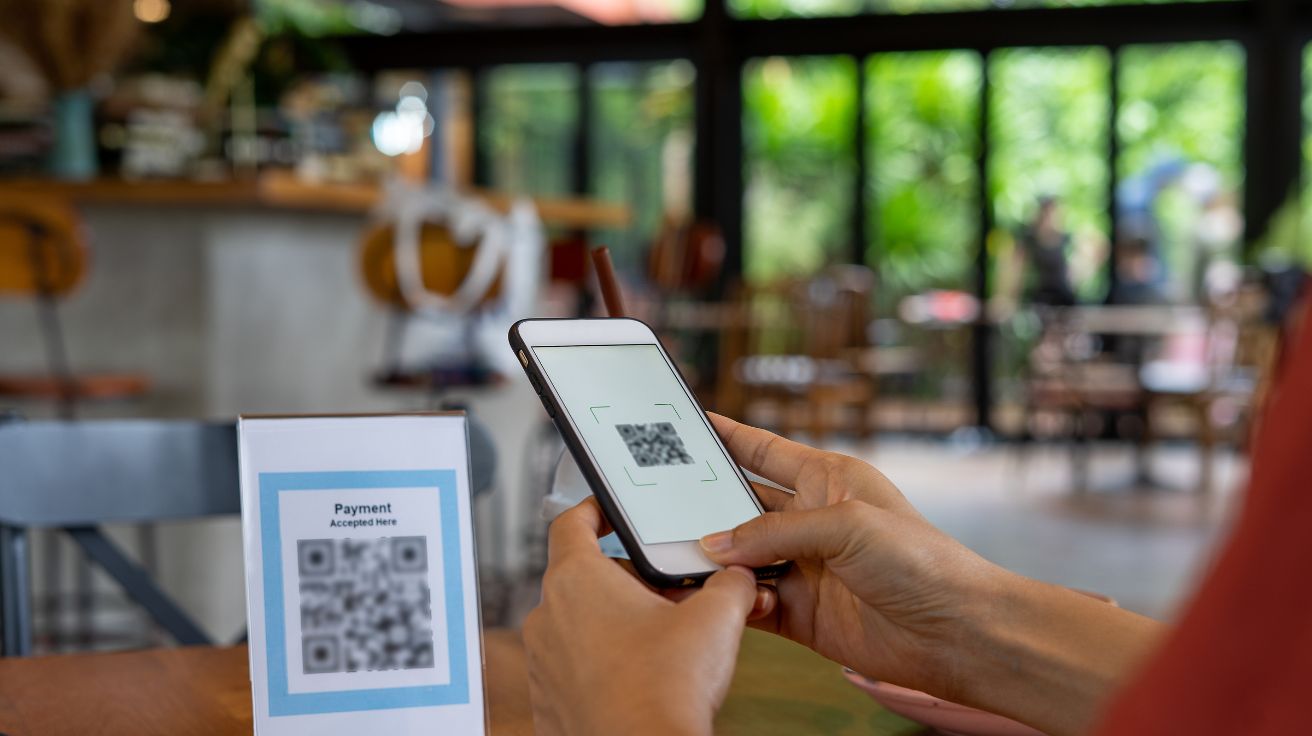
Hey there, fellow adventurers! If you’re planning a trip to Bali, you’re in for a treat. The Island of the Gods is constantly evolving to make your experience smoother and more enjoyable. From lightning-fast 5G internet to handy apps for getting around, convenience is truly taking center stage. And now, there’s a fantastic development that’s revolutionizing how you handle your money here: a new Bali digital payment system that’s gaining popularity among international visitors.
Imagine exploring vibrant markets, dining at charming cafes, or picking up unique souvenirs, all without fumbling for cash or worrying about currency exchange rates. That’s the promise of the QRIS system, a smart, QR-code-based solution designed to make spending in Bali as effortless as a tropical breeze. It’s truly a game-changer for international travelers, allowing you to pay using your home currency right from your smart device. Pretty neat, right?
What is the Bali Digital Payment System (QRIS)?
Let’s break down this fantastic innovation. QRIS, short for Quick Response Code Indonesian Standard, is Indonesia’s unified QR code payment standard. Think of it as a universal QR code that allows you to make payments from various digital wallets or banking apps. For international travelers, the cross-border QRIS system is the real magic. It enables you to use your existing payment apps from your home country to scan a QRIS code and pay in Indonesian Rupiah (IDR), with the conversion handled automatically.

This system eliminates the need for physical cash or even carrying multiple cards. You simply scan the merchant’s QRIS code with your compatible payment app, confirm the amount in your home currency, and voilà – your transaction is complete! The system then automatically converts your currency to Rupiah before depositing it directly into the merchant’s account. It’s fast, secure, and incredibly convenient.
Why QRIS is a Game-Changer for Your Bali Trip
For years, managing money in Bali meant navigating currency exchange booths, often with varying rates and sometimes even scams (more on that later!). Credit cards are widely accepted in larger establishments, but cash has always been king for smaller vendors, street food, and everyday purchases. The introduction of QRIS bridges this gap beautifully, offering several benefits:
- Effortless Transactions: No more counting out Rupiah or waiting for change. Just scan and go!
- Currency Conversion Made Easy: Your home bank handles the exchange, often at competitive rates, and you see the amount in your familiar currency.
- Enhanced Security: Digital payments reduce the risk of theft compared to carrying large amounts of cash.
- Wider Acceptance: QRIS is being rapidly adopted by businesses of all sizes, from boutique hotels to roadside stalls.
- Budget Control: Tracking your spending becomes simpler when it’s all digital.
These advantages are why the Bali digital payment system is quickly becoming a favorite among savvy travelers. It truly empowers you to focus on enjoying the beauty and culture of Bali, rather than the logistics of payment.
Who’s Already Embracing QRIS in Bali?
You might be wondering which countries are already benefiting from this cross-border payment marvel. According to Erwin Soeriadimadja, the Head of Bank Indonesia (BI) Bali, the system has seen significant adoption, particularly among visitors from Southeast Asia. Data highlights impressive year-on-year increases in inbound cross-border QRIS transactions:
- Malaysia: A staggering 196% increase
- Thailand: Up by 183%
- Singapore: Increased by 156%
These numbers speak volumes about how travelers are finding value in this convenient payment method. It makes perfect sense, doesn’t it? Saving time and money while traveling is always a win. And the good news doesn’t stop there!
Bank Indonesia is actively working to expand the reach of cross-border QRIS. They’re collaborating with various transaction service providers in popular tourist zones, and excitingly, testing is currently underway for expansion to major markets like China and South Korea. This means more and more travelers will soon be able to experience the ease of digital payments in Bali.
The Vision for a Cashless Bali
The push for widespread digital payments in Bali isn’t just about convenience; it’s part of a broader vision for the island’s economic development and modernity. The island has been at the forefront of Indonesia’s digital transformation, and QRIS is a cornerstone of this initiative.
Bank Indonesia Bali aims to reach a national target of 140 million QRIS merchants by the end of 2026. This ambitious goal ensures that the system isn’t just for big hotels or fancy restaurants. Instead, it’s designed to be accessible even to small businesses and solo entrepreneurs, empowering local communities and ensuring that the economic benefits of tourism reach every corner of the island.
I Nyoman Sudharma, President Director of Bank BPD Bali, emphasized that these digital innovations, including QRIS Cross Border and NFC (Near Field Communication), are crucial. They act as “strategic bridges” that ensure every transaction made by international visitors directly supports businesses, even those in remote villages, with efficiency and security. This means your morning coffee at a local warung or that handmade souvenir from a village artisan can all contribute to the local economy seamlessly.
It’s worth noting that the QRIS system has already transformed daily life for Indonesian nationals, who now widely use it for everything from groceries to utility bills. This established domestic infrastructure provides a strong foundation for its international expansion, guaranteeing robustness and reliability for your travel needs.
Navigating Payments: Cash vs. QRIS vs. Cards
While the future of payments in Bali is undoubtedly digital, a well-traveled friend will tell you that a balanced approach is always best. The rapid adoption of QRIS is a huge positive, but it will take some time before the system is universally available to travelers from all corners of the globe, including Australia, Europe, and North America. Even when it is, there are still situations where traditional payment methods remain essential.
When to Rely on QRIS (and Compatible Apps)
For most of your transactions in major tourist hubs like Seminyak, Canggu, Ubud, and Nusa Dua, you’ll find QRIS widely available. Look for the QRIS logo at:
- Hotels and villas
- Restaurants and cafes
- Larger shops and boutiques
- Many tour operators and activity providers
- Modern convenience stores
Before you travel, it’s wise to check if your home country’s banking or payment apps are compatible with cross-border QRIS. Often, banks in the initially targeted countries (like Malaysia, Thailand, Singapore) have integrated this functionality directly into their existing mobile banking apps. For others, specific international payment apps might be your gateway. A quick search online or a call to your bank can clarify your options.
Vibi Tip: Before your trip, download and set up a reputable digital wallet app that supports international QRIS payments, if available for your region. Many popular local Indonesian e-wallets also support QRIS, but often require an Indonesian phone number and local bank account setup, which can be tricky for short-term tourists. Focus on the cross-border compatible options from your home country for the smoothest experience!
The Enduring Power of Cash in Bali
Even with the rise of digital payments, a smart traveler always keeps a little cash on hand. Here’s why and when you’ll still need Indonesian Rupiah:
- Local Warungs and Street Food: Some of the most authentic and delicious food experiences happen at small, cash-only establishments. Don’t miss out!
- Remote Areas and Smaller Villages: Venture off the beaten path to discover hidden waterfalls, serene rice paddies, or traditional crafts, and you’ll often find that cash is the only way to pay for entry fees, small purchases, or local guides.
- Tipping: While not mandatory, tipping for excellent service (drivers, spa therapists, hotel staff) is greatly appreciated and best done in cash.
- Transport (Grab/Gojek vs. Local Taxis): While ride-hailing apps like Grab and Gojek offer cashless options, some local taxis or private drivers might prefer cash, especially for longer journeys or if their payment system is offline.
- Unexpected Situations: From sudden parking fees to purchasing a sarong at a temple entrance, having small denominations of Rupiah can be a lifesaver.
It’s a good idea to carry a mix of smaller and larger denominations. Around IDR 500,000 to 1,000,000 (roughly USD 30-65) in your wallet should cover most spontaneous cash needs for a day or two, especially if you’re mixing it with digital payments.
Using Credit and Debit Cards
Major credit and debit cards (Visa, Mastercard) are widely accepted at larger hotels, resorts, upscale restaurants, and major shopping centers. However, be mindful of potential foreign transaction fees from your bank. Always opt to be charged in Indonesian Rupiah (IDR) if given the choice, as allowing the merchant to convert to your home currency (Dynamic Currency Conversion) often results in less favorable exchange rates.
Staying Safe with Your Money in Bali
Whether you’re using the cutting-edge Bali digital payment system, swiping your card, or carrying cash, safety should always be a priority. Here are a few essential tips:
- Be Aware of Money Exchange Scams: If you’re exchanging cash, always go to authorized money changers, usually found in banks or official outlets. Avoid street vendors offering unusually good rates. Count your money carefully and don’t get distracted.
- Protect Your Digital Devices: Keep your smartphone secure with a strong password or biometric unlock. Be cautious about public Wi-Fi networks when making financial transactions.
- Monitor Your Bank Statements: Regularly check your bank and credit card statements for any unusual activity, especially after your trip.
- Split Your Funds: Don’t keep all your cash or cards in one place. Diversify your payment options across different bags or security pockets.
- Inform Your Bank: Let your bank know about your travel plans to Bali to avoid any holds or fraud alerts on your cards.
By being mindful and prepared, you can enjoy all the convenience and security that Bali’s evolving payment landscape offers.
Embrace the Future of Travel Payments in Bali
Bali truly is a destination that blends ancient traditions with modern conveniences, and its payment ecosystem is a perfect example. The rapid adoption and expansion of the Bali digital payment system through QRIS demonstrate a clear commitment to making your travels here as smooth and enjoyable as possible.
As you plan your Balinese escape, remember that while digital payments are making huge strides, a little bit of local cash will still be your trusted companion for those authentic, spontaneous moments that make Bali so special. With a smart mix of payment methods, you’ll be perfectly equipped to explore every enchanting corner of this incredible island, from the bustling beach clubs to the tranquil rice fields, all with peace of mind. Get ready to experience Bali like never before!
FAQ
What is QRIS in Bali, and how does it help international tourists?
QRIS is Indonesia’s standardized QR code payment system. For tourists, it allows you to pay in Indonesian Rupiah using your home country’s compatible payment app, with automatic currency conversion, making transactions easy and cashless.
Do I still need to carry cash when traveling in Bali?
Yes, it’s highly recommended to carry some cash. While QRIS is growing, many small vendors, local eateries, and businesses in more remote areas still primarily accept cash for payments.
Which countries’ travelers can currently use cross-border QRIS in Bali?
Currently, cross-border QRIS is widely adopted by travelers from Malaysia, Thailand, and Singapore, with testing underway for expansion to China and South Korea.
Is using QRIS in Bali secure?
Yes, using QRIS is generally secure as it minimizes the need to carry physical cash and relies on the security protocols of your banking or payment app. Always protect your device and use trusted networks.
What should I do if my home country’s payment app isn’t compatible with QRIS?
If your home app isn’t directly compatible with cross-border QRIS, you’ll primarily rely on a mix of cash and traditional credit/debit cards for your payments in Bali. Always inform your bank of your travel plans beforehand.