

So, you’ve set your sights on Bali! The Island of the Gods offers an incredible mix of natural beauty, spiritual experiences, and a vibrant culture, all surprisingly accessible even if you’re watching your wallet. Whether you’re planning an extended digital nomad stint or a short, adventurous backpacking trip, making your pennies stretch further often means embracing local living and navigating new situations. That’s why understanding crucial Bali safety tips budget travelers need is paramount for a smooth, worry-free adventure. You’re not just chasing experiences; you’re also looking for peace of mind, right?
We’re here to share the real talk on staying safe while enjoying Bali on a shoestring. Forget the generic advice; we’re diving into practical, actionable insights that will empower you to explore confidently, avoid common pitfalls, and make the most of every rupiah without compromising your well-being. Let’s get you prepped for an epic, secure journey through paradise!
Smart Money Management and Scam Prevention on a Budget
When every dollar counts, protecting your finances becomes a top priority. Bali is generally safe, but like any popular tourist destination, it has its share of opportunists. Knowing how to handle your money wisely can save you a lot of grief.

ATM Smarts and Cash Exchange
- Choose Reputable ATMs: Stick to ATMs attached to banks or inside mini-marts. Avoid isolated ones, especially late at night. Always check for tampering on the card slot or keypad. If something feels off, find another machine.
- Cover Your PIN: This seems obvious, but it’s easy to forget in a rush. Always shield your PIN when entering it.
- Withdraw Sensibly: Don’t carry all your cash at once. Withdraw smaller amounts more frequently. This limits your loss if something goes wrong.
- Currency Exchange Caution: If you’re exchanging currency, always use authorized money changers, ideally ones that are licensed and have fixed rates displayed. Steer clear of small booths offering rates that seem too good to be true – they often involve sleight-of-hand scams. Count your money carefully and don’t get distracted.
Thinking about how to stretch your Rupiah even further? For an in-depth look at managing your expenses, you’ll find our guide on the cost of living in Bali incredibly helpful. It covers everything from daily spending to long-term budgeting strategies.
Navigating Common Scams
Forewarned is forearmed! Here are a few common scams to be aware of:
- Taxi Meter Manipulations: Always insist on the meter (argo). If they refuse, find another taxi or use ride-hailing apps like Gojek or Grab (which are often cheaper and more transparent). Confirm the price before getting in if using a fixed-fare option.
- Fake Tourist Information: Don’t trust unsolicited advice from strangers claiming to be official tourist guides. They might try to steer you to overpriced shops or tours.
- Broken Meter Scooters: When renting a scooter, thoroughly inspect it for damage before taking it. Take photos or videos. Some rental places try to charge tourists for pre-existing damage upon return.
- Temple Scams: While rare at major temples, some smaller, less-frequented ones might have individuals claiming you need an expensive guide or offering to ‘cleanse’ you for a fee. Always check official entry fees and requirements.
Riding the Roads Safely in Bali
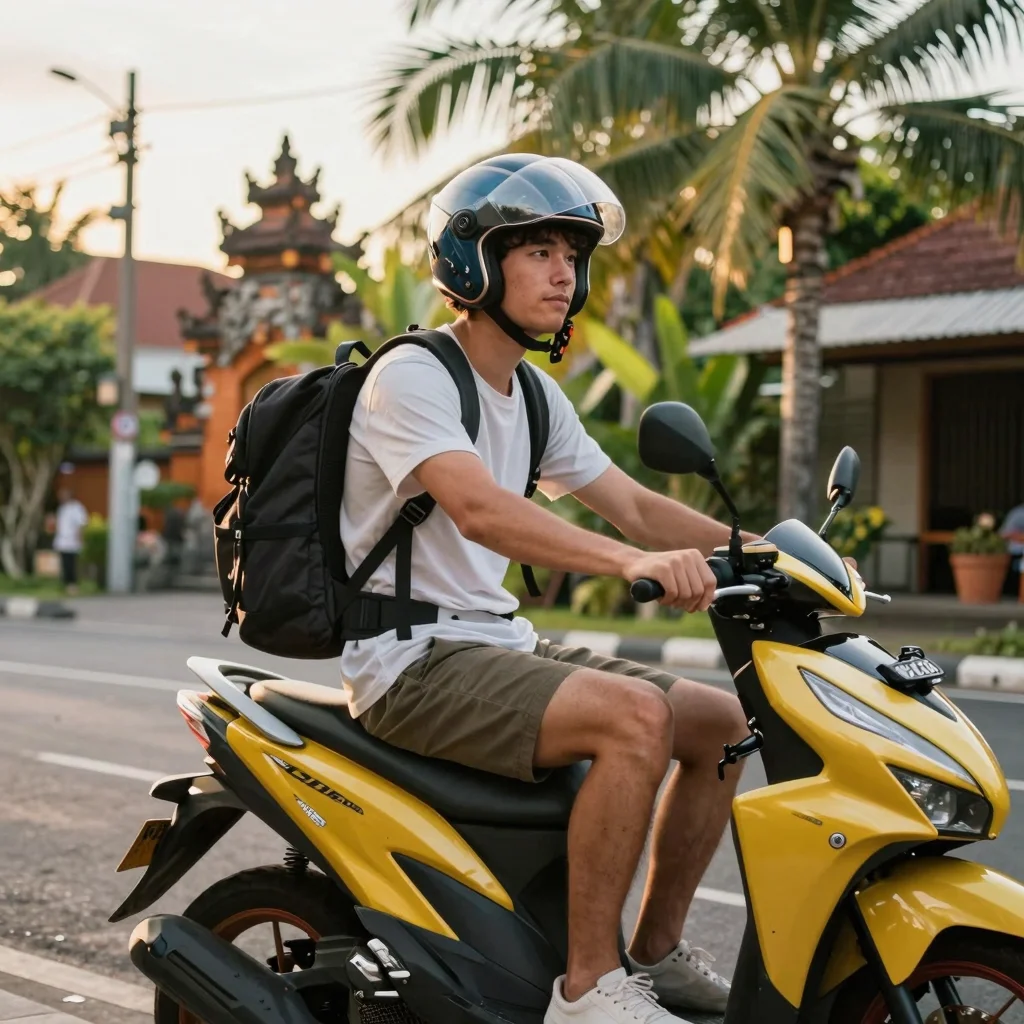
Scooters are the quintessential Bali experience for many budget travelers, offering freedom and affordability. However, Bali’s roads can be chaotic and unforgiving. Safety should always be your number one priority.
Scooter Safety Essentials
- Always Wear a Helmet: This is non-negotiable. Not only is it legally required, but it’s your primary protection in an accident. Ensure it fits properly and is securely fastened.
- International Driving Permit (IDP): Get one before you arrive. While some rental places might not ask, police checks are common, and riding without one can lead to fines and invalidate your travel insurance in case of an accident.
- Insurance: Check if your travel insurance covers motorcycle accidents, especially if you’re not licensed in your home country to ride a motorcycle. Most standard policies require a valid motorcycle license.
- Defensive Riding: Assume other drivers won’t see you. Drive slowly, anticipate sudden stops, and be aware of your surroundings – potholes, gravel, pedestrians, and animals are common hazards.
- Don’t Drink and Drive: This applies everywhere, but especially in Bali where roads can be challenging even when sober.
- Practice First: If you’re not experienced, practice riding in a quiet area before venturing onto busy roads. Consider taking a taxi or ride-hailing app for longer or more complex journeys until you build confidence.
Pedestrian Pointers
Walking in Bali, especially in popular areas like Kuta or Seminyak, can be tricky. Sidewalks are often uneven, nonexistent, or blocked by parked scooters. Be vigilant, watch your step, and always assume traffic won’t stop for you.
Health and Wellness: Staying Well Without Breaking the Bank
Getting sick on the road is never fun, and medical expenses can quickly derail a budget trip. Proactive health measures are key.
Food and Water Wisdom
- “Bali Belly” Prevention: Be mindful of what you eat and drink. Stick to bottled water (check the seal!) and avoid ice in drinks unless you’re sure it’s made from purified water. For food, choose busy warungs (local eateries) where food turnover is high and everything is freshly cooked.
- Wash Your Hands: Carry hand sanitizer and use it frequently, especially before eating.
- Street Food Savvy: Don’t be afraid of street food – it can be delicious and cheap! Just observe hygiene standards. Look for vendors who cook food fresh to order, wear gloves, and have a clean setup.
Sun and Insect Protection
- Sunscreen is Your Friend: The equatorial sun is intense. Use high SPF sunscreen, wear a hat, and seek shade during peak hours (10 AM to 3 PM). Sunburn can ruin your trip and lead to long-term health issues.
- Mosquito Repellent: Dengue fever is present in Bali. Use repellent, especially at dawn and dusk. Consider sleeping under a mosquito net if your accommodation isn’t sealed or air-conditioned.
Basic Medical Preparedness
- First Aid Kit: A small kit with band-aids, antiseptic wipes, pain relievers, anti-diarrhea medication, and any personal prescriptions is invaluable.
- Travel Insurance: While not a budget item, good travel insurance is a non-negotiable safety net. Ensure it covers medical emergencies, evacuation, and theft. The upfront cost is tiny compared to potential hospital bills.
When it comes to preparing for your trip, especially if you’re on a tight budget, our comprehensive Bali packing list budget guide offers smart suggestions on what to bring to save money and stay healthy.
Protecting Your Valuables and Personal Space
Budget travel often means staying in hostels or guesthouses, which are generally safe but require some common-sense precautions.
Security Savvy for Accommodation
- Lockers are Essential: If staying in a hostel, use the provided lockers for your passport, cash, electronics, and other valuables. Bring your own padlock or purchase one locally.
- Don’t Flash Cash: Keep your wallet or purse discreet. Avoid counting large sums of money in public.
- Secure Your Room: Always lock your room door and windows, even if you’re just stepping out for a minute.
- Bag Snatching: Be aware of your bag, especially when riding a scooter or walking on busy streets. Wear your backpack on your front in crowded areas, and keep your bag securely across your body.
Respecting Personal Space and Boundaries
Bali is friendly, but it’s okay to set boundaries. If you feel uncomfortable with persistent vendors or unsolicited attention, a firm but polite “No, thank you” (or “Tidak, terima kasih” in Indonesian) and walking away is perfectly acceptable.
Cultural Respect and Local Interactions
A huge part of staying safe and having a positive experience in Bali is understanding and respecting local customs. This not only avoids offense but can also prevent uncomfortable situations.
Temple Etiquette and Dress Code
- Dress Appropriately: When visiting temples, ensure your shoulders and knees are covered. Most temples offer sarongs and sashes for rent at the entrance, but it’s a good idea to carry your own if you plan to visit many.
- Be Mindful of Offerings: Don’t step on the small leaf offerings (canang sari) placed on the ground.
- Silence and Respect: Maintain a respectful demeanor and volume, especially during ceremonies.
Social Customs and Interactions
- Greetings: A simple “Hello” (Halo) or “Good morning” (Selamat pagi) goes a long way.
- Bargaining: It’s common in markets, but do so politely and with a smile. Don’t haggle aggressively over small amounts. If you can’t agree on a price, a friendly “No, thank you” and moving on is fine.
- Use Your Right Hand: In Balinese culture, the left hand is considered unclean. Use your right hand when shaking hands, giving or receiving items, or eating.
Emergency Preparedness for Peace of Mind
Even with the best precautions, emergencies can happen. Being prepared means you can react quickly and effectively.
Essential Contacts and Documents
- Emergency Numbers: Know the local emergency numbers (Police: 110, Ambulance: 118, Fire: 113).
- Copies of Documents: Keep digital and physical copies of your passport, visa, and insurance policy separate from the originals.
- Share Your Itinerary: Let a trusted friend or family member know your travel plans and check in regularly.
Travel Insurance – Your Ultimate Safety Net
I know we mentioned it before, but it bears repeating. For budget travelers, it might seem like an extra expense, but travel insurance is perhaps the most important safety tip of all. It covers everything from medical emergencies to lost luggage and flight cancellations, saving you potentially thousands. Choosing a good policy that fits your budget means you can explore with confidence, knowing you’re covered for the unexpected.
For a detailed breakdown of how to make your money work harder while still enjoying all Bali has to offer, check out our guide on exploring Bali on a budget. It’s packed with tips for affordable stays, food, and activities.
Conclusion: Journey Safely, Explore Deeply
Bali is an enchanting destination, and with a little preparation and common sense, it’s incredibly safe and welcoming for budget travelers and digital nomads alike. By being mindful of your surroundings, respecting local customs, and implementing these crucial Bali safety tips budget considerations, you’re not just protecting yourself – you’re enhancing your entire experience. You’re building confidence, embracing independence, and ensuring your memories of paradise are filled with joy, not worry.
So go ahead, pack your bags, confirm your travel insurance, and embark on the adventure of a lifetime. Bali awaits, and with Vibi Bali’s advice, you’re well-equipped to discover its magic, safely and affordably. Selamat jalan!
FAQ
Is Bali generally safe for solo budget travelers?
Yes, Bali is generally safe for solo budget travelers, especially if you exercise common sense precautions like being aware of your surroundings, securing valuables, and being mindful of local customs.
What are the most common scams budget travelers should watch out for in Bali?
Common scams include rigged taxi meters, deceptive money changers, broken scooter rental claims, and persistent street vendors. Always agree on prices beforehand, use reputable services, and inspect rentals thoroughly.
Do I need an International Driving Permit to ride a scooter in Bali?
Yes, an International Driving Permit (IDP) is legally required to ride a scooter in Bali. Riding without one can result in fines and may invalidate your travel insurance in case of an accident.
How can I avoid getting Bali Belly on a budget?
To avoid Bali Belly, stick to bottled water, avoid ice in drinks unless confirmed safe, eat at busy warungs with fresh, hot food, and practice good hand hygiene, like using hand sanitizer before meals.
What should I do if I encounter an emergency in Bali?
In an emergency, know the local numbers (Police: 110, Ambulance: 118). It’s also wise to have travel insurance details and copies of important documents readily accessible, and to inform a trusted contact of your situation.