

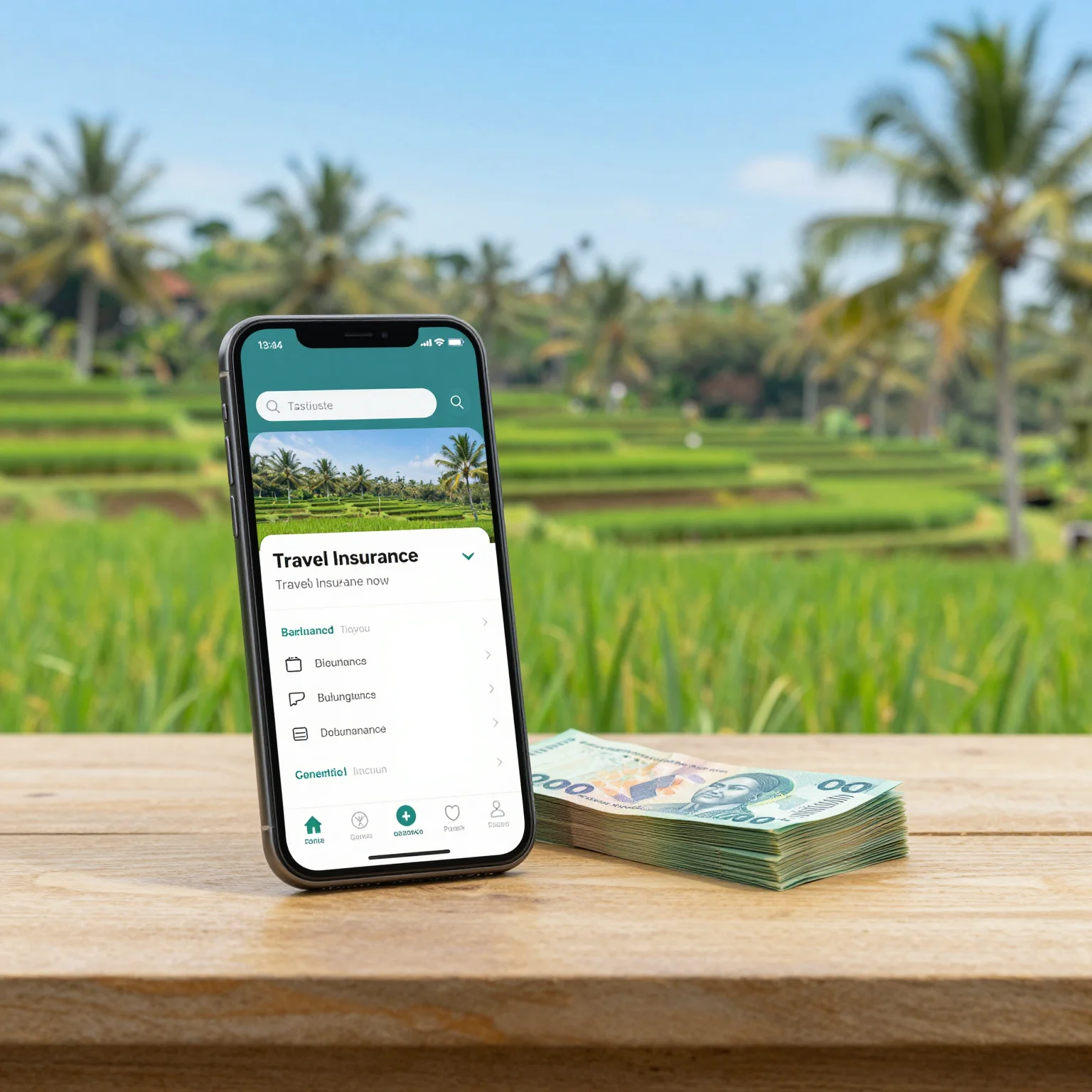
Ah, Bali! The very name conjures images of serene rice paddies, vibrant sunsets, and an almost magical escape. You’re dreaming of your next adventure on the Island of Gods, right? And while you’re busy planning those iconic temple visits and relaxing beach days, there’s one vital aspect that often gets overlooked until it’s too late: understanding Bali healthcare costs and preparing for any medical needs. It might not be the most glamorous part of trip planning, but trust me, it’s one of the most important.
As your trusted friend at Vibi Bali, I’m here to walk you through everything you need to know about medical care on the island. We’ll cover everything from general doctor visits to emergency situations, the crucial role of travel insurance, and how to effectively budget for your health while enjoying your Balinese experience. Think of this as your essential guide to staying healthy and happy, ensuring any unexpected bumps in the road don’t turn into major financial headaches. Let’s dive in!
Why Understanding Medical Care in Bali Matters
Bali is generally a safe and healthy destination, but just like anywhere else in the world, unexpected situations can arise. Whether it’s a minor scooter scrape, an unwelcome bout of ‘Bali belly,’ a tropical fever, or something more serious, knowing what to expect from the healthcare system and how much things might cost can make a world of difference. Being prepared means you can focus on the magic of Bali, not stress about medical bills.

The Healthcare Landscape: Public vs. Private
Bali’s healthcare system offers both public and private options. For travelers, digital nomads, and expats, private facilities are almost always the preferred choice due to their higher standards, modern equipment, English-speaking staff, and wider range of services.
Public Healthcare in Bali
Public hospitals in Bali are primarily for Indonesian citizens and offer basic medical services. While they are significantly cheaper, they often face overcrowding, longer waiting times, and a lack of advanced equipment or specialized care that international visitors might be accustomed to. Language barriers can also be a significant challenge. For these reasons, public hospitals are generally not recommended for tourists unless it’s a dire emergency and no other option is available.
Private Hospitals and Clinics
This is where most international visitors will seek care. Private hospitals like BIMC Hospital, Siloam Hospital, and International SOS Clinic (affiliated with various hospitals) offer services comparable to Western standards. You’ll find modern facilities, highly trained medical professionals, and many doctors who speak excellent English. They cater specifically to the expat and tourist community, providing a much smoother and more comfortable experience. However, this level of service comes with a higher price tag, which is precisely why understanding Bali healthcare costs and having appropriate insurance is paramount.
Breaking Down Typical Bali Healthcare Costs
So, what can you expect to pay out-of-pocket for medical services in Bali? It’s important to remember these are general estimates and can vary greatly depending on the facility, the doctor’s specialization, and the complexity of your condition.
- General Doctor Consultation: For a basic check-up, common illness, or minor injury, a visit to a private clinic or hospital can range from IDR 300,000 to IDR 800,000 (roughly USD $20-$55). This often includes a consultation fee but not necessarily medication or further tests.
- Specialist Consultation: Seeing a specialist (e.g., dermatologist, orthopedist) will naturally be more expensive, typically starting from IDR 700,000 to IDR 1,500,000+ (USD $45-$100+).
- Emergency Room Visit (non-admission): If you need to visit a private ER for something that doesn’t require admission, you might be looking at IDR 1,000,000 to IDR 3,000,000+ (USD $65-$200+) depending on the tests and treatment received.
- Minor Injuries (e.g., scooter scrapes): Treatment for minor wounds, cleaning, and dressing changes could be IDR 500,000 to IDR 2,000,000 (USD $35-$135), especially if antibiotics or tetanus shots are needed.
- Dental Care: Bali offers excellent and affordable dental care compared to Western countries. A cleaning might be IDR 300,000 – IDR 700,000 (USD $20-$50), while a filling could range from IDR 500,000 to IDR 1,500,000 (USD $35-$100). More complex procedures like root canals or crowns will be significantly more but still likely cheaper than at home.
- Hospital Admission: This is where costs can escalate quickly. A single night in a private hospital room, without any major procedures, could easily cost IDR 2,000,000 to IDR 5,000,000+ (USD $135-$350+). Surgeries, extensive treatments, or stays in intensive care can quickly run into tens of millions or even hundreds of millions of rupiah (thousands of US dollars). This is precisely why comprehensive travel insurance is non-negotiable.
- Medication: Prices for medication are generally lower than in many Western countries, but they can still add up. Always get a clear prescription and receipt.
Vibi Tip: Always ask for an estimated cost upfront before any procedure or extensive consultation, especially in private clinics. Don’t be afraid to compare prices if it’s not an emergency. Keep all receipts and medical reports for insurance claims.
The Non-Negotiable: Travel Insurance for Bali
I cannot stress this enough: do not travel to Bali without comprehensive travel insurance. Seriously, it’s not just a recommendation; it’s a necessity. While the upfront Bali healthcare costs for minor issues might seem manageable, an unexpected accident or serious illness can lead to bills that quickly spiral into the thousands, or even tens of thousands, of dollars. Imagine needing emergency evacuation back to your home country – that alone can cost upwards of USD $100,000!
What to Look for in a Travel Insurance Policy
When choosing a policy, don’t just go for the cheapest option. Read the fine print carefully and ensure it covers:
- Medical Expenses: This is the big one. Ensure it has a high coverage limit (at least USD $100,000, but ideally more) for hospital stays, doctor fees, surgeries, and medication.
- Emergency Evacuation/Repatriation: Absolutely critical. This covers the cost of transporting you to the nearest appropriate medical facility or back to your home country if needed.
- Pre-existing Conditions: If you have any, make sure they are declared and covered.
- Adventure Activities: If you plan on motorbiking, surfing, diving, or any other adventure sports, check if these activities are covered. Many standard policies exclude them.
- Personal Liability: Covers you if you accidentally injure someone or damage property.
- Trip Interruption/Cancellation: While not directly health-related, it’s good to have coverage if medical emergencies force you to cancel or cut short your trip.
- COVID-19 Coverage: In the current climate, ensure your policy specifically covers medical expenses related to COVID-19.
Why Local Insurance Isn’t Enough
While local health insurance options exist in Indonesia, they are often designed for residents and may not provide the comprehensive coverage or international support that a dedicated travel insurance policy offers. For tourists and short-term visitors, travel insurance is specifically tailored to the unique risks of international travel.
Crafting Your Medical Budget: What to Factor In
Even with insurance, it’s wise to set aside a small emergency fund for out-of-pocket expenses, deductibles, or initial payments before your insurance kicks in for bigger issues. Consider these points:
- Deductibles/Excess: Many policies have a deductible, meaning you pay the first portion of a claim yourself.
- Cash for Minor Ailments: Keep some cash or have funds accessible for simple pharmacy purchases, over-the-counter remedies, or quick doctor visits where you might pay upfront and claim later.
- Preventative Measures: Budget for things like mosquito repellent, sunscreen, rehydration salts, and any specific medications you regularly take. Prevention is always better than cure!
- Longer Stays: If you’re planning an extended stay or exploring life as a digital nomad, your long-term health planning will be more intricate. While general Cost of Living in Bali might seem low, factoring in consistent, quality healthcare and comprehensive insurance becomes an even bigger slice of your overall budget. For a deeper dive into financial planning beyond just medical expenses, especially if you’re considering a more permanent move, our guide on Bali digital nomad costs offers a complete expense breakdown.
Navigating Pharmacies and Prescriptions
Pharmacies (apotek) are widely available across Bali, especially in tourist areas. You can often buy many medications over-the-counter that would require a prescription in Western countries, including some antibiotics. However, it’s always best to consult a doctor, even for seemingly minor issues, to ensure proper diagnosis and treatment.
If you have specific prescription medications, bring enough for your entire trip. Always carry them in their original packaging with a copy of your prescription and a letter from your doctor. Be aware that some medications legal in your home country might be restricted or illegal in Indonesia.
Emergency Services: What You Need to Know
In a true emergency, call 112 (national emergency number) or contact a reputable private hospital directly. Most private hospitals have 24/7 emergency departments with ambulance services. Remember, ambulance services are not free and are typically paid for by the patient or their insurance.
For serious situations, especially if you have travel insurance, contact your insurance provider’s emergency assistance line immediately. They can help coordinate care, guarantee payment to the hospital, and arrange medical evacuation if necessary. Save their number in your phone before you travel!
Proactive Health: Staying Well in Bali
Prevention is key to avoiding those unexpected Bali healthcare costs. Here are a few tips to help you stay healthy:
- Hydrate: Drink plenty of bottled water.
- Food Safety: Eat at reputable establishments. Wash hands frequently.
- Mosquito Protection: Use repellent, especially at dawn and dusk. Dengue fever and Zika virus are present.
- Scooter Safety: Always wear a helmet and drive cautiously. Better yet, use ride-hailing apps like Grab or Gojek for transportation.
- Sun Protection: Use high-SPF sunscreen and seek shade.
- Travel Vaccinations: Consult your doctor about recommended vaccinations before you travel.
Bali is a stunning destination, and with a little preparation and awareness, you can ensure your trip is filled with joy, not medical worries. Understanding Bali healthcare costs and securing the right travel insurance are foundational steps to a truly relaxed and memorable experience on the Island of Gods. Enjoy your adventure, and travel safely!
FAQ
Is healthcare expensive in Bali?
Healthcare costs in Bali vary. Public hospitals are cheap but basic, while private hospitals, preferred by tourists, offer high-quality care comparable to Western standards but are significantly more expensive. Minor consultations might be $20-$50, but serious incidents can quickly run into thousands.
Do I need travel insurance for Bali?
Yes, absolutely. Comprehensive travel insurance is essential for Bali to cover unexpected medical emergencies, hospital stays, and potentially costly medical evacuations, which can reach tens of thousands of dollars.
Can I get common medications easily in Bali?
Many common medications, including some antibiotics, are available over-the-counter in Bali’s pharmacies (apotek). However, it’s always advisable to consult a doctor for proper diagnosis and bring essential prescription medications from home.
What should I do if I have a medical emergency in Bali?
In a medical emergency, you can call the national emergency number 112, but it’s often more effective to contact a private hospital directly or your travel insurance emergency line immediately. They can guide you on the best course of action and coordinate care.
Are public or private hospitals better for tourists in Bali?
Private hospitals like BIMC or Siloam are strongly recommended for tourists and expats in Bali. They offer modern facilities, English-speaking staff, and higher quality care compared to public hospitals, which often have longer waits and limited resources.