

Hey there, fellow travelers! Have you ever dreamed of experiencing something truly unique, a cultural event so profound it literally brings an entire island to a halt? Well, get ready, because Nyepi Day Bali 2026 is on the horizon, scheduled for March 19th. This isn’t just a public holiday; it’s the Hindu New Year, a sacred Day of Silence that offers an unparalleled glimpse into the spiritual heart of Bali.
Imagine a whole island, usually bustling with life, falling completely silent for 24 hours. No traffic, no lights, no work, and certainly no noise. It’s an experience that can be both bewildering and incredibly beautiful for those not familiar with it. If you’re planning to be in Bali around this time, you’re in for a truly extraordinary cultural immersion. From the vibrant, almost chaotic preparations to the profound tranquility of the day itself, Nyepi is an unforgettable journey of purification and introspection. Let Vibi Bali be your friendly guide to understanding and respecting this incredible tradition.
What is Nyepi? Unveiling Bali’s Day of Profound Silence
At its core, Nyepi is the Balinese Hindu New Year, marking the beginning of the Saka Calendar. For 2026, we’ll be welcoming Saka Year 1948. Unlike New Year celebrations in most parts of the world, which are characterized by fireworks and revelry, Nyepi is observed with absolute silence and introspection. It’s a day dedicated to self-reflection, purification, and spiritual renewal, a powerful way to reset and begin the new year with a clear mind and a harmonious spirit.

This unique observance stems from a deep-rooted philosophy that aims to cleanse the island and its inhabitants, both physically and spiritually, from all negative influences of the past year. It’s a symbolic day where the island pretends to be empty, tricking any lingering evil spirits into believing there’s no life here, thus encouraging them to leave. This allows for a fresh start, filled with peace and balance.
The Philosophy Behind the Quiet: Understanding Catur Brata Penyepian
The tranquility of Nyepi is governed by four main prohibitions, known as the Catur Brata Penyepian. These are not merely rules, but profound practices designed to facilitate deep contemplation and spiritual connection. For anyone on the island, including visitors, understanding and respecting these four principles is paramount to truly appreciating Nyepi:
- Amati Geni (No Fire/Lights): This means no fires or lights whatsoever, extending even to electricity. The entire island plunges into darkness, allowing for personal introspection and a literal and symbolic dimming of worldly distractions.
- Amati Karya (No Work/Activity): All forms of labor are ceased. This encourages everyone to take a break from their daily routines, dedicating the day to spiritual activities, rest, or quiet contemplation.
- Amati Lelungan (No Travel): Movement outside the home or accommodation is strictly forbidden. Roads are empty, the airport is closed, and even pedestrian traffic is absent. This keeps people focused on their inner world, preventing external disturbances.
- Amati Lelanguan (No Entertainment/Pleasure): Any form of amusement or self-indulgence is abstained from. This promotes a quiet, serious atmosphere conducive to spiritual reflection, free from distractions of worldly pleasures.
These four prohibitions transform Bali into an island of silence, offering a rare opportunity for both locals and visitors to experience a profound sense of peace and reconnection, not just with themselves, but with the natural rhythms of the universe.
The Vibrant Lead-Up to Nyepi Day Bali 2026: Sacred Rituals and Spectacles
While Nyepi itself is a day of silence, the days leading up to it are anything but quiet! The Balinese Hindu community engages in a series of breathtaking ceremonies that are a spectacle of color, sound, and deep spiritual meaning. These pre-Nyepi rituals are crucial for purifying the self and the environment, preparing for the spiritual reset that Nyepi brings. If you’re planning to be in Bali for Nyepi Day Bali 2026, make sure to arrive a few days early to witness these incredible cultural events.
Melasti: A Collective Journey to Purity
Typically held three to four days before Nyepi, the Melasti ceremony is a stunning procession of purification. Imagine thousands of Balinese Hindus, dressed in traditional white ceremonial attire, walking in unison towards the sea, a lake, or a sacred spring. These are considered the purest sources of water, capable of cleansing all spiritual impurities.
During Melasti, devotees carry sacred objects from their village temples, known as pratima and pralingga, to these water sources. These objects represent the deities and are believed to be imbued with divine power. The entire procession, often accompanied by traditional gamelan music and chanting, is a powerful visual and auditory experience. The air is thick with the scent of incense, and the devotion on the faces of the participants is palpable. This ritual symbolizes the purification of both Bhuana Alit (the microcosmos, or the individual self) and Bhuana Agung (the macrocosmos, or the universe), ensuring harmony and balance before the new year.
As a traveler, observing Melasti is a privilege. Many popular beaches like Seminyak, Kuta, and Sanur, as well as lakes like Bratan, become sites for these ceremonies. Remember to dress modestly, maintain a respectful distance, and avoid interrupting the processions. It’s a time of deep devotion, and your presence as an observer should be one of quiet reverence.
Tawur Kesanga (Pengerupukan): The Exorcism of Bhuta Kala
The day immediately preceding Nyepi, known as Tawur Kesanga or Pengerupukan, presents a stark contrast to the silence that follows. This is a day dedicated to banishing evil spirits and negative forces (Bhuta Kala) from the island. The main event, and arguably the most spectacular, is the Ogoh-Ogoh parade.
Villages across Bali spend weeks, sometimes months, crafting magnificent, giant effigies known as Ogoh-Ogoh. These artistic creations depict mythological demons and evil spirits, often with terrifying and elaborate features. They symbolize the negative aspects within ourselves and the world that need to be cleansed. On the evening of Pengerupukan, these colossal figures are paraded through the streets on bamboo platforms, accompanied by loud gamelan music, torches, and enthusiastic crowds. The atmosphere is electric, a joyful yet noisy outpouring of energy aimed at scaring away malevolent entities.
The parades often culminate at a village crossroads or communal area, where the Ogoh-Ogoh are dramatically burned. This act symbolizes the destruction of evil influences and the purification of the universe, preparing for the peaceful silence of Nyepi. For visitors, finding a good spot to witness an Ogoh-Ogoh parade can be a highlight of your Bali trip. Major towns like Denpasar, Ubud, and Seminyak will have grand processions. It’s a lively, bustling event, so be prepared for crowds and traffic diversions. Always be mindful of your surroundings and respect the cultural significance of the ritual.
Experiencing Nyepi Itself: An Unforgettable Day Indoors
And then comes Nyepi Day itself, March 19, 2026. After the vivid chaos of Pengerupukan, the transition to absolute silence is astonishing. From 6 AM on Nyepi Day until 6 AM the following day, the entire island observes the Catur Brata Penyepian. This isn’t just a suggestion; it’s a deeply respected mandate, upheld by traditional community watch groups known as Pecalang, who ensure the regulations are followed.
For travelers, this means a unique experience unlike any other. Bali’s Ngurah Rai International Airport completely ceases operations, making it the only airport in the world to close for a religious observance. Roads are empty, devoid of cars, motorbikes, or even pedestrians. Lights are kept off or to a bare minimum, and the usual sounds of daily life vanish. In many areas, even internet service might be temporarily reduced or unavailable to encourage a full digital detox and introspection.
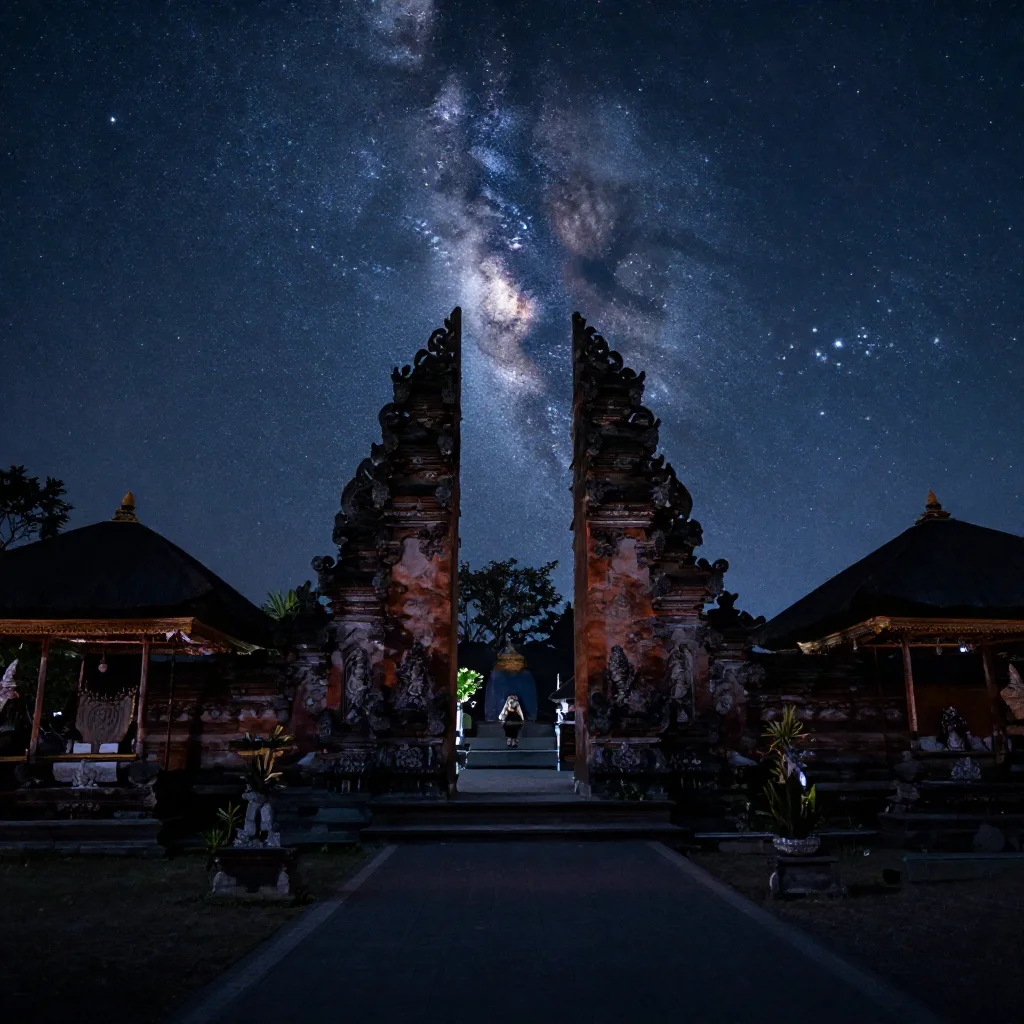
Your hotel or villa will operate with minimal staff, offering limited services, and guests are expected to remain within the property’s boundaries. Many accommodations will draw curtains to block out light, creating a serene, introspective atmosphere. Embrace this forced slowdown! It’s a rare chance to unplug, read a book, meditate, practice yoga, or simply enjoy the profound peace. Without light pollution, Bali’s night sky on Nyepi is often spectacular, offering a dazzling display of stars you might never see otherwise.
This isn’t a day for sightseeing or adventure; it’s a day for quiet contemplation and respect. Treat it as a unique opportunity for personal reflection, a true escape from the constant stimulation of modern life, and a deep immersion into Balinese culture.
Ngembak Geni: The Dawn of New Beginnings
At 6 AM on March 20, 2026, the silence lifts, and Bali slowly reawakens. This day, known as Ngembak Geni, marks the official end of Nyepi and signifies the return to normal life. It’s a day of renewed energy, forgiveness, and new beginnings. Families and friends gather, visiting each other to ask for forgiveness (a tradition called Dharma Santi) and exchange warm wishes for the year ahead. The atmosphere is one of joy and reconciliation, a sense of lightness and purity after the day of silence.
For you, the traveler, Ngembak Geni signals the resumption of all activities. The airport reopens, transportation becomes available, and the island’s vibrant life slowly returns. It’s a beautiful experience to witness the island emerge from its stillness, reborn and refreshed, ready to embrace the new year with optimism and harmony.
Practical Tips for Travelers During Nyepi Day Bali 2026
To ensure your experience of Nyepi is as smooth and enriching as possible, here are some practical tips:
- Book Accommodation Early: If you plan to be in Bali during Nyepi, make your hotel or villa reservations well in advance. Many travelers specifically seek out this unique experience, and availability can be limited.
- Stock Up on Essentials: Your hotel will provide meals, but having your own snacks, drinks, and any personal necessities (medication, entertainment like books or downloaded movies) will make your stay more comfortable since shops will be closed.
- Understand Hotel Rules: Familiarize yourself with your accommodation’s specific policies for Nyepi. They will usually have guidelines regarding lighting, services, and movement within the property.
- Plan Your Travel: Ensure your flights and inter-island transportation are scheduled to avoid Nyepi Day itself (March 19, 2026). Arrivals and departures will not be possible on this day.
- Embrace the Digital Detox: While some hotels might offer limited internet, be prepared for potential disruptions. See it as an opportunity to truly disconnect and recharge.
- Respect Local Customs: Remember that Nyepi is a sacred day for the Balinese. Your cooperation and respect for the silence and restrictions are highly appreciated and essential for a meaningful experience.
Conclusion: A Transformative Experience Awaits You
Experiencing Nyepi Day Bali 2026 is far more than just witnessing a cultural event; it’s an opportunity for profound personal connection and appreciation for a truly unique way of life. From the enchanting Melasti rituals to the captivating Ogoh-Ogoh parades and the ultimate tranquility of the Day of Silence, Nyepi offers a side of Bali you won’t find on any other day.
As you plan your journey to the Island of the Gods, consider timing your visit to include this extraordinary period. It’s a chance to slow down, reflect, and emerge with a refreshed spirit, just like the island itself. Embrace the stillness, respect the traditions, and let the magic of Bali’s silent new year inspire you.
FAQ
What exactly is Nyepi Day Bali 2026?
Nyepi Day Bali 2026, on March 19th, is the Balinese Hindu New Year (Saka 1948), observed as a Day of Silence dedicated to self-reflection, purification, and spiritual renewal for 24 hours.
Are tourists also required to observe the silence during Nyepi?
Yes, all individuals on the island, including tourists, are expected to observe the silence and restrictions (no lights, no work, no travel, no entertainment) for the entire 24-hour period of Nyepi.
What traditions can I witness before Nyepi?
Before Nyepi Day Bali 2026, you can experience the Melasti ceremony, a purification ritual at sacred water sources, and the Tawur Kesanga (Pengerupukan) ceremony, featuring the vibrant Ogoh-Ogoh parades designed to banish evil spirits.
Will Bali’s airport be closed on Nyepi Day?
Yes, Ngurah Rai International Airport in Bali will be completely closed for 24 hours on Nyepi Day, March 19, 2026, with no flights arriving or departing.
What can I do during Nyepi Day as a traveler?
On Nyepi Day, you are expected to remain inside your hotel or villa. It’s an ideal opportunity for quiet activities like reading, meditation, enjoying the peace, and observing the spectacular night sky without light pollution.