

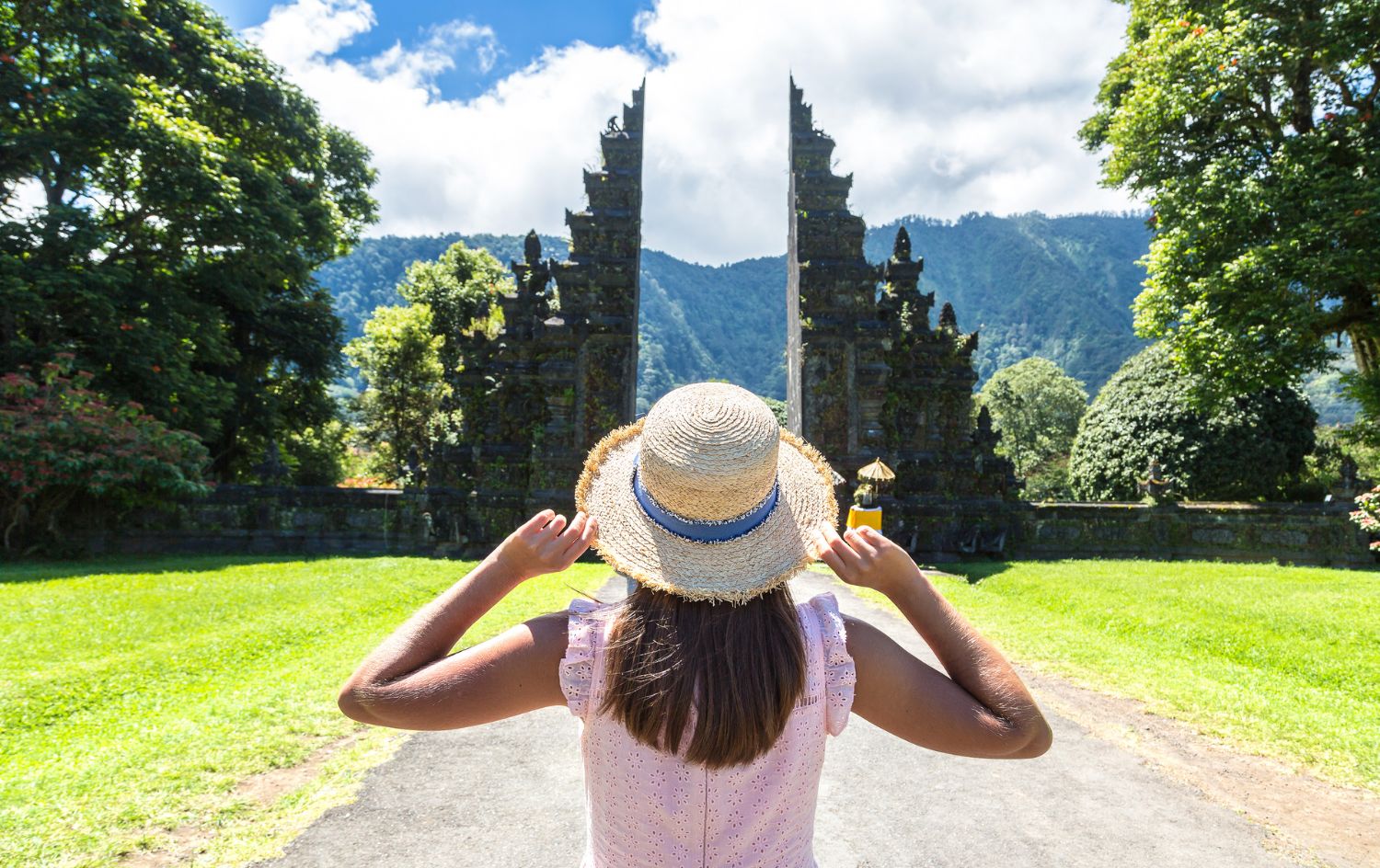
So, you’re dreaming of Bali, aren’t you? The thought of sun-kissed beaches, emerald rice paddies, and a vibrant culture calling your name. But when is the best time Bali truly shines brightest for your unique adventure? It’s a question every smart traveler asks, and the answer, like Bali itself, is wonderfully nuanced. From chasing perfect waves to exploring ancient temples or simply soaking up the island’s magic, timing your visit can make all the difference. Let’s dive into everything you need to know about Bali’s weather patterns, crowd dynamics, and the endless parade of captivating festivals to help you pinpoint your ideal travel window.
Understanding Bali’s Climate: Dry vs. Wet Season
Bali enjoys a tropical climate, meaning warm temperatures year-round. However, it experiences two distinct seasons that significantly impact your travel experience: the dry season and the wet (or rainy) season. Knowing the difference is key to planning.
The Dry Season: Sun-Kissed Bliss (April to October)
Imagine clear blue skies, gentle breezes, and low humidity – that’s Bali during its dry season. This period, roughly from April to October, is often considered the most popular time to visit. Why?

- Weather: Expect abundant sunshine, with average temperatures hovering around 26-28°C (79-82°F). Rainfall is minimal, typically limited to short, localized showers that quickly pass, leaving fresh air in their wake.
- Activities: These are prime months for outdoor pursuits. Surfing conditions are excellent on the west coast (think Kuta, Seminyak, Canggu), hiking trails are accessible and less slippery, and beach days are practically guaranteed. Exploring the island’s temples, like Tanah Lot or Uluwatu, feels more comfortable without the intense humidity. It’s also the perfect time to explore the breathtaking underwater world. For those keen on diving or snorkeling, the waters around Bali and its surrounding islands are incredibly clear. You might even want to check out our guide on Bali dive islands for some incredible underwater adventures.
- Vibe: Everything is in full swing. Restaurants are bustling, beach clubs are lively, and the energy is palpable.
The Wet Season: Lush Landscapes and Cultural Rhythms (November to March)
Don’t let the term ‘wet season’ deter you entirely! While it does bring more rainfall, it’s often not a continuous downpour. Instead, you’ll typically experience heavy tropical showers that last for an hour or two, usually in the afternoon, followed by sunshine again. Sometimes it can be overcast for longer, but prolonged, all-day rain is less common than you might think.
- Weather: Temperatures remain warm, around 25-27°C (77-81°F), but humidity levels are higher. The rain nourishes the island, making the rice paddies an even more vibrant shade of green.
- Activities: Mornings are often sunny and ideal for activities. The landscape truly transforms, becoming incredibly lush and verdant, which is fantastic for photography. It’s a great time for spa treatments, cooking classes, or exploring Ubud’s cultural heart. Plus, with fewer crowds, you might find a more peaceful experience at popular spots.
- Vibe: A more relaxed pace. You’ll find a different kind of beauty, a quieter charm, and perhaps more authentic cultural interactions as the island slows down slightly.
Navigating the Crowds: Peak vs. Shoulder Seasons
Bali’s popularity means that certain times of the year see a significant influx of tourists. Understanding these patterns can help you decide if you prefer a lively atmosphere or a more tranquil escape.
Peak Season Perks & Pitfalls
The peak season in Bali generally aligns with major international holidays:
- July and August: European summer holidays.
- December and January: Christmas, New Year’s, and Australian summer holidays.
- Easter: A shorter but noticeable peak.
Perks: The island is buzzing with energy, every restaurant and tour operator is open, and there are plenty of events and parties. It’s fantastic for meeting fellow travelers.
Pitfalls: Higher prices for accommodation and flights, more crowded beaches and attractions, longer waits at popular spots, and sometimes more traffic congestion.
Shoulder Season Sweet Spots
The shoulder seasons offer a fantastic balance of good weather and fewer crowds:
- April, May, June: Just before the main summer rush, the weather is fantastic, green season lingers, and prices are generally more favorable than peak season.
- September, October: After the main summer rush, still great weather, and the crowds begin to thin out.
Many experienced travelers consider these months to be the absolute best time Bali offers for a well-rounded trip. You get excellent weather for outdoor activities, but the island doesn’t feel overwhelmed.
Off-Peak Opportunities
The months of November, February, and March (excluding Chinese New Year or other specific holidays) typically see the fewest tourists.
Opportunities: Significantly lower prices for flights and accommodation, a much more peaceful experience at popular sites, and the chance to connect more deeply with local life. The rain, as mentioned, often comes in bursts, so you can still enjoy plenty of sunshine and activities, often with fewer people around.
Vibi Tip: If you’re looking for fewer crowds but still want great weather, aim for May or early June. The rice paddies are vibrant from recent rains, the ocean is calm, and the island hasn’t hit its peak tourist stride yet. You’ll often find better deals on villas too!
Bali’s Vibrant Festival Calendar
Bali’s cultural calendar is rich with traditional ceremonies and modern events. If you’re lucky enough to be on the island during one of these, it’s an unforgettable experience.
Major Cultural & Religious Celebrations
- Nyepi (Day of Silence): Usually in March or April (Balinese New Year). The entire island shuts down for a day of self-reflection, meditation, and silence. No lights, no noise, no travel – it’s a truly unique experience.
- Galungan & Kuningan: Celebrated every 210 days (based on the Balinese calendar), these festivals commemorate the victory of dharma (good) over adharma (evil). You’ll see beautiful penjor (bamboo poles decorated with offerings) lining the streets, and temples filled with Balinese in traditional dress.
- Odalan: Temple anniversary celebrations that happen throughout the year. Each temple has its own specific date, often lasting for several days, involving elaborate ceremonies, music, and dance.
- Full Moon (Purnama) & New Moon (Tilem): These are significant days for spiritual ceremonies and offerings across the island.
Other Events & Happenings
Beyond the religious calendar, Bali hosts a variety of international events:
- Bali Spirit Festival: An annual yoga, dance, and music festival (usually March/April).
- Ubud Writers & Readers Festival: A renowned literary festival (usually October).
- Bali International Film Festival (Balinale): Showcasing local and international cinema (usually September).
- Jazz Market by the Sea: A community-focused music and art festival in Sanur (usually August).
Attending a festival can add an incredible layer of richness to your trip, offering a glimpse into the heart of Balinese culture. Just remember that during major festivals, local transportation and services might be affected, and accommodations can book up quickly.
Tailoring Your Bali Trip: What’s Your Priority?
The ideal time for your Bali adventure really depends on what you hope to experience. Let’s break it down by travel style.
For Sun-Seekers & Beach Lovers
If your dream Bali vacation involves endless sun, perfect tans, and minimal rain, then the dry season (April to October) is unequivocally your best bet. You’ll find the west coast beaches, like Seminyak and Canggu, ideal for surfing and lounging, while the calmer waters of the east coast, such as Sanur, are perfect for swimming and paddleboarding.
For Adventurers & Explorers
Love hiking, trekking, and discovering hidden gems? The shoulder seasons, particularly May, June, and September, October, offer the perfect balance. The weather is dry enough for comfortable hikes up volcanoes or through rice fields, and the trails are less muddy. If you’re eager to explore Bali’s top 10 hidden trekking trails, these months will offer the most pleasant conditions. The clear waters are also fantastic for diving and snorkeling, as mentioned before, making it an excellent time for water-based adventures too.
For Romance & Special Occasions
Planning a honeymoon, anniversary, or even a wedding? Bali is truly magical for romantic getaways. For picture-perfect moments and a touch more privacy, consider the shoulder seasons (April-June or September-October). You’ll still get stunning sunsets and beautiful weather for romantic dinners, but with slightly fewer crowds. Bali also boasts some breathtaking locations for tying the knot, and if you’re exploring options, our guide on Bali wedding venues can help you find that dream spot. And for those planning a romantic escape, you’ll find plenty of ideas in our romantic Bali activities guide.
For Families
Bringing the kids to Bali? The dry season (June-August) is often popular due to school holidays, but the shoulder seasons (May-June or September-October) can be fantastic alternatives, offering similar great weather with slightly fewer crowds and potentially better deals on family-friendly accommodation. These times allow for comfortable exploration of attractions like Waterbom Bali, Bali Zoo, and various cultural parks without the peak season hustle. For an unforgettable trip with your little ones, be sure to check out our comprehensive guide on planning a Bali family vacation.
For Digital Nomads & Long-Stay Travelers
If you’re planning a longer stay and want to experience Bali beyond the typical tourist rush, consider traveling during the wet season (November-March). The lower cost of living, reduced crowds, and lush green scenery offer a different, more authentic pace of life. You’ll find comfortable co-working spaces and a thriving expat community regardless of the season, but the off-peak months can be especially appealing for a more settled experience.
Making the Most of Any Season in Bali
Here’s the beautiful truth about Bali: there’s no truly ‘bad’ time to visit. Each season offers its own unique charm and set of advantages. With a little planning and flexibility, you can have an incredible trip whenever you decide to go.
- Embrace the Rain: During the wet season, plan your outdoor activities for the mornings. When the afternoon showers hit, retreat to a café, enjoy a traditional Balinese massage, or take a cooking class.
- Book in Advance: If you’re traveling during peak season, especially July/August and December/January, make sure to book your flights and accommodation well in advance to secure the best prices and availability.
- Stay Flexible: Bali’s weather can be unpredictable. Be open to changing your plans if a sudden downpour occurs, and you’ll enjoy your trip much more.
Conclusion
Ultimately, the best time Bali has to offer for your visit hinges on your personal preferences and what kind of adventure you’re seeking. Whether you crave the endless sunshine of the dry season, the vibrant cultural experiences of a festival, or the serene, lush landscapes of the wet season, Bali welcomes you with open arms year-round. We hope this guide helps you choose the perfect moment to experience the magic of the Island of the Gods. Whenever you decide to come, Bali promises an unforgettable journey!
FAQ
Is Bali always hot?
Yes, Bali experiences a tropical climate with warm temperatures year-round, typically averaging between 25-30°C (77-86°F).
What are the rainiest months in Bali?
The rainiest months in Bali are generally December, January, and February, which fall within the island’s wet season.
When is the best time for surfing in Bali?
For surfing, the dry season (April to October) is ideal for the west coast beaches (Kuta, Seminyak, Canggu), while the wet season (November to March) is better for the east coast (Sanur, Keramas) due to calmer waters on the west side.
Is it worth visiting Bali during the wet season?
Absolutely! Visiting Bali during the wet season offers lush green landscapes, fewer crowds, and often lower prices. While there are showers, they typically come in short bursts, allowing for plenty of sunshine and activities.
How can I avoid large crowds in Bali?
To avoid large crowds, consider visiting during the shoulder seasons (April-June and September-October) or the off-peak wet season months (November, February, March, excluding major holidays).