

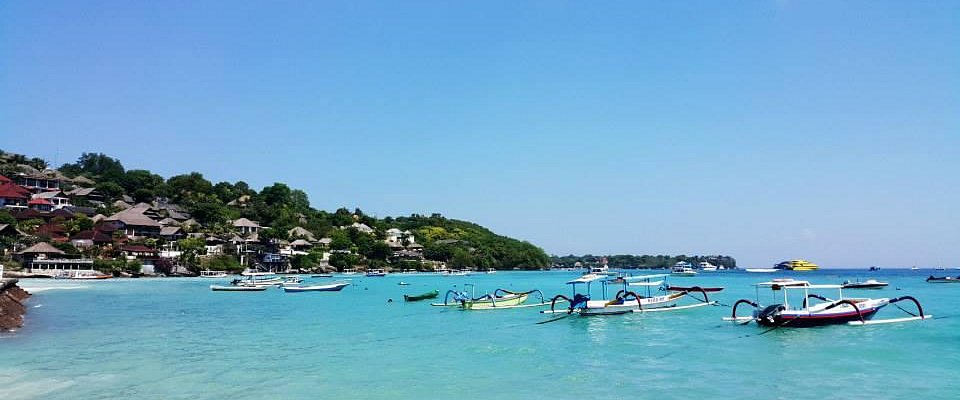
Quick intro for travelers: a faster way into Canggu by sea
If you’re planning time in Bali this year, the news you’ll want to hear is about a new water taxi to Canggu that promises to cut the worst of the island’s road delays. Imagine stepping off your flight and boarding a short boat ride that drops you near Canggu’s surf, cafes, and villas—instead of sitting in traffic for hours. This guide breaks down what the service will look like, how it might change your arrival plans, and practical tips so you can use the route like a local.
Water Taxi to Canggu: What to expect
The government and transport authorities are moving forward with a water-based transport plan aimed at unclogging Bali’s busiest road corridors, especially the route between I Gusti Ngurah Rai International Airport and Canggu. The initial public investment is substantial and the program is being planned in stages: design work, pier and breakwater upgrades, a construction window, and then trial operations. For travelers this means the service could be available for trial runs within the year, with full construction scheduled to follow according to local planning timetables.
Key facts at a glance
- Primary route: Ngurah Rai Airport to the Canggu area (short sea crossing plus coastal skip stops).
- Planned travel time: Officials estimate roughly 30 minutes by water versus up to two or more hours by road during peak traffic.
- Investment and timeline: The project has a planned initial investment in the order of one trillion rupiah, with engineering studies underway and construction targeted in the coming year.
- Operators and planning: State ferry operators and local marine transport firms are preparing detailed engineering designs and operational plans.
Why this matters for your Bali visit
Road travel in south Bali—particularly to popular pockets like Canggu—can be unpredictable during holiday peaks, surf competitions, and weekend evenings. The new water link gives you an alternative: a predictable, scenic transfer that bypasses the island’s congested arteries. Whether you’re arriving late after a long flight or planning a quick weekend escape, a short ferry hop changes how you schedule your day.

Route details, travel time and practical logistics
At present, transport leaders are focusing first on the airport-to-Canggu corridor. Here’s what travelers should know about practical logistics once the route becomes active.
Where you’ll board and disembark
Plans call for a pier or terminal near the airport coastline and a landing point close to Canggu’s main tourism stretch. Exact pier locations are being finalized as part of detailed engineering studies, which also include protective breakwaters to handle local wave conditions. When the service launches, expect straightforward signage and short shuttle links from terminals to the boarding area.
How long the trip will take
Field assessments have indicated that land travel from the airport to Canggu can take between one and two hours or more, depending on time of day. The proposed water taxi to Canggu aims to reduce that journey to roughly 30 minutes, making it an appealing choice if your schedule matters.
Types of boats and what to pack
Early operations will likely use fast passenger boats or modern water taxis built for short coastal hops. Expect seating suitable for airplane-style carry-on; large checked luggage may be accommodated but check operator policies. Pack sun protection, a light jacket for sea breeze, and secure valuables—boats can be breezy and open-sided in places.
Investment, construction timeline and safety measures
Authorities have committed a significant initial investment to develop the water taxi network and ensure safe operations in sometimes choppy coastal waters. The project includes:
- Detailed Engineering Design (DED) work to map piers, routes and wave protection.
- Construction of wave-break structures where needed to ensure smooth docking even in rough conditions.
- Trials to test timetables, safety protocols, and passenger flows before full public rollout.
What this means for travelers is a focus on safety and reliability: the design stage will inform where boats can operate comfortably year-round, and trials will provide initial timetables you can depend on.
When construction and trials are planned
Authorities have said that engineering work is happening immediately, with construction scheduled to begin after approvals and DED completion. Trial operations are expected to follow once critical infrastructure is in place, giving visitors an opportunity to test the service before it expands to more routes.
How the water taxi fits into Bali’s wider transport picture
Think of the water taxi as another transport layer—alongside taxis, private drivers, shuttle buses, and motorbike rentals—that aims to complement land routes rather than replace them. For many visitors, this service will become the quickest way to reach Canggu from the airport. For locals and businesses, it can ease freight and commuter pressure on roads, improving daily life across the regency.
Potential benefits for the island
- Faster airport transfers for tourists and business travelers.
- Reduced congestion on main arteries that serve southern Bali.
- Opportunities for coastal piers to host local vendors and integrated shuttle services.
Practical traveler tips: how to prepare for the water taxi
Below are hands-on tips so you can use the water taxi to your advantage and avoid common pitfalls.
- Book or check schedules early. Once trial timetables are released, familiar operators may run limited services—reserve seats when possible to avoid disappointment.
- Plan for short transfers to the pier. Depending on where your plane docks, you may need a brief shuttle from the airport terminal to the boarding point; allow extra time in your arrival window.
- Pack smart. Bring a daypack with essentials, keep liquids in your carry-on, and secure loose items; boats can be open to sun and spray.
- Mind tides and weather. Coastal crossings are generally calm but can be affected by wind and swell; check local weather advisories if you have tight onward plans.
- Consider mobility needs. If you travel with large luggage or have limited mobility, contact operators ahead of time—some piers and boats will offer step-free access or luggage assistance.
Costs and ticketing expectations
Official fares will be announced by operators, but expect a price that competes with a private airport transfer while offering a faster door-to-destination time. Pricing may vary by peak season, seat class, and luggage allowances. Keep an eye out for combo deals with local hotels or shuttle packages that bring you door-to-door.
Who benefits most: travelers, digital nomads and families
Different visitor groups will find particular advantages in a water taxi to Canggu:
- International tourists save time and stress during arrivals and departures.
- Digital nomads gain faster commutes to coworking spaces in Canggu, improving daily productivity.
- Families appreciate avoiding long, hot rides with kids and the convenience of a predictable 30-minute transfer.
- Local businesses can expect more reliable supply flows and foot traffic near piers.
First-hand traveler considerations
You’ll want to confirm where the boat drops you off relative to your accommodation: some landing points will be a short walk, others may connect to local shuttle services. If you plan to explore nearby beaches or cafes right after arriving, choose a landing point close to your neighborhood of interest.
Safety, environment and local community impacts
Safety is central to the program: designers are including wave-breakers and durable docking systems where natural sea states are challenging. Operators will adopt maritime safety standards that include lifejackets, trained crews, and clear boarding protocols.
On the environmental side, using coastal routes can reduce time spent idling in traffic, which lowers emissions per passenger-kilometer. However, planners must balance marine conservation, coastal erosion concerns, and local fishing activities when siting piers—expect community consultations as part of the final design process.
How to plan your itinerary with the water taxi in mind
Here are three simple ways to redesign your arrival and onward plans once the water taxi launches:
- Streamlined arrival: Reserve a water taxi seat for a fast transfer and book a hotel close to the landing point so you can check in quickly.
- Day trips: Use the water taxi for flexible day trips between beachfront areas and the airport for short stays or layovers.
- Combine with local transport: Mix a water taxi arrival with a hired scooter or driver for last-mile access to interior spots not served by piers.
Final thoughts: why you should care about the new water taxi to Canggu
The upcoming water taxi to Canggu isn’t just a novelty—it’s a practical response to a real travel problem in Bali: long, unreliable road journeys that eat into precious holiday time. For travelers, the service should mean faster, more pleasant transfers and a new, coastal way to start your Bali adventure. For locals, it offers another transport lifeline that could ease congestion and support local economies along the shore.
When planning your next trip, watch for official timetables and trial announcements, and consider trying the water taxi on your next arrival to see how it fits your travel style. With a little preparation you can turn what used to be a slog into a short, scenic start to your stay.
Conclusion
Travel in Bali is changing, and the new water taxi to Canggu could be the quickest way to get from the airport to your surfside villa or coworking spot. Keep an eye on operator announcements, plan your arrival logistics, and be ready to swap road time for sea time on your next visit.
FAQ
When will the water taxi to Canggu begin operating?
The program is in engineering and trial stages, with construction and operational trials planned within the next year; official operator schedules will be published before public launch.
How long does the sea trip take compared to driving?
Officials estimate around 30 minutes by water versus up to one to two hours or more by road depending on traffic.
Is the service safe for families and travelers with luggage?
Yes; planners are designing piers and boarding protocols to handle luggage and passenger safety, but check operator baggage rules in advance.
Will the water taxi operate in bad weather?
Coastal services may be adjusted for high wind or swell; operators will follow safety protocols and may cancel or delay crossings in rough conditions.