
Did you know this island paradise boasts over 5,000 traditional dishes? That’s more culinary diversity than most countries can claim.
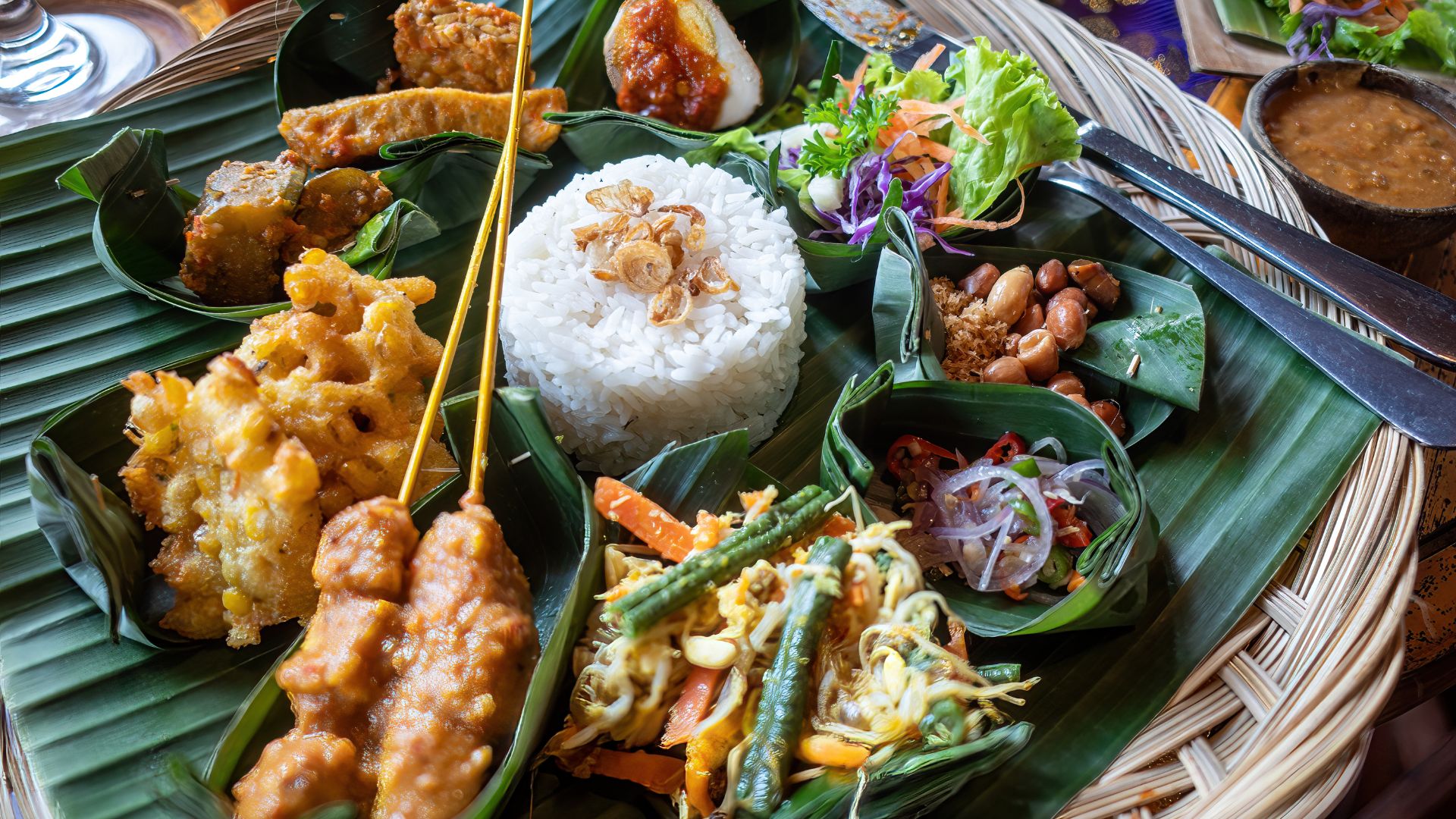
We’re about to take you on an unforgettable journey through Indonesia’s most celebrated food culture. The vibrant flavors and ancient cooking traditions create a dining experience unlike any other.
Every meal tells a story here. From street food stalls to luxury resorts, the island’s culinary scene reflects its rich cultural heritage.
We’ll show you why this destination has become a global food lover’s paradise. Get ready to discover tastes that will transform how you think about Southeast Asian cuisine.
Understanding Bali’s Culinary Heritage
Exploring Balinese food takes us back in time. It shows how different cultures mixed to create unique dishes. We learn how simple ingredients turned into complex flavors over the years.
The Historical Roots of Balinese Cooking
Rice farming started Bali’s food journey. Meals grew around this staple. Food became part of spiritual life through temple offerings and Hindu rituals.
Royal courts pushed cooking to new heights. Chefs made special spice blends for feasts. These skills are still used today.
Today’s Balinese food keeps these traditions alive. It combines old ways with new tastes. This shows deep respect for ingredients and culture.

Key Influences on Modern Bali Culinary Traditions
Trade brought new ingredients to Bali. Chinese merchants introduced wok cooking and soy. Indian traders added complex spices and curry techniques.
European colonizers also changed Balinese food. They brought European veggies and cooking styles. These changes blended well with local traditions.
This mix created a unique food identity. Balinese cuisine stays true to its roots while embracing new ideas. This balance continues to shape Bali’s food scene.
Global influences enriched Balinese food without taking over. It’s a perfect blend of old and new. Each dish tells a story of change and tradition.
Essential Ingredients in Balinese Cooking
Balinese cuisine is special because of its unique ingredients. These elements mix to create flavors you can’t find elsewhere. It’s amazing to see how these ingredients come together.
The Holy Trinity: Base Gede Spice Paste
Base Gede is at the heart of Balinese dishes. It’s a spice paste made from over a dozen ingredients. Recipes vary by family and region.
Making Base Gede needs fresh ingredients and patience. Cooks use a stone mortar and pestle to pound everything together. This releases oils and creates deep flavors.
This paste is used in meats, vegetables, and soups. It adds depth and warmth to dishes. Many families make big batches to use all week.

Fresh Herbs and Aromatics
Balinese cooking uses a lot of fresh, aromatic ingredients. These add bright, clean flavors that balance richer tastes. They’re used within hours of picking.
Lemongrass adds a citrusy taste to soups and curries. Galangal has a peppery warmth unlike regular ginger. Fresh turmeric adds earthy tones and color.
Other important aromatics include shallots, garlic, and chili peppers. Kaffir lime leaves add a unique scent. Together, they create Balinese cooking’s signature smell.
Unique Local Produce
Bali’s tropical climate produces amazing fruits and vegetables. Many of these are unknown outside Indonesia. They add textures and flavors that can’t be found elsewhere.
Salak, or snake fruit, has crisp white flesh and a sweet-tart taste. Baby jackfruit is tender in savory dishes. These ingredients show Bali’s incredible biodiversity.
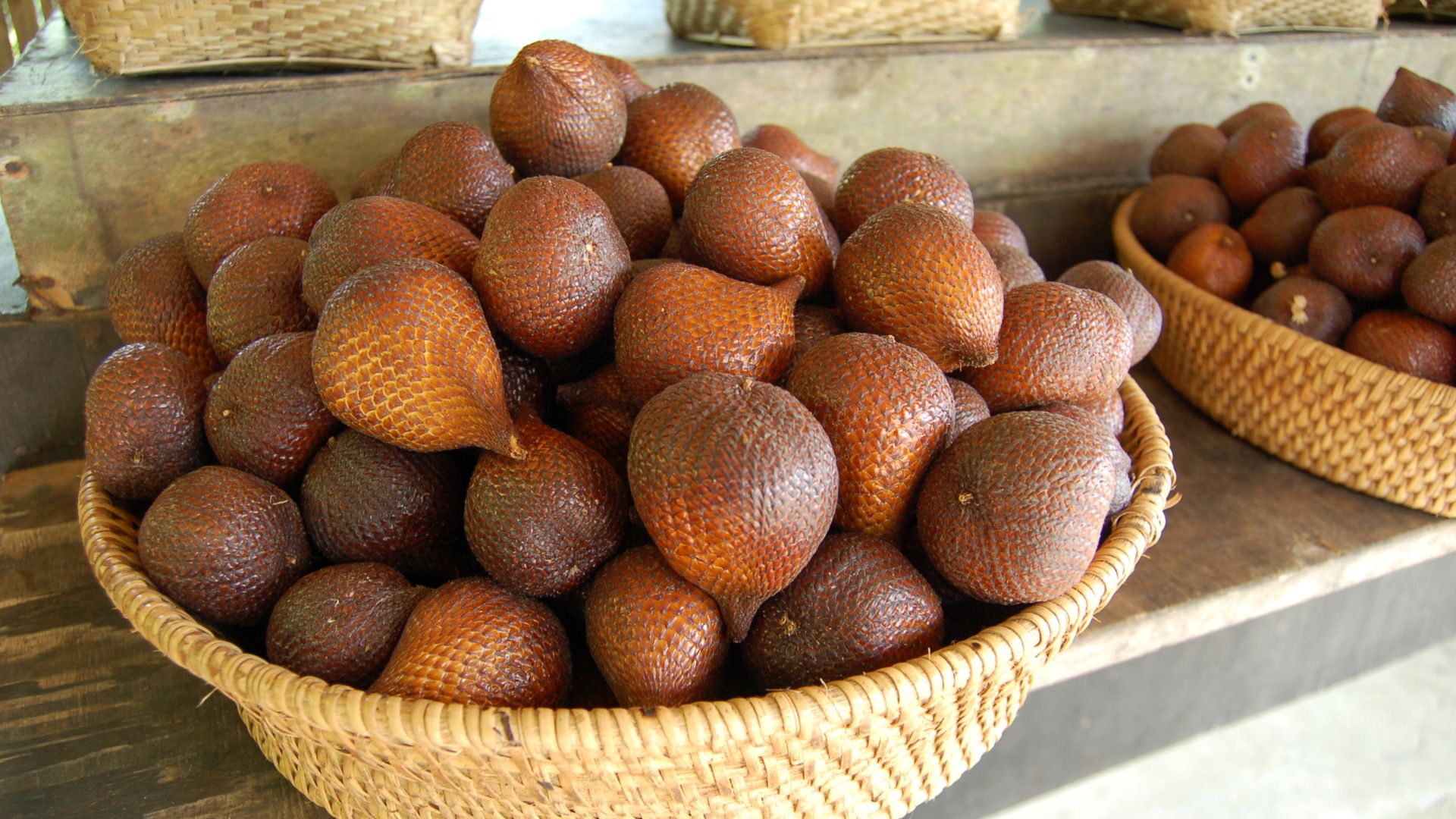
Other unique items include breadfruit, banana blossoms, and cassava leaves. They make Balinese cooking a unique culinary experience.
Must-Try Traditional Balinese Dishes
Balinese cuisine is known for its signature dishes that show the island’s culinary heart. These dishes carry generations of tradition and cultural importance. Let’s explore the must-try dishes in Bali that offer authentic flavors.
Babi Guling: The Famous Suckling Pig
Babi Guling is a top dish in Bali. It’s a whole suckling pig spit-roasted to perfection. The inside and out get rubbed with a special spice mix.
Traditional cooks fill the pig with turmeric, ginger, galangal, and spices. This makes the skin crispy and the meat tender and flavorful. You can find the best Babi Guling at warungs across Bali.
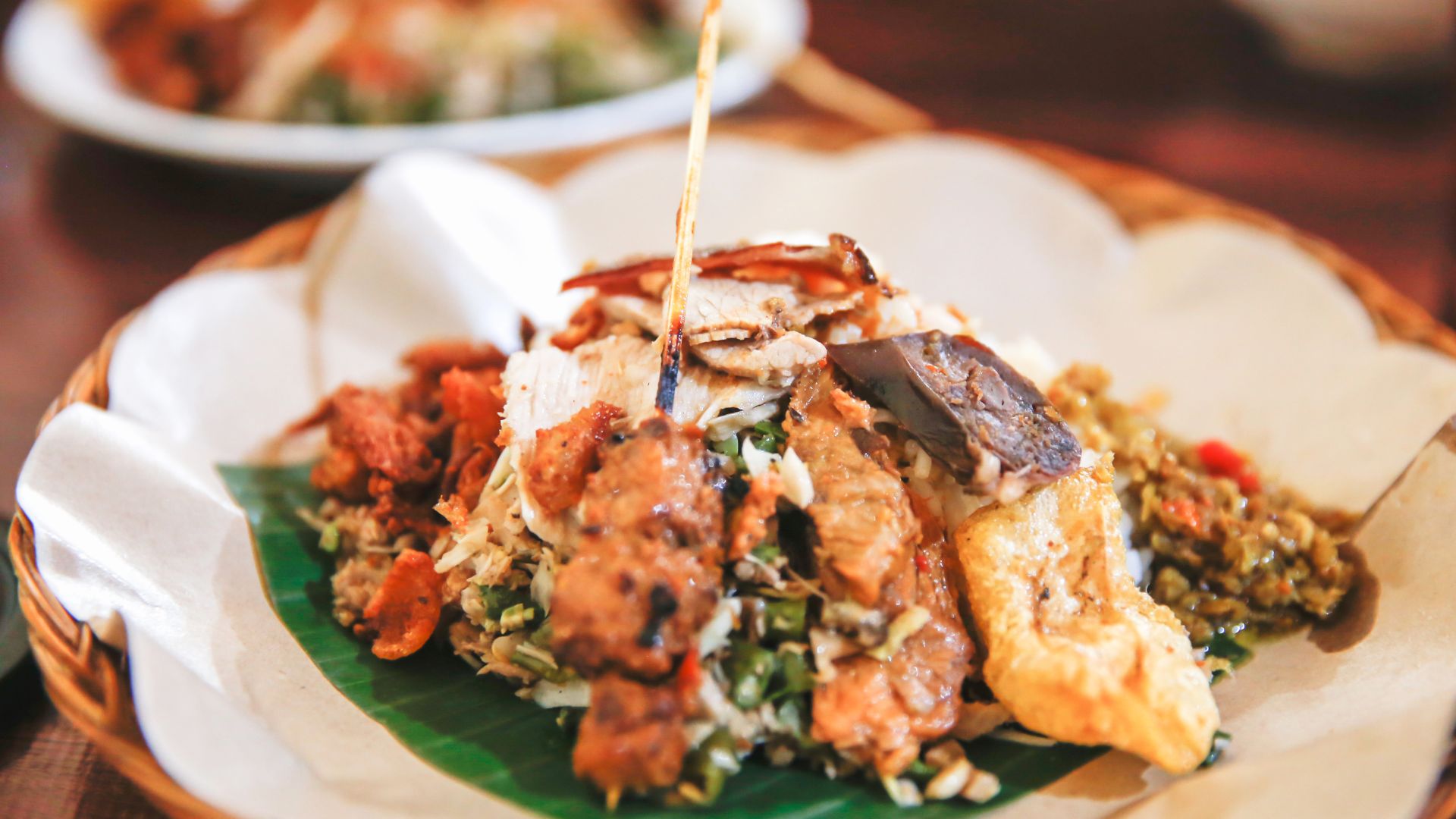
This dish is a hit at ceremonies and special events. It’s considered the ultimate celebration food. The mix of spices and texture is truly unforgettable.
Bebek Betutu: Slow-Cooked Duck
Bebek Betutu is another must-try dish in Bali. It’s duck cooked in banana leaves for up to twelve hours. This makes the meat tender.
The duck is marinated in spices before cooking. The banana leaves add an earthy aroma. You’ll find it in the Gianyar region, known for its rich flavors.
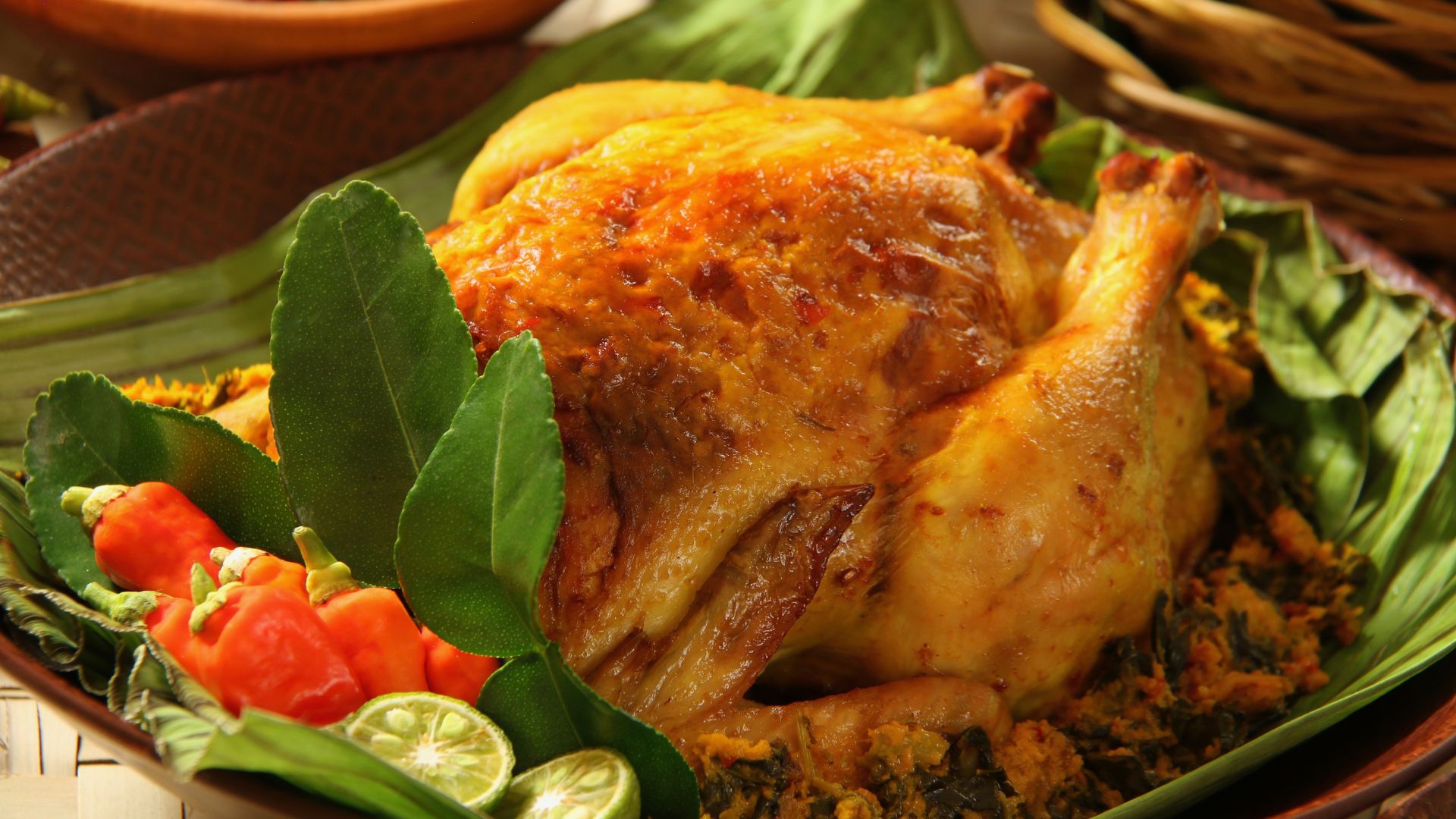
This dish is famous for its tenderness. It’s a must-try for anyone visiting Bali.
Lawar: The Traditional Mixed Dish
Lawar is a complex dish that shows Balinese culinary traditions. It’s a mix of vegetables, grated coconut, and minced meat with spices. The recipe varies by region and occasion.
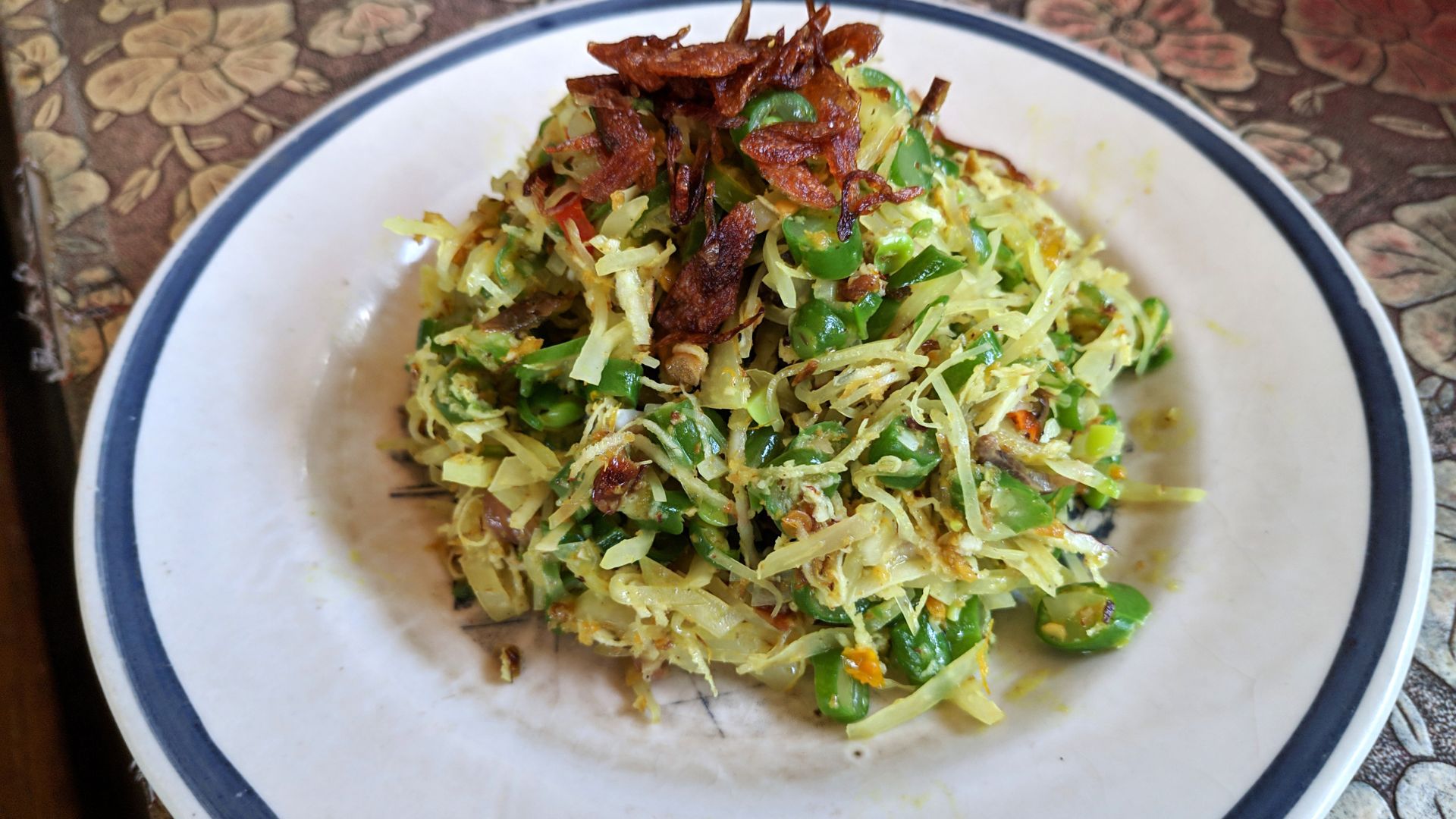
Traditional Lawar includes blood for richness and color. Modern versions might not have blood but still keep the authentic flavors. It’s a dish made with community effort, often prepared by families together.
Lawar has different versions across Bali. Each village has its own twist. It’s a fascinating dish for those who love to explore new flavors.
Sate Lilit: Balinese Satay
Sate Lilit is Bali’s unique satay. It uses minced meat wrapped around lemongrass stalks. This creates a unique texture and presentation.
The meat is mixed with coconut and spices before grilling. The lemongrass stalks add flavor and serve as skewers. This method infuses the meat with citrusy aromas.
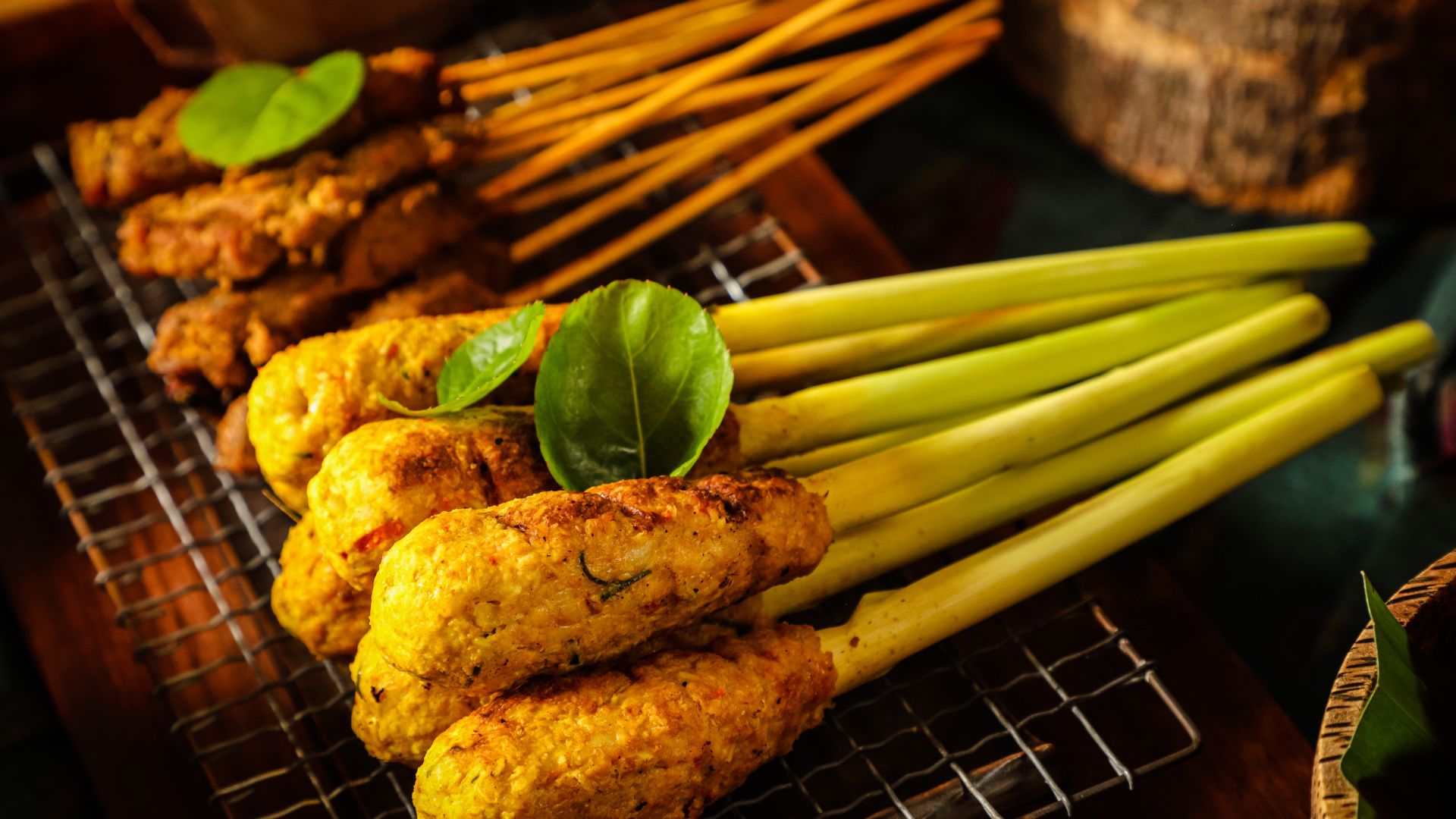
You can find Sate Lilit at street stalls and warungs everywhere. Its grilled aroma is irresistible. It’s a perfect example of delicious and convenient street food.
Exploring Bali’s Street Food Scene
Bali’s streets buzz with food adventures after dark. The island’s balinese street food scene offers real flavors you won’t find in restaurants. We’ve searched many food stalls and markets to share the best spots with you.
Navigating Night Markets
Night markets turn Bali’s streets into food paradises. Gianyar Night Market and Sanur Night Market are our favorites. These lively spots have many food stalls with local treats.
Get there by 6 PM when stalls open. Look for lines of locals to find the best and freshest food. If you can’t speak the language, just point at what you want.
Carry cash for these markets. It’s easier to pay with small bills. Most vendors don’t take credit cards.
Street Food Safety Tips
Enjoying balinese street food safely means taking a few steps. Pick stalls with lots of customers. Fresh food is safer than cold dishes.
Check how vendors handle money and food. Good vendors use separate hands or tools. Choose cooked items over raw salads when you can.
Stick to bottled water for drinking. Avoid ice unless it’s from sealed bags. If something looks off, try somewhere else.
Budget-Friendly Eating Strategies
Bali’s street food is great value without losing quality. You can get amazing meals for under $5. Our trick is to try a bit from many vendors.
Share dishes with friends to try more. Look for combo meals with rice and sides. These are usually the best deals.
Local warungs (small eateries) often have set menus at fixed prices. These are cheaper than ordering à la carte. The evening hours have the freshest food and best prices.
Don’t try to bargain for food prices. Prices are usually set and shown. If not, ask politely before you order.
Top Restaurants in Bali for Authentic Cuisine
Exploring the best Balinese food takes you on a journey across the island. You’ll find everything from fancy restaurants to cozy local spots. Bali is a paradise for food lovers, with unique flavors to discover.
Ubud’s Culinary Gems
Ubud is known for its mix of new and old food styles. Locavore uses modern methods with local ingredients. Their tasting menus are a feast for the senses, showcasing Bali’s best.
For a taste of tradition, Warung Babi Guling Ibu Oka is a must. They serve legendary suckling pig that’s crispy on the outside and juicy inside. It’s a dish that keeps people coming back for more.
Seminyak’s Dining Excellence
Seminyak is home to upscale takes on local dishes. Sarong offers elegant Indonesian food in a stunning setting. Their rijsttafel lets you try a variety of flavors in one sitting.
Merah Putih brings modern twists to Indonesian cuisine with beautiful presentation. They use top-notch ingredients to elevate traditional recipes. It’s a dining experience that’s both fancy and culturally deep.
Hidden Local Warungs
The best Balinese food often comes from small, family-run warungs. These hidden spots serve dishes that have been passed down through generations. To find them, you need to explore beyond the tourist areas.
Look for places that are bustling with locals. Simple menus with daily specials mean the food is fresh and traditional. Don’t be shy to try places without English menus – the food will speak for itself.
Warung Made in Seminyak is a gem for nasi campur at great prices. In Ubud, Warung Pondok Madu offers amazing traditional dishes in a garden setting. These hidden spots offer the most authentic culinary experiences.
Bali Culinary Experiences Beyond Dining
Our journey into Bali’s food culture goes beyond just eating. The island offers bali culinary experiences that let us connect with real traditions and local people.
Visiting Local Markets
Pasar Badung in Denpasar is at the heart of Balinese life. It’s a lively market that shows off the wide range of Indonesian produce.
We find exotic fruits like salak and mangosteen, and fresh seafood caught that day. The smell of spices fills the air, with everything from vanilla pods to fresh turmeric.
Going there early in the morning is the best way to see it. Local vendors are happy to share about traditional ingredients and how they’re used in cooking.
Traditional Cooking Demonstrations
Many Balinese families let visitors into their kitchens for cooking lessons. These lessons often start with a trip to the market to pick out ingredients.
We learn to make base gede, the basic spice paste. We see how to grind spices with traditional stone mortars.
Getting to help make the dishes makes these lessons unforgettable. And we get to enjoy what we made afterwards.
Food-Themed Temple Tours
Balinese Hinduism links food deeply with spiritual practices. Special tours take us to temples to see this connection.
We see how dishes like nasi tumpeng have special meanings. These tours show how food is part of daily life and big festivals.
This view helps us see how food shows Balinese values. It’s a mix of learning about food and diving into the culture.
These bali culinary experiences leave us with memories that go beyond just eating. They give us real connections with local traditions and people.
Participating in Balinese Cooking Classes
Joining a cooking class in Bali turns your food adventure into a hands-on journey. You’ll learn to make dishes that have been loved for generations. It’s a chance to connect with the local culture and traditions.
Choosing the Right Cooking Class
Choosing the right cooking class is key. Think about your skill level. Beginners need classes that teach the basics, while more experienced cooks might want something more advanced.
Also, consider what you want to learn. Some classes focus on traditional cooking, while others mix old and new methods. The location is important too. Ubud offers a lush setting, while coastal areas are great for seafood.
Look at recent reviews and check the instructor’s background. Smaller classes usually mean more one-on-one time. Many classes also include a market visit to learn about local ingredients.
What to Expect During a Class
A typical day starts with a market tour. You’ll learn to pick the freshest herbs, spices, and produce. Instructors teach you how to choose the best ingredients for each dish.
Then, you’ll start preparing the dishes. You’ll learn to grind spice pastes and use traditional tools. You’ll also learn about cutting and cooking techniques specific to Balinese cuisine.
Classes usually make several dishes that go well together. You’ll learn about balancing flavors and presentation. The day ends with enjoying the meal you made together.
Bringing Bali Flavors Home
Bringing Balinese flavors home is easier than you think. Many ingredients can be shipped internationally. You can also find them at Asian grocery stores.
Learn to substitute ingredients when some are hard to find. Lemon grass can be used in place of some aromatic spices. It’s more about technique than having the exact ingredient.
Invest in a good mortar and pestle for making spice pastes. Freeze base pastes for later use. Take notes during your classes so you can remember recipes.
Practice is key when trying new flavors. Start with simple dishes and then move to more complex ones. Share your creations with friends to spread the joy of Balinese cuisine.
Regional Variations in Balinese Cuisine
Beyond the island’s famous dishes, Bali’s food scene changes a lot with location and seasons. We see how different places and traditions make unique tastes across the island.
Coastal vs Highland Specialties
Coastal spots like Sanur and Jimbaran are all about the sea. Their menus are filled with fresh seafood. You’ll find grilled fish, spicy squid, and soups made with coconut.
In the mountains, like Kintamani and Bedugul, the food is earthier. The cool air means more veggies and meat from local farms. Soups, roasted meats, and root veggies are common here.
The difference between coastal and mountain food shows Bali’s varied landscapes. Each area uses what’s local, making its own special dishes.
Seasonal and Festival Foods
Balinese food changes with the seasons and festivals. Special dishes come out during religious times. These foods hold deep cultural meaning.
During Galungan and Kuningan, families make special foods. They include spiced meats, colorful rice cakes, and sweets. These dishes show family and community ties.
Harvest times affect what’s available and how food is made. People smoke, dry, or ferment ingredients when they’re plentiful. This keeps flavors interesting all year.
Seasonal changes show how Balinese cooking is tied to nature. This bond between land, weather, and tradition makes food experiences always new.
Conclusion
Our journey through Bali’s culinary world shows a vibrant mix of flavors and traditions. Balinese food is a must-try for anyone who loves food. It offers a unique adventure.
We learned about key ingredients like base gede spice paste. We also tried dishes like babi guling and bebek betutu. Bali’s street food and local warungs are great ways to dive into this food culture.
Cooking classes and market visits help us appreciate Balinese food even more. These hands-on experiences let us learn how to make authentic dishes at home.
We should be open to trying all of Bali’s food. Explore beyond what you know to find regional and festival foods. This way, you’ll have a deep and rich culinary experience.
Bali’s food culture is more than just food. It’s a way to understand the island’s heritage. Every meal is a chance to connect with Balinese traditions and make unforgettable memories.
FAQ
What makes Balinese cuisine unique compared to other Indonesian regional foods?
Balinese cuisine is special because of its complex spice blends and deep cultural roots. It uses unique ingredients like basa gede and fresh turmeric. Unlike other Indonesian foods, Balinese cooking is deeply rooted in Hindu traditions.