


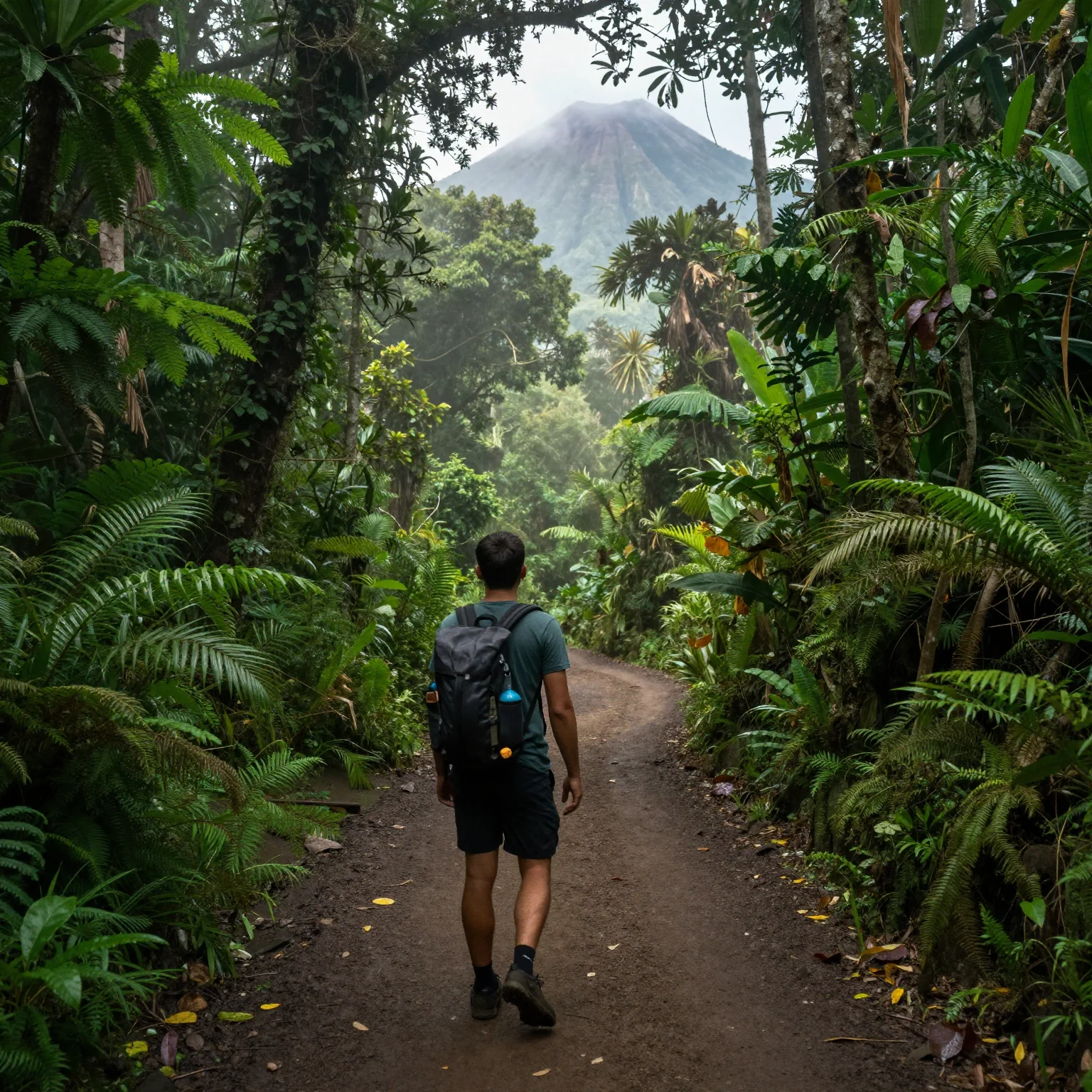
So, you’ve seen the postcard-perfect rice terraces and perhaps even conquered a volcanic sunrise. But what if we told you there’s a whole other side of Bali waiting to be discovered, far from the well-trodden tourist paths? We’re talking about the truly magical, lesser-known Bali trekking trails – routes that wind through ancient forests, past cascading hidden waterfalls, and across emerald rice fields where the only sounds are nature’s symphony. If you’re an explorer at heart, someone who craves authentic experiences and breathtaking views without the crowds, you’ve landed in the right place.
Get ready to lace up your boots, embrace the spirit of adventure, and prepare to be enchanted. These aren’t just walks; they’re journeys into the soul of Bali, offering glimpses into local life, unparalleled natural beauty, and a profound sense of peace. You’re about to discover routes that promise both challenge and serenity, inviting you to connect with the island on a deeper level. Ready to stray from the familiar and forge your own path?
Why Explore Hidden Bali Trekking Trails?
Bali, often called the ‘Island of the Gods,’ is renowned for its spiritual allure, vibrant culture, and stunning beaches. Yet, beyond the popular tourist hotspots lies a rugged, verdant interior just begging to be explored on foot. Opting for hidden Bali trekking trails offers a unique set of rewards that crowded spots simply can’t match. First, there’s the unparalleled tranquility. Imagine walking for hours and encountering only a handful of fellow adventurers, or perhaps just a local farmer tending to their crops. This peace allows you to truly immerse yourself in the natural surroundings, from the chirping of exotic birds to the rustle of leaves in the jungle breeze.


Then there’s the authenticity. These lesser-known paths often lead through traditional villages, offering you a genuine glimpse into Balinese daily life, culture, and hospitality. You might stumble upon a local ceremony, witness artisans at work, or share a friendly smile with villagers who are genuinely delighted to see you. It’s an intimate cultural exchange that’s hard to replicate elsewhere. Furthermore, the landscapes are often more pristine and untouched, revealing Bali’s raw, untamed beauty. Think ancient banyan trees, secluded river crossings, and panoramic vistas that seem to stretch on forever, all preserved in their natural glory.
Choosing these off-the-beaten-path treks also means contributing to sustainable tourism, spreading visitors to new areas and supporting local communities directly. It’s an adventure that not only nourishes your soul but also helps preserve the island’s unique charm for future generations. For those who yearn for more intimate encounters with nature, these trails provide a perfect escape. And if you’re craving more outdoor adventures, perhaps even extending your exploration to hidden gems beyond the hiking paths, you might also want to discover Bali’s hidden waterfalls beyond the crowds for even more breathtaking natural beauty.
Getting Ready for Your Bali Trekking Adventure
Before you embark on your journey into Bali’s wild heart, a little preparation goes a long way. The tropical climate and varied terrain demand specific gear and a mindful approach. You want to be comfortable, safe, and ready to make the most of every moment.
Essential Gear for Trekkers
What should you pack for a memorable trek through Bali’s hidden landscapes? Here’s a quick checklist:
- Sturdy Footwear: Good hiking shoes or sandals with excellent grip are non-negotiable, especially for slippery or uneven terrain.
- Lightweight Clothing: Opt for breathable, quick-drying fabrics. Long sleeves and pants can protect against sun, insects, and scratches.
- Rain Gear: A lightweight rain jacket or poncho is crucial, as tropical showers can appear out of nowhere, even in the dry season.
- Backpack: A comfortable daypack to carry water, snacks, and essentials.
- Water Bottle: Stay hydrated! A reusable bottle is eco-friendly.
- Sun Protection: Hat, sunglasses, and reef-safe sunscreen.
- Insect Repellent: A must-have for jungle trails.
- First-Aid Kit: Basic supplies like band-aids, antiseptic wipes, and pain relievers.
- Camera: You’ll want to capture the stunning scenery!
- Power Bank: Keep your phone charged for navigation and photos.
- Cash: Small rupiah notes for local warungs (food stalls) or village donations.
Remember, less is often more, but don’t compromise on essentials for safety and comfort. Beyond trekking, exploring Bali’s stunning landscapes by bike is another fantastic way to connect with nature. If you’re keen on two-wheeled adventures, check out our guide to Bali cycling for scenic routes and a different perspective.
Best Time to Trek
Bali generally experiences two main seasons: the dry season (April to October) and the wet season (November to March). The dry season is ideal for trekking, offering sunny skies, lower humidity, and less slippery trails. However, even during the dry season, early mornings are always recommended to beat the heat and avoid potential afternoon showers. The wet season brings lush, vibrant greenery and fewer tourists, but trails can be muddy, and river crossings might be more challenging. If you plan to trek during the wet season, be prepared for rain and check weather forecasts beforehand. Always start your treks early to avoid the midday sun and maximize daylight hours.
Hiring a Local Guide
While some trails can be navigated independently, especially with apps like AllTrails or Wikiloc, hiring a local guide is highly recommended for hidden paths. A local guide not only ensures your safety but also enriches your experience immensely. They possess invaluable knowledge of the terrain, local flora and fauna, cultural nuances, and hidden gems you’d otherwise miss. They can also introduce you to local villagers, explain traditions, and help you understand the true essence of Bali. Supporting local guides also directly benefits the community, making your adventure a win-win for everyone.
10 Unforgettable Hidden Trekking Trails in Bali
Ready to discover the paths less traveled? Here are our top 10 picks for hidden Bali trekking trails that promise adventure, beauty, and a genuine escape.
1. Sidemen Valley Rice Terraces Trek
Often hailed as the ‘real Bali,’ Sidemen Valley offers a tranquil alternative to the more famous (and crowded) rice terraces. Your trek here winds through vibrant green paddies, past traditional villages, and along the banks of the Unda River. You’ll witness farmers at work, smiling children, and the majestic Mount Agung often looming in the distance. The trails are relatively easy to moderate, perfect for a leisurely half-day exploration. It’s an immersive experience that feels like stepping back in time, offering authentic beauty at every turn.
2. Munduk Waterfall & Coffee Plantation Trails
Munduk, nestled in Bali’s central highlands, is a cool, misty region renowned for its stunning waterfalls and rich coffee plantations. The trekking trails here often connect several waterfalls, such as Munduk, Melanting, and Golden Valley Waterfalls, each with its unique charm. You’ll hike through clove and coffee plantations, rainforests, and local villages, enjoying refreshing dips in natural pools. The air is cooler, the scenery is dramatic, and the sense of discovery is palpable. These trails offer a perfect blend of natural beauty and agricultural insight, making for a truly invigorating journey.
3. Jatiluwih Eco-Trekking Routes (Beyond the Main Walk)
While the Jatiluwih Rice Terraces are a UNESCO World Heritage site and a popular spot, most tourists stick to the main paved path. However, Jatiluwih offers extensive eco-trekking routes that delve deeper into the subak (traditional irrigation system) landscape. You can choose from various lengths and difficulties, exploring less-visited sections of the terraces, passing through local farmhouses, and enjoying truly panoramic views without the crowds. It’s a chance to truly appreciate the intricate beauty of Bali’s agricultural heritage and the timeless rhythm of rural life.
4. Sekumpul and Fiji Waterfalls Approach Trek
Sekumpul is arguably Bali’s most magnificent waterfall, but getting there typically involves a steep descent. The hidden trekking aspect here comes from exploring the less-traveled paths leading to Sekumpul and its neighboring Fiji Waterfall. Instead of the quickest route, consider a longer trek from a nearby village, winding through dense jungle, crossing rivers, and discovering smaller, unnamed cascades along the way. This approach turns the journey into an adventure, offering multiple breathtaking views and a profound sense of accomplishment before you even reach the main falls. For more stunning water features, remember to check out our article on discovering Bali’s hidden waterfalls beyond the crowds.
5. West Bali National Park Trails (e.g., Tegal Bunder Trek)
For something completely different, head to West Bali National Park, a protected area offering unique dry forest and savanna landscapes. Trails like the Tegal Bunder Trek provide opportunities for birdwatching and spotting various wildlife, including the elusive Bali Starling. These trails are less about elevation and more about immersion in a distinct ecosystem. You’ll need a park permit and a guide, but the reward is an uncrowded, raw nature experience far removed from Bali’s typical rice paddies and volcanoes. It’s a trek into Bali’s wild heart, offering a different kind of natural beauty.
6. Mount Lesung Trek (Tamblingan Lake Area)
While Mount Batur and Agung grab the headlines, Mount Lesung offers a challenging yet incredibly rewarding hidden trek. Located near Tamblingan Lake in the Buyan-Tamblingan area, this hike takes you through dense, ancient rainforests, often shrouded in mist. The trail is steep and can be muddy, but it’s a true jungle adventure, leading to stunning views of the twin lakes and the surrounding mountains. You might even discover ancient temples hidden deep within the forest. It’s a trek that feels truly remote and mystical, offering a profound sense of connection with Bali’s spiritual nature. If you’re based in Ubud and craving more nature adventures like this, exploring these hidden trails offers a perfect escape. For a broader range of outdoor experiences, consider our guide to day trips from Ubud for nature lovers.
7. Batukaru Mountain Range Trails
Mount Batukaru, Bali’s second-highest peak, and its surrounding range offer numerous challenging and virtually untouched trails. The hikes here are serious adventures, often requiring a full day or even an overnight stay with camping. You’ll traverse pristine rainforest, encountering unique flora and fauna, and perhaps even some of Bali’s rarely visited temples. The weather can be unpredictable, and the trails are steep and rugged, but the sense of achievement and the raw, untamed beauty of this sacred mountain are unparalleled. This is for the truly adventurous trekker seeking a profound wilderness experience.
8. Campuhan Ridge Walk Extension (Ubud Outskirts)
The Campuhan Ridge Walk itself is no longer ‘hidden,’ but many visitors turn back after the paved path ends. The true adventure lies in extending your trek beyond the ridge. Follow the dirt paths that branch off into the surrounding rice fields and villages, and you’ll quickly find yourself in serene landscapes away from the main tourist flow. These extensions can lead you to local warungs, art studios, and quiet hamlets, offering a deeper insight into rural Ubud life. It’s an easy to moderate extension that transforms a popular stroll into a genuine exploration.
9. Bongkasa Backroads Trek (Near Ubud)
Just a short drive from Ubud, the village of Bongkasa offers a network of less-frequented trails through rice paddies, coconut groves, and small local communities. These trails are generally flat and easy, making them perfect for families or those seeking a gentle immersion into Bali’s rural charm. You’ll observe local life, from farming practices to traditional house compounds, and enjoy the tranquil beauty of the countryside without the bustling crowds often associated with Ubud’s immediate vicinity. It’s a peaceful, authentic experience, offering a different side of the Ubud area.
10. Tamblingan Lake Forest Treks
The area surrounding Tamblingan Lake, often overlooked in favor of its larger twin Lake Buyan, boasts enchanting forest trails. These treks lead through ancient, moss-covered trees, some of which are hundreds of years old, creating an almost mythical atmosphere. Many trails connect to hidden temples by the lake shore, like Pura Ulun Danu Tamblingan, accessible only by foot or a traditional dugout canoe. The air is cool, the sounds are solely nature’s, and the sense of discovering something truly special is profound. For those who dream of epic summit views and exhilarating climbs, while these trails offer incredible landscapes, the challenge of an early morning ascent for a truly unforgettable vista awaits. Learn more about Bali’s volcano sunrise trekking for an exhilarating experience.
Vibi Tip: Always inform someone of your trekking plans, especially for longer or more remote trails. Consider carrying a local SIM card for emergencies, and download offline maps before you head out. Don’t forget to practice leaving no trace and respect local customs!
Tips for Respectful and Sustainable Trekking
As explorers, we have a responsibility to preserve the beauty and cultural integrity of the places we visit. When embarking on your adventures on Bali’s hidden trekking trails, adopting sustainable and respectful practices is key. Firstly, leave no trace. This means packing out everything you pack in, including all your trash, fruit peels, and anything else that doesn’t naturally belong in the environment. The stunning landscapes you’re enjoying are fragile, and keeping them pristine is vital.
Secondly, respect local culture and traditions. Many trails pass through or near sacred sites, temples, or local villages. Dress modestly, especially when passing through communities or near temples. Always ask for permission before taking photos of people, and be mindful of local customs. A simple ‘Om Swastiastu’ (Balinese greeting) and a smile go a long way. Support local economies by hiring local guides, buying snacks from village warungs, or purchasing handicrafts directly from artisans. This ensures your adventure has a positive impact on the communities you encounter. Remember, you are a guest in their home, and a respectful attitude will open doors to richer, more meaningful experiences.
Conclusion
There you have it – a glimpse into Bali’s secret world of hidden Bali trekking trails. From the tranquil rice paddies of Sidemen to the misty forests of Mount Lesung, these paths offer a profound connection with the island’s authentic heart. You’re not just exploring landscapes; you’re stepping into a timeless rhythm, discovering local life, and challenging yourself in incredible natural settings. So, are you ready to ditch the crowds, embrace the unknown, and create your own unforgettable Bali story? We at Vibi Bali encourage you to venture beyond the familiar, trust your adventurous spirit, and let these hidden trails lead you to experiences you’ll cherish forever. Happy trekking!
FAQ
Are Bali’s hidden trekking trails suitable for beginners?
Some hidden trails, like certain routes in Sidemen or extensions of the Campuhan Ridge Walk, are relatively easy and suitable for beginners. More challenging treks, such as those on Mount Lesung or Batukaru, require a good fitness level and often a local guide.
Do I need a guide for all hidden treks in Bali?
While not strictly necessary for all trails, hiring a local guide is highly recommended for most hidden treks, especially in remote areas. They ensure safety, provide cultural insights, and help you discover hidden gems you might otherwise miss.
What should I wear for trekking in Bali?
Opt for lightweight, breathable, and quick-drying clothing. Sturdy hiking shoes or sandals with good grip are essential, along with a hat, sunglasses, and a light rain jacket or poncho. Don’t forget insect repellent and sunscreen!
Is it safe to trek alone on Bali’s hidden trails?
For your safety, especially on remote or less-marked trails, it’s generally not advisable to trek alone. If you do go solo, inform someone of your route and estimated return time, and ensure you have offline maps and a fully charged phone.
How can I find these less-known trailheads?
Many hidden trailheads are not clearly marked on standard maps. Local knowledge is often key. Using reputable local guides, checking specialized trekking apps, or asking around in smaller villages can help you locate these paths.