


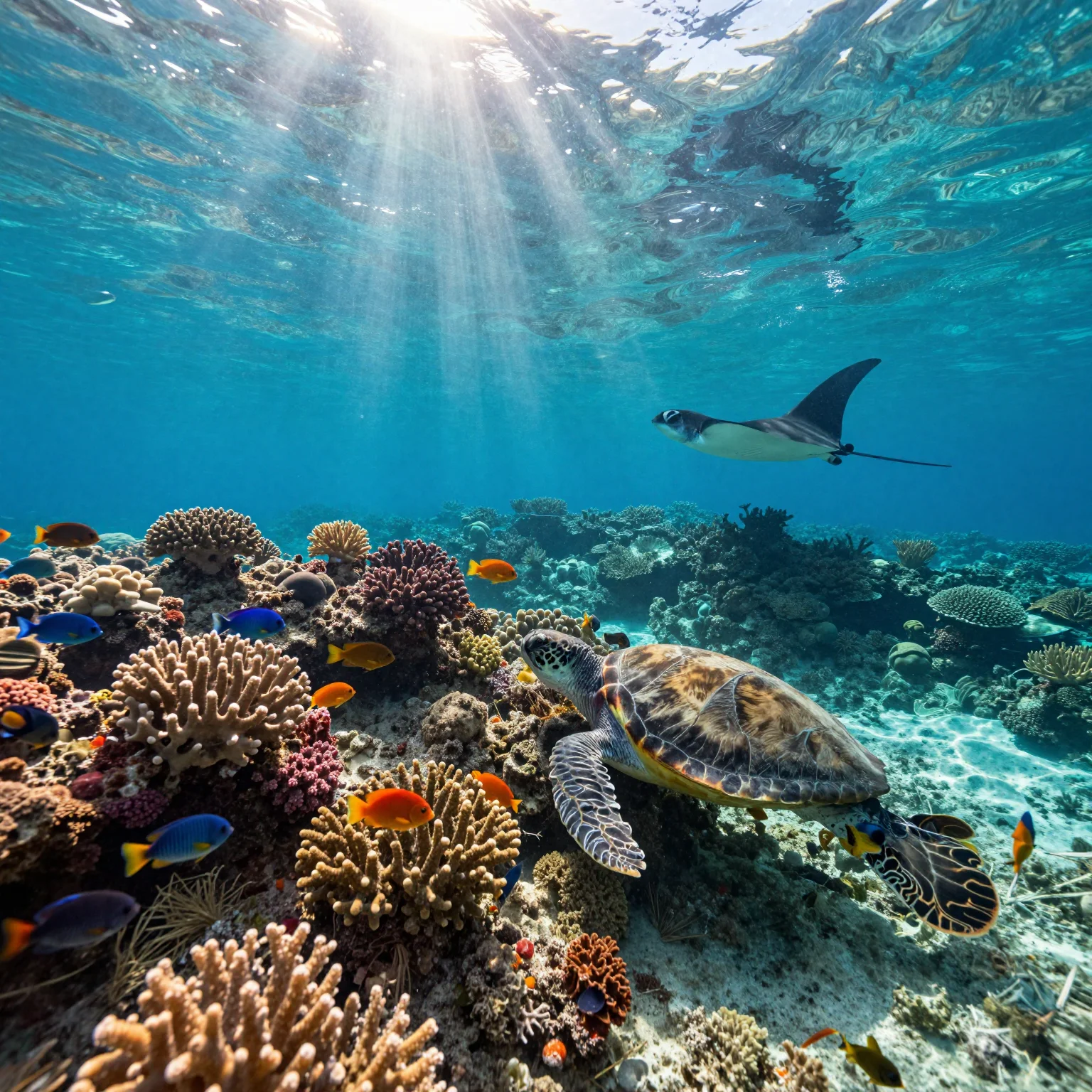
Ready to plunge into an underwater paradise? If you’re dreaming of crystal-clear waters, vibrant coral gardens, and encounters with incredible marine life, then you’re in the right place. Bali isn’t just about rice paddies and temples; it’s a world-class destination for ocean enthusiasts. Whether you’re an experienced diver looking for exhilarating drifts or a beginner eager to try snorkeling, the various Bali for Dive Snorkel and coastal havens offer something truly special for everyone. Let’s explore where you can find the best underwater experiences around the Island of the Gods.
We’re talking about places where you can literally swim alongside giants or explore an ecosystem teeming with tiny, colorful creatures. It’s an adventure waiting to happen, and we’re excited to show you the way!
Nusa Penida: Where Giants Roam and Currents Dance
Without a doubt, Nusa Penida stands as one of the most iconic of the Bali dive islands. Just a short boat ride southeast of mainland Bali, this rugged island is famous for its dramatic cliffs, pristine beaches, and, most importantly, its phenomenal underwater scene. Penida is a diver’s dream, known globally for its majestic manta rays and the elusive mola-mola (oceanic sunfish).


Manta Point & Manta Bay: Guaranteed Manta Ray Encounters
Imagine gliding through the water as several enormous manta rays gracefully swim past you, their wings spanning meters wide. This isn’t a fantasy; it’s an everyday reality at Manta Point and Manta Bay. These sites are natural cleaning stations where these gentle giants congregate year-round. While Manta Point can experience stronger swells, Manta Bay often offers calmer conditions, making both excellent choices for both divers and snorkelers. You’ll literally be swimming with these magnificent creatures – a truly unforgettable experience.
Crystal Bay: Mola-Mola Hotspot and Vibrant Reefs
True to its name, Crystal Bay boasts exceptionally clear waters, making it a favorite for many. But the real star here, especially during the dry season (July to October), is the mola-mola. These colossal, otherworldly fish ascend from the deep to the shallower waters for their own cleaning rituals. Even outside mola-mola season, Crystal Bay offers spectacular diving and snorkeling with healthy coral reefs, a diverse array of fish, and often excellent visibility. Be prepared for currents, which can sometimes be strong, but they also bring in the big pelagic fish!
Other Nusa Penida Dive Highlights
- Toyapakeh Wall: A fantastic drift dive offering beautiful coral formations and a chance to spot larger pelagics.
- Mangrove Point (Nusa Lembongan): Technically on Nusa Lembongan, but often visited from Penida, this site offers gentle drift dives along healthy coral gardens, perfect for macro life and beginners.
- Blue Corner: A challenging site for experienced divers, known for strong currents and potential sightings of mola-mola, eagle rays, and even sharks.
When planning your trip to Nusa Penida, remember that dive operators from both mainland Bali (Sanur) and Nusa Lembongan offer daily excursions. It’s a full day of adventure, and well worth the early start.
Vibi Tip: Always book your dive or snorkel trip to Nusa Penida with a reputable operator. They understand the local currents and marine conditions, ensuring both your safety and the best possible experience. Don’t be shy to ask about their safety protocols and equipment.
Nusa Lembongan & Ceningan: Laid-back Vibes and Stunning Reefs
Adjacent to Nusa Penida, Nusa Lembongan and its smaller sibling, Nusa Ceningan, offer a more relaxed atmosphere but no less spectacular underwater experiences. These two islands are connected by a picturesque yellow bridge, making it easy to explore both. They are perfect for those seeking a tranquil escape combined with incredible diving and snorkeling.
Vibrant Coral Gardens and Reef Life
The channels between Nusa Lembongan, Ceningan, and Penida are rich with nutrient-filled currents, supporting a thriving ecosystem. You’ll find beautiful hard and soft coral gardens, teeming with reef fish, turtles, and even smaller sharks. Sites like Blue Corner (shared with Penida) and Mangrove Point offer fantastic drift diving opportunities, where you simply let the current carry you over stunning topography.
Snorkeling Made Easy
For snorkelers, Lembongan and Ceningan are a dream come true. The shallow, clear waters around the islands provide easy access to vibrant coral reefs. Many boat tours will take you to multiple spots, including the calmer areas of Crystal Bay and Mangrove Point, where you can leisurely explore the underwater world with just a mask and snorkel. It’s an ideal setting for families and those new to snorkeling.
Amed & Tulamben: East Bali’s Wreck Diving Heaven
Moving to the east coast of mainland Bali, the charming fishing villages of Amed and Tulamben offer a distinctly different, yet equally captivating, diving and snorkeling experience. While not separate islands, these coastal areas are so focused on underwater tourism that they feel like distinct dive destinations.
The USAT Liberty Wreck: A World-Class Dive Site
The crown jewel of Tulamben is undoubtedly the USAT Liberty wreck, a US Army transport ship torpedoed by a Japanese submarine in 1942. Now lying just 30 meters from shore, this accessible wreck is covered in a kaleidoscope of corals and is home to an incredible array of marine life. From massive bumphead parrotfish to tiny pygmy seahorses, the Liberty offers something new on every dive. It’s suitable for all certification levels, including beginners, and its sheer size and biodiversity make it one of the most famous and beloved dive sites in the world. You can even snorkel over parts of the wreck!
Amed’s Pyramids and Jemeluk Bay
Amed itself is known for its artificial reef structures, often called “Pyramids,” which have become thriving habitats for macro life. Here, you can spot ghost pipefish, pygmy seahorses, frogfish, and a multitude of nudibranchs. Jemeluk Bay, with its calm, clear waters, is fantastic for shore snorkeling and diving, offering easy access to healthy reefs and a vibrant shallow ecosystem. Amed is also famous for muck diving, where divers search for rare and unusual critters hiding in the sandy or silty bottom.
The laid-back pace, beautiful black sand beaches, and stunning Mount Agung backdrop make Amed and Tulamben a truly special place to explore Bali’s underwater treasures. It’s also a great spot to complete your open water certification or try a discovery dive.
If you’re looking for an extensive guide on specific locations and what to expect, our comprehensive article on Bali snorkeling and diving spots covers even more fantastic sites across the island, providing deeper insights into each unique experience.
Padangbai: Accessible Diversity for All Levels
Another fantastic East Bali coastal town, Padangbai, serves as a major ferry port but is also a bustling hub for divers and snorkelers. Its proximity to diverse dive sites, ranging from calm bays to exhilarating drift dives, makes it incredibly popular, especially for day trips from South Bali.
Blue Lagoon & White Sand Beach: Snorkeling Paradises
Padangbai’s Blue Lagoon is a sheltered bay renowned for its calm, clear waters and vibrant shallow reefs, making it an absolute dream for snorkelers and beginner divers. Expect to see colorful clownfish, moray eels, cuttlefish, and a host of reef fish. Just nearby, White Sand Beach (Bias Tugel) also offers excellent snorkeling opportunities right off the shore.
The Jetty & Other Dive Sites
For more experienced divers, Padangbai offers a variety of sites. The Jetty, despite being a man-made structure, has created an incredible artificial reef, attracting rare macro life like frogfish, nudibranchs, and various crustaceans. Other sites like Shark Point and Channel offer deeper dives with possibilities of spotting reef sharks, turtles, and pelagic fish. Padangbai is incredibly versatile, suitable for every skill level, and easily accessible from most parts of Bali.
Menjangan Island: The Jewel of West Bali
Located off the northwest coast of Bali within the West Bali National Park, Menjangan Island is often hailed as having some of Bali’s most pristine and untouched reefs. This uninhabited island is a protected marine reserve, offering incredible wall diving, crystal-clear visibility, and a truly remote, serene experience.
Spectacular Wall Dives and Biodiversity
Menjangan is famous for its dramatic wall dives, where reefs plunge hundreds of meters into the deep. These walls are adorned with an explosion of soft and hard corals, sponges, and gorgonians, creating an underwater wonderland. You’ll encounter countless species of reef fish, barracudas, napoleon wrasse, reef sharks, and sometimes even turtles and manta rays. The pristine condition of the corals here is truly a sight to behold.
Coral Gardens and Snorkeling Delight
For snorkelers, Menjangan’s sheltered bays offer calm, shallow waters with healthy coral gardens thriving close to the surface. It’s a perfect spot to observe reef life without having to dive deep. The sheer abundance of marine species and the incredible visibility make it a top choice for anyone looking to connect with nature.
Reaching Menjangan requires a longer journey, typically involving a drive to Pemuteran or Labuan Lalang, followed by a short boat trip. However, the effort is richly rewarded with some of the best diving and snorkeling Bali has to offer, away from the crowds.
Planning Your Bali Dive & Snorkel Getaway
Now that you have a glimpse into the incredible underwater world awaiting you in Bali, here are a few tips to help you plan your perfect getaway:
- Best Time to Visit: Generally, the dry season (April to October) offers the best conditions for diving and snorkeling with calmer seas and better visibility. For mola-mola sightings, specifically target July to October.
- Choose Your Adventure: Consider what kind of experience you’re after. Do you want big fish encounters (Nusa Penida), relaxed reef exploration (Nusa Lembongan/Padangbai), or wreck diving (Tulamben)? Each area offers a unique flavor.
- Certification & Experience: Many sites are suitable for all levels, but some, particularly in Nusa Penida, can have strong currents requiring more experience. Always be honest about your skill level with your dive center.
- Stay Hydrated & Sun-Safe: The tropical sun is strong! Drink plenty of water and wear reef-safe sunscreen or a rash guard.
- Respect the Marine Environment: Bali’s reefs are precious. Never touch corals or marine life, don’t take anything from the sea, and practice responsible diving and snorkeling.
Exploring the underwater realm around the various Bali dive islands and coastal areas is an essential part of the Bali experience. Whether you’re mesmerized by mantas, fascinated by shipwrecks, or simply enchanted by colorful reef fish, Bali’s seas hold endless wonders. So pack your bags, grab your mask, and get ready for an aquatic adventure that will leave you breathless!
FAQ
What are the best Bali dive islands for seeing manta rays?
Nusa Penida, specifically Manta Point and Manta Bay, is world-renowned for consistent manta ray sightings year-round, offering incredible encounters for both divers and snorkelers.
Is Bali suitable for beginner divers and snorkelers?
Absolutely! Many locations like Padangbai (Blue Lagoon), Amed (Jemeluk Bay), and parts of Nusa Lembongan offer calm, shallow waters with vibrant marine life, perfect for beginners and those new to snorkeling.
When is the best time of year to dive in Bali?
The dry season, from April to October, generally offers the best diving and snorkeling conditions in Bali, with calmer seas and excellent visibility. For sightings of the famous mola-mola, target July to October.
Are there any shipwrecks to explore around Bali?
Yes, the USAT Liberty wreck in Tulamben, East Bali, is one of the most famous and accessible shipwrecks in the world. It’s teeming with marine life and suitable for all levels of divers, and even snorkelers can explore parts of it.