


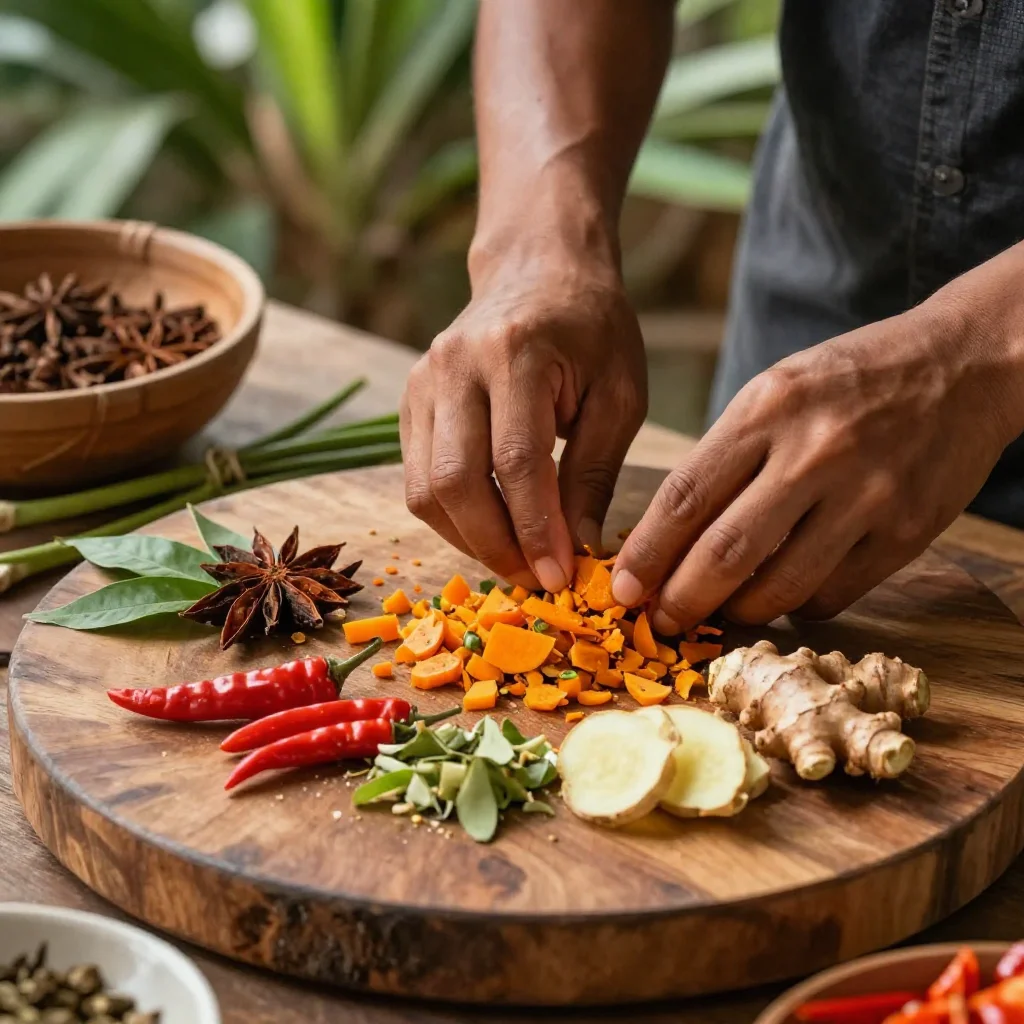
Picture this: you’re in Bali, surrounded by lush rice paddies or the gentle sound of waves, and the air is fragrant with exotic spices. You’re not just eating incredible food; you’re learning how to create it yourself. That’s the unforgettable experience a Balinese cooking class offers you. It’s more than just a culinary lesson; it’s an immersive journey into the heart of Indonesian culture, giving you a taste of local life that goes beyond the typical tourist trail.
Vibi Bali, we’re here to tell you that diving into Balinese cuisine is one of the most rewarding ways to connect with the island. You’ll not only master new dishes but also gain a deeper appreciation for the rich traditions and the vibrant community that thrives on this beautiful island. Ready to roll up your sleeves and explore the secrets of Balinese kitchens?
Why Take a Balinese Cooking Class?
You might be wondering, with so many amazing restaurants on the island, why bother cooking? Well, a cooking class offers something truly unique that dining out simply can’t match. It’s an interactive, sensory adventure that engages all your senses from start to finish, culminating in a meal you’ve prepared with your own hands.
More Than Just Recipes: A Cultural Immersion
Balinese food is deeply intertwined with daily life, religion, and community. When you join a cooking class, you’re not just getting a list of ingredients and instructions; you’re stepping into a cultural exchange. Your local instructor will often share stories about the ingredients, the traditions behind the dishes, and the philosophy of Balinese cooking. You’ll learn about the importance of fresh, local produce and the communal spirit that defines meal preparation here. It’s a fantastic way to understand the island’s soul.
The Freshest Ingredients: From Farm to Table
One of the greatest joys of Balinese cooking is the incredible freshness of the ingredients. Many classes begin with a visit to a local market, where you’ll see, smell, and even taste the bounty of Bali. Imagine selecting vibrant chilies, fragrant lemongrass, pungent galangal, and crisp vegetables directly from the vendors who grew them. This direct connection to the source is invaluable, teaching you about seasonality and the crucial role fresh components play in the distinctive flavors of Balinese dishes. It’s a true farm-to-table experience, often literally, as many classes are held on working farms or in traditional village settings.
Skills You’ll Take Home
Beyond the immediate satisfaction of your meal, a Balinese cooking class equips you with skills you can cherish and recreate long after you’ve left the island. You’ll learn fundamental techniques, like preparing a ‘bumbu’ (spice paste) from scratch using a mortar and pestle, understanding the balance of flavors, and even perfecting the art of wrapping sate lilit. Imagine impressing your friends and family back home with an authentic Balinese feast, sharing not just food but also the stories and traditions you learned on your travels.
What to Expect During Your Culinary Journey
While each cooking class in Bali has its unique charm, there’s a general flow you can anticipate. This consistent structure ensures you get a comprehensive and enjoyable experience, moving from ingredient sourcing to final delicious consumption.
Market Visit: A Feast for the Senses
Most reputable cooking classes start with an early morning visit to a traditional Balinese market. This isn’t just a shopping trip; it’s a vibrant spectacle of daily life. You’ll navigate narrow aisles overflowing with colorful fruits, vegetables, fresh fish, and an incredible array of spices. Your guide will introduce you to local produce, explain its uses, and give you insights into the bargaining culture. It’s an authentic glimpse into local commerce and a truly engaging start to your day. You’ll discover ingredients you might never have seen before, understanding their role in the distinctive tastes of Balinese cuisine.
Hands-On Cooking: Get Ready to Chop and Stir
After gathering your ingredients, it’s time to head to the kitchen – often an open-air pavilion in a beautiful garden setting or a traditional Balinese home. You’ll be assigned a workstation, equipped with a cutting board, knife, and all the necessary tools. Under the watchful eye of your chef, you’ll meticulously prepare each dish. This is where the magic happens! You’ll learn to grind spices, chop vegetables, marinate meats, and skillfully blend flavors. Expect a lot of hands-on participation, making the learning process interactive and memorable. Don’t be shy; ask questions and get fully involved!
Feasting on Your Creations
The grand finale of your cooking adventure is, of course, the meal itself. After hours of chopping, stirring, and sautéing, you’ll sit down to enjoy the delicious spread you’ve helped create. Typically, this is a communal meal, shared with your fellow participants and instructors, offering another opportunity for conversation and connection. Savoring the authentic flavors, knowing every dish was crafted by you, is an incredibly satisfying and delicious conclusion to your culinary journey.
Finding Your Perfect Bali Cooking Experience
Bali offers a diverse range of cooking classes to suit every preference, from idyllic rural settings to bustling town experiences. Choosing the right one depends on what kind of atmosphere and focus you’re looking for.
Ubud: The Heart of Balinese Culture
Ubud is arguably the most popular destination for cooking classes, and for good reason. Nestled amidst rice paddies and lush jungle, Ubud’s classes often come with breathtaking views and a strong emphasis on traditional Balinese culture. Many schools here integrate farm visits, organic gardening, and even lessons on making offerings. If you’re staying in this area, you’ll find a wide selection of authentic experiences. After your enriching culinary journey in Ubud, you might be eager to explore the island’s natural wonders. There are plenty of fantastic day trips from Ubud for nature lovers that allow you to immerse yourself in Bali’s breathtaking landscapes, complementing your cultural endeavors.
Coastal Gems: Seminyak, Canggu, Sanur
If you’re based in the south of Bali, don’t worry – you’re not left out! Seminyak, Canggu, and Sanur also boast excellent cooking schools, many of which cater to international visitors with modern facilities and diverse menus. These classes might offer a slightly different vibe, perhaps focusing more on convenience or incorporating seafood given their coastal locations. They often include transportation from your accommodation, making it incredibly easy to participate.
Specialized Classes: Vegetarian, Vegan, Desserts
Bali is renowned for its vegetarian and vegan-friendly culture, so it’s no surprise that many cooking classes offer specialized menus catering to these dietary preferences. You can learn to create delicious plant-based versions of classic Balinese dishes, ensuring everyone can participate in the culinary fun. Some classes even focus on specific themes, like traditional desserts, or introduce unique regional specialties. While you’re exploring the diverse flavors Bali offers, don’t forget that the island also boasts incredible variety beyond its traditional fare. For instance, if you’re ever craving something different, you might be surprised by the fantastic Chinese food in Bali you can find, showcasing the island’s expansive culinary landscape.
Vibi Bali’s Top Tips for Your Cooking Class
Vibi Tip: Go Early for the Market! If your class includes a market visit, try to book a session that starts early in the morning. This way, you’ll experience the market at its most vibrant, when locals are doing their daily shopping and the produce is at its absolute freshest. You’ll avoid the midday heat and get a more authentic, less crowded experience, allowing you to fully soak in the sights and sounds without feeling rushed.
Here are a few more nuggets of advice to ensure you get the most out of your experience:
- Wear Comfortable Clothing: You’ll be standing, chopping, and stirring, so comfortable, light clothing and closed-toe shoes are ideal.
- Come Hungry: You’ll be eating a multi-course meal at the end, so make sure you save plenty of room!
- Be Open to New Flavors: Balinese cuisine uses a unique blend of spices and ingredients. Embrace the new tastes and aromas.
- Ask Questions: Your instructor is a wealth of knowledge. Don’t hesitate to ask about techniques, ingredients, or Balinese culture.
- Bring a Camera (and a Notebook): Capture the vibrant market scenes and your culinary creations. A small notebook can be handy for jotting down extra tips or ingredient names.
Common Dishes You’ll Master
While menus vary, here are some iconic Balinese dishes you’re likely to learn in a cooking class:
- Sate Lilit: Minced fish or chicken, mixed with grated coconut, rich spices, and pressed onto lemongrass skewers, then grilled. Utterly delicious and a true Balinese staple.
- Lawar: A traditional mixed vegetable salad, often with grated coconut and minced meat, seasoned with a complex spice paste. It’s a celebratory dish often prepared communally.
- Nasi Goreng or Mie Goreng: The famous Indonesian fried rice or fried noodles, often customized with local spices and ingredients, topped with a fried egg. A comforting and flavorful classic.
- Kare Ayam (Chicken Curry): A rich and aromatic chicken curry made with a base of fresh Balinese spices and coconut milk. Each region might have its own twist on this popular dish.
- Tum Ayam: Minced chicken mixed with Balinese spices, wrapped in banana leaves, and then steamed or grilled. It’s incredibly flavorful and moist.
- Sambal Matah: A raw, fragrant shallot and lemongrass relish, often mixed with chili, lime leaves, and a touch of coconut oil. It’s fresh, spicy, and the perfect accompaniment to almost any Balinese dish.
Conclusion
Embarking on a Balinese cooking class is truly one of the most enriching and delicious activities you can choose during your time on the Island of the Gods. It’s an opportunity to delve deep into the local culture, connect with friendly Balinese people, and take home not just souvenirs, but invaluable skills and memories. From the bustling market to the fragrant kitchen, and finally to the table laden with your own culinary creations, every step is an adventure. So, when you’re planning your Bali itinerary, make sure to carve out time for this extraordinary experience. You won’t regret getting your hands dirty and tasting the authentic flavors of Bali, leaving with a full belly and a heart full of joy.
FAQ
Do I need prior cooking experience to join a Balinese cooking class?
Absolutely not! Most Balinese cooking classes are designed for all skill levels, from beginners to experienced home cooks. Instructors provide clear guidance and hands-on help throughout the process.
What kind of food will I learn to cook in a Balinese cooking class?
You’ll typically learn to prepare a variety of traditional Balinese dishes, often including classics like Sate Lilit, Lawar, Nasi Goreng, and various curries and sambals, all made with fresh, local ingredients.
Are Balinese cooking classes suitable for vegetarians or those with dietary restrictions?
Yes, many cooking classes in Bali are highly accommodating and offer vegetarian or vegan options. It’s always best to inform the school about any dietary restrictions when you book your class so they can make appropriate arrangements.
How long does a typical Balinese cooking class last?
A typical Balinese cooking class, often including a market visit, can last anywhere from 4 to 6 hours. This allows ample time for ingredient sourcing, preparation, cooking, and finally, enjoying the meal.