

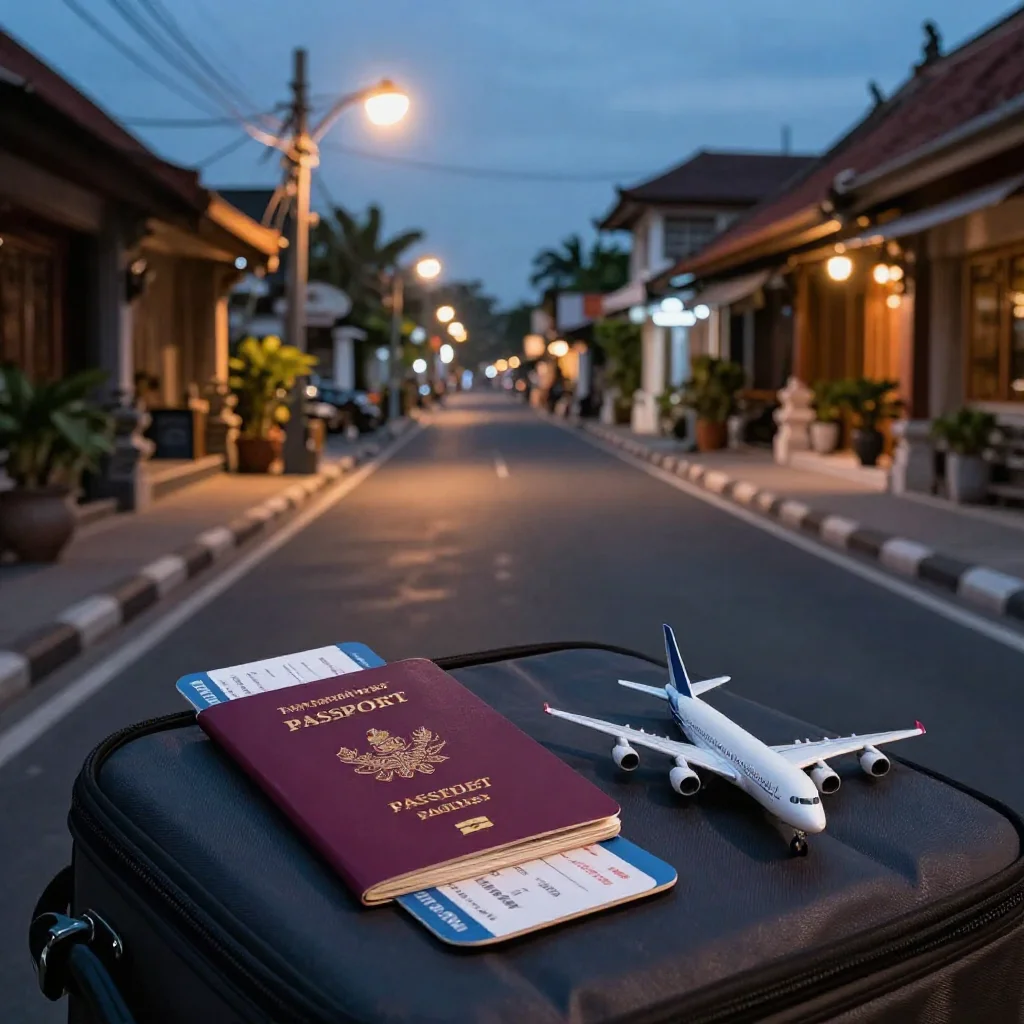
If you’re dreaming of a Bali escape, chances are you’ve heard about Nyepi, Bali’s fascinating Day of Silence. It’s a truly unique cultural experience, but it also brings with it some important logistical considerations, especially concerning your travel plans. As your well-traveled friend here at Vibi Bali, I want to make sure you’re fully prepared, particularly when it comes to understanding the inevitable Bali Nyepi flight changes and airport operations during this sacred period.
Imagine a whole island falling silent, lights dimming, and the air filling with a profound sense of peace. That’s Nyepi for you! While it’s an incredible opportunity for reflection and immersion in Balinese culture, it’s also when the I Gusti Ngurah Rai International Airport (Denpasar, DPS) temporarily closes its doors. This isn’t just a minor adjustment; it’s a full 24-hour halt to all regular commercial flights, and it’s absolutely crucial for anyone planning to arrive in or depart from Bali around these dates to be aware.
Let’s dive into everything you need to know to navigate your Bali trip smoothly during Nyepi, ensuring you embrace the island’s tranquility without any travel hiccups.

Understanding Nyepi: Bali’s Day of Silence
Before we delve into flight specifics, let’s truly grasp what Nyepi is all about. Nyepi, the Balinese Day of Silence, marks the start of the Saka New Year. It’s not a public holiday in the typical sense where people celebrate loudly. Instead, it’s a day of self-reflection, meditation, and spiritual cleansing for the Hindu community in Bali.
The day is observed with “Catur Brata Penyepian,” four main prohibitions that are strictly followed:
- Amati Geni (No Fire): This means no lights, no cooking, and no fires in general. For visitors, this translates to minimal lighting (often just enough to navigate indoors) and no open flames.
- Amati Karya (No Work): All forms of labor and activity cease. This applies to everything from rice farming to running businesses, and yes, even airport operations.
- Amati Lelungan (No Travel): People stay indoors. There’s no movement on the streets, no driving, and even the airport shuts down. The only exceptions are for emergency services, like ambulances.
- Amati Lelanguan (No Pleasure/Fasting): This involves abstaining from worldly pleasures, often accompanied by fasting and quiet contemplation.
The island truly transforms. The usual hustle and bustle vanish, leaving an eerie yet beautiful silence. Even the air feels different. This commitment to silence and introspection is deeply revered, and visitors are expected to respect these customs fully.
How Nyepi Impacts Travel: The Airport Closure Explained
The most significant impact of Nyepi for international tourists, digital nomads, and families planning their Bali trips is undoubtedly the 24-hour closure of I Gusti Ngurah Rai International Airport. This isn’t a suggestion; it’s a mandatory, total operational halt.
For the upcoming Hari Raya Nyepi Caka 1948, which falls on Thursday, March 19, 2026, the airport will be completely closed from Thursday, March 19, 2026, at 06:00 AM WITA (Central Indonesian Time) until Friday, March 20, 2026, at 06:00 AM WITA. During this specific 24-hour window, you won’t find any regular commercial flights arriving or departing from Bali.
This closure is a testament to the airport’s deep commitment to supporting and honoring the sacred observances of Nyepi. It’s a yearly routine that allows the Balinese Hindu community to perform their spiritual rituals without any disturbance from air traffic.
Ngurah Rai Airport: What Happens During the Silence?
You might wonder, what exactly goes on at the airport during these 24 hours? While regular flights cease, the airport isn’t entirely deserted. Management, in coordination with AirNav Indonesia and the Airport Authority, ensures essential personnel remain on standby.
This critical team is there to manage any unforeseen circumstances, such as:
- Medical Evacuations: Flights required for medical emergencies are granted special permission.
- Emergency Landings: Aircraft facing critical issues may still be accommodated if absolutely necessary.
- Special Approved Flights: In rare cases, specific flights might receive prior approval from relevant authorities.
These exceptions are few and far between, underscoring the universal nature of the airport closure. During the 2026 Nyepi, a significant number of flights, specifically 440 regular commercial flights, are slated to be affected. This includes 231 domestic routes and 209 international routes. Furthermore, approximately 19 aircraft are expected to remain overnight (RON) at Ngurah Rai Airport, ready to resume operations once the silence lifts.
Key Flight Schedule Details for Nyepi 2026
To help you plan your movements, here are the crucial timings for I Gusti Ngurah Rai International Airport around the 2026 Nyepi period. These schedules are meticulously coordinated to ensure minimal disruption while upholding the sanctity of the holiday.
Last Flights Before Closure:
If you’re looking to depart or arrive just before the silence descends, pay close attention to these cut-off times:
- Last Scheduled Domestic Departure: Wednesday, March 18, 2026, at 23:10 WITA
- Last Scheduled International Departure: Thursday, March 19, 2026, at 01:30 WITA
- Last Scheduled Domestic Arrival: Wednesday, March 18, 2026, at 23:05 WITA
- Last Scheduled International Arrival: Thursday, March 19, 2026, at 00:30 WITA
Keep in mind that these are the absolute latest times. Airlines typically advise arriving well in advance, especially for international flights, so don’t cut it too close!
First Flights After Reopening:
Once Nyepi concludes and the island slowly awakens, flight operations will resume. Here’s when you can expect the first planes to take to the skies and land in Bali:
- First Scheduled Domestic Departure: Friday, March 20, 2026, at 07:00 WITA
- First Scheduled International Departure: Friday, March 20, 2026, at 08:15 WITA
- First Scheduled Domestic Arrival: Friday, March 20, 2026, at 08:20 WITA
- First Scheduled International Arrival: Friday, March 20, 2026, at 07:05 WITA
Again, similar to pre-closure flights, it’s wise to coordinate directly with your airline for exact timings and check-in procedures as operations ramp back up.
Planning Your Bali Trip Around Nyepi: Insider Advice
Don’t let Nyepi deter your Bali dreams! With a little savvy planning, you can have an unforgettable experience. Here’s how to navigate your trip like a seasoned pro:
Before You Book: Check Nyepi Dates
Always, always check the Nyepi calendar before finalizing your travel dates. While the specific date for 2026 is set, Nyepi falls on a different day each year according to the Saka calendar. Knowing this beforehand allows you to either embrace the silence or plan your arrival/departure accordingly to avoid it.
If You’re Already Here: What to Expect on the Island
If your travel plans mean you’ll be in Bali during Nyepi, you’re in for a truly unique experience. Leading up to Nyepi, you might witness vibrant Melasti ceremonies (purification rituals at temples and beaches) and the spectacular Ogoh-Ogoh parades on the eve of Nyepi. These elaborate, demonic effigies are paraded through the streets to cleanse the island of evil spirits before being ritually burned or destroyed.
On Nyepi itself, the entire island becomes still. Streets are empty, shops are closed, and even the internet might be slowed or completely shut down in some areas to encourage true introspection. You’ll be expected to remain within your accommodation. Most hotels and villas are well-prepared, offering special Nyepi packages that include meals and in-house entertainment, knowing guests cannot leave. Embrace it as a rare opportunity for tranquility.
Packing Essentials: For a Day of Silence
If you’re staying in a villa or a hotel without a full-service Nyepi package, remember to stock up on snacks, drinks, and any personal necessities a day or two before Nyepi. All supermarkets and warungs (small local shops) will be closed. Bring books, download movies, or prepare quiet activities. The idea is to relax and enjoy the peace.
Accommodation: What to Ask Your Hotel
When booking your stay, especially if Nyepi falls within your dates, ask your accommodation provider specifically about their Nyepi arrangements. Inquire about:
- Meal arrangements (are they included, or is there an additional charge for special Nyepi meals?)
- Room service availability.
- Any in-house activities or entertainment provided.
- Internet/Wi-Fi reliability during the 24-hour period.
- Lighting regulations (most hotels will keep internal lights low).
Most reputable establishments are highly experienced with Nyepi and will ensure your comfort and adherence to local customs.
Getting Around: No Movement Allowed
This cannot be stressed enough: there is absolutely no movement allowed on the roads during Nyepi. This means no taxis, no ride-hailing services, no motorbikes, and no private cars. If you arrive just before the closure, ensure your transfer to your accommodation is pre-arranged and confirmed.
Embracing the Silence: The Unique Experience
Rather than seeing it as an inconvenience, try to view Nyepi as a profound cultural immersion. It’s a chance to disconnect from the digital world, reconnect with yourself, and witness a truly unique cultural phenomenon. The silence itself is often described as restorative, and the night sky, unmarred by artificial light pollution, offers unparalleled stargazing opportunities. It’s truly a once-in-a-lifetime experience that many travelers cherish.
Vibi Tip: Pack a lightweight sarong or scarf! While not directly related to flight changes, having one always comes in handy for temple visits (even if just your hotel’s temple on Nyepi) or as an extra layer when you’re enjoying the quiet evening breeze. It’s a small item that adds a lot to your Bali experience!
Essential Tips for a Smooth Nyepi Experience
To ensure your Nyepi journey is as smooth and enjoyable as possible, keep these pointers in mind:
- Communicate with Your Airline: As mentioned, Bali Nyepi flight changes are inevitable. Always double-check your flight status and schedule directly with your airline well in advance of Nyepi. Don’t rely solely on third-party booking sites for updates. Airlines usually send out notifications, but proactive checking is always best.
- Pre-book Transfers: If you’re arriving or departing on the days immediately surrounding Nyepi, book your airport transfers in advance. Taxis and private drivers will be in high demand, and you don’t want to be stranded. Confirm timings and costs beforehand.
- Stock Up on Essentials: For a hassle-free day indoors, make sure you have enough water, snacks, and any personal medication you might need. All shops, restaurants, and pharmacies will be closed.
- Respect Local Customs: Remember, you are a guest in Bali. Adhere strictly to the rules of Nyepi. Keep noise levels down, avoid using bright lights at night (especially visible from outside), and do not venture out onto the streets. Local Pecalang (traditional village security) patrol the streets to ensure compliance.
- Enjoy the Stargazing: With no lights on the entire island, Nyepi night offers one of the most spectacular views of the Milky Way you’ll ever witness. Step onto your balcony or into your garden (if permitted by your accommodation) and look up. It’s truly magical!
Embracing the Calm Before and After Your Journey
Nyepi is an extraordinary event, and while it requires careful planning for your flights and on-island movements, it also presents a unique opportunity to connect with Bali’s spiritual heart. The tranquility it offers is a stark contrast to the lively energy Bali is known for, providing a different, yet equally enriching, side of the island.
By understanding the importance of the Bali Nyepi flight changes and embracing the customs of this sacred day, you’re not just avoiding travel headaches – you’re stepping into a deeper appreciation of Balinese culture. So go ahead, plan your trip with confidence, and prepare for an experience that will leave you refreshed, inspired, and deeply connected to the Island of the Gods. Safe travels, and may your Nyepi be filled with peace and wonder!
FAQ
What is Nyepi, Bali’s Day of Silence?
Nyepi is the Balinese Day of Silence, observed by Balinese Hindus to mark their New Year. It is a day of self-reflection, meditation, and spiritual cleansing, during which the entire island adheres to strict prohibitions.
How does Nyepi affect flights to and from Bali?
During Nyepi, I Gusti Ngurah Rai International Airport (Denpasar, DPS) completely closes for 24 hours, meaning no regular commercial flights can arrive or depart. This affects hundreds of domestic and international flights annually.
Can I still travel around Bali on Nyepi day?
No, all travel is prohibited on Nyepi day. Streets are closed, and no vehicles or people are allowed to be outside their accommodations, except for emergency services.
What should travelers do if they are in Bali during Nyepi?
Travelers must remain within their accommodation for the entire 24-hour period. It’s advisable to stock up on food and water in advance and communicate with your hotel about their Nyepi arrangements for meals and in-house activities.
When is Nyepi 2026 and what are the airport closure times?
Nyepi 2026 is on Thursday, March 19. The airport will be closed from Thursday, March 19, 2026, at 06:00 AM WITA, until Friday, March 20, 2026, at 06:00 AM WITA.