
Did you know Bali’s roads see over three times more accidents involving international visitors than any other Indonesian destination? That’s a sobering statistic that should make every traveller pause before hopping behind the wheel.
Navigating the island’s unique traffic culture requires more than just your licence. You’ll encounter left-hand traffic, bustling streets, and local regulations that might surprise you.
Understanding these differences isn’t just about following the law – it’s about keeping yourself and others safe while enjoying your holiday. Proper preparation makes all the difference between a stressful experience and an unforgettable adventure.
This guide will walk you through everything from documentation requirements to cultural considerations on Balinese roads. You’ll learn how to adapt to conditions that are worlds away from what you’re used to back home.
Understanding Driving Rules for Tourists in Bali
Driving in Bali means knowing the rules and local ways. The island’s beauty is stunning, but its traffic can surprise you. Knowing the laws and customs makes driving safer and more fun.
Legal Framework for Foreign Drivers
Indonesia has its own traffic laws for all drivers, including tourists. These Bali driving regulations are different from what Aussies are used to.
Indonesian Traffic Laws Applicable to Tourists
All drivers must follow Indonesian traffic laws, no matter their nationality. The key rules include driving on the left and wearing helmets on bikes. Everyone must wear seatbelts.
Traffic police check these laws often. If you break them, you might get a fine right away. Knowing these Indonesian traffic laws helps you avoid trouble on your holiday.
Reciprocal Driving Agreements With Australia
Australia and Indonesia have agreements for driving in Bali. Aussies can drive here for up to three months with the right papers.
These reciprocal driving agreements mean you need your Aussie licence and an International Driving Permit. The agreement lets Australian drivers enjoy Bali’s roads.
Cultural Aspects of Balinese Driving
Bali has its own driving customs that show its culture. These customs are as important as the laws for safe driving.
Local Driving Customs and Expectations
Balinese drivers use horn taps to communicate, not to show anger. A short beep can mean “I’m here” or “I’m passing.” This is different from how Aussies use their horns.
Drivers also make extra lanes in heavy traffic. This flexible lane use requires constant attention. Being patient and adaptable is more important than strict rules.
Knowing these Balinese driving customs helps you fit in better. It makes driving less stressful and safer for everyone.
License Requirements for Australian Drivers
Before you hit Bali’s roads, you need to know what documents are required. Getting your paperwork sorted is the first step to a hassle-free drive on the island.
International Driving Permit Necessity
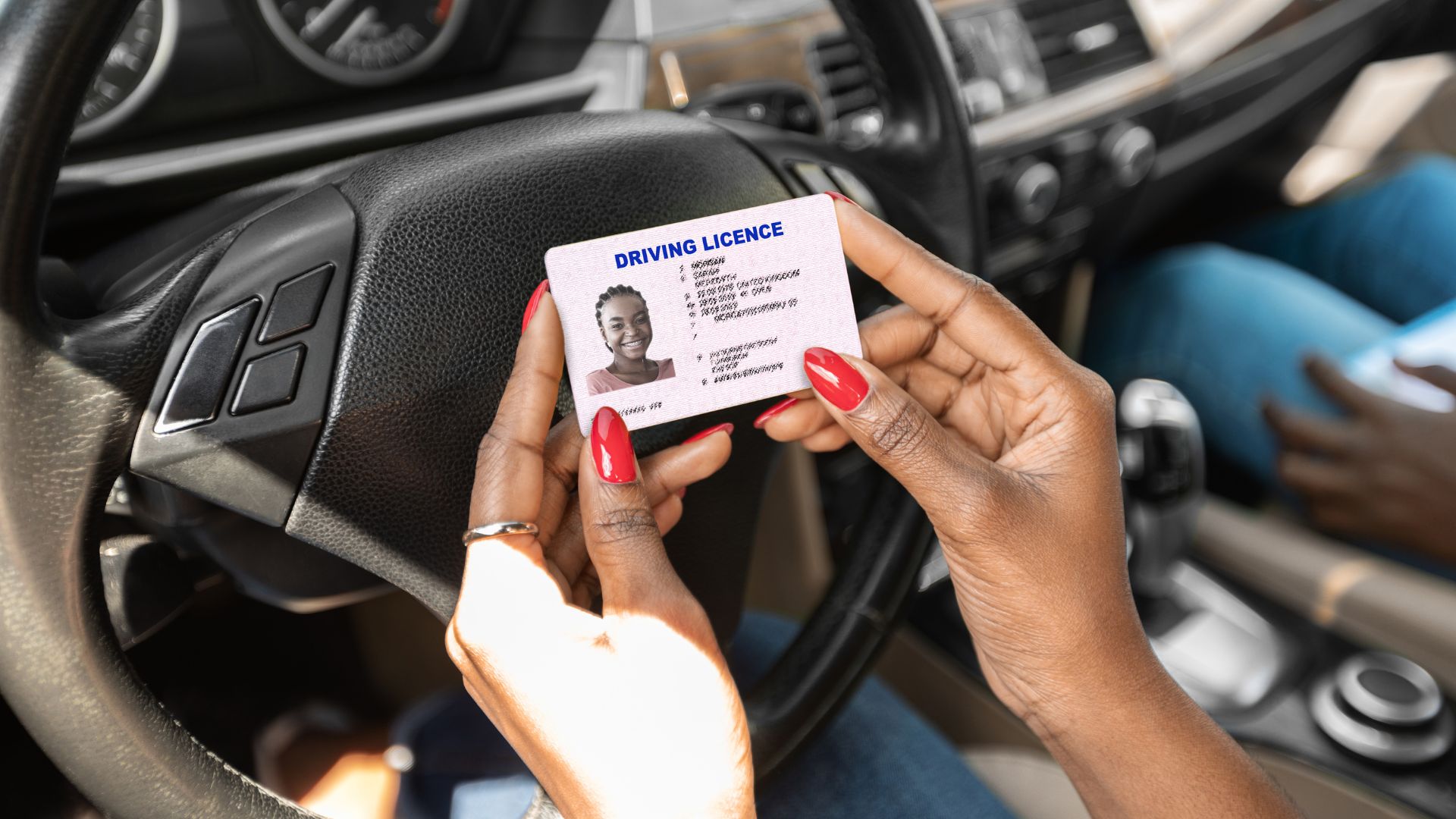
Your driver’s licence isn’t enough for driving in Bali. You must get an International Driving Permit (IDP) before you go. This permit translates your licence into many languages and proves you’re allowed to drive.
Application Process Through Australian Authorities
Get your IDP through motoring groups like NRMA, RACV, or RACQ. It’s easy – just fill out a form, provide passport photos, and show your valid licence. Most groups offer online forms with mail delivery.
Validity Period and Coverage Details
Your IDP is good for 12 months from when you get it. It covers cars, motorcycles, and small trucks. But remember, you must use it with your original licence, not instead of it.
Carrying Proper Identification
Always have your driving documents with you in Bali. Indonesian traffic police often check vehicles, mainly in tourist spots. Being ready avoids any trouble during your trip.
Required Documents During Police Checks
When stopped, show your IDP, your original licence, and passport. Police might ask for your vehicle’s registration and insurance too. Keep these documents safe but easy to find in your car.
Getting your driving documents ready for Bali makes dealing with officials easy. This way, you can enjoy the island’s stunning views without worry.
Bali Driving Regulations and Traffic Laws
Driving in Bali is different from what you’re used to in your country. Knowing the local rules helps keep you safe and makes your trip better.
Left-hand Driving Adaptation
Driving on the left in Bali is a big change for Australians. It changes how you drive and needs practice to get right.
Start with an automatic car to make things easier. Practice in quiet spots before you try busy roads. Always stay in the centre of the road.
When turning, remember to turn into the left lane. Roundabouts need you to go clockwise and give way to others.
Common Mistakes to Avoid
Many travellers tend to drive on the right, which is wrong in Bali. Stay alert and check your position often.
Don’t look the wrong way when crossing roads. Always check right, then left, then right again before moving.
Speed Limit Enforcement
Bali has different speed limits in different places. These are enforced by police and cameras. Knowing the limits helps you avoid fines and stay safe.
Urban Versus Rural Speed Restrictions
In places like Kuta and Ubud, the speed limit is 40-50 km/h. These areas have lots of people and intersections, so slow down.
Rural roads have higher limits, up to 80 km/h. But, watch out for unexpected things, and always drive defensively.
Alcohol Limits and Testing
Indonesia has a strict no-drink-driving rule. Even a little alcohol can lead to serious trouble.
Zero Tolerance Policy Enforcement
Police do random breath tests, often at night in tourist spots. The limit is effectively 0.00% – any alcohol is an offence.
Breaking this rule can mean big fines, having your car taken away, and even jail. The best plan is to not drink if you’re going to drive.
Interpreting Traffic Signs in Bali
Learning about Bali’s traffic signs makes driving easier and more fun. The island’s signs follow international rules but also show Balinese culture and traditions.
Major Sign Categories
Bali has two main types of traffic signs. Regulatory signs control traffic and have legal penalties if not followed. Warning signs tell you about road dangers ahead.
Regulatory Signs and Their Penalties
Regulatory signs include speed limits and no-entry zones. Ignoring these traffic signs in Bali can lead to fines from 50,000 to 500,000 IDR.
Speed limits and no overtaking zones are common. Police enforce these rules, so always check for speed limit changes.
Warning Signs for Road Hazards
Warning signs prepare you for road conditions. They warn of sharp bends and pedestrian crossings. Pay attention to these signs to stay safe.
Many warning signs use international symbols. Look out for signs about falling rocks and floods. These help you prepare for Bali’s varied driving conditions.
Unique Balinese Signage
Bali has special signs that mix traffic rules with local culture. These signs need your attention and respect.
Temple Area Restrictions
Temple zones have their own traffic rules. You’ll see signs limiting vehicle access near religious sites. Some areas ban honking or require slower speeds.
Respect traffic signs in Bali that mark temple areas. Parking rules often apply during ceremonies. Look for signs with temple silhouettes or Balinese motifs.
Ceremonial Route Markings
Balinese ceremonies often affect road access. Special signs show ceremonial routes and road closures. These signs often have decorative bamboo poles.
Ceremonial signs may show detours or restricted hours. They’re temporary but must be followed. Following these traffic signs in Bali shows respect for local culture.
Road Safety Tips for Driving in Bali
Driving in Bali means putting your safety first. These road safety tips for driving in Bali will help you stay safe. Knowing the local conditions makes your trip safer and more fun.
Navigating Mixed Traffic Conditions
Bali’s roads are full of different vehicles. You’ll see trucks, cars, and many motorcycles all together.
Sharing Roads with Motorcycles
Motorcycles are very common in Bali and follow their own rules. Always check your mirrors and blind spots before moving. Motorcyclists can appear suddenly.
Keep a safe distance and avoid sudden moves. Many riders move through traffic, so drive predictably. These tips can help avoid accidents with motorcycles.
Animal Crossings and Village Areas
In rural and village areas, animals often cross roads without warning. Slow down when passing through these areas, more so in the early morning and evening.
Dogs, chickens, and cows might cross the road. Stay alert and ready to stop. A gentle honk can alert animals without scaring them.
Weather-Related Precautions
Bali’s weather can change fast. Sudden rain during the wet season requires careful driving.
Wet Season Driving Techniques
When it rains, roads get slippery fast. Slow down and leave more space between you and the car in front. Braking takes longer on wet roads.
Use your headlights in heavy rain to see better. Avoid sudden stops and sharp turns to prevent skidding. These tips help you stay in control during rain.
Monsoon Condition Preparedness
Monsoon season brings heavy rain and flooding. Never drive through flooded areas where you can’t see the bottom. Floodwaters can hide dangers.
Check the weather before you go and delay travel in bad weather. Make sure your windscreen wipers and lights are working. Being ready makes driving in the monsoon safer.
By following these road safety tips for driving in Bali, you can enjoy the island while staying safe. Your awareness and preparation are key.
Renting a Car in Bali: Rules and Recommendations
Starting your journey in Bali means picking the right car and knowing the local rules. Understanding the renting a car in Bali rules helps you avoid problems and get a good car for your trip.
Rental Company Requirements
Good rental companies in Bali have rules to protect everyone. Knowing these rules early on can save you from surprises when you start driving.
Age Restrictions and Deposit Policies
Most car rentals in Bali want drivers to be at least 21. Some cars need drivers to be 25 or older. You’ll need to pay a deposit, usually between AUD $200 to $500. This deposit is returned if the car is in good shape when you return it. Always get this agreement in writing before paying.
Insurance Coverage Options
When renting a car in Bali, you must have comprehensive insurance. Basic insurance is usually included, but you might want to pay extra to lower your excess in case of an accident. Make sure third-party liability insurance is included, as it’s required by law in Indonesia.
Vehicle Inspection Checklist
Do a full check of the car before you leave. This step helps avoid arguments about damage and keeps you safe on Bali’s roads.
Pre-rental Documentation Review
Read all rental documents carefully before signing. Make sure the car’s registration (STNK) is valid and matches the car. The rental agreement should clearly state the rental period, insurance, deposit, and any extra fees. Take photos of the signed documents for your records.
Mechanical Condition Assessment
Test all car functions before you take it. Check brakes, lights, indicators, and air conditioning. Look at the tyres for tread and inflation. Check for scratches, dents, or interior damage and take photos. Make sure the fuel level matches your agreement.
By following these renting a car in Bali rules and tips, you’ll have a smooth rental experience. These steps let you enjoy Bali’s beauty without worrying about car problems.
Driving in Bali Tourist Areas
Driving in Bali’s tourist spots needs more than just knowing the road rules. These places have a lot of traffic and local driving habits that can be tricky. Knowing how to handle these situations makes driving there easier and less stressful.
Popular destination navigation
Every major tourist spot has its own traffic patterns. You need to plan your route with peak times and local driving habits in mind.
Kuta and Seminyak route strategies
Kuta and Seminyak have narrow streets with lots of scooters. Try to avoid main roads from 4-6 PM when it’s busy. Use side streets instead, but be careful for sudden turns and pedestrians.
Many places don’t have traffic lights, so drive carefully. Keep your speed down and watch out for cars coming from driveways without warning.
Ubud area driving considerations
Ubud’s roads are winding and sometimes have sharp corners. Monkeys might cross the road, and fog can make it hard to see on higher roads.
Tour buses can stop suddenly to pick up passengers. Keep a safe distance and be ready for sudden stops near popular spots.
Parking near attractions
Finding legal parking in tourist areas can be tough. Knowing where to park safely saves time and avoids problems.
Authorised parking facilities
Look for official parking spots with attendants and clear signs. Temples, beaches, and shopping centers usually have designated parking. These places charge between 5,000-20,000 IDR, depending on where you are and how long you park.
Always get a receipt when you pay for parking. This helps avoid any issues later.
Avoiding parking scams
Scammers might try to charge you for parking on streets near popular places. They often wear unofficial vests and ask for money for parking. Check if they have proper ID and look for official signs.
Don’t leave valuables in your car, even in paid parking spots. Choose well-lit, busy areas for parking, and avoid isolated spots at night. If something feels off, look for a different place to park.
Handling Traffic Police and Violations
Driving in Bali means following rules that are different from what Aussies are used to. Knowing these rules helps you have smooth talks with the police and avoid small problems from getting bigger.
Police Interaction Protocols
Stay calm and be nice if you get stopped by the traffic police in Bali. How you act can really change how things go.
Proper Conduct During Stops
Always say hello with a smile when you meet the police. Don’t argue or get upset. If they ask you to, turn off your car and get out. Be polite and respectful during the whole time.
Document Presentation Procedures
Have your papers ready before the officer asks for them. Show your international driving permit, passport, and rental agreement. Keep copies of these documents in a safe place. This shows you’re willing to cooperate.
Common Tourist Violations
Many foreign drivers in Bali make mistakes without meaning to. They often drive in the wrong lane, make illegal turns, or have expired documents. Not wearing a helmet on a motorbike is also a big no-no.
Fine Amounts and Payment Methods
Fines can be between 50,000 to 500,000 IDR, depending on the offence. Always ask for an official ticket that clearly states the violation. Pay your fines at police stations or banks. Don’t pay directly to the officers as it might be seen as bribery.
Understanding these rules helps foreign drivers in Bali deal with the police confidently. Being prepared makes your driving experience better during your holiday.
Conclusion
Knowing the driving rules in Bali makes your holiday better. Having an International Driving Permit and understanding local laws is key.
Always drive defensively. Be mindful of the traffic, weather, and cultural differences. This way, you avoid common mistakes.
Choose a reliable car rental like Avis or Budget. They do thorough checks and explain the rental terms clearly. This helps avoid any surprises on your trip.
Respect the local road customs and traffic police. Keep your documents ready and drive carefully in places like Ubud or Kuta. This makes your trip even better.
With the right preparation, driving in Bali is a great part of your adventure. Stay informed, drive safely, and enjoy the island’s beauty responsibly.
FAQ
Do I need an International Driving Permit to drive in Bali as an Australian tourist?
Yes, you need your Australian driver’s licence and a valid International Driving Permit (IDP) to drive in Bali. The IDP is an official translation of your licence. It’s required by Indonesian law for foreign drivers. You can get one from Australian motoring associations like NRMA or RACV before your trip.
What side of the road do you drive on in Bali?
In Bali, you drive on the left-hand side, just like in Australia. But, you should still be careful. Road layouts, traffic flow, and local driving habits are different from what you’re used to.
Are there any special traffic signs or road rules I should know about in Bali?
Yes, there are unique signs for temple areas, ceremonies, and local customs. Signs follow international standards but may have Indonesian text. Watch for signs about ceremonial routes or restricted temple zones. Ignoring these can lead to fines or cultural disrespect.
What are the alcohol limits for driving in Bali?
Indonesia has a strict zero-tolerance policy for drink driving. The legal blood alcohol concentration (BAC) limit is 0.0%. This means you cannot have any alcohol in your system while driving. Penalties for violations are severe and can include heavy fines, licence suspension, or even imprisonment.
How should I handle being stopped by traffic police in Bali?
If stopped, stay calm and polite. Have your licence, IDP, passport copy, and rental documents ready for inspection. Only pay fines through official channels at police stations or via authorised payment methods. Never pay directly to an officer on the spot, as this could be seen as bribery.
What insurance should I look for when renting a car in Bali?
Make sure your rental includes comprehensive insurance that covers collision damage, theft, and third-party liability. Check what the excess or deductible amounts are. Consider purchasing additional excess reduction insurance if available. Reputable companies like Blue Bird Group and Avis offer clear insurance terms for tourists.
Are there specific driving challenges in tourist areas like Kuta, Seminyak, or Ubud?
Yes, these areas have dense traffic, abundant scooters, narrow roads, and limited parking. In Ubud, you may also encounter rural conditions like animal crossings. Plan your routes outside peak hours and use authorised parking facilities to avoid scams.
What documents should I carry with me while driving in Bali?
Carry your original Australian driver’s licence, International Driving Permit, passport (or a clear colour copy), and rental agreement if applicable. Keep these documents secure but accessible in case of police checks or accidents.