
Did you know over 80% of Bali visitors stick to beaches and temples? They miss the island’s stunning natural wonders.
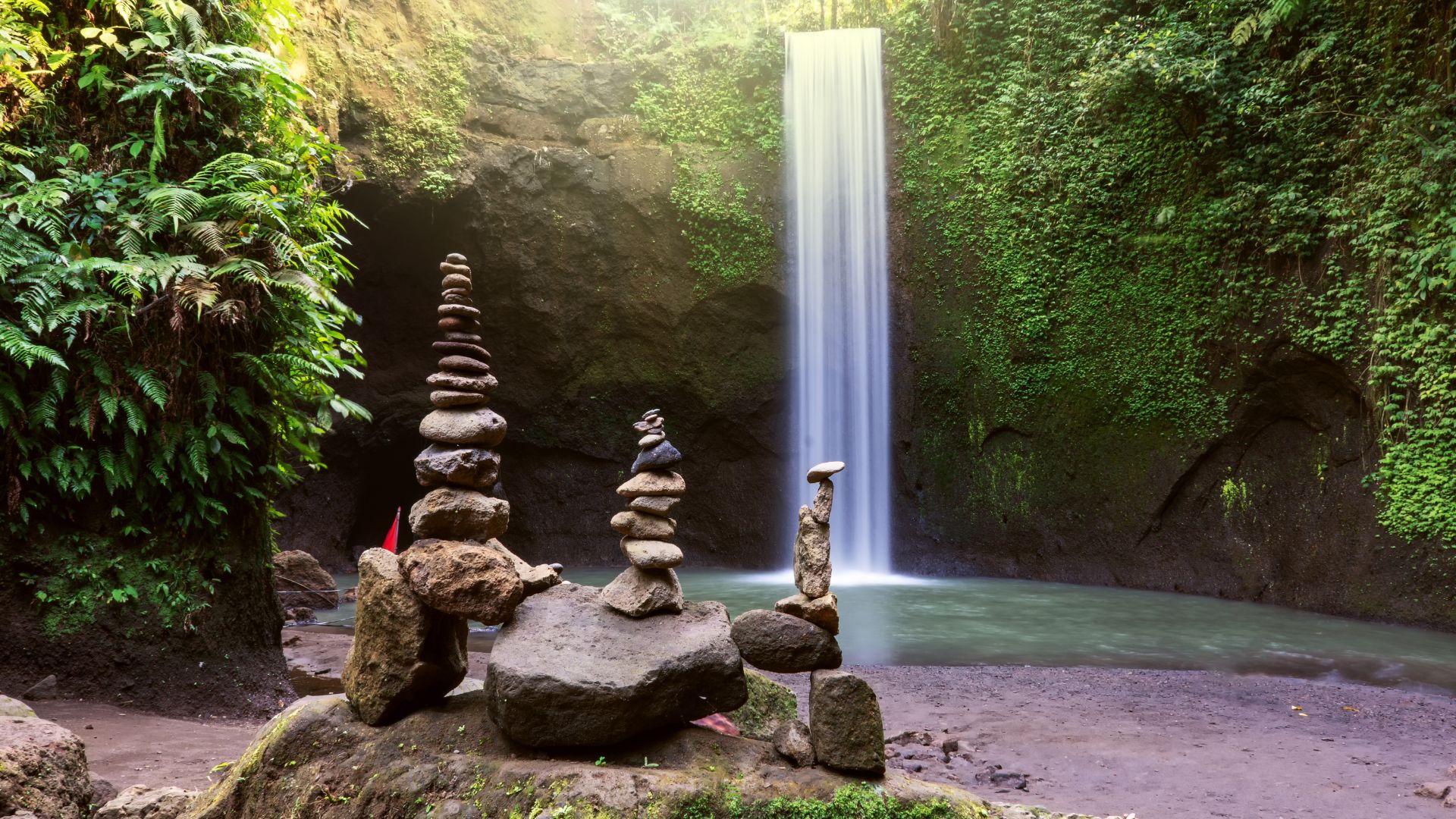
We’re here to show you the other side. This guide will lead you into Indonesia’s lush jungles. There, you’ll find crystal-clear cascades waiting to be discovered.
These waterfalls are more than just pretty pictures. They offer peaceful escapes, cultural experiences, and exciting adventures. They’ll make your tropical trip unforgettable.
Join us on a journey to explore both famous and hidden waterfalls. Discover Bali in a whole new way.
Discovering the Magic of Bali Waterfalls
Bali’s waterfalls are more than just beautiful sights. They offer a full sensory experience that captures the island’s essence. Their natural beauty, cultural importance, and easy access make them special places to visit.
The Unique Appeal of Bali’s Natural Cascades
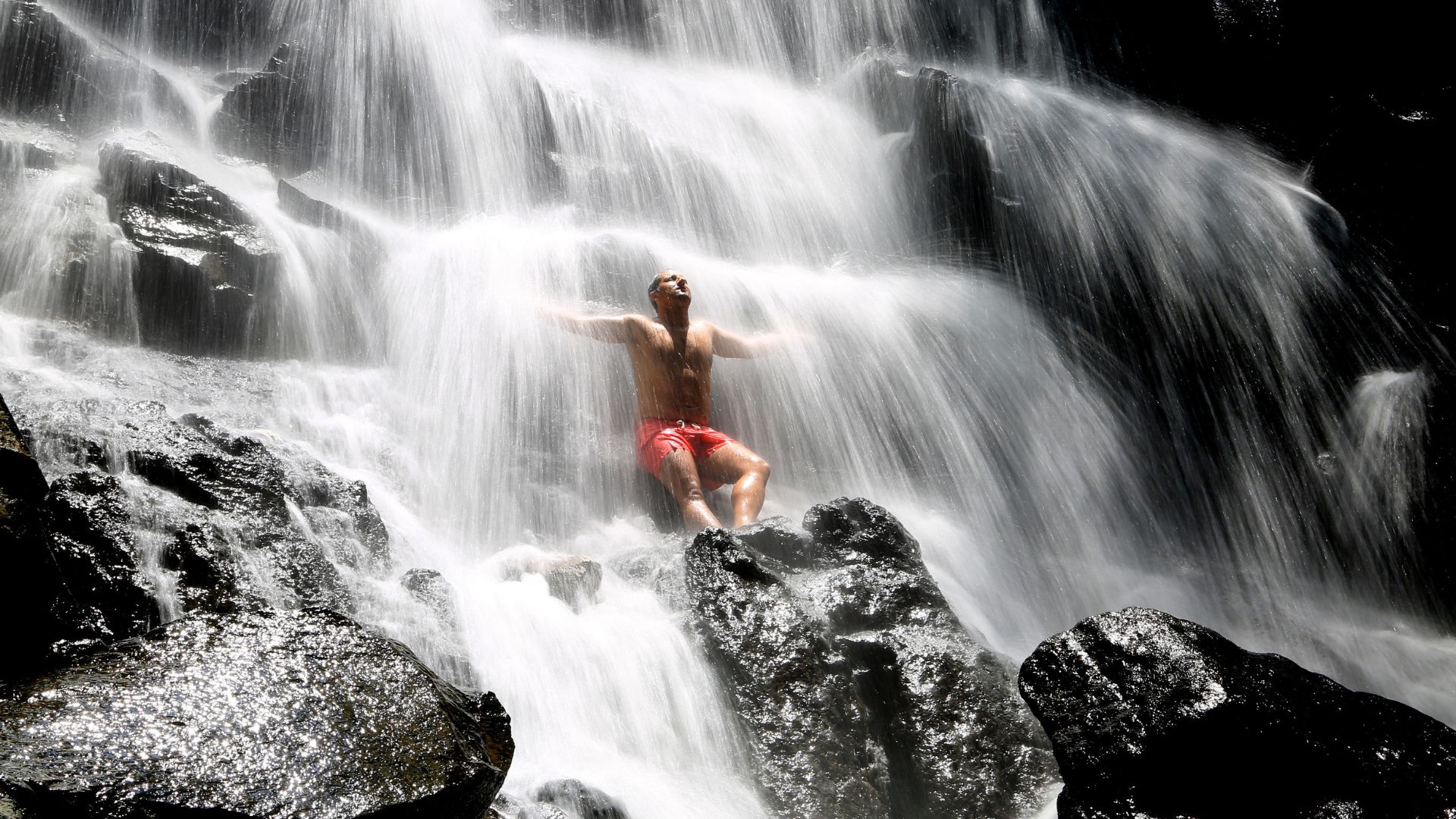
Bali’s waterfalls are unique because they blend perfectly with the island’s lush landscape. They are surrounded by dense jungle, creating a magical atmosphere. The sound of rushing water and tropical birds singing together is like a symphony of nature.
Water is deeply spiritual in Balinese culture, adding to the waterfall experience. Many waterfalls are sacred sites near temples. This spiritual connection makes a visit more than just a sightseeing trip.
Traditional villages often surround these waterfalls, giving visitors a peek into real Balinese life. The mix of natural beauty and cultural richness makes visiting these waterfalls a unique experience.
What Sets Indonesian Waterfalls Apart
Indonesia has many beautiful waterfalls, but Bali’s stand out. The island’s volcanic geology creates dramatic drops and unique rock formations. These features make the waterfalls visually stunning and powerful.
The jungle around the waterfalls adds to the experience with its vibrant greenery and wildlife. This lush setting provides shade and keeps visitors cool, even when it’s hot.
Bali’s waterfalls are also easy to reach, catering to all fitness levels. There are paths for easy walks and more challenging hikes. This means everyone can enjoy these natural wonders, no matter their physical ability.
These qualities make Bali’s waterfalls some of the best waterfalls in bali and Indonesia. The combination of natural beauty, cultural significance, and accessibility makes them truly exceptional places to visit.
Planning Your Bali Waterfall Adventure
Getting ready right can make your waterfall trip unforgettable. We’ve gathered tips from our many trips to help you plan well.
Choosing the Optimal Time to Visit
When you go makes a big difference. Bali’s weather changes with the seasons.
Seasonal Considerations for Each Region
Northern Bali gets more rain, so waterfalls like Sekumpul are amazing in the wet season. Central areas have steady water all year. Eastern Bali is drier, great for hiking.
The dry season (April-September) is safer for hiking. But, the wet season (October-March) has more water and slippery trails.
Weather Patterns and Water Flow Conditions
Visiting in the morning can give you clearer skies and better light for photos. Afternoons in the wet season might bring rain, making trails slippery.
Water flow is highest from December to February. But, September to November is often the best time for a good balance of water and easy access.
Essential Packing List for Waterfall Exploration
Packing smart keeps you comfortable and safe. These items have been key for us in Bali.
Clothing and Footwear Recommendations
Wear clothes that dry fast for comfort after swimming. Lightweight long sleeves help against sun and bugs in the jungle.
Water shoes with good grip are essential for slippery rocks. Don’t wear flip-flops because they’re not safe or stable.
Safety Gear and Equipment Checklist
Use waterproof bags to keep your stuff dry. Headlamps are important for early starts or unexpected delays.
Carry a basic first aid kit for small injuries. Water purification tablets are vital for safe drinking water on long hikes.
With these tips, you’ll be ready to enjoy Bali’s stunning waterfalls safely and comfortably.
Step-by-Step Guide to Northern Region Waterfalls
Northern Bali is home to some of the island’s most stunning waterfalls. This area combines breathtaking natural beauty with authentic cultural encounters. We’ll guide you through two of the most remarkable must-see Bali waterfalls in this area.
Visiting Sekumpul Waterfall: Bali’s Crown Jewel
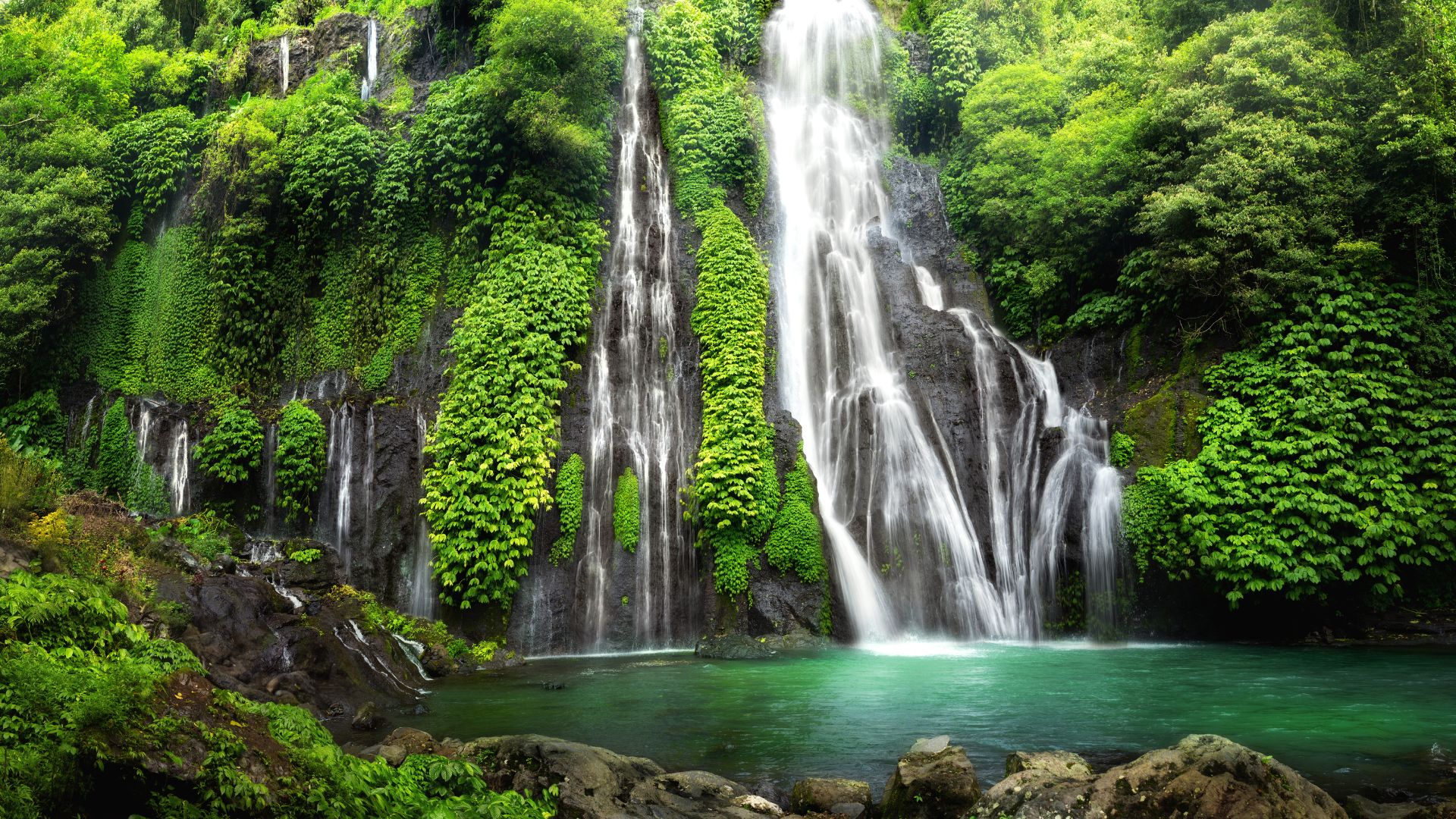
Sekumpul is Bali’s most impressive waterfall complex. It has seven separate cascades that create a magnificent natural amphitheater. The journey through lush tropical vegetation is part of the adventure.
Transportation Options and Access Routes
Getting to Sekumpul requires planning due to its remote location. Scooters offer flexibility but need confident riding skills on winding mountain roads. Private drivers provide comfort and local knowledge, while organized tours handle all logistics.
The access road goes through traditional villages and coffee plantations. The final descent to the waterfalls involves about 500 steps. Wear proper footwear and carry only essential items for the hike.
Guided Tour Requirements and Local Guides
Local guides are mandatory for Sekumpul visits and greatly enhance the experience. They ensure visitor safety and share fascinating insights about the area. Reputable guides wait at the main entrance point with official identification.
Guides know the best viewpoints and photography spots. They also assist with river crossings during the rainy season. Negotiate rates beforehand and expect to pay around 200,000 IDR for a small group.
Exploring Gitgit Waterfall: The Accessible Classic
Gitgit is a more accessible alternative among must-see Bali waterfalls. It has well-maintained paths and facilities, making it ideal for families and first-time visitors. The single powerful cascade drops 35 meters into a refreshing pool.
Entrance Fees and Facility Information
Entry costs 20,000 IDR per person with additional parking fees. The site opens daily from 8:00 AM to 6:00 PM. Basic facilities include clean restrooms, small warungs selling drinks and snacks, and souvenir stalls.
The main path features handrails and gradual steps for comfortable descent. Several viewpoints along the way offer excellent photo opportunities. Morning visits provide the best lighting and fewer crowds.
Swimming Guidelines and Safety Measures
Swimming is permitted in the designated pool area beneath the waterfall. Current strength varies seasonally, so always assess conditions before entering. Avoid swimming during heavy rainfall when water levels rise rapidly.
Rocks can be extremely slippery, so water shoes provide better traction. Never swim alone and keep children within arm’s reach. Lifeguards are not present, so personal responsibility is essential.
These northern gems represent truly must-see Bali waterfalls that showcase the island’s diverse natural beauty. Each offers distinct experiences catering to different adventure levels and preferences.
Central Bali’s Most Enchanting Waterfalls
Central Bali is home to some of the island’s most stunning waterfalls. These spots are easy to get to and offer a great introduction to Bali’s natural beauty. They are perfect for those who want to see beauty without having to hike too far.
Tegenungan Waterfall: Perfect for First-Time Visitors
Tegenungan is a top choice in Central Bali for a reason. Its powerful waterfall and easy access make it great for beginners. The waterfall’s roar creates a cool mist that refreshes the area.
Step-by-Step Access Instructions
Getting to Tegenungan from Ubud is easy. The drive takes about 20 minutes on Jl. Raya Teges. There are clear parking signs and staff to help. From there, you’ll go down 160 steps to the waterfall.
The path has strong steps and handrails for safety. Wear good shoes because the steps can be slippery when it rains. It takes about 10 minutes to get down at a slow pace.
Photography Tips and Best Viewing Spots
For the best photos, stand on the viewing platform in front of the waterfall. The morning light from 9-11 AM is perfect. It shows off the waterfall’s beauty without harsh shadows.
For creative shots, try the riverbank on the left. It shows the waterfall’s size against the jungle. Use a polarizing filter to reduce glare from the water.
Kanto Lampo Waterfall: Unique Geological Formation
Kanto Lampo offers a unique view with its cascading rock formations. Instead of a single drop, water flows over volcanic rocks, creating many small cascades. It’s a photographer’s paradise.
Navigating the Rocky Terrain Safely
Getting to Kanto Lampo means walking on smooth rocks. Wear water shoes with good grip. The rocks can be very slippery, more so in the wet season.
Local guides often help near the entrance. They know the safest paths. The water is usually shallow, making it safe to wade.
Optimal Visit Times for Photography
The best time for photos at Kanto Lampo is late afternoon. From 3-5 PM, the sunlight creates beautiful patterns on the water. It also highlights the rock textures.
For fewer people, visit on weekdays in the morning. The waterfall’s unique shape offers different views at different times. This bali waterfall guide suggests trying different angles.
Tegenungan and Kanto Lampo are highlights of Central Bali. They offer easy adventures that show off Bali’s beauty. Our bali waterfall guide always recommends them for their beauty and ease of access.
Eastern Bali’s Hidden Waterfall Gems
Eastern Bali is home to some of the island’s most stunning waterfalls. These hidden spots offer unique experiences away from the crowds. We’ve gathered key info to help you explore these remote cascades.
Nungnung Waterfall: The Majestic Powerhouse
Nungnung is one of Bali’s most impressive waterfalls. It drops 50 meters into a deep pool, surrounded by lush greenery. The sound and mist create an unforgettable atmosphere.
Preparing for the Steep Descent
The path to Nungnung has about 500 steps down a steep hill. Wear sturdy hiking shoes with good traction. Using trekking poles can help with stability.
Carry lots of water and snacks for the climb back up. The humid climate makes it harder. Rest at the designated spots along the way.
Safety Precautions and Physical Requirements
Nungnung requires some fitness due to the stairs and elevation. Those with knee issues or mobility problems might want to skip it. The rocks are very slippery.
Don’t swim under the waterfall. The current is strong and can be dangerous. Keep a safe distance from the edge.
Tibumana Waterfall: Secluded Tropical Paradise
Tibumana offers a different vibe from Nungnung. It’s a gentle waterfall in a narrow canyon, perfect for relaxation and photos.
Finding This Hidden Location
Tibumana is near Bangli regency, a hidden gem in Eastern Bali. Look for a small sign down a path between rice fields. The entrance fee helps maintain the area.
The path to Tibumana is flat and takes about 15 minutes. You’ll see beautiful jungle before reaching the waterfall. Early mornings are the quietest.
Swimming Guidelines and Water Safety
The pool at Tibumana is calm for swimming. Always check the current first. In the rainy season, the water flow is too strong for swimming.
Don’t jump into the pool from rocks. Hidden objects can be dangerous. The water is cool all year. Wear water shoes to protect your feet.
Don’t use soaps or shampoos in the water. These waterfalls depend on visitors to stay clean for others to enjoy.
Transportation Strategies for Waterfall Exploration
Getting around Bali efficiently makes your waterfall adventures more enjoyable. We have tested both scooter rentals and private drivers to find the best options for travelers. Each method offers unique advantages depending on your comfort level and itinerary needs.
Scooter Rental and Navigation Tips
Renting a scooter gives you maximum flexibility for your Bali waterfall adventures. You can explore at your own pace and reach remote locations that larger vehicles cannot access. Always prioritize safety and proper documentation when renting.
Step-by-Step Rental Process
Start by visiting reputable rental shops in tourist areas like Ubud or Canggu. Bring your international driver’s license and passport for verification. Expect to pay 50,000-80,000 IDR per day for a well-maintained automatic scooter.
Inspect the vehicle thoroughly before accepting it. Check brakes, lights, and tire pressure. Take photos of any existing damage to avoid disputes later. Ensure the rental includes basic insurance coverage for peace of mind.
GPS Navigation and Offline Maps Setup
Download Google Maps offline for Bali before starting your journey. Mark all waterfall locations you plan to visit. This prevents connectivity issues in remote areas where signals can be weak.
We recommend Maps.me as an alternative navigation app. It provides detailed trails to waterfall entrances that standard maps might miss. Always carry a power bank to keep your phone charged during long exploration days.
Hiring Private Drivers for Comfortable Travel
Private drivers offer comfort and local knowledge for your waterfall tours. This option works well for groups or those preferring air-conditioned transportation. You can cover more ground without worrying about directions or parking.
Finding Reliable Driver Services
Ask your hotel reception for driver recommendations they regularly work with. Check online platforms like Tripadvisor for reviewed drivers with high ratings. Look for drivers who specialize in waterfall tours for the best experience.
WhatsApp remains the primary communication method in Bali. Save several driver contacts before your trip. This gives you backup options if your first choice becomes unavailable.
Negotiating Rates and Creating Itineraries
Standard rates range from 600,000-800,000 IDR for 8-10 hours of service. Discuss your waterfall itinerary clearly beforehand. Include travel time between locations to avoid rushing your visits.
Group northern waterfalls together to minimize driving time. Combine Gitgit and Sekumpul on one day, then focus on central waterfalls another day. Good drivers often know less crowded times for each location.
Essential Safety Protocols for Waterfall Visits
Exploring Bali waterfalls is an amazing experience, but safety is key. We’ve learned a lot from our visits and want to share our tips. This way, your adventures will be both unforgettable and safe.
Assessing Conditions and Potential Risks
Before you go to a waterfall, it’s important to check the conditions. Bali’s weather can change fast, so you need to stay alert.
Checking Weather and Water Level Updates
We always look at reliable sources before we go. The Bali Meteorological Department gives us good weather forecasts. Local tourism offices tell us about water levels.
During the rainy season (November-March), check the conditions often. A sudden storm can make a stream strong in just minutes.
Recognizing Dangerous Situations
It’s crucial to know the warning signs. If the water level goes up, changes color, or has more debris, it’s dangerous. Move to higher ground right away.
Also, watch out for unstable terrain. Loose rocks and slippery paths need careful steps. Always check the area before going closer to the waterfall.
Personal Safety Measures and Precautions
Being prepared makes visiting Bali waterfalls safer. These steps have helped us during many visits.
Proper Footwear Selection and Usage
Choosing the right shoes is very important. For rocky and slippery areas, water shoes with good grip are best. Hiking sandals are good for some trails, and waterproof boots for tougher ones.
Don’t wear flip-flops or smooth-soled shoes. They don’t protect against sharp rocks or slippery spots. Always carry a dry pair of shoes for the way back.
Water Safety and Swimming Guidelines
Not all waterfalls are safe for swimming. We check the current by watching the water flow and debris. If it’s strong or has whirlpools, don’t swim.
If it seems safe, enter slowly facing the waterfall. Always know where you’ll get out and don’t swim alone. Many pools have hidden rocks and drop-offs.
By following these safety tips, your visit to Bali waterfalls will be amazing and safe. Being prepared lets you enjoy nature’s beauty without risks.
Photography Guide for Bali Waterfalls
Capturing the perfect waterfall shot is more than just pointing and shooting. We’ve spent countless hours photographing Bali’s cascades. We want to share our proven techniques with you. This guide will help you return home with stunning images that truly showcase the beauty of these natural wonders.
Essential Camera Equipment and Settings
Proper gear makes all the difference when photographing waterfalls. The misty environment demands specialized equipment. This protects your investment while capturing those magical moments.
Recommended Gear for Water Conditions
We always bring a weather-sealed camera body and lenses for our bali waterfall tours. A sturdy tripod is non-negotiable for long exposures. Polarizing filters help reduce glare on wet surfaces while enhancing color saturation. Waterproof backpack covers protect your equipment during hikes to remote locations.
Camera Protection from Moisture
Moisture is the biggest threat to your camera gear. We use rain sleeves designed for photography equipment. Silica gel packets in your camera bag prevent internal condensation. Always carry microfiber cloths to quickly wipe away water droplets from lenses and camera bodies.
Composition Techniques and Timing
Great waterfall photography combines technical skill with artistic vision. The right composition transforms a simple snapshot into a memorable work of art.
Optimal Lighting Conditions for Shots
We schedule our bali waterfall tours for early morning or late afternoon. The golden hour provides soft, directional light that enhances texture and depth. Overcast days offer evenly distributed light without harsh shadows. Avoid midday sun when contrast is too extreme for quality waterfall photography.
Creative Angles and Perspectives
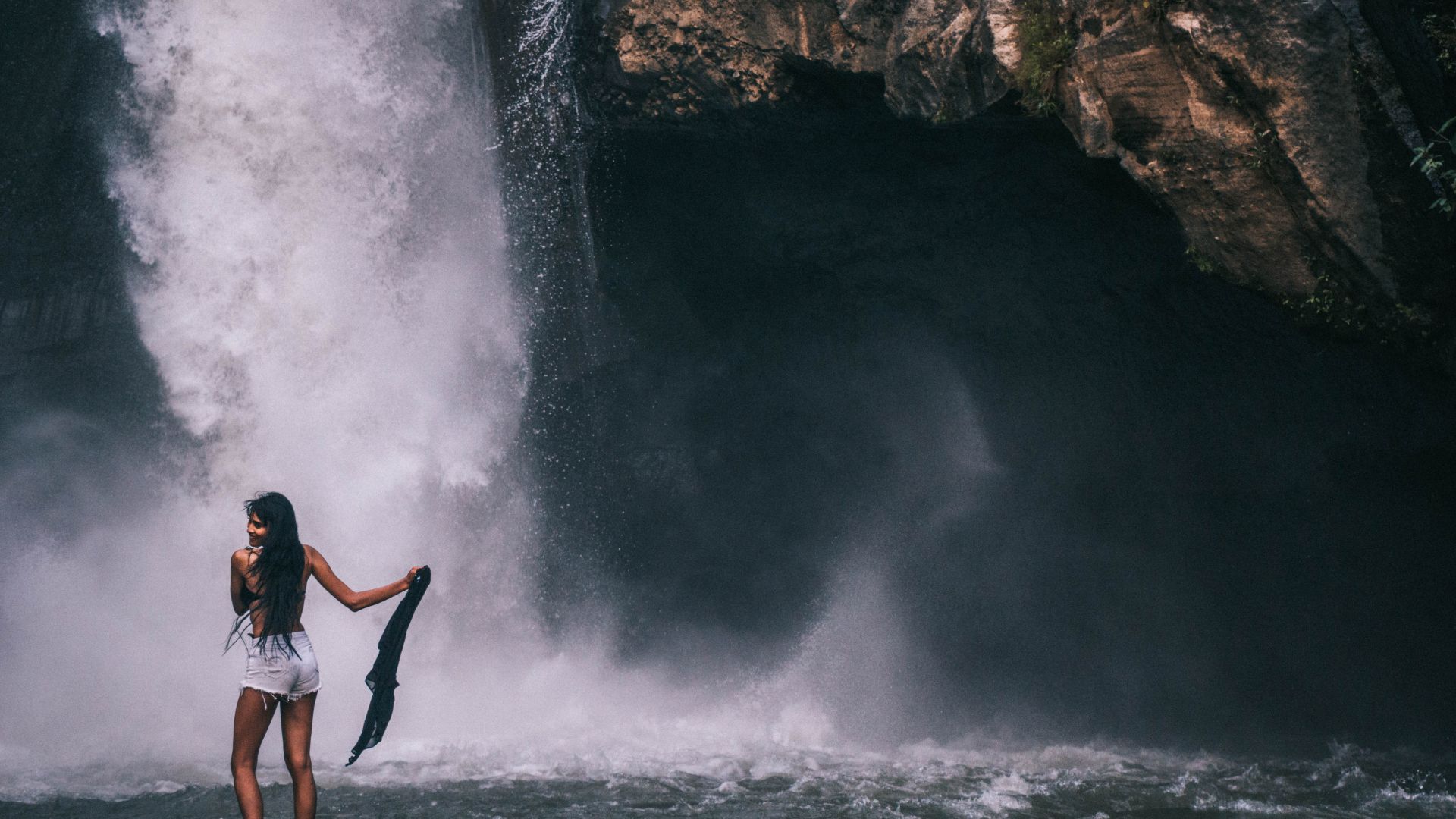
Don’t just shoot from the standard viewing platform. We often wade into shallow streams for lower angles that make waterfalls appear more powerful. Including foreground elements like rocks or vegetation adds depth to your composition. Experiment with different focal lengths from wide establishing shots to intimate details of water patterns.
Remember that the best bali waterfall tours combine exploration with creativity. Sometimes the most memorable shots come from unexpected angles and spontaneous moments. Keep your camera accessible and be ready to capture those magical instances when light and water create something extraordinary.
Cultural Respect and Environmental Responsibility
Exploring Bali’s waterfalls is more than just seeing beautiful sights. It’s a chance to learn about Indonesia’s culture and practice eco-friendly tourism. Knowing local customs and being green makes every trip better.
Understanding Local Customs and Traditions
Bali’s spiritual traditions shape daily life, including visits to waterfalls. Many waterfalls are near sacred temples or hold special meaning for locals. This connection makes a visit more than just a sightseeing trip.
Temple Etiquette and Dress Codes
Visiting waterfalls near temples requires proper clothing. Both men and women should wear clothes that cover shoulders and knees. You can rent sarongs at many places, but bringing your own is better.
Take off your shoes before entering temples and speak softly. Don’t point your feet at altars or sacred objects. These simple steps show respect for Balinese culture.
Respecting Religious Ceremonies
Waterfalls are often near places of worship, like during full moons and holy days. If you see a ceremony, stay back and be quiet. Never walk between people or interrupt the ritual.
Be careful with your camera during ceremonies. Always ask before taking pictures of religious events or people. Some ceremonies don’t allow photos at all.
Sustainable Tourism Practices
Keeping Bali’s beauty for future generations is key. Sustainable tourism helps protect the environment and supports local communities that care for these places.
Leave No Trace Principles
Take everything you brought to the waterfall with you. This includes food, water bottles, and even biodegradable items. Foreign materials can harm the ecosystem.
Stick to the paths to avoid damaging the soil and plants. Don’t use soap or shampoo in natural waters. These chemicals can hurt the water and its life.
Supporting Local Communities
Choose local guides and tour operators for your waterfall adventures. They know the area and its culture well. Their knowledge makes your trip safer and more meaningful.
Buy snacks and souvenirs from local vendors near the waterfalls. Tipping fairly shows appreciation for the hard work of guides and staff. These actions help the local economy.
Always follow the rules and respect any restrictions. These steps protect both visitors and the environment. This way, Bali’s waterfalls will stay beautiful for many years.
Conclusion
Our journey through Bali’s waterfalls shows the island’s stunning natural beauty. From the powerful Sekumpul to the serene Tibumana, each waterfall offers a unique adventure. These spots highlight Indonesia’s rich landscape.
Proper planning makes your trip safe and enjoyable. Pack essentials, check the weather, and choose your transport wisely. With good preparation, your Bali waterfall exploration will be smooth.
Respect local customs and protect the environment. Sustainable practices keep these gems pristine for future visitors. Cultural awareness enriches your experience.
We invite you to discover Bali’s waterfalls and share your stories. Your adventures help preserve these natural wonders. Start planning your Bali adventure today.
FAQ
What is the best time of year to visit Bali waterfalls?
Visit from April to September for better trails and water levels. The wet season (October to March) has powerful water flow. But, be ready for mud and check the weather.
Do I need a guide to visit waterfalls like Sekumpul?
Yes, for places like Sekumpul, guides are a must. They keep you safe, share local knowledge, and help with tough paths. Choose certified guides from trusted services.
What should I wear for waterfall exploration in Bali?
Wear quick-dry clothes, sturdy water shoes, and a swimsuit under. Skip flip-flops on slippery paths. Bring a sarong for temple visits to respect local customs.
Are Bali waterfalls safe for swimming?
Many are safe, but check the water first. Avoid swimming in heavy rain or strong currents. Always swim in designated areas and never alone.
How do I get to hidden waterfalls like Tibumana?
Use a scooter or hire a driver who knows the area. Hidden waterfalls often require walking through villages. Download offline maps and ask locals for help.
What photography gear is best for waterfall shots?
Use waterproof cases, tripods, and polarizing filters. Early morning light is best. Protect your gear from spray with covers.
Are there entrance fees for Bali waterfalls?
Most waterfalls like Gitgit and Tegenungan have small fees (10,000-20,000 IDR). These fees support local upkeep. Some remote falls may ask for donations.
How can I respect local culture at waterfall sites?
Dress modestly near temples and be quiet during ceremonies. Follow posted rules and ask before taking photos of religious items. Support local vendors with respect.