

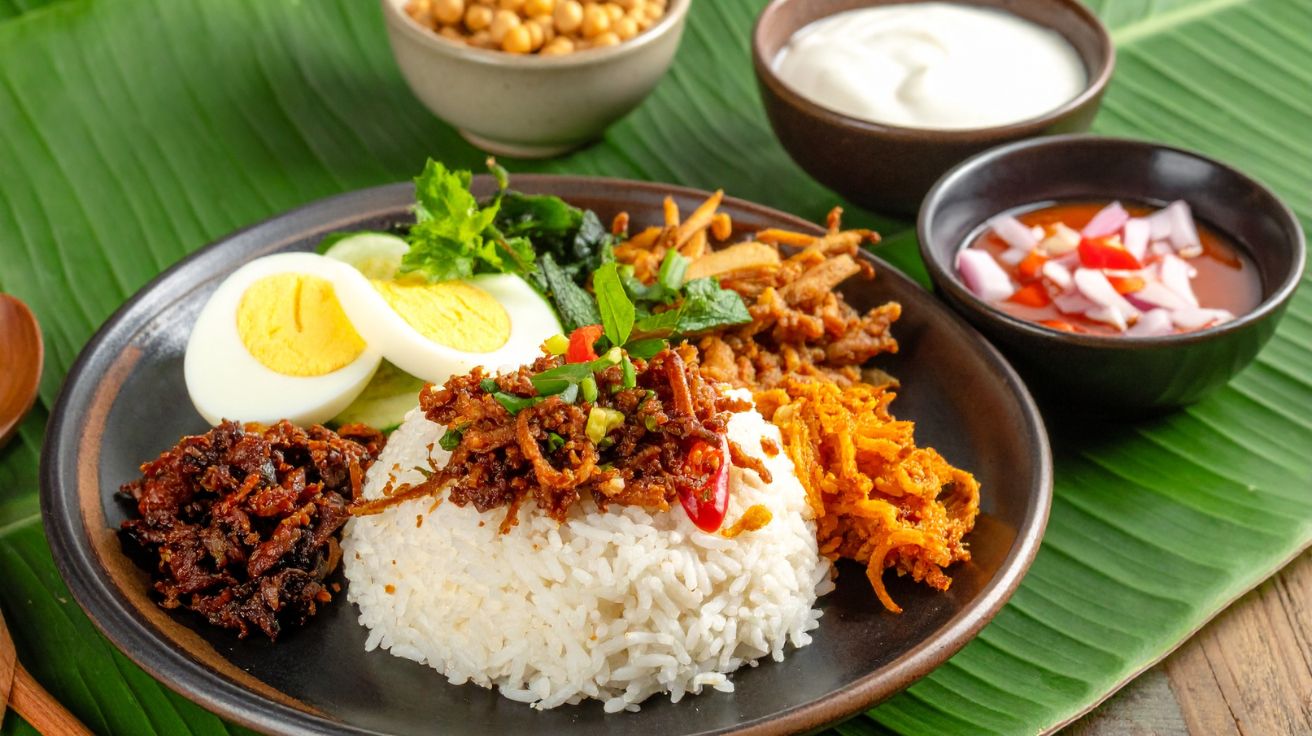
What if the most memorable part of your trip isn’t a picture-perfect beach? But the rich, aromatic flavours from a humble street-side stall?
Bali is a paradise of scenery for many travellers. Yet, to truly know the island, you must explore its culinary heart. The authentic dishes tell stories of tradition, community, and spice.

This journey goes beyond standard tourist menus. It’s about finding those family-run warungs and bustling night markets. Here, every bite offers a direct connection to Balinese culture.
Balinese cuisine is uniquely complex. It’s a vibrant tapestry of fresh ingredients, ancient recipes, and ceremonial significance. Understanding this transforms a simple meal into a profound experience.
Consider this your essential manual. We’ll guide you through navigating food stalls and hidden gems with confidence. You’ll discover how to find the true taste of the island, one unforgettable plate at a time.
Understanding the Soul of Balinese Food Culture
Bali’s unforgettable flavours come from a deep food culture. It’s built on ritual and balance. To truly experience it, you must understand the philosophy behind each dish.
Every dish tells a story of Bali’s Hindu traditions, rich agriculture, and social fabric. Your journey into authentic Balinese cuisine begins with understanding its core elements.
Step 1: Learn the Core Flavours and Ingredients
Before you order, learn what makes Bali’s taste unique. The local palate is a complex mix of spicy, salty, sour, and sweet notes.
Freshness is key. Herbs, roots, and chilies are ground daily. This creates deep flavours that define Bali’s cooking.
The Essential Balinese Spice Paste: Base Genep
Base genep is the DNA of many dishes. It’s the heart of authentic Balinese cuisine. It’s more than just a simple curry powder.
Cooks grind dozens of ingredients, including turmeric, galangal, and kencur (aromatic ginger). The exact recipe is a family secret.
This paste is used for stews, grilled meats, and vegetables. It gives bebek betutu its deep flavour. Knowing its role is essential to understanding the food’s soul.
Sambal: The Heartbeat of Every Meal
No Balinese meal is complete without sambal. It’s the heartbeat on the table. It adds the personal touch and heat to a dish.
There are many types of sambal. Sambal matah is fresh and sharp, while sambal embe is richer and crunchier. You’ll find a small bowl of it beside your plate to add to taste.
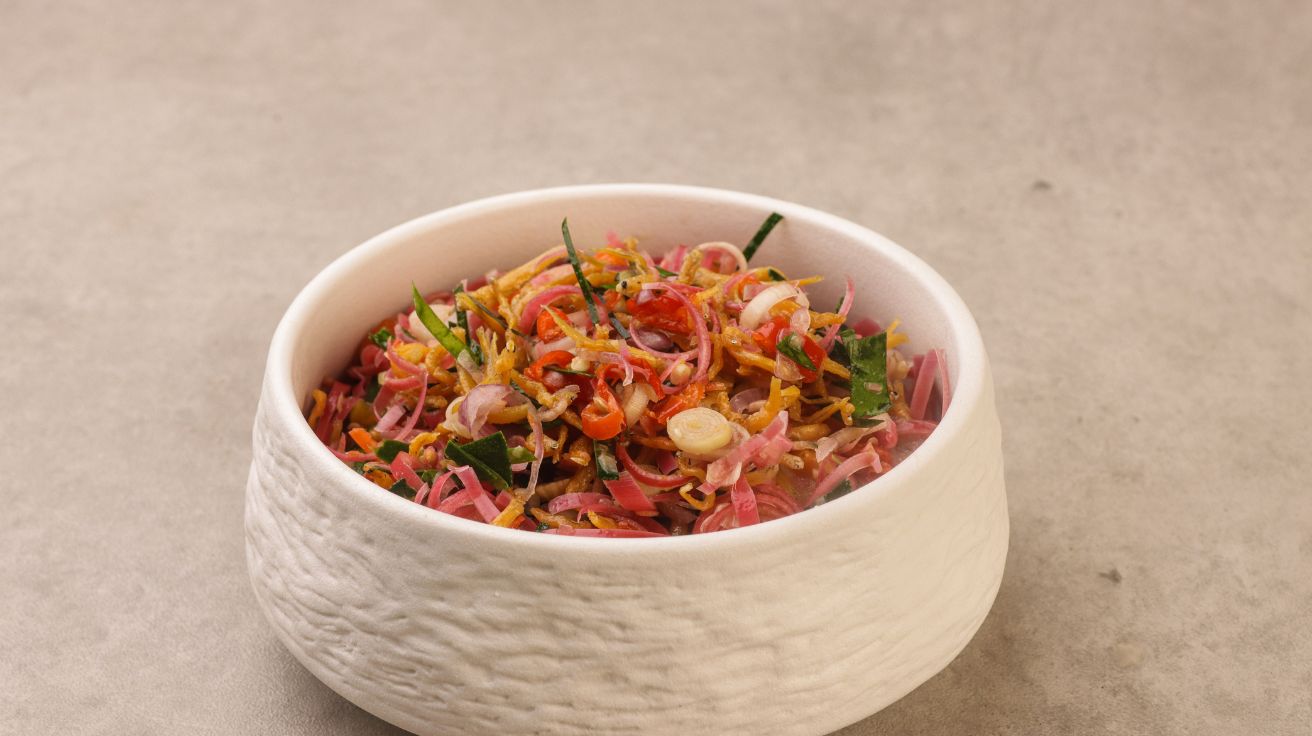
This interactive element is key to the dining experience. It lets you personalise your meal.
Beyond Tourist Menus: The Depth of Local Cuisine
Restaurants for tourists often simplify things. But the real world of Balinese food is richer and more diverse. It includes ceremonial foods and local specialities.
Many dishes are made for religious offerings and festivals. They have complex spicing and symbolic ingredients. Trying these dishes offers a true glimpse into Balinese life.
True local eating is also deeply social. Meals are shared from central plates, highlighting community. Seeking out these experiences connects you to the culture’s heart.
This knowledge prepares you for the next steps. You’re now ready to find and enjoy authentic Balinese cuisine on a deeper level.
Your Guide to the Best Local Food Experiences in Bali
Finding the best flavours in Bali is an art. It begins with knowing where to look. This guide helps you explore the island’s dining scene. You’ll learn to spot different eateries, from mobile carts to family-run stalls.
Knowing these differences is key. It unlocks meals full of flavour and genuine hospitality.
Step 2: Identify the Right Type of Local Eatery
Bali’s food scene is diverse. Each place offers a unique experience and price. Your journey should include these stages for a full taste of local life.
Your journey starts at the bustling kaki lima, or ‘five legs’. These mobile carts are the heart of Balinese fast food. They serve one or two dishes, perfected over years.
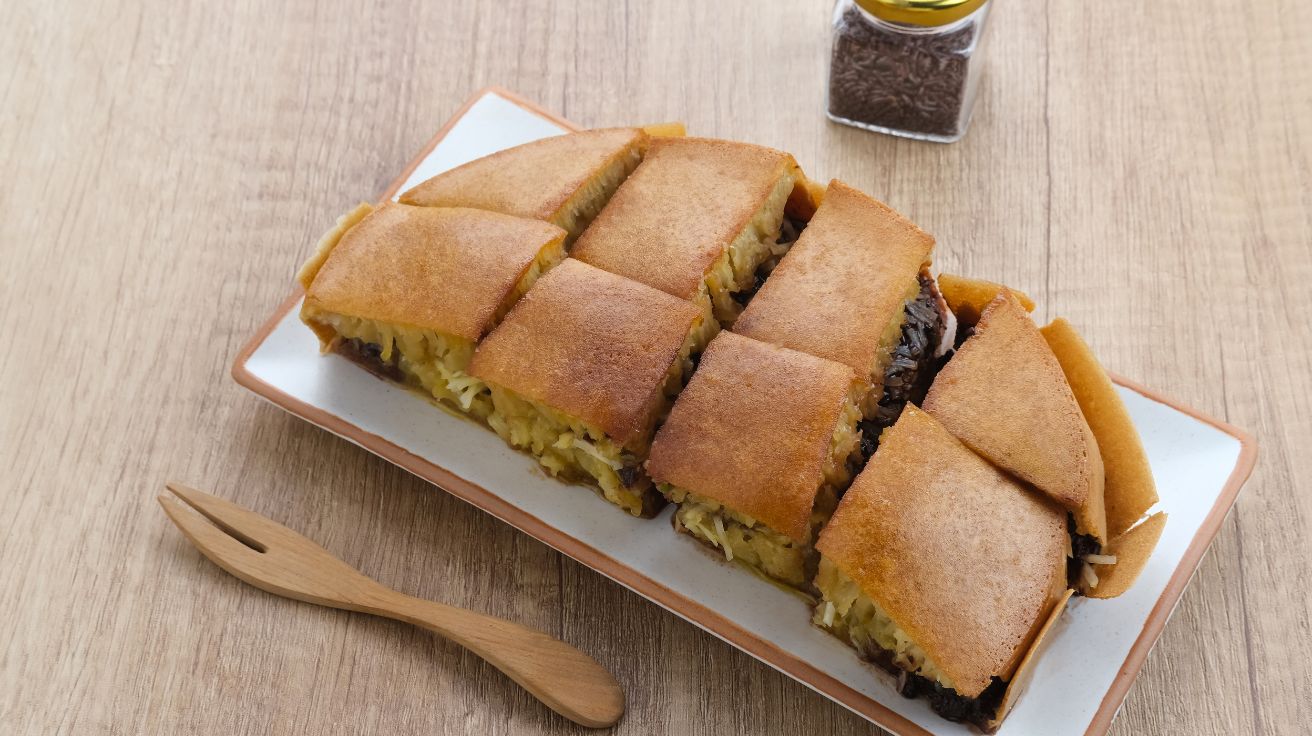
Look for carts with a crowd of locals. This means the food is fresh and good. Try satay lilit (minced seafood satay) and martabak (stuffed pancakes). It’s quick, tasty, and cheap.
Seek Out the Warung Makan for a Fuller Experience
For a bigger meal, look for a warung makan. This means ‘eating stall’ and offers a more established setup. You’ll find proper seating, a fuller menu, and sometimes drinks.
These spots are great for a complete meal with rice, sides, and a drink. They’re local and let you try many traditional warungs bali dishes at once.
Step 3: Plan a Visit to a Traditional Market
No food journey is complete without a traditional market. Places like Pasar Badung in Denpasar are cultural hubs. They showcase the island’s culinary ingredients.
Go in the morning for fresh produce, spices, and snacks. See the lively trade and variety. Many markets have food sections for fresh meals made on the spot.
This experience adds depth to every dish at a local warung.
Must-Try Dishes: Your Balinese Food Checklist
To truly taste Bali, you need a definitive checklist of the island’s most iconic and beloved dishes. This guide details the essential flavours, from elaborate ceremonial feasts to simple street-side snacks. Each dish tells a story of tradition, community, and meticulous preparation.
Step 4: Order These Unmissable Main Dishes
Balinese main dishes are often centrepieces of celebration and family gathering. They showcase complex spice pastes and slow-cooking techniques that define the island’s culinary soul.
Babi Guling: The Iconic Spit-Roasted Pig
No list of must-try dishes in Bali is complete without babi guling. This celebratory dish features a whole pig stuffed with a vibrant base genep spice paste, then slow-roasted on a spit until the skin crackles. The result is a feast of contrasting textures: impossibly crisp skin, succulent meat, and rich, spiced offal. It’s commonly served with rice, lawar, and a clear broth.
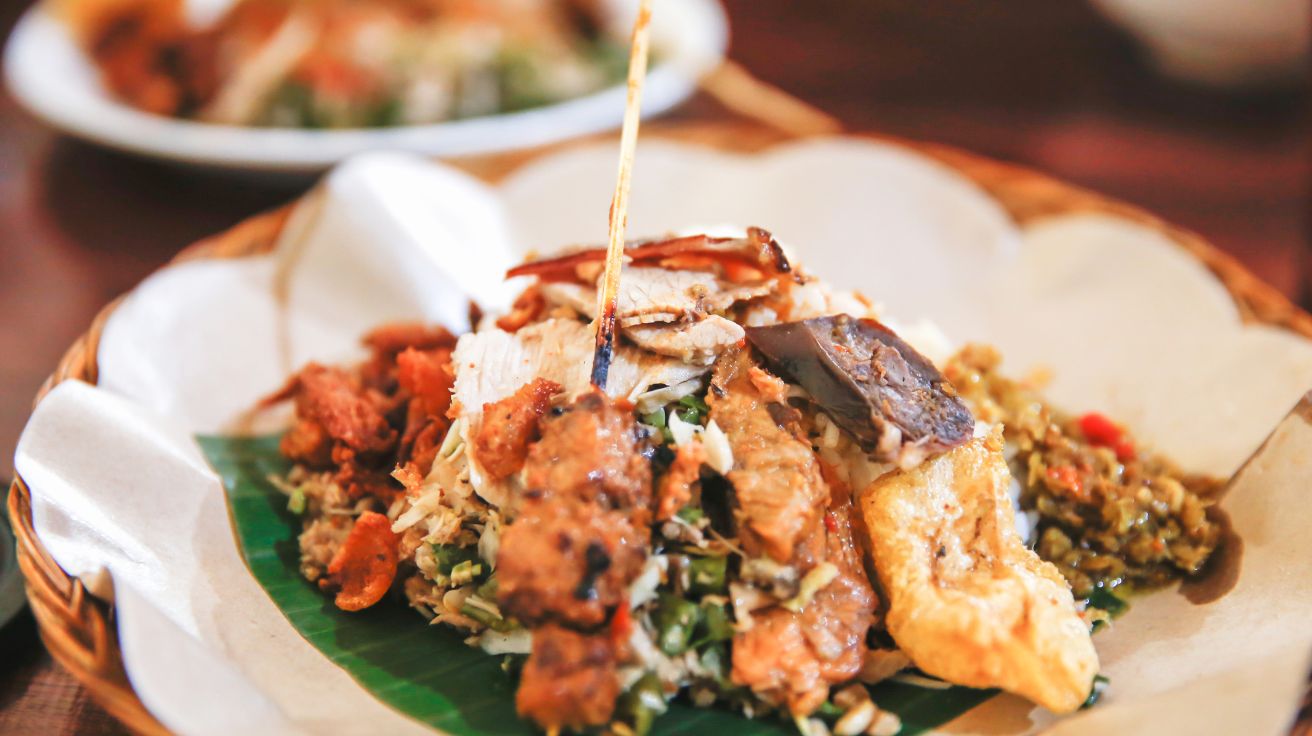
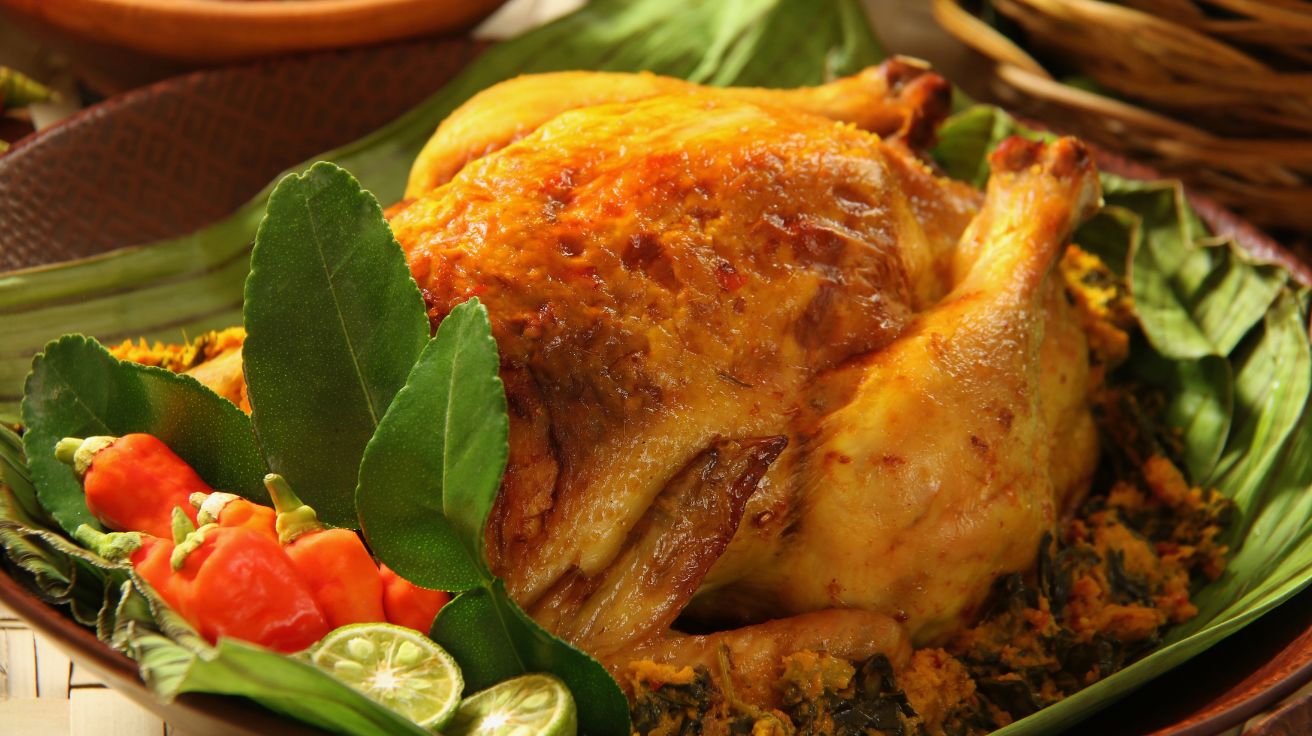
Bebek betutu is a testament to Balinese patience. A whole duck is marinated in a thick paste of shallots, garlic, turmeric, ginger, and chillies, then wrapped in banana leaves. It is traditionally slow-steamed or baked for up to twelve hours. The meat becomes so tender it falls off the bone, infused with deep, earthy, and aromatic flavours. This labour-intensive dish is a speciality often reserved for important ceremonies.
Lawar: The Complex Traditional Salad
Lawar is a finely chopped salad that balances textures and tastes with precision. It combines vegetables, grated coconut, and minced meat (often pork or duck) with rich spices and fresh blood for the red version. The green lawar is made without blood. Its complexity comes from the freshly pounded spice paste and the technique of mixing. It’s a true taste of traditional Balinese culinary artistry, often accompanying babi guling.
Step 5: Explore Essential Snacks and Sides
Beyond the main events, Bali’s street food and market stalls offer a world of quick, flavourful bites. These snacks are perfect for exploring on the go.
Sate Lilit: Minced Seafood Satay
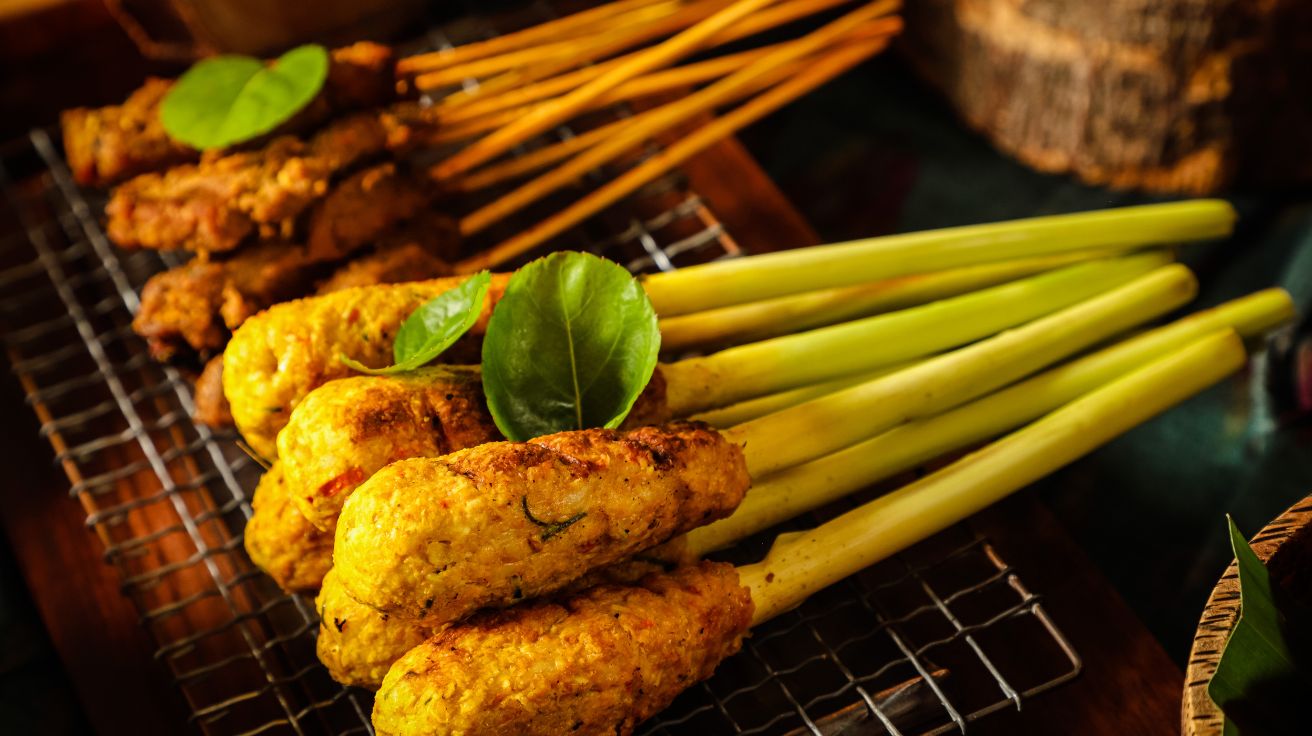
Unlike typical skewered satay, sate lilit features a seasoned paste of minced fish, chicken, or prawns blended with coconut, lime leaves, and spices. This mixture is moulded onto flat, lemongrass stalk skewers and grilled. The coconut adds a subtle sweetness, while the lemongrass imparts a fragrant aroma. It’s a unique and delicious must-try found at many warungs.
Pisang Goreng and Other Market Treats
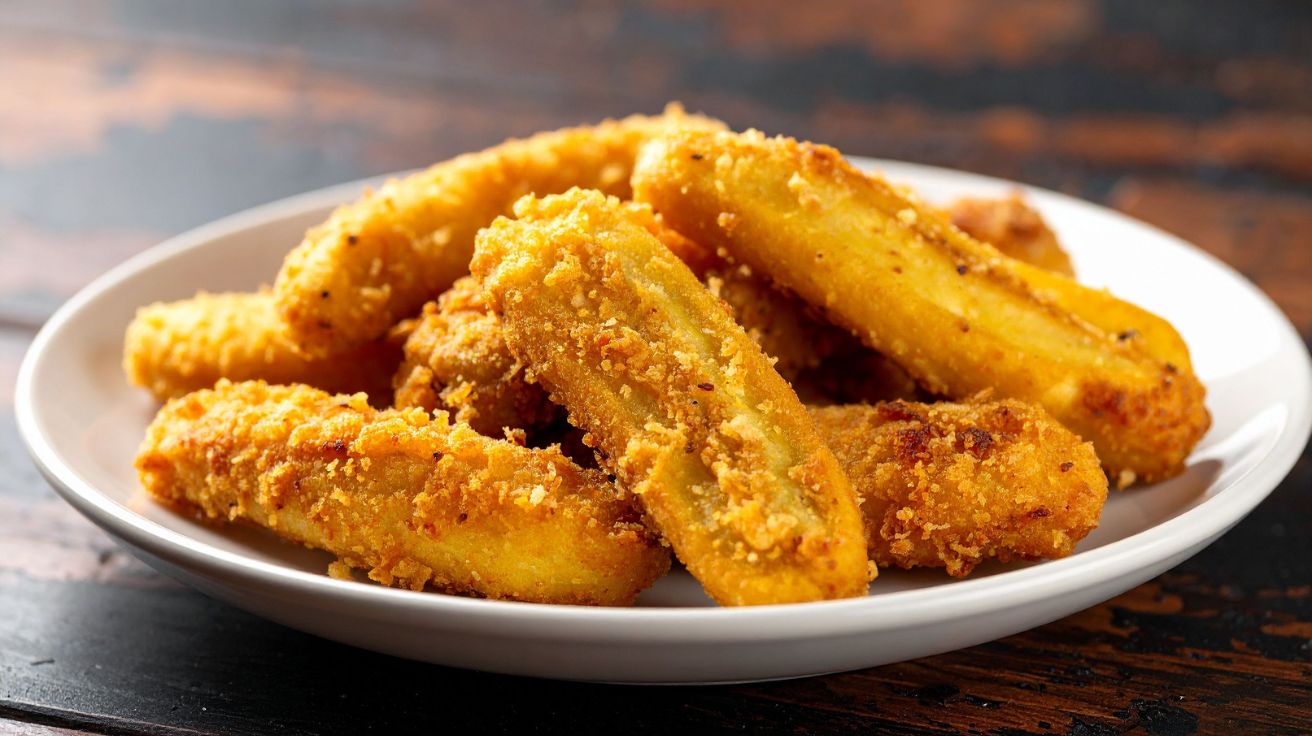
For something sweet, seek out pisang goreng—crispy fried bananas coated in a light, often rice-flour-based batter. They are delightfully simple and addictive. At local markets, also look for klepon (green rice cake balls filled with palm sugar) and dadar gulung (green pandan crepes with coconut filling). These treats offer a wonderful glimpse into Bali’s everyday sweet indulgences.
How to Confidently Order at a Warung
Learning to order at a local warung turns a meal into a real cultural experience. It’s the last step to fully join Bali’s lively food scene. With a few tips, you can order easily and enjoy your dining in Bali trip fully.
Step 6: Decipher the Display Case (Etalase)
The first thing you see in any warung is the glass-fronted display case, called the etalase. It shows the day’s dishes. Don’t worry about all the choices.
Look for yellow curry (kari), dark stews, clear broths, and grilled or fried proteins. You see what you’re getting. Pointing is easy here.
This menu is the heart of dining in Bali. Knowing a few dishes makes choosing easy and fun.
Step 7: Master the Simple Ordering Process
Ordering is simple. First, pick white rice (nasi putih). Then, choose dishes from the etalase.
Just point and say how many, like “satu” for one. The vendor will prepare it right away. For groups, try different dishes to share.
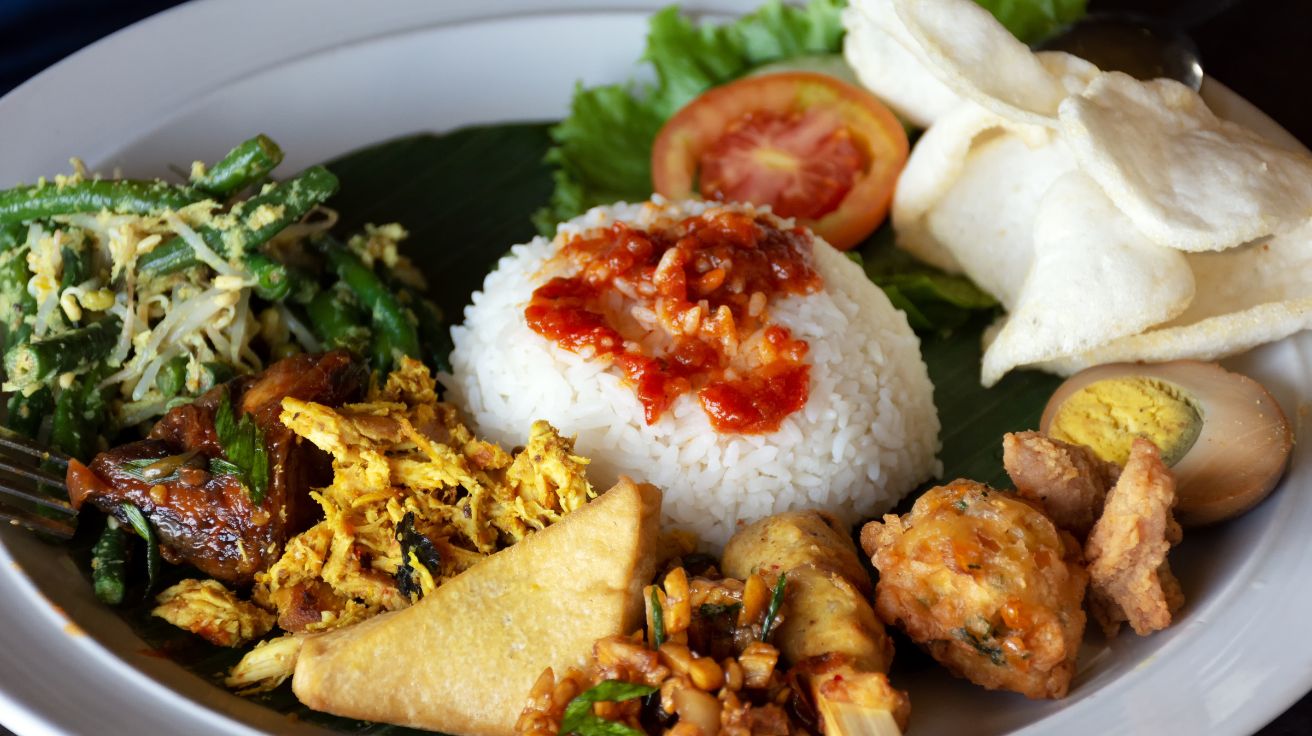
This system makes dining in Bali quick and rewarding.
Useful Indonesian Phrases for Ordering Food
Knowing basic phrases makes your experience better. Start with “Selamat siang” (Good afternoon). To order, say “Saya mau pesan…” (I would like to order…).
Ask about a dish with “Ini apa?” (What is this?). For changes, use “Tolong tanpa…” (Please without…). Say “Terima kasih” (Thank you) to end nicely.
How to Ask About Spice Levels
Balinese food can be spicy. It’s important to ask about spice levels. To ask if a dish is spicy, say “Ini pedas?”
For a mild version, say “Tolong tidak terlalu pedas” (Please not too spicy). If you like spice, “Saya suka pedas” (I like spicy) is good. For no chillies, “Tolong tanpa cabai” (Please without chillies) works.
Asking about spice levels makes your dining in Bali perfect for you. It avoids any surprises.
With these tips and phrases, you can confidently order at any warung. The smiles you get will be as rewarding as the food.
Top-Rated Local Warungs and Eateries to Seek Out
Some places are famous among locals and visitors for their amazing food. Knowing where to go makes your food trip better. You’ll find Bali’s best tastes.
These places are known for special dishes or a true local vibe. They are key for exploring the island’s food scene.
For Legendary Babi Guling: Warung Babi Guling Pak Malen, Seminyak
In Seminyak, Warung Babi Guling Pak Malen is the top spot for spit-roasted pig. The long queue shows its quality. They only serve babi guling, perfected over years.
Your meal comes with crispy skin, tender meat, and tasty sides like lawar and sambal. The experience is messy, communal, and utterly delicious. Arrive early, as they often sell out by afternoon.
For Authentic Bebek Betutu: Bebek Tepi Sawah, Ubud
In Ubud, Bebek Tepi Sawah is famous for its bebek betutu. The duck is slow-cooked in a spice paste until it’s tender. The setting among rice paddies adds to the traditional feel.
The dish takes hours to prepare, showing the chef’s dedication. The complex flavours are worth the wait. It’s a must-try for deep, slow-cooked Balinese dishes.
For a True Local Warung Feel: Warung Nia, Sanur
Warung Nia in Sanur offers a real warung experience without the intimidation. This family-run place is welcoming and always serves great food. The display case is full of fresh, daily-made dishes.
You’ll find sate lilit, pepes ikan, and more. The atmosphere is simple, and the value is great. It’s perfect for practicing your ordering in a friendly setting.
For Fresh Seafood Grills: The Jimbaran Beach Warungs
Jimbaran Bay is perfect for a seaside meal. Simple warungs along the sand grill the day’s catch over coconut husks. Choose from fish, prawns, squid, or lobster from ice displays.
Dining with your feet in the sand at sunset is magical. The smoky, charred flavour from the grill is unforgettable. While it’s a bit more touristy, the quality and setting are top-notch.
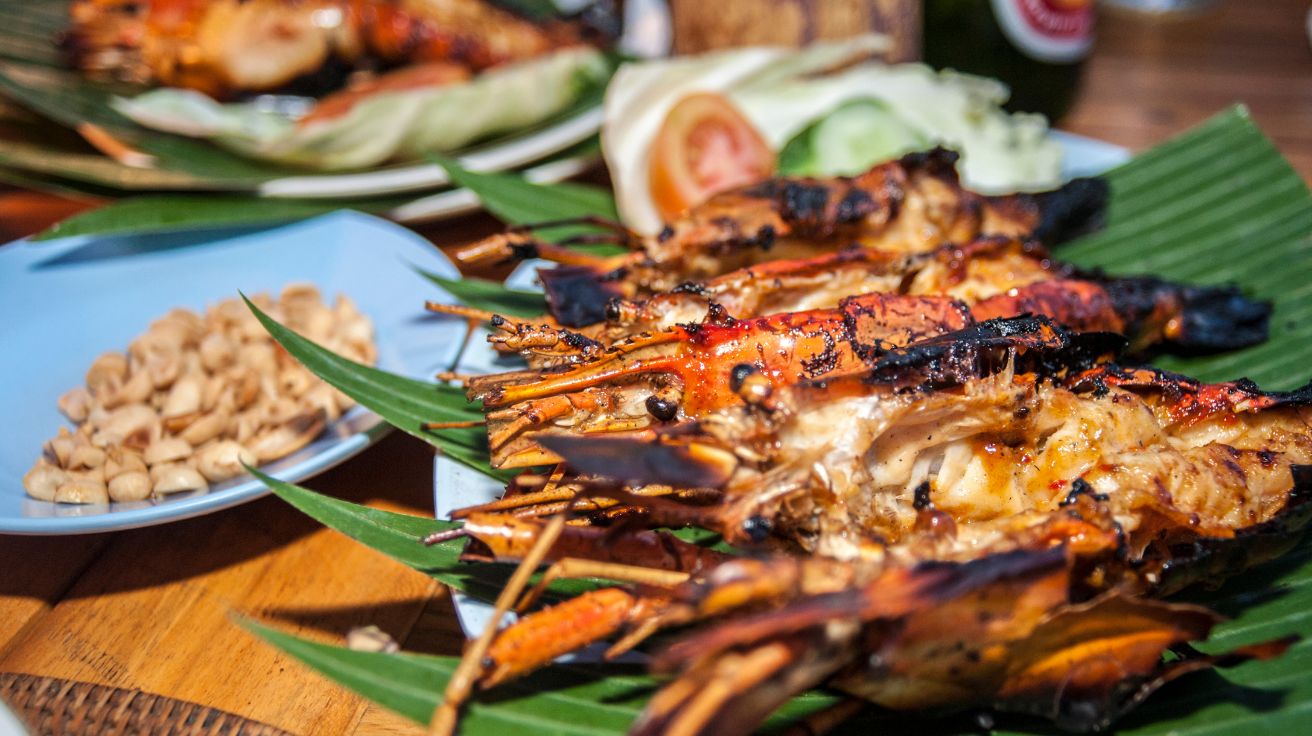
Visiting these places gives you a great taste of Bali’s top restaurants. Each offers a unique view into the island’s food culture and serves excellent meals.
How to Navigate Bali’s Lively Food Markets
Bali’s food markets give you a real look at the island’s food culture. They are the starting point for any food lover’s journey. Exploring these markets lets you feel the true spirit of this foodie paradise.
Step 8: Explore Denpasar’s Pasar Badung for Ingredients
Pasar Badung in Denpasar is Bali’s biggest traditional market. It’s a wholesale place where chefs and families get their daily needs. The market’s size is impressive.
There are huge piles of fresh produce, sacks of spices, and areas for meat and seafood. This is where you see the basics of Balinese food. Vendors are often busy but friendly to visitors.
The best time to go is early morning, from 6 am to 9 am. The market is busiest then, and the produce is at its best. Bargaining is common, but do it with a smile and respect.
Step 9: Experience the Morning Freshness of Ubud Market
Ubud Market is a more accessible yet authentic market. It’s in the heart of Bali and comes alive with the sun. The mix of local trade and tourist interest is lively.
The ground floor is for fresh food. You’ll find tropical fruits, veggies, and snacks like jaja Bali (colourful rice cakes). The upper levels have textiles and crafts, but food lovers should focus on downstairs.
Talking to vendors is important. A simple “Ini apa?” (What is this?) can start great conversations. For the best visit, get there by 7 am. You’ll miss the crowds and see the market at its best, a memorable part of any Bali food exploration.
Essential Tips for a Smooth Food Adventure
Knowing what to eat and where is just the start. To truly enjoy Bali’s food scene, you need to understand some local customs. These tips will help you dive into the balinese food culture with confidence and respect, making every meal memorable.
Embrace the “Makan Bareng” (Shared Eating) Culture
Dining in Bali is all about sharing. The idea of ‘makan bareng’ (eating together) is key. Meals are set up with dishes in the middle for everyone to share.
This isn’t just practical; it’s a social tradition. By ordering a variety of dishes, you get to try more flavours. It also shows you’re eager to join in, which is appreciated by your hosts.
Managing Dietary Requirements and Spice Tolerance
It’s important to talk about your diet clearly. While many places offer vegetarian options, some dishes use shrimp paste or fish sauces. Always ask “Pakai terasi?” (Does it contain shrimp paste?) or “Ini vegetarian?”
For spice, it’s assumed you can handle it. Say “Pedas sedikit saja” (only a little spicy) if you can’t handle much. If you love spicy food, ask for “sambal extra.” Most places will adjust for you.
Smart Hygiene Practices for Street Food
Enjoying street food safely means being observant. Look for stalls that are busy with locals—this means fresh food. Check how clean the cooking area is and how the vendor handles money and food.
It’s safer to eat items cooked right in front of you, like satay or fried noodles. But don’t let fear stop you from trying the authentic balinese food culture. A bottle of hand sanitiser is handy, but don’t let it stop you.
Local Customs: Payment, Tipping, and Etiquette
Knowing local customs makes every interaction smoother. At a local warung, you pay after eating. Just say “Bayar, mbok/bli” (To pay, miss/mister) to get the bill. Tipping is optional but shows appreciation for good service.
Leaving a few thousand Rupiah on the table or rounding up the bill is fine. Saying “terima kasih” (thank you) is also appreciated. Remember, using your right hand for giving and receiving is a sign of respect.
Following these tips shows respect for Bali’s dining traditions. It turns you from a passive consumer into an active participant, deepening your connection to the island’s food world.
Conclusion
Your journey into Balinese cuisine has taken you from core flavours to bustling markets. You learned to identify a true warung and order with confidence.
Seeking authentic meals at popular local eateries in Bali connects you to the island’s soul. The legendary babi guling at Warung Pak Malen or the fresh seafood at Jimbaran are experiences beyond standard menus.
The shared plates, market visits, and respectful customs make your exploration smooth. These practices let you engage fully with the food culture.
Now you have the knowledge. Step beyond the familiar paths. Let the aroma of sate lilit or the sight of a bustling pasar guide you.
Tasting these dishes at their source is the ultimate reward. Your next great meal in Bali is waiting at a local warung. Go and find it.
FAQ
What are the absolute must-try dishes for a first-time visitor wanting an authentic Balinese food experience?
How do I actually order food at a busy local warung where there’s no English menu?
Is street food in Bali safe to eat, and what hygiene practices should I follow?
Can you recommend specific, highly-regarded warungs for iconic dishes like babi guling or bebek betutu?
What is the most important thing to understand about Balinese food culture before I go?
Are traditional markets worth visiting for a foodie, and which one should I choose?
I’m vegetarian. Will I struggle to find good local food in Bali?