


What if one island could offer the perfect wave for every surfer, from first-timer to tube master?
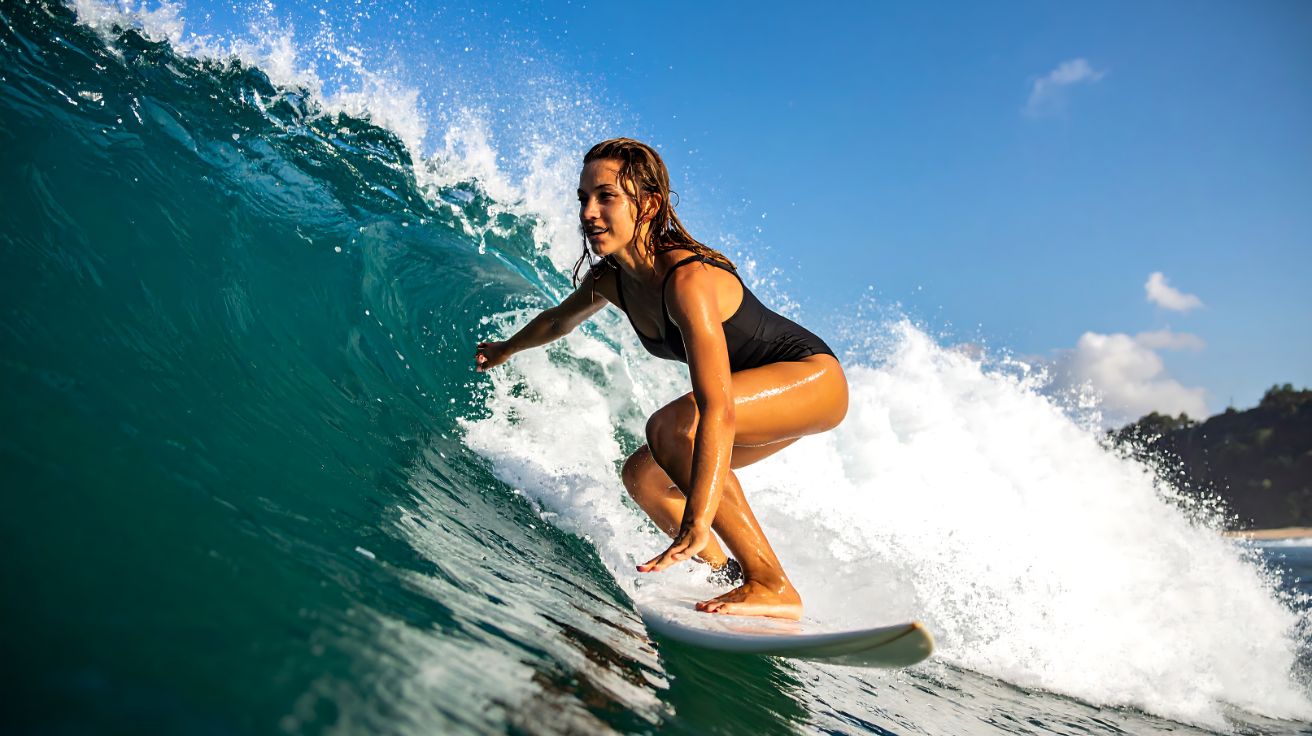
That place is Bali. This Indonesian paradise is a global icon for wave riding. Its coastline serves up an incredible variety of breaks.

You will find gentle, rolling waves ideal for learning. Experts chase powerful, hollow barrels at legendary spots. This diversity makes it a unique destination.
Our comprehensive Bali surfing tips are designed to empower your adventure. We cover how to pick the right break for your skill level. You will also learn about local surf culture and vital ocean safety.
This information is your essential tool for planning an unforgettable trip. Get ready to paddle out with confidence on the Island of the Gods.
Why Bali is a Surfing Paradise for All Levels
Bali is at a special spot where the ocean swells come from all directions. Its southern coast gets huge waves from the Indian Ocean. At the same time, it catches waves from the Southern Ocean. This makes it possible to find a wave to surf almost every day.
The island’s waves are not just consistent. They also vary greatly. You can find waves that are easy to surf on sandy bottoms or super challenging on reefs. Beginners can learn in calm waters, while experts can show off their skills.
There are famous reef breaks for the pros and gentle beach breaks for beginners. This mix of waves is rare. It lets surfers of all levels find their perfect spot on the same beach.
Bali is more than just waves. It’s easy to get to the beach, and there’s a big surf community. You can rent any board you need and get lessons from experts.
This setup makes it easy to focus on surfing. Whether you’re here for a short lesson or a long stay, everything is ready for you. Bali’s perfect waves and support make it the ultimate surfing spot for everyone.
Honestly Assessing Your Surfing Level
Bali’s waves are diverse, and you need to find the right spot for your skill level. Overestimating your skills can be dangerous. Underestimating might mean missing out on great waves. Being honest about your abilities is key to a safe and fun surfing experience.
Key Questions to Gauge Your Ability
Before choosing a surf spot, ask yourself these questions. Your answers will show your current skill level.
How is your paddling strength and endurance? Can you paddle through whitewater or a light channel without getting tired? Bali’s currents need strong paddling.
What is your wave-catching consistency? On a good day, how many waves can you catch on your own? Be honest about your success rate.
How controlled are your turns? Can you do basic turns with control, or do you mostly ride straight? Your turns show your skill.
What is your experience in different ocean conditions? Have you surfed only gentle waves or steeper breaks? Your comfort in different conditions shows your skill level.
Defining Beginner, Intermediate, and Pro in Bali Terms
In Bali, your level is based on the breaks you can handle safely.
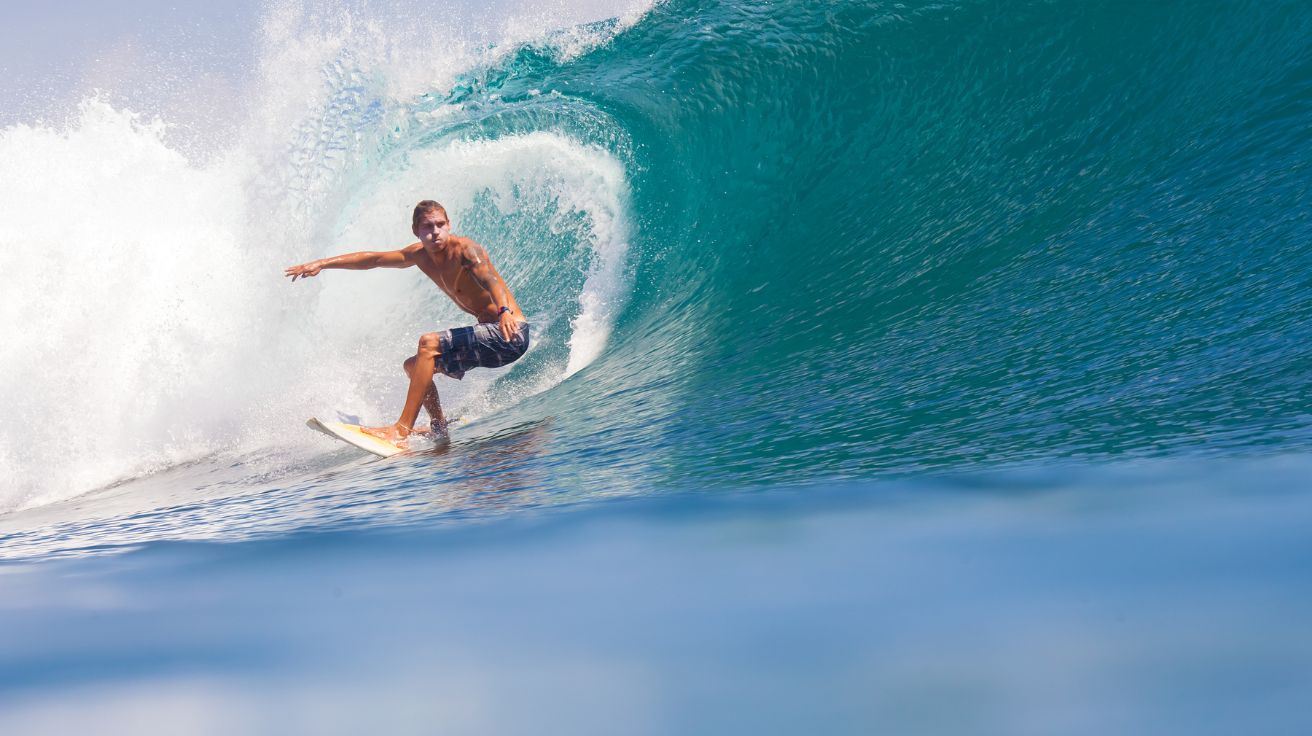
Beginner: You’re learning the basics. You might need surfing lessons in Bali to master popping up and riding whitewater waves. Look for gentle, sandy-bottom beaches like Kuta on small days.
Intermediate: You can paddle out and catch green waves on your own. You’re comfortable at mellow reef breaks or beach breaks like Batu Bolong on smaller swells. You’re working on your turns and reading the lineup.
Professional/Advanced: You handle steep drops, heavy barrels, and strong currents with ease. You’re confident in crowded, high-performance lineups at spots like Uluwatu or Padang Padang. Your wave selection and moves are advanced.
This framework helps you pick the right break and decide if you need surfing lessons in Bali. It also helps you respect your limits and the ocean’s power.
Bali Surf Guide for Beginners and Pros: Planning Your Session
To catch consistent surf in Bali, you need to know about seasons and forecasts. A good session is not just luck. It’s about being prepared. This way, you can find the right waves for your skill level, stay safe, and have more fun.
Bali’s different coasts mean varied surf. What’s calm on one coast might be great on another. Your planning starts with the calendar and ends with checking the daily weather.
Step 1: Decoding the Bali Surf Season
The island has two main surf seasons, based on monsoon winds. Knowing these seasons is key to your Bali surf season plan.
The dry season is from April to October. During this time, swells from the Southern Ocean hit Bali’s south coasts. The Bukit Peninsula, famous for Uluwatu, gets these big waves. They’re perfect for those with some experience.
The wet season is from November to March. Swells are smaller and less regular on the south coast. But, it’s great for beginners. The east coast, like Sanur and Nusa Dua, has smaller waves. The winds are also better for learning.
April and October are in between. You might find smaller waves on the Bukit or east coast. This is ideal for surfers looking to improve.
Step 2: How to Read Swell, Wind, and Tide Forecasts
Knowing the season is just the start. Daily forecasts help you plan better. Surf forecasting tools give you important info to understand.
Swell drives the waves. Look at size, period, and direction. Size tells you how tall the waves are. Period (in seconds) shows how powerful they are. Direction tells you which beaches will get the waves.
Wind shapes the waves. Offshore winds make waves smoother. Onshore winds mess them up. Surf when the winds are light or offshore.
Tide changes how a break works. A reef pass might be perfect at mid-tide but shallow at low tide. Always check the tide chart with your spot. Most reef breaks are safest at mid-tide.
Put all these together. A forecast with a 4-foot south swell, 14-second period, light winds, and mid-tide at 10 AM? That’s a great time to surf a south-facing reef.
Top Surf Spots in Bali for Beginners
Bali’s coast has many breaks, but only a few are perfect for beginners. These spots have long sandy bottoms, small waves, and easy access to lessons. They are safe and supportive for your first surf sessions.
Kuta Beach: The Iconic Learning Ground
Kuta Beach is the truly iconic place to start surfing. Its sandy shore makes falling down soft. The waves are small and gentle, coming in a steady beat.
There are many surf schools and places to rent boards along the beach. You can get a lesson and gear quickly. The vibe is fun and focused on enjoying the ride.
Legian and Seminyak Beaches
Legian and Seminyak Beaches are just north of Kuta. They have a more relaxed feel. The waves are forgiving, with a sandy bottom.
These beaches are less crowded than Kuta. You can find rentals and lessons easily. They’re great for practicing without feeling rushed.
Batu Bolong (Canggu) on Small Days
Batu Bolong in Canggu is famous for its waves. It’s good for beginners on small days during high tide. This makes the wave softer and the paddle easier.
Be careful of the busy lineup and rips. The area’s lively vibe and cafes are big attractions. For a confident beginner, Batu Bolong on a small day is exciting.
Choosing the right spot is crucial for a good start. These surf spots in Bali offer a safe and progressive environment for beginners.
Top Surf Breaks in Bali for Advanced and Professional Surfers
Advanced and professional surfers come to Bali for its challenging waves. These waves are perfect for showing off their skills. You need to know the local surf spots well and be very good at surfing.
Surfing at these top surf breaks in Bali is a dream come true. Each spot has its own unique challenge that tests your surfing skills.
Uluwatu: The Legendary Temple of Surf
Uluwatu is more than just a wave. It’s a series of reef breaks along a cliff. The main peak has long, fast walls. Other spots like Racetracks and Temples offer hollow barrels.
The wave changes with the tide. Low tide makes it faster and shallower. It’s crowded with top surfers, so you need to be quick and precise.
Padang Padang: The Pipeline of Bali
Padang Padang turns into a barrel machine during the dry season. The wave is short but incredibly powerful. You can’t hesitate here.
Being good at tube-riding is essential. The Padang Padang Cup brings the world’s best surfers to compete. You need to be in top shape to surf here.

Keramas: The High-Performance Right-Hander
Keramas is famous for its fast, mechanical right-hand wave. It’s perfect for powerful carves and aerials. The wave is clean and predictable, making it great for progressive surfing.
Keramas is special because it has stadium lighting for night surfing. This creates an exciting atmosphere for competitions. It’s a place where surfers can show off their skills.
These spots are the best of Bali’s surf scene. To conquer them, you need to be well-prepared and respect the ocean. It’s all about your dedication to surfing.
Gearing Up: Surfboard Rental in Bali and Essential Equipment
Finding the right surfboard rental in Bali and gathering your gear needs local tips. The right equipment is key for safety, performance, and fun. This guide helps you pick a good board and what surfing equipment in Bali you can’t miss.
How to Choose the Right Surfboard Rental in Bali
Choosing the right board is crucial. Rental shops are everywhere near the best spots, but quality differs. Always check the board’s condition before renting.
Look for dings, cracks, or water damage. Make sure the fins are tight. A bad board can be dangerous and slow you down.
Match the board’s size and shape to your skill and the day’s waves. Beginners need stable, bigger boards. More experienced surfers can try smaller, more agile ones. Always ask the staff for advice based on the swell.
Don’t hesitate to haggle. For long stays, ask for a discount. Building a good relationship with a shop can get you better service and gear.
Must-Have Surfing Equipment in Bali
There are essential items beyond the board for a safe and enjoyable surf. Quality surfing equipment in Bali improves your experience.
A Solid Leash: It’s your lifeline. Make sure it fits your board and is in good shape, with no weak spots.
Reef Booties: Bali’s best spots have sharp coral. Good booties protect your feet and grip on rocks.
Reef-Safe, Surf-Specific Sunscreen: The sun is strong. Use a high-SPF, zinc-based sunscreen that’s safe for reefs and stays on in the water.
A Rash Guard or Surf Shirt: It keeps you sunburn-free and prevents rash from the board. Choose one with UPF 50+.
A Reliable Board Bag: If you’re bringing your board or renting for a while, a padded bag is crucial for safe transport.
Having these items ready lets you focus on the waves, not on gear issues or discomfort.
Getting Expert Guidance: Finding the Best Surf Schools in Bali
Bali’s surf scene has many schools, but picking the right one is key. Professional instruction speeds up your learning and teaches you to surf safely. This guide will help you find top programs and know what to expect.
Step 1: What to Look for in a Quality Surf School
Not all surf schools are the same. Look for schools with ISA (International Surfing Association) or equivalent accredited coaches. This means they follow international safety and teaching standards.
Check the student-to-instructor ratio too. Aim for 3:1 or 4:1 for better attention. Big groups mean less time on each wave. Also, make sure they use soft-top beginner boards. These are stable and help you learn fast.
Ask about their safety rules. A good school will teach you about ocean dangers, use leashes, and have an emergency plan. And don’t forget to read recent reviews. Praise for patient instructors is a sign of a best surf school in Bali.
Step 2: What a Standard Surfing Lesson in Bali Entails
A standard surfing lesson in Bali is about two hours long. It starts with a theory session on the sand. You’ll learn the pop-up technique and how to paddle.
Then, you’ll practice in shallow, calm water. This helps you get used to popping up without the challenge of moving water.
The main part of the lesson is in the whitewater. Your instructor will help you into broken waves. This one-on-one help is crucial for learning to stand up and ride the wave.
The lesson ends with feedback. A good coach will tell you what you did right and give tips for next time. This structured approach is why surfing lessons in Bali are so effective.
Critical Safety Tips and Surf Etiquette
Your safety and the harmony of the lineup depend on two key principles: ocean awareness and surf etiquette. Mastering these Bali surfing tips is essential for a great session. They keep you safe from the island’s dangers and show respect to the local surfers.
Respecting Reef and Ocean Hazards
Bali’s famous waves break over shallow coral reefs. A small scrape can cause a painful, slow-healing cut. Always rinse wounds with clean water and apply antiseptic. Wearing reef booties can protect you at some spots.
Powerful rip currents are common. They look like channels of churning, choppy water moving away from shore. If caught, do not panic or swim directly against it. Instead, paddle parallel to the beach until you escape its pull, then catch a wave or swim back in.
The tropical sun is intense. Dehydration and sunburn can spoil your trip quickly. Drink plenty of water before and after surfing. Use a high-SPF, waterproof sunscreen and consider a rash guard for extra protection.
The Unwritten Rules of the Lineup
Surf etiquette keeps the peace in crowded waves. The key rule is right of way. The surfer closest to the peak of the breaking wave has priority. Dropping in on someone who has this right is a big disrespect and can be dangerous.
When paddling out, never take the direct route through the take-off zone. Paddle wide around the breaking area to avoid collisions. If you must cross the lineup, wait for a lull and apologize if you disrupt a rider.
A simple “sorry” goes a long way after an accidental interference. Showing respect to local surfers is key. Observe quietly, wait your turn, and avoid aggressive behavior. Following these unwritten rules helps create a positive vibe in the water.
Conclusion
This Bali surf guide is for both beginners and pros. It helps you plan an amazing surfing adventure. Knowing your skill level and using seasonal data are key.
Choosing the right spot is very important. Beginners should try Kuta Beach or Batu Bolong on small days. For advanced surfers, Uluwatu or Padang Padang are great.
Quality gear from local shops or brands like Channel Islands is essential. It supports your surfing session.
Getting lessons from surf schools like Rip Curl School of Surf can help you improve fast. Always keep safety first and follow local surf rules.
Use the tips from this guide to make the most of your surfing in Bali. Enjoy the ocean and Bali’s surf culture. Surfing here is truly special.
FAQ
What is the best time of year for beginners to surf in Bali?
I’m an intermediate surfer. Where are the best surf spots in Bali for me?
How do I choose a reputable surf school for surfing lessons in Bali?
What should I know about surfboard rental in Bali?
What essential surfing equipment in Bali do I need beside a board?
What are the most important safety tips for surfing in Bali?
As a pro surfer, where should I go for a challenge?
How do tides affect the surf in Bali?