
What if your dream vacation could change you and make your Instagram amazing?
We usually see tropical places as just beach holidays. But Bali is more than that.
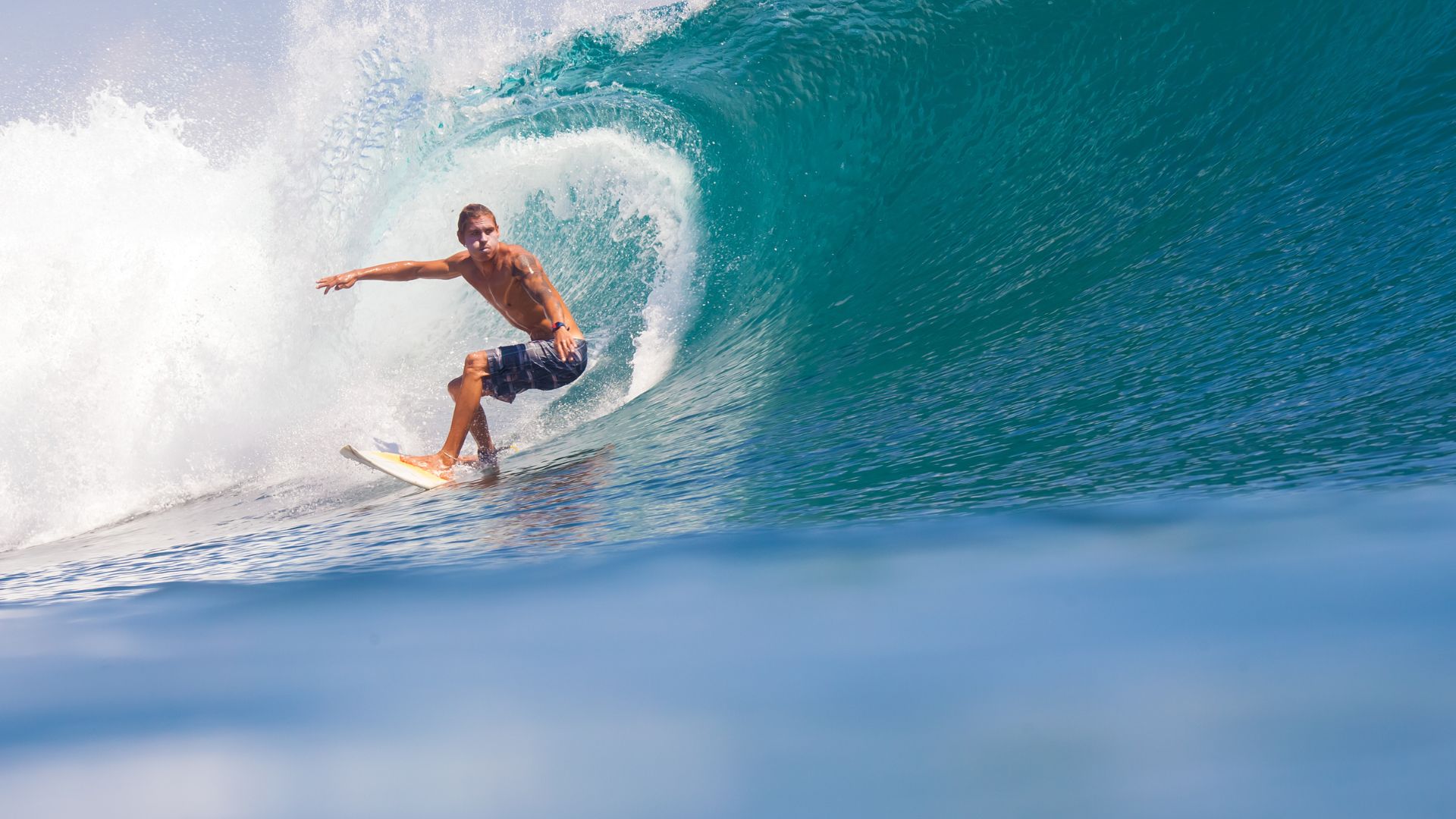
Imagine starting your day with misty volcanic peaks. Picture hiking through green rice terraces. Dive into clear waters full of life.
This isn’t just a place – it’s a playground for your soul. Every corner is full of adventure, from lush jungles to colorful coral reefs.
Bali has some of the world’s most varied outdoor adventures. It offers everything from thrilling activities to peaceful nature walks.
Ready to swap ordinary vacations for unforgettable ones? Let’s see why Bali is perfect for thrill-seekers and nature lovers.
Planning Your Ultimate Bali Outdoor Adventures
Good planning makes any trip amazing. We think careful planning is key to unforgettable outdoor fun in Bali. This guide will help you with the best times to go, planning your trip, and budgeting.
Determining the Optimal Travel Season for Adventure Activities
Bali’s weather greatly affects outdoor fun. The dry season, from April to October, is perfect for most adventures. Trekking, cycling, and surfing are great during these months because it’s dry.
The wet season, from November to March, brings rain but also amazing waterfalls. White water rafting is more exciting with the water levels up. Some activities are even better in the wet season.
Creating a Balanced Adventure Itinerary
Planning your days wisely prevents getting tired and makes your trip better. Mix tough days with easy ones. Try a big hike one day and relax on the beach the next.
Think about how long it takes to get from one place to another. Group your activities by location to save time. Spend a day in Ubud’s jungles, another in Bukit for surfing, and explore North Bali’s mountains too.
Budget Allocation for Various Outdoor Experiences
Planning your budget lets you enjoy all the outdoor fun in Bali without worry. Guided tours are the biggest cost but they’re safe and you learn from locals. The cost of renting equipment varies by activity.
Set aside about 40% for guided tours, 25% for equipment, 20% for entrance fees, and 15% for getting around. This way, you can do everything you want to do in Bali and still have money left over.
Essential Gear and Preparation for Bali Adventures
Getting ready right can make your Bali adventure tours unforgettable. We pick gear that keeps you safe and comfy, no matter what you’re doing. The right stuff is key in Bali’s weather and landscapes.
Comprehensive Hiking Equipment Checklist
For volcano treks, you need the right gear. A headlamp is crucial for early starts. Wear clothes that wick away moisture to stay cool on tough climbs.
Wear hiking shoes that fit well to avoid blisters. Carry lots of water and snacks. A light backpack helps keep everything organized for long walks.
Water Sports Gear and Safety Equipment
For water sports, you’ll get life jackets and helmets. Bring a rash guard for sun and reef safety. Use sunscreen that’s safe for reefs and your skin.
Water shoes protect your feet on rocky shores. Dry bags keep your stuff dry during water activities. Always check the quality of your gear before you go.
Appropriate Clothing and Footwear Recommendations
Choose quick-dry clothes for Bali’s humid air. Wear light layers for changing temperatures. Bring a sarong for temple visits and cultural sites.
Sturdy sandals are great for beach days and exploring. Hats that breathe help protect you from the sun. Pick shoes that work for trails and towns.
Conquering Mount Batur: Sunrise Trekking Guide
Mount Batur sunrise trek is a top adventure in Bali. It offers stunning views that make waking up early worth it. We’ll show you how to make this journey unforgettable.
Step 1: Researching and Booking Reputable Trekking Companies
Choosing the right guide service is key for your Bali hiking tours. Look for companies with proper licenses and a good safety record.
Check recent reviews for guide expertise and group sizes. Smaller groups offer a more personal experience. Make sure your package includes breakfast, water, and transportation.
Step 2: Physical Preparation and Acclimatization Strategies
Mount Batur isn’t hard, but some prep helps. The trek involves about two hours of steady climbing at altitude.
Start with light activities like walking or yoga before your hike. Arrive in Bali a day early to get used to the climate and elevation.
Step 3: The Actual Trek: Pace, Hydration, and Photography
Your guide will set a pace for everyone. Don’t rush – steady breathing and consistent steps are best.
Drink water often, even if you’re not thirsty. The pre-dawn darkness is perfect for photos. Use your camera’s night mode and quick shots to avoid slowing down the group.
Step 4: Summit Experience and Safe Descent Techniques
Reaching the summit at sunrise is unforgettable. You’ll enjoy breakfast with views of Bali below.
The descent needs careful footing on volcanic scree. Walk sideways on steep parts to protect your knees. Trekking poles can help with balance if needed.
This Mount Batur experience is the best of Bali hiking tours. With proper prep, you’ll have a magical adventure to remember forever.
Waterfall Exploration: Step-by-Step Adventure Guide
Bali’s waterfalls are some of the best ways to enjoy nature. These beautiful spots are hidden in lush landscapes. They offer fun adventures for everyone.
Our guide will help you pick the right waterfall. You’ll learn how to stay safe and take amazing photos.
Selecting Waterfalls Based on Difficulty and Accessibility
Bali’s waterfalls vary in difficulty and location. Tegenungan Waterfall near Ubud is easy to reach. It has paved paths and facilities, great for families.
Gitgit Waterfall in North Bali is a bit harder. It’s a 30-minute hike through jungle. It’s perfect for those who love nature.
Sekumpul Waterfall is for the brave. It has steep paths and river crossings. But the seven-tiered cascade is worth it.
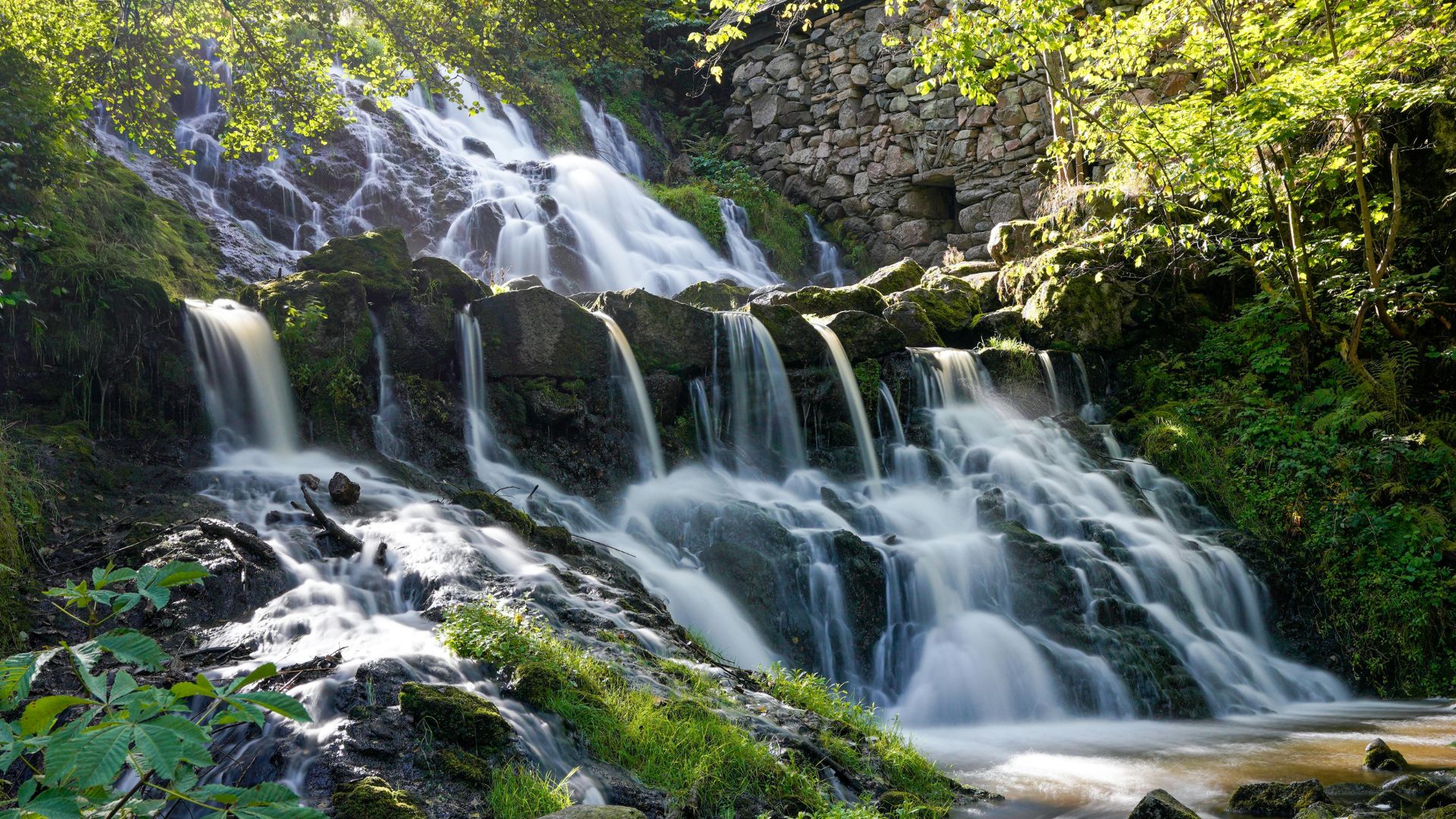
Always check the trail before you go. This ensures a safe visit.
Essential Safety Measures for Waterfall Visits
Wear good shoes for waterfall visits. Sturdy water shoes are best for slippery rocks. Check the weather first. Heavy rain can make water dangerous.
Never swim alone. Always test the water before jumping. Stay away from the base of the waterfall. It’s dangerous.
Bring a first aid kit. Tell someone where you’re going. This keeps you safe.
Photography Techniques for Stunning Waterfall Images
Use a tripod for long exposure shots. This makes the water look silky. Take photos in the morning or late afternoon for better light.
Add jungle or people to your photos. It gives scale. Use a polarizing filter for clearer water and colors.
These tips will make your photos look amazing. You’ll capture the beauty of Bali’s waterfalls perfectly.
By following these steps, you’ll have a great time exploring Bali’s waterfalls. Each visit is a chance to see the island’s beauty up close.
Snorkeling and Diving in Bali’s Marine Paradise
Bali’s clear waters are home to colorful coral gardens and diverse marine life. This underwater world is a top best outdoor experience Bali offers. It combines adventure with stunning natural beauty. Whether you’re new or experienced, Bali’s waters promise unforgettable moments.

Step 1: Choosing Prime Snorkeling Locations Around Bali
Choosing the right spot is key for a great snorkeling trip. Beginners should start with Amed or Padang Bai’s Blue Lagoon. These places have calm waters and lots of coral, perfect for newbies.
For those looking for more, Nusa Penida’s drift snorkeling sites are great. They have stronger currents but offer chances to see manta rays and big marine species. Always check the current before you go.
Step 2: Equipment Inspection and Safety Protocol Implementation
Checking your gear is important for a safe and comfy dive. First, make sure your mask fits well and is clear. Then, test your snorkel for good airflow and fins for a snug fit.
Listen to safety talks about local currents and dangers. Never snorkel alone. Use hand signals with your buddy before diving. These steps make your dive safe and fun.
Step 3: Marine Species Identification and Conservation Awareness
Bali’s waters are full of amazing marine life. You’ll see colorful parrotfish, clownfish, and angelfish. Look out for moray eels and schools of tropical fish.
Be a responsible tourist underwater. Don’t touch coral or disturb marine life. Stay buoyant to avoid harming the delicate ecosystems. Your care helps keep these places beautiful for others to see.
This incredible underwater world is one of the best outdoor experiences Bali offers. With the right prep and respect for the sea, your snorkeling or diving trip will be unforgettable.
White Water Rafting on Ayung River: Complete Guide
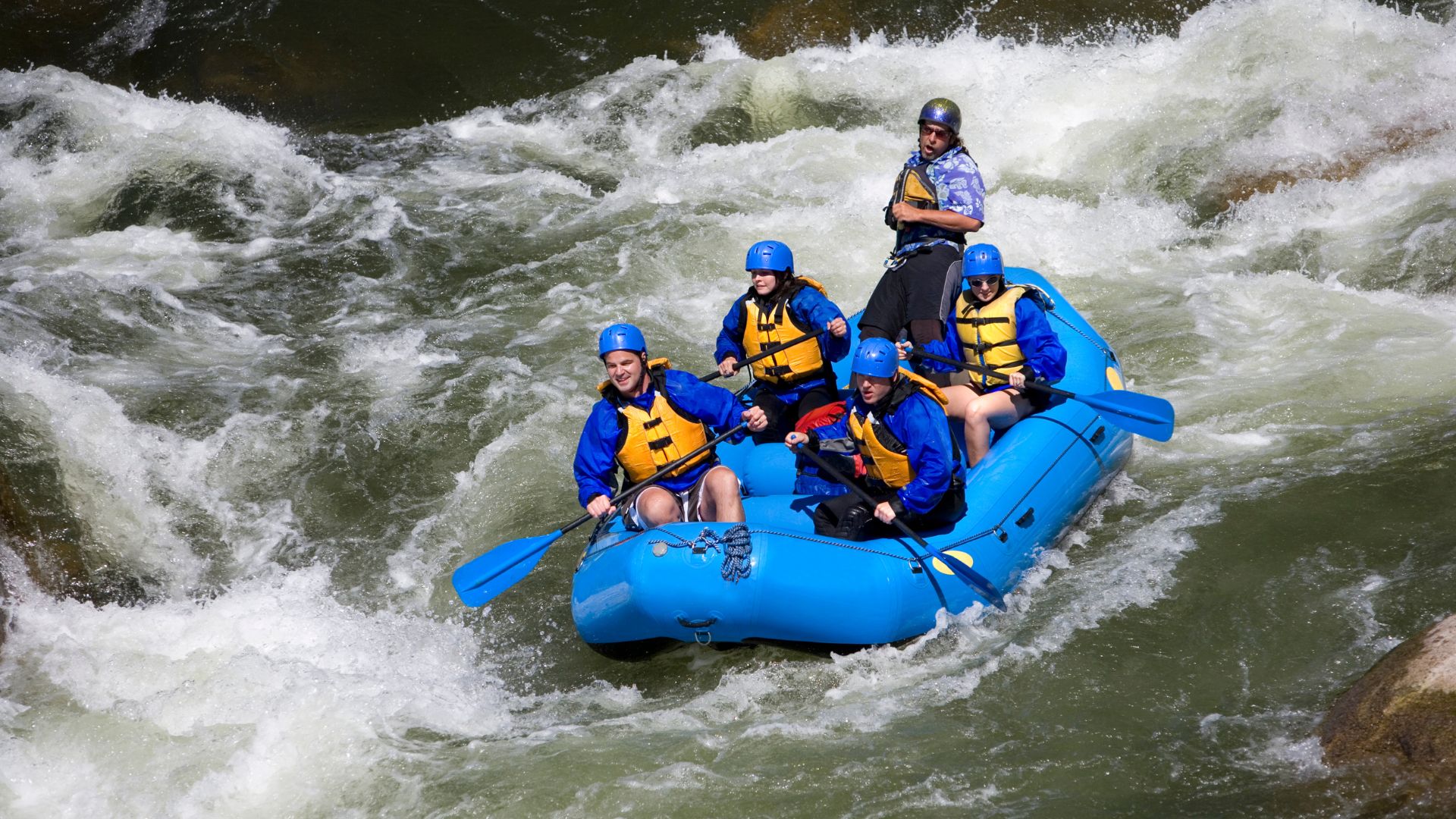
White water rafting on the Ayung River is a top thrill in Bali. It mixes exciting rapids with beautiful jungle views. It’s great for both newbies and seasoned rafters.
Selecting Certified and Safety-Conscious Rafting Operators
Start by picking a trusted rafting company. Look for ones with international safety certifications and top-notch gear. Make sure they have safety kayakers on each trip.
These pros watch over everyone and help if you fall out. You should get helmets and life jackets with your package. Many good operators in Ubud offer easy transport to the river.
Understanding Rapid Classifications and River Conditions
The Ayung River has Class II and III rapids, ideal for beginners and families. Class II rapids have moderate waves, while Class III rapids are more thrilling with higher waves.
The river changes with the seasons. Dry months have lower water, while rainy seasons bring more water and faster currents. Your guide will adjust the rafting based on the day’s conditions.
Mastering Basic Rafting Techniques and Emergency Procedures
Knowing basic commands is key for a safe trip. Your guide will teach you how to paddle and respond in emergencies. This knowledge helps you navigate rapids and avoid obstacles.
If you fall out, stay calm and float on your back. The current will carry you to safer waters. Your safety kayaker will help you back to the raft. Always follow your guide’s instructions.
With the right preparation and skills, white water rafting on the Ayung River is a memorable adventure. It’s a top choice for those seeking thrills in Bali.
Cycling Through Bali’s Scenic Countryside
Cycling is a top choice for experiencing Bali’s beauty and culture. It lets you see emerald rice terraces and traditional villages up close. This slow pace is perfect for really getting to know the place.

Step 1: Route Selection Based on Fitness Level and Interests
Choosing the right cycling route makes your trip better. Beginners should try the easy paths down Ubud’s rice terraces.
These paths have amazing views and don’t need you to be super fit. More seasoned riders might want to tackle the hills through volcanic areas.
Think about what you want to see. Some routes are all about temples, while others are about local crafts and workshops.
Step 2: Bike Maintenance Checks and Proper Gear Selection
Make sure your bike is ready for the ride. Check the brakes and tire pressure, as Bali’s roads can be tough.
Choose a helmet that fits right and meets safety rules. Wear clothes that keep you cool and apply sunscreen well.
It’s important to stay hydrated. Bring a water pack or bottles for longer rides.
Step 3: Cultural Respect and Interaction During Village Tours
Be careful when cycling through villages. Always ask before taking pictures of people or their homes.
Wear clothes that cover your shoulders and knees when visiting villages. Buying snacks from local shops helps the community.
These small shops offer real experiences and support local families. Being respectful makes your trip better for everyone.
Remember, you’re in people’s homes, not just tourist spots. A smile and saying “selamat pagi” (good morning) can make a big difference.
Learning to Surf: Bali’s Wave Riding Adventure
Surfing in Bali is a thrilling outdoor adventure for those who love the rush. The island’s warm waters and steady waves are perfect for beginners. We’ll show you how to catch your first wave safely.
Researching and Selecting Qualified Surf Schools
Choosing the right surf school is key to a great learning experience. Look for schools with certified instructors who teach beginners. They know how to make you feel confident and safe.
Beaches like Kuta, Legian, and Sanur are great for beginners. Their waves are smaller and softer, making them perfect for learning. Always read reviews and ask about the instructor-to-student ratio before you book.
Reading Wave Conditions and Understanding Tides
Surf instructors teach you to read the ocean like a map. They’ll show you how to spot wave sets and find the safest spots. This helps you position yourself right in the water.
Tide times change the quality and safety of the waves. Low tide waves are steeper and faster, while high tide waves are gentler and slower. Your instructor will teach you how to use tide charts to plan your sessions.
Fundamental Surfing Techniques and Ocean Safety
Your first lesson covers the basics of surfing. You’ll learn how to paddle to catch waves and how to pop up from lying to standing. This skill takes practice.
Ocean safety is crucial. Always protect your head when falling off your board. Keep control of your board leash to avoid hitting others.
Knowing the right-of-way rules helps avoid collisions. Respect other surfers and follow local rules. These safety tips make your surfing adventure exciting and safe.
Jungle Trekking and Wildlife Encounters
Bali’s interior jungles show a different side of the island’s beauty. Trekking through these lush areas lets you explore nature in Bali in its wildest form. You’ll connect with ancient ecosystems and see wildlife found nowhere else.
Step 1: Hiring Knowledgeable Local Guides with Expertise
Your jungle journey starts with the right guide. Local experts know secret trails in places like Bali Barat National Park or Ubud’s forests. They keep you safe and boost your chances of seeing wildlife.
Good guides know animals and when to find them. They take you to the best spots while keeping a safe distance. Their knowledge turns a simple walk into a learning adventure through Bali’s varied landscapes.
Step 2: Flora and Fauna Identification Techniques
Learning to identify plants and animals makes your jungle trip better. Start by recognizing trees like the banyan with its aerial roots. Listen for bird calls to find certain species.
Look for movement in the trees for macaques or the Bali myna bird. Check the trail edges for animal tracks. Bring a field guide or use apps to help with your finds.
Step 3: Ethical Wildlife Observation and Conservation Practices
Responsible tourism keeps these wild places untouched for others. Always keep a quiet distance to avoid stressing animals. Never feed wildlife, as it changes their natural ways.
Always follow the “pack in, pack out” principle. Leave no trace of your visit. Remember, your actions affect these delicate ecosystems. Tread lightly and respectfully to help preserve Bali’s amazing wildlife.
Conclusion
Bali is a paradise for outdoor lovers, offering unforgettable experiences. From watching the sunrise on Mount Batur to finding hidden waterfalls, each adventure is special.
Planning is key to enjoying these activities safely. Pick the right time, get the best gear, and choose trusted guides. This way, your trip will be smooth and fun. Remember to follow safety and conservation rules to protect yourself and Bali’s nature.
We invite you to dive into Bali’s outdoor adventures. Be brave and explore the island’s breathtaking views. Share your stories and keep discovering what makes Bali unique.
FAQ
What is the best time of year for outdoor activities in Bali?
The dry season, from April to October, is the best time. It offers great weather for hiking, surfing, and more. You’ll find less rain and clearer skies for exploring.
Do I need a guide for activities like the Mount Batur sunrise trek or jungle exploration?
Yes, hiring a licensed guide is a must. They ensure safety, share local insights, and help navigate tricky paths.
What essential gear should I pack for Bali outdoor adventures?
Pack clothes that wick moisture, comfy hiking shoes, and a headlamp for early starts. Don’t forget reef-safe sunscreen, a rash guard, and a sarong for temples. The right gear keeps you safe and respectful.
Are Bali’s outdoor adventures suitable for beginners or families?
A> Absolutely. Activities like cycling in Ubud, snorkeling in Amed, or rafting on the Ayung River are great for all. Choose routes that fit your skill level for a fun and safe trip.
How can I ensure my safety during water-based activities like surfing or snorkeling?
Choose certified operators and check your gear fits right. Listen to safety briefings and know the water conditions. For surfing, take lessons at places like Kuta Beach.
What are some must-visit locations for experiencing the best outdoor experiences in Bali?
Mount Batur is perfect for sunrise hikes. The Ayung River is great for rafting. Don’t miss the waterfalls in Ubud and North Bali, Amed and Nusa Penida for snorkeling, and the Bukit Peninsula for surfing.
How should I budget for a trip focused on Bali adventure tours?
Set aside money for guided tours, equipment, park fees, and transport. Spending on reputable operators ensures a safe and memorable adventure.
What conservation practices should I follow during outdoor adventures in Bali?
Avoid touching coral or marine life and don’t litter. Keep a safe distance from wildlife and use reef-safe sunscreen. Supporting local guides and businesses promotes sustainable tourism.