


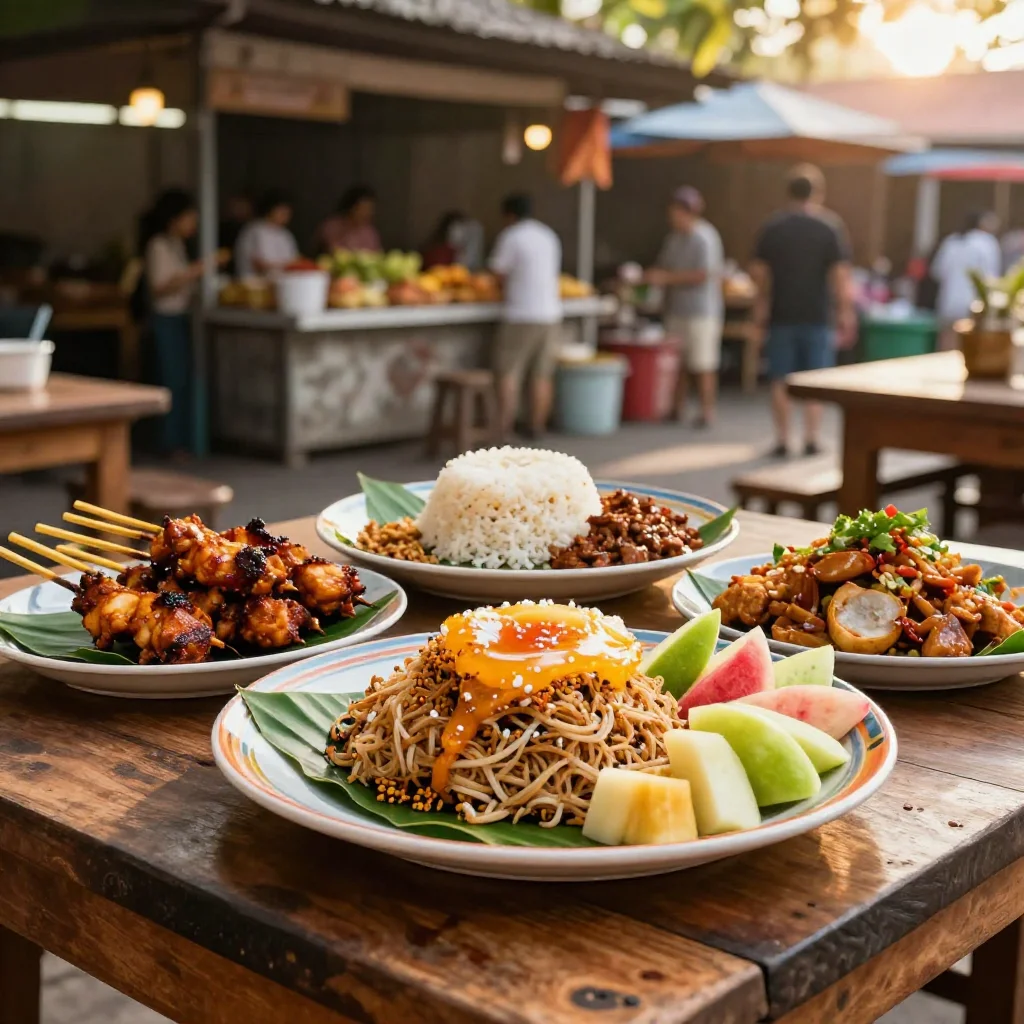
Picture this: you’re in Bali, the sun is shining, the rice paddies are emerald green, and the air is filled with the scent of frangipani and incense. You’re dreaming of exotic flavors, but your wallet is whispering ‘don’t break me!’ Well, my friend, you’re in luck! Getting by with truly local prices for incredible food is one of Bali’s best-kept secrets, and mastering the art of eating cheap in Bali is easier and more delicious than you might imagine. Forget overpriced tourist traps; we’re diving headfirst into the authentic culinary heart of the island – the humble warungs and vibrant street food scene.
Bali offers a spectrum of dining experiences, from world-class fine dining to trendy cafes. But for the true taste of the island, and for stretching your rupiah further, you simply have to embrace the local way. Not only will you save a significant amount of money, but you’ll also experience the authentic flavors and hospitality that make Balinese food so special. So, pull up a plastic stool, let’s explore how to eat like a king (or queen) on a backpacker’s budget!
What Exactly is a Warung? Your Gateway to Affordable Balinese Flavors
The word “warung” itself is derived from Indonesian, simply meaning a small family-owned business or shop. But in the context of food, a warung is so much more than just a place to eat. It’s often a culinary institution, passed down through generations, serving up traditional Balinese and Indonesian dishes with a whole lot of heart and soul. These aren’t fancy restaurants; they’re typically open-air or semi-open establishments, sometimes just a few tables under a tarp, but always brimming with character.
Think of warungs as the backbone of Balinese everyday life. Locals eat here for breakfast, lunch, and dinner, grabbing quick, satisfying meals that are both nourishing and incredibly affordable. The beauty of a warung lies in its simplicity, its focus on fresh ingredients, and its commitment to time-honored recipes. For a traveler, venturing into a warung is an immersion into local culture, a chance to truly connect with the island’s pulse beyond the resort walls.
The range of warungs is vast, from those specializing in a single iconic dish to others offering a buffet-style spread where you point to what you want. Prices generally range from 15,000 IDR to 40,000 IDR (roughly $1-$3 USD) per meal, which is an absolute steal for the quality and flavor you receive. You’ll often find yourself paying less for a full, delicious meal than you would for a single coffee at a Western-style café.
The Unparalleled Experience of Warung Hopping
Warungs are not just about filling your stomach; they’re about the experience. The lively chatter of locals, the clanging of woks, the aroma of spices wafting through the air – it’s a sensory feast. Don’t expect white tablecloths or extensive wine lists. Do expect genuine smiles, flavorful food prepared with love, and an unforgettable glimpse into everyday Balinese life. It’s here that you’ll discover why locals rave about their favorite spots and why tourists who venture beyond the main drag become instant fans.
Navigating your first warung might feel a little intimidating, but don’t worry! Most are incredibly welcoming. A friendly smile and a simple “terima kasih” (thank you) go a long way. Many will have a display counter where you can simply point to the dishes that tempt you. For those with menus, don’t be afraid to ask for recommendations or try Google Translate if needed. It’s all part of the adventure!
Essential Warung Types and What to Sample
To truly master eating cheap in Bali, you need to know your warungs. Each type offers a unique culinary adventure:
1. Warung Nasi Campur
This is arguably the most common and versatile type of warung. Nasi Campur literally means “mixed rice,” and that’s exactly what you get: a plate of steamed white rice piled high with a medley of small portions of various dishes. You usually walk up to a display counter and point to the items you want. Common accompaniments include:
- Ayam Betutu: Shredded chicken cooked in rich Balinese spices.
- Sate Lilit: Minced fish or chicken mixed with grated coconut and spices, wrapped around lemongrass skewers and grilled.
- Tempeh Orek: Sweet and savory fried tempeh.
- Sayur Urab: Steamed vegetables mixed with grated coconut dressing.
- Telur Balado: Boiled eggs smothered in a spicy chili sauce.
- Sambal Matah: A raw shallot and lemongrass chili relish, a Balinese specialty.
The beauty of Nasi Campur is the variety it offers – you can customize your plate every time. It’s a fantastic way to try a little bit of everything and discover new favorites. Each portion is small, but combined, they make a hearty and satisfying meal.
2. Warung Babi Guling
If you’re a meat-eater, Babi Guling, or roasted suckling pig, is a must-try Balinese delicacy. These warungs specialize in this one dish, serving crispy skin, succulent meat, and flavorful crackling with rice and a side of spicy lawar (a mix of vegetables, coconut, and minced meat) and a fiery sambal. While a little pricier than Nasi Campur, a portion of Babi Guling is still incredibly affordable for such a specialty dish, often around 40,000-60,000 IDR. Just remember, these warungs tend to run out early, so go for lunch!
3. Warung Sate
Specializing in grilled skewers, these warungs are a fragrant delight. You’ll find various types of sate (satay), including Sate Ayam (chicken), Sate Babi (pork), and the unique Sate Lilit (minced fish or chicken on lemongrass sticks). Served with peanut sauce or a chili-lime sambal, and often rice or lontong (rice cakes), sate warungs offer a deliciously smoky and flavorful experience. The meat is tender, marinated beautifully, and cooked fresh over charcoal right in front of you.
4. Warung Bakso & Mie Ayam
For a warm, comforting bowl, seek out a Bakso or Mie Ayam warung. Bakso are delicious meatballs served in a savory broth with noodles, tofu, and sometimes dumplings. Mie Ayam is a chicken noodle soup, often with a slightly sweeter, richer broth and tender chicken pieces. These are perfect for a light lunch or a comforting dinner, and incredibly wallet-friendly, usually costing under 25,000 IDR per bowl.
5. Vegetarian and Vegan Warungs
While meat dishes are prominent, Bali also caters wonderfully to vegetarians and vegans, especially in the warung scene. Many Nasi Campur warungs will have a good selection of plant-based dishes like tempeh, tofu, various vegetable stir-fries, and curries. Look for “Warung Vegetarian” or “Warung Vegan” signs, especially in areas like Ubud, Canggu, and Seminyak, where they are becoming increasingly popular. You’ll be surprised by the sheer variety and freshness of the plant-based options available, often bursting with local spices and flavors.
Dive into Bali’s Vibrant Street Food Scene
Beyond the warungs, Bali’s street food offers another incredible avenue for eating cheap in Bali. These are often mobile vendors, pushing carts or setting up temporary stalls, especially in the evenings or near busy intersections and markets. Street food is all about quick, delicious, and deeply local snacks and meals that give you an immediate hit of flavor.
1. Gorengan: The Fried Delights
This is the ultimate Indonesian snack category. Gorengan refers to various fried fritters, often made from tempeh, tofu, sweet potato, banana (pisang goreng), or even jackfruit. They’re crispy, savory (or sweet), and incredibly addictive. You can usually buy them for a few thousand rupiah each, making them the perfect cheap snack to curb your hunger between meals or enjoy with a hot tea.
2. Martabak: Sweet or Savory Pancakes
Martabak comes in two main forms: the savory Martabak Telur (an egg-filled pancake with minced meat, spring onions, and spices) and the sweet Martabak Manis (a thick, fluffy pancake topped with chocolate, cheese, peanuts, or condensed milk). Both are incredibly satisfying and a popular evening street food. A whole Martabak can feed several people and costs around 25,000-50,000 IDR.
3. Jajanan Pasar: Traditional Market Snacks
Head to a local morning market, and you’ll find an array of colorful and delicious traditional cakes and snacks known as Jajanan Pasar. These often feature coconut, rice flour, palm sugar, and tropical fruits. Think vibrant green Klepon (rice flour balls filled with liquid palm sugar), shimmering Lapis (layered cake), or fluffy Dadar Gulung (pandan crepes with coconut filling). They’re usually sold by the piece, costing just a few thousand rupiah, making them an excellent way to sample local sweets.
4. Bakso and Mie Ayam Carts
While you find these in warungs, many vendors also roam the streets with their Bakso or Mie Ayam carts. You’ll hear their distinctive calls or the clanging of their bowls. Don’t hesitate to flag one down! The street versions are often just as good, if not better, and offer an even more authentic, on-the-go experience.
Navigating Local Markets for Culinary Treasures
Local markets are an essential part of the Balinese food landscape and an invaluable resource for anyone committed to eating cheap in Bali. While some markets are primarily for fresh produce, many also feature dedicated food stalls, especially during morning or evening hours.
- Morning Markets (Pasar Pagi): These buzz with activity from dawn until late morning. Here, you’ll find vendors selling fresh fruits, vegetables, spices, and pre-made dishes like Nasi Jinggo (small portions of rice with toppings, wrapped in banana leaf), Jajanan Pasar, and various fried snacks. It’s a fantastic place to grab breakfast or ingredients for a picnic.
- Night Markets (Pasar Malam): As the sun sets, many areas light up with night markets dedicated almost entirely to food. These are a sensory overload of aromas, sizzling woks, and local chatter. You can find everything from grilled seafood, sate, Nasi Goreng (fried rice), Mie Goreng (fried noodles), and a huge variety of other Indonesian specialties. Prices here are incredibly low, and the atmosphere is electric. Gianyar Night Market is a famous example, but many towns have their own smaller versions.
When visiting a market, come with an open mind and a little cash. Most vendors prefer rupiah, and some might not have change for large denominations. The food is almost always prepared fresh, right in front of you, ensuring a delicious and often theatrical experience.
Vibi Tip: When exploring a new area, keep an eye out for a string of motorbikes parked haphazardly outside a small, unassuming eatery. This is often the tell-tale sign of a truly popular local warung, serving up exceptional food at local prices. Follow the bikes, follow the flavor!
Smart Strategies for Eating Cheap in Bali Like a Local
Beyond knowing where to go, a few insider strategies can significantly enhance your budget food adventure:
1. Eat Where the Locals Eat (Literally)
This is the golden rule. If you see a warung packed with Balinese people, especially during lunch or dinner hours, it’s a good sign. They know where the best food and best value are. Don’t be shy; join the crowd!
2. Learn Basic Indonesian Phrases
While many people in tourist areas speak English, a few basic Indonesian phrases can go a long way in warungs. Phrases like “Berapa harganya?” (How much is it?), “Enak sekali!” (Very delicious!), and “Terima kasih” (Thank you) will earn you smiles and perhaps even slightly better prices, as it shows respect for their culture.
3. Don’t Be Afraid to Try New Things
Part of the joy of traveling is stepping outside your comfort zone. Some of the most incredible flavors in Bali are found in dishes you might not recognize. Be adventurous, trust your gut (pun intended!), and you’ll be richly rewarded.
4. Embrace the Buffet Style (Nasi Campur)
For Nasi Campur, you typically pay for what you choose. Being mindful of your selections can help. Start with rice, then add a couple of protein items and some vegetables. The portions are usually small but packed with flavor, so you might not need as much as you think.
5. Drink Local, Save More
Stick to bottled water, fresh fruit juices (jus), or local soft drinks. Avoid imported sodas or fancy coffees if you’re truly aiming for a budget. Water is cheap and essential in the tropical climate.
6. Cash is King
Most warungs and street food vendors operate on a cash-only basis. Always carry small denominations of Indonesian Rupiah (IDR) to make transactions easy and avoid issues with change. This is a crucial tip for anyone looking into the cost of living in Bali more generally.
7. Prioritize Hygiene Wisely
While generally safe, it’s wise to be mindful. Look for places with high turnover of food, hot dishes, and clean serving areas. Avoid food that looks like it’s been sitting out for too long. Always use hand sanitizer before eating. Trust your instincts; if a place looks unsanitary, move on. Bali has countless clean and delicious options for affordable food.
8. Consider a Food Tour
If you’re still hesitant, booking a local food tour can be a fantastic way to introduce yourself to the street food and warung scene with a knowledgeable guide. They can help you navigate menus, explain dishes, and ensure you’re trying the best (and safest) local eats.
Beyond the Plate: Budgeting for Your Whole Bali Adventure
While mastering the art of eating cheap in Bali is a huge win for your travel budget, remember that food is just one piece of the puzzle. Transportation, accommodation, and activities also contribute to your overall expenses. Understanding how to manage these aspects is key to a truly affordable trip. If you’re keen on exploring more ways to keep your travel expenses in check across the island, we’ve put together a comprehensive guide on Bali on a Budget that covers everything from finding cheap stays to navigating local transport and enjoying free activities. It’s all about making informed choices that align with your financial goals without sacrificing the richness of your experience.
The Unbeatable Value of Balinese Local Food
There’s a certain magic in sitting at a simple warung, sharing a meal with locals, and knowing you’re savoring authentic flavors that are both delicious and incredibly kind to your wallet. Eating cheap in Bali isn’t just about saving money; it’s about experiencing the island’s culture, connecting with its people, and discovering culinary delights that will leave a lasting impression long after you’ve left. So, embrace the adventure, trust your taste buds, and dive into the incredible world of Balinese warungs and street food. Your stomach and your budget will thank you!
FAQ
What is a warung in Bali?
A warung is a small, typically family-owned business in Indonesia, often referring to local eateries that serve traditional, affordable Indonesian and Balinese dishes.
Is street food safe to eat in Bali?
Yes, generally street food in Bali is safe and delicious. Look for stalls with high customer turnover, hot and freshly cooked food, and good hygiene practices to ensure a safe dining experience.
How much does a meal cost at a local warung in Bali?
A meal at a local warung typically costs between 15,000 IDR to 40,000 IDR (approximately $1-$3 USD), making it an incredibly budget-friendly option for travelers.
What is Nasi Campur?
Nasi Campur is a popular Indonesian dish consisting of a scoop of white rice served with small portions of various side dishes, which can include meats, vegetables, eggs, and sambal, chosen by the customer from a display.
Do warungs accept credit cards?
Most warungs and street food vendors in Bali operate on a cash-only basis. It’s always best to carry small denominations of Indonesian Rupiah (IDR) for convenience.