Bali Cultural Etiquette: Exploring the Dos and Don’ts for Travelers

What if the key to unlocking Bali’s true magic isn’t in your itinerary, but in how you respect local traditions?

Many travelers focus on beaches and temples while missing the heart of this island paradise. Understanding Bali’s rich heritage transforms your visit from tourist to honored guest.

Bali cultural etiquette

We believe genuine respect for local customs creates deeper connections with Balinese people. It shows appreciation for their spiritual traditions and daily practices.

This knowledge turns simple moments into meaningful exchanges. It opens doors to experiences most visitors never discover.

Our guide helps you navigate this beautiful culture with confidence. You’ll learn how proper etiquette enhances every aspect of your journey.

Why Bali Cultural Etiquette Matters for Travelers

Learning about Bali’s cultural norms makes our trips more meaningful. When we respect local traditions, we show we care about the island’s heritage. This helps us avoid unintentionally offending people and builds stronger bonds with the Balinese community.

Bali cultural etiquette

The Foundation of Balinese Hindu Traditions

Balinese Hinduism deeply influences daily life. It combines Hindu teachings with ancient animist traditions. Every part of life is connected to spiritual practices.

Traditional customs in Bali aim to balance humans, nature, and the divine. These customs create a spiritual landscape across the island. We see this in daily offerings, temple ceremonies, and community gatherings.

Grasping these foundations helps us understand why certain behaviors are important. Simple actions like dressing properly or showing respect carry deep meaning. They reflect centuries of cultural evolution and spiritual devotion.

Building Positive Connections with Locals

Balinese people warmly welcome visitors who show cultural sensitivity. When we show we know about local customs, we quickly connect. This openness leads to more genuine experiences and personal interactions.

Respectful behavior often leads to invitations to family ceremonies or local events. These opportunities give us a rare look into real Balinese life. They create memories that go beyond typical tourist activities.

Your efforts to follow traditional customs in Bali benefit everyone. We get richer travel experiences and help preserve culture. The local community feels valued when visitors respect their way of life.

Greeting Others with Respect and Politeness

Proper greetings are key in Bali. They show respect and help you connect with locals. These gestures show you value their culture.

Using Traditional Balinese Greetings

Balinese greetings hold deep cultural meaning. They show the island’s spiritual values and social order. Learning these greetings will make your trip better.

Bali cultural etiquette

Say “Om Swastiastu” for Hello

“Om Swastiastu” means “peace and greetings from God.” Say it when you meet people. Locals will appreciate your effort.

It’s pronounced “ohm swah-stee-ahs-too.” Use it for hello and goodbye. It’s right in most situations.

Bow Slightly When Meeting Elders

Bali values respect for elders and those in charge. A slight bow shows respect. Keep your hands together near your chest.

The bow should be subtle, not deep. Keep eye contact while bowing. This shows full respect.

Avoiding Offensive Gestures and Touch

Some gestures can offend in Bali. Knowing these cultural differences helps avoid awkward moments. Your awareness will be appreciated.

Never Touch Someone’s Head

The head is sacred in Balinese culture. Avoid touching anyone’s head, even children. It’s a sign of respect.

This belief comes from Hindu traditions. The head is where the soul is. Feet are considered the lowest and least pure.

Refrain from Pointing with Feet

Feet are seen as the lowest and least pure. Never point your feet at people or sacred objects. This includes sitting with your feet toward others.

When sitting on the ground, fold your legs beneath you. Avoid stretching your feet toward temples or offerings. These small changes show respect for local customs.

By following these guidelines, you’ll navigate social situations well. Your efforts to learn manners in Bali will make your visit more meaningful.

Dressing Appropriately in Public and Sacred Spaces

Knowing Bali’s dress code is key to showing respect for local cultural norms. What we wear shows our respect for this beautiful island’s traditions.

Everyday Attire for Men and Women

In Balinese villages, dressing modestly shows respect for local values. Locals usually cover more skin than in tourist areas.

Cover Shoulders and Knees in Villages

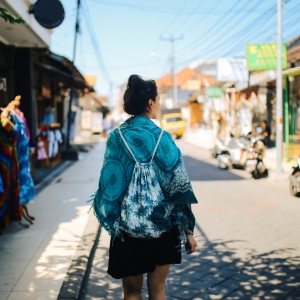
When exploring traditional areas, keep shoulders and knees covered. This simple gesture shows you understand cultural norms Bali residents value.

Tank tops and short shorts might feel comfy in the heat. But they can unintentionally offend in non-tourist zones.

Choose Light, Modest Clothing

Opt for breathable fabrics that provide coverage. Linen pants, maxi skirts, and lightweight shirts are perfect.

These choices keep you cool while respecting local sensibilities. You’ll blend in better and feel more comfortable exploring.

Temple Visit Dress Code Essentials

Balinese temples have specific attire rules beyond everyday modest clothing. These rules honor the sacred nature of these spaces.

Wear a Sarong and Sash at Entrances

Every temple visitor must wear a sarong and ceremonial sash. Most temples rent these at the entrance for a small donation.

The sarong wraps around your waist, covering your legs completely. The sash ties around your waist over the sarong.

This traditional dress shows respect for Balinese spiritual practices. It’s a beautiful way to participate in local cultural norms.

Bali cultural etiquette

Navigating Temple Etiquette and Rituals

Bali’s temples are the heart of spiritual life. Here, ancient traditions meet daily worship. Knowing the right conduct shows respect in Balinese culture. It also helps us avoid interrupting sacred practices.

Preparing for a Temple Visit

Getting ready for a temple visit makes it more meaningful. We should always approach these places with care.

Check for Ceremony Schedules

Many temples have special ceremonies that might limit visitors. It’s wise to check local schedules or ask hotel staff about upcoming events. This way, we avoid showing up during private ceremonies or important religious times.

Behavior During Prayers and Offerings

Active worship areas need special care. Our actions should show the seriousness of these moments.

Stay Quiet and Avoid Walking Through Prayers

When locals are praying, we should be silent and keep our distance. Never walk between worshippers and their offerings, as it breaks their spiritual bond. We find a spot to observe without interrupting.

Do Not Disturb Altars or Offerings

Temple altars and offerings are sacred, blessed by priests. We never touch, move, or step over these arrangements, even for photos. The canang sari offerings we see everywhere are daily prayers and gratitude.

By following these guidelines, we show respect in Balinese culture. This creates positive experiences for both visitors and worshippers. Temples are active places of devotion, not just tourist spots.

Understanding and Respecting Daily Offerings

One of the most beautiful aspects of Balinese culture is the daily offerings you’ll see everywhere. These small baskets are filled with flowers and treats. They represent deep spiritual traditions. Knowing their meaning helps us show respect for local customs and traditions in Bali.

Bali cultural etiquette

What Canang Sari Offerings Mean

Canang Sari are the colorful palm-leaf baskets you see all over Bali. They show gratitude to the Hindu gods and balance between good and evil. Each part has a special meaning – flowers for devotion, betel nut for purity, and rice for sustenance.

These offerings are part of Balinese Hinduism’s daily rituals. Families put them at temples, homes, and businesses every morning. This practice keeps harmony between humans, nature, and the spiritual world.

Step Around Them, Not Over Them

When you see Canang Sari on sidewalks or pathways, always walk around them. Stepping over them is a big no-no in Balinese culture. The offerings are seen as sacred and active spiritual elements.

Be careful where you walk, mainly in the mornings when new offerings appear. Stepping around them shows we value local customs and traditions in Bali. It shows cultural sensitivity that locals will notice and appreciate.

Participating in Offerings as a Visitor

Watching daily offerings gives us a peek into Balinese spiritual life. We can learn a lot by seeing how locals prepare and place these offerings. The ritual shows centuries-old traditions passed down through generations.

Many visitors want to join in these beautiful customs. But we must do so with cultural awareness and respect.

Observe Only Unless Invited

Unless a local family or temple priest invites you, just observe offering ceremonies. These are religious practices, not tourist activities. Take photos discreetly and from a respectful distance.

If you’re invited to join, follow instructions carefully. Remove shoes if entering a family compound. Dress modestly and be quiet and reverent during the ceremony. This way, we honor the spiritual significance of Balinese offerings.

Social Norms for Dining and Gift Exchange

Beyond temple visits and greetings, Bali’s cultural etiquette also covers food and gifts. These customs show deep respect for local traditions. They help visitors connect deeply with Balinese hosts.

Eating Etiquette in Balinese Homes

Visiting a Balinese home means experiencing warm hospitality through meals. Knowing basic dining customs shows you value your hosts’ kindness.

Use Your Right Hand for Meals

In Balinese culture, the left hand is seen as unclean. Always use your right hand for eating and serving food. This tradition comes from Hindu beliefs and shows respect for the meal.

Accept Food Graciously

When offered food, accept it with a smile and thanks. Even if you’re not hungry, take a small portion to honor the offer. Refusing food might upset your hosts.

Giving and Receiving Gifts

Gift exchanges in Bali have their own rules. These rules show thoughtfulness and cultural awareness. They apply to both big events and small gestures.

Offer Items with Both Hands

Give gifts with both hands and a slight bow. This shows humility and respect for the recipient. When receiving gifts, use both hands to accept them graciously.

Avoid Giving Alcohol or Leather

Don’t give alcohol or leather products due to Hindu beliefs. These items go against religious values. Instead, consider fruit baskets, sweets, or traditional crafts as better gifts.

By following these social etiquette dos and don’ts in Bali, you’ll have positive interactions. It shows real respect for local customs.

Photography and Technology Dos and Don’ts

Modern technology brings unique challenges in Bali’s cultural scene. We must balance our need to capture memories with respect for local customs and privacy. Knowing the right way to use devices helps us keep good relations with the Balinese.

Taking Photos Respectfully

Photography in Bali needs special care. Always remember you’re in someone’s home and sacred places.

Ask Permission Before Photographing People

Don’t assume people want their picture taken. Always ask with a smile, “Boleh foto?” (May I take a photo?). Many Balinese will agree if you ask nicely.

If someone says no, respect their choice. Share photos with those who agree to be photographed. This shows you value their cooperation.

No Photos in Sacred Ceremony Areas

Temple ceremonies and religious rituals are very personal. Taking photos during these times is usually not allowed and seen as disrespectful.

Look for signs that say no photos. Even without signs, use your common sense. If locals aren’t taking pictures, it’s best not to either.

Using Phones and Devices in Public

Being mindful of technology use in public is key. Balinese culture values quiet and respectful behavior in shared spaces.

Keep Volume Low in Quiet Zones

Use headphones for music and videos in public. Keep phone calls short and quiet in temples, museums, or quiet villages.

Turn off your devices before entering sacred areas. Ringing phones can disturb meditation and prayer. This simple act shows respect for those worshipping.

Avoid Public Displays of Affection

Balinese culture has modest standards for public behavior. Holding hands is okay, but more intimate gestures are not.

Save affectionate moments for private places. This shows respect for local modesty standards. Your discretion will be appreciated by the locals.

Bargaining in Markets with Courtesy

Shopping in Bali’s markets is a lively experience. Bargaining is common, but doing it with respect is key. It’s not about winning or losing. It’s about connecting with the people you’re buying from.

How to Negotiate Prices Fairly

When bargaining in Bali, be friendly, not aggressive. Fair prices help local families and keep the economy balanced.

Start with a Smile and Friendly Talk

Start by smiling and showing real interest in what you’re buying. Asking about the item’s background or how it’s made shows respect. This is before you talk about the price.

This way, you show respect for the person you’re buying from. Talking nicely can lead to better deals than just asking for a low price.

Accept Final Prices Gracefully

If the seller won’t lower the price, accept it nicely. Getting angry after trying to get a better deal is not respectful.

For vendors, small price changes mean a lot. Being kind helps keep your visits to the market positive.

Handling Money and Transactions

How you handle money shows respect in Bali. These customs reflect the island’s values in transactions.

Use Right Hand for Giving Money

Always give money with your right hand. This follows Balinese customs, where the right hand is seen as clean for transactions.

Even if you’re left-handed, using your right hand shows you care. Small actions like this show respect for local traditions.

Respect Small Businesses

Market vendors run small businesses that support their families. Fair prices help keep these businesses going and preserve traditional crafts.

While bargaining is common, pushing prices too low hurts these small businesses. Finding a fair price benefits both you and the local economy.

Environmental and Wildlife Considerations

Exploring Bali’s culture means thinking about its environment and wildlife too. These are key parts of Bali’s traditions, showing how people, nature, and spirit are connected.

Respecting Bali’s Natural Beauty

Bali’s landscapes are truly magical. With its beaches and rice terraces, it’s a place we must protect.

Do Not Litter, Especially at Beaches

It’s important to throw away trash properly, even more so at Bali’s beaches. Litter harms the environment and shows no respect for the local people who care for these places.

Beaches have trash bins, and carrying a small bag for waste helps. This keeps Bali beautiful for everyone.

Choosing eco-friendly tours makes a big difference. Look for tours that are good for the planet and support conservation.

There are tours that are kind to the environment but still let you experience Bali’s culture. These tours help Bali stay healthy for the future.

Interacting with Animals

Meeting animals in Bali can be special, but we must do it right. We should treat them with kindness and respect.

Avoid Feeding Monkeys in Temples

Monkeys in temples might look cute, but feeding them is bad. It messes with their diet and makes them act aggressively.

Feeding them human food is bad for their health and natural ways of finding food. We should watch them from afar without giving them food.

Choose Ethical Animal Experiences

When we want to see animals, choose places that care about their well-being. Look for sanctuaries and parks that give them a good home.

Good places focus on helping animals and teaching us, not just for fun. These experiences help us learn about Bali’s animals and support good tourism.

By choosing wisely, we help protect Bali’s animals and support places that care about them.

Conclusion

Our journey through Bali cultural etiquette shows respect is key. We learn to greet with a smile, dress modestly at temples, and honor daily offerings. These actions help us connect deeply with Balinese Hindu traditions.

Following these dos and don’ts makes our travels meaningful. We avoid offending locals and show we value their way of life. This respect builds bridges between cultures.

Remember, learning is a continuous process. Each temple visit or market interaction teaches us more. Stay open-minded and curious as you explore Bali’s beauty.

Your efforts to follow local customs enrich your experience. They turn a simple trip into a journey of mutual respect and understanding. Enjoy every moment in this incredible island paradise.

FAQ

What is the proper way to greet someone in Bali?

In Bali, we greet with “Om Swastiastu” and a slight bow, mainly to elders. This act shows respect and helps build a good first impression.

How should we dress when visiting temples in Bali?

Dressing modestly is key for temple visits. We cover our shoulders and knees. A sarong and sash are often provided for rent. We also remove our shoes inside sacred areas.

Can we take photos during Balinese ceremonies?

Taking photos in sacred areas is a no-go without permission. Always ask before snapping photos of people. This respects their privacy and cultural norms.

What should we do when we encounter daily offerings (Canang Sari) on the ground?

We step around daily offerings with care. They hold deep spiritual value in Balinese Hinduism. We observe but don’t touch them unless locals invite us to.

Is bargaining acceptable in Balinese markets?

Bargaining is okay, but do it with respect. Start with a friendly chat, negotiate fairly, and accept the final price gracefully. Always use your right hand when handling money.

Are there specific dining etiquette rules we should follow in Bali?

Eat with your right hand, as the left is considered unclean. Accept food graciously in someone’s home to show appreciation for their hospitality.

How should we behave around monkeys at temple sites?

Don’t feed monkeys at temples. It can make them aggressive and disrupt their diet. Keep a respectful distance and secure your belongings to avoid unwanted interactions.

What’s considered disrespectful in terms of physical gestures?

Never touch someone’s head, as it’s sacred. Also, avoid pointing with your feet or showing your soles. These gestures are seen as disrespectful in Balinese culture.

How do we know if a temple ceremony is happening when we visit?

Check local schedules and look for signs at temple entrances. If we find a ceremony, we observe quietly from a distance without interrupting.

Are public displays of affection acceptable in Bali?

No, public displays of affection are not okay. We keep our behavior modest in public to respect local norms and traditions.