

Do you remember that first moment stepping out of Denpasar airport? The humid air hits you, and the scent of frangipani fills your senses. Then, the symphony of honking horns and buzzing scooters hits you. It’s overwhelming, isn’t it?

We’ve all been there. That heart-pounding moment trying to cross a road where traffic flows like a relentless river. But here’s the truth – what seems like madness actually has its own rhythm. With the right know-how, you’ll soon be moving through Bali’s streets with confidence rather than confusion.
This guide is your personal roadmap to understanding how to get around safely. We’ll share everything from reading the flow of vehicles to choosing your transport wisely. You’ll learn how locals navigate and how you can too.
Key Takeaways
- Bali’s roads have their own unique rhythm that becomes easier to understand
- Crossing streets requires patience and watching local patterns
- Different transport options suit different situations and comfort levels
- Timing your journeys can make a huge difference to your experience
- Simple preparation helps you feel more confident navigating
- Local drivers have developed systems that keep things moving
- Safety awareness is your best companion on Bali’s roads
Understanding Bali’s Unique Traffic Landscape
When you start driving in Bali, you’ll see traffic is very different. It’s not like Australia’s strict rules. Bali’s traffic is more like a dance, with everyone moving together.
This might seem chaotic at first. But knowing these differences is crucial for how to navigate bali traffic well.
Why Bali Traffic Differs from Australian Roads
Australian roads have clear rules and signs. Bali’s roads are more about moving smoothly than following rules. You’ll see fewer traffic lights and more drivers talking to each other.
Signs in Bali are in Indonesian, and they can be confusing. The rules for who goes first are different too. Bigger vehicles don’t always get to go first.
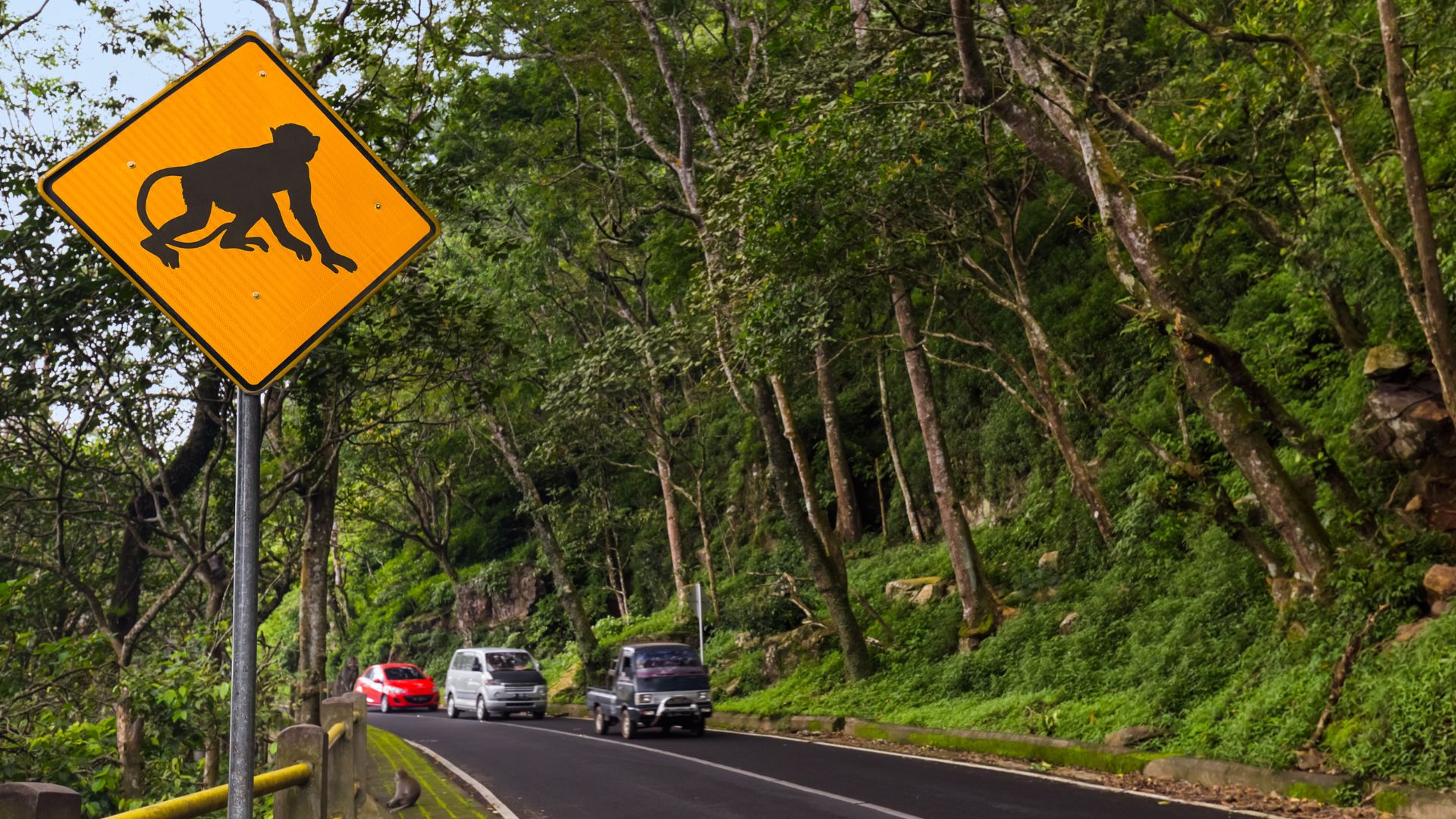
The roads in Bali are very different. You’ll find smooth highways and narrow streets. Be ready for potholes, animals on the road, and changing surfaces.
Common Traffic Scenarios You’ll Encounter
Motorcycles always find a way through traffic. They might pass very close to your car. This is just how it is here.
U-turns happen in unexpected places. Drivers turn across lanes without warning. Always check your mirrors and blind spots.
Pedestrians walk across roads anywhere. Be ready to stop suddenly, like near markets or tourist spots.
Cultural Factors Affecting Road Behaviour
The Balinese idea of jam karet (rubber time) makes driving slower. There’s no rush, and plans are flexible. This might surprise Australian drivers at first.
Religious events often block roads. Whole areas close for ceremonies without warning. Visitors need to be patient and respectful.
You’ll see offerings on the road . Drivers carefully go around these sacred items. Understanding this helps you navigate Bali’s roads with respect.
Getting used to Bali’s traffic is easier when you learn about the culture. Just watch how locals drive and adapt to their way.
Essential Traffic Tips for Tourists in Bali
Driving in Bali is different from what you’re used to. These driving tips for Bali tourists will help you stay safe and confident on the island’s roads.
Mastering the Art of Defensive Driving
Defensive driving in Bali means always expecting the unexpected. Keep looking at your mirrors and the road ahead. Cars might stop, turn, or merge suddenly.
Keep a safe distance from the car in front, even when traffic is moving well. Use your horn to let others know you’re there, not to be aggressive. This is how people communicate on Balinese roads.
Check your blind spots well before changing lanes or turning. Motorbikes often move through traffic in unexpected ways. Stay alert and expect that others might not follow the rules you’re used to.
Navigating Roundabouts and Intersections
Bali’s roundabouts work differently than in Australia. Right-of-way is often decided by eye contact and vehicle position, not strict rules. Approach slowly and be ready to yield.
At intersections without lights, be very careful. Locals use hand signals and flashing lights to show their plans. Watch for these signs to know who goes next.
When entering roundabouts, remember that cars already in the circle have priority. But, local drivers sometimes make their own rules. Patience and watching carefully are key here.
Handling Motorcycle Swarms Safely
Motorcycle clusters are common in Bali’s traffic. Keep a steady speed and avoid sudden moves when surrounded by scooters. Check your mirrors often before changing lanes or turning.
Motorbikes will take any space they can. Leave enough room between your car and others for them to move. Signal your plans early and clearly so riders can react.
Most importantly, stay calm when dealing with lots of motorbikes. Aggressive driving can be dangerous. These driving tips for Bali tourists suggest making slow, careful moves through motorcycle swarms.
Choosing Your Transport: Scooters vs Cars vs Rideshares
Getting around Bali needs smart transport choices. Each option has its own benefits for the island’s roads. Your choice depends on your comfort, budget, and travel plans.
Renting Scooters in Bali: What You Need to Know
Renting scooters in Bali lets you explore freely. You can dodge traffic and find hidden spots easily. But, safety and the right documents are key.
Essential Documentation Requirements
You need your driver’s license and an International Driving Permit. Rental places will ask for these. Police checks are common, and fines for missing papers can be steep.
Make sure your travel insurance covers motorcycle accidents. Many policies don’t cover two-wheeled vehicles in Bali. Get extra coverage from your rental for peace of mind.
Choosing the Right Scooter for Your Needs
Pick a scooter that fits your skill level and planned routes. Automatic scooters are best for beginners in Bali’s traffic. For Ubud’s hills, choose scooters with bigger engines.
Check the scooter’s brakes, lights, and tires before renting. Make sure the helmet fits right and has the right stickers. Ask for a different scooter if you’re not comfortable.
Car Rental Considerations for Australian Drivers
Renting a car offers comfort and safety from Bali’s weather. Opt for smaller cars for easier navigation in villages. Big SUVs might struggle in tight spots.
Ensure your rental includes full insurance with clear terms. Indonesian roads use left-hand driving. But, local driving habits are different from what you’re used to.
Fuel stations are common, but the type might differ from Australia. Look for Pertamina stations with Pertamax, like Australian premium unleaded. Keep cash for rural petrol stops.
Using Gojek and Grab: The Local Rideshare Apps
Gojek and Grab offer easy transport without driving worries. These apps are like Uber but with motorcycle and car options. Motorcycle rides are cheap and great for avoiding traffic.
Download both apps before arriving in Bali and sign up with your Australian number. Cash payments are accepted, but linking an international card is safer. Always check the license plates and driver details before getting in.
These apps also offer food delivery and more. They’re great for short trips in tourist areas. Prices are fair, but surge pricing happens during busy times.
Bali Traffic Rules Every Tourist Must Understand
Driving in Bali means knowing the official rules and local customs. Unlike Australia, Bali traffic rules mix formal laws with informal practices. Understanding these differences makes driving safer and less stressful.
Right of Way and Priority Rules
In Bali, right of way is different from Australia. Larger vehicles usually get priority, even when they should yield. At intersections without signals, drivers use eye contact and hand signals to negotiate.
When you come to an intersection, be careful and ready to yield. Trucks and buses often expect smaller vehicles to give way. This means you need to stay alert and drive defensively.
Speed Limits and Enforcement
Speed limits in Bali change depending on the road type. In cities, it’s 40-50 km/h, and highways allow 60-80 km/h. But, these limits are not always followed or clearly shown.
Police sometimes set up checkpoints, targeting tourists, near popular spots. If stopped, be polite and cooperative. Some officers might ask for a small “fine,” but this is less common now.
Parking Regulations and Etiquette
Parking in Bali has official rules and cultural norms. In many places, unofficial attendants help find parking and watch your car. It’s customary to tip them 5,000-10,000 IDR when you return.
Don’t park where it’s forbidden, marked by yellow curbs. In crowded areas, use paid parking lots to avoid trouble. Always lock your car and keep valuables hidden.
Helmet and Safety Gear Requirements
Wearing a helmet is a must for all motorcycle riders and passengers in Bali. Police enforce this rule, and fines are given for not wearing one. Choose a helmet that meets safety standards and fits well.
For extra safety, wear long sleeves, pants, and closed-toe shoes while riding. These simple steps can greatly reduce injury risk in case of an accident. Your safety is the most important thing on Bali’s roads.
Timing Your Travel: Best Times to Avoid Traffic Jams
Smart timing is key to avoiding traffic jams in Bali. Knowing when to travel can save you hours. It lets you enjoy paradise more.
Peak Hour Patterns in Popular Areas
Bali’s traffic has a daily rhythm. In places like Kuta and Seminyak, mornings are busy from 7-9 AM. People are heading to work.
Evenings are busy from 4-7 PM as everyone goes home. Canggu’s surf culture means different traffic times. Lunchtime (12-2 PM) and sunset (5-7 PM) are the worst.
Ubud’s mountain roads are narrower. The busy times are 8-10 AM and 4-6 PM.
Plan your travel around these times. Leave early or do things in the quiet midday. This makes avoiding traffic jams in Bali easier.
Seasonal Traffic Variations
Bali’s traffic changes with the seasons. Dry season (April-October) has more tourists and congestion. Australian school holidays add to the numbers.
Wet season (November-March) has lighter traffic. But, afternoon rains can slow things down. Road flooding is a problem during heavy rain.
These changes affect all major routes. Plan your visit based on the season.
Festival and Ceremony Impacts on Traffic
Balinese ceremonies can change traffic quickly. Religious processions often block roads. Temple festivals cause unexpected jams.
Check local calendars before you travel. Hotel staff can help with upcoming events. Always add extra time during festivals.
This knowledge helps you avoid traffic jams in Bali. Use timing and awareness for smooth travel.
Navigating Specific Bali Locations
Your drive in Bali will vary by area. Each spot has its own traffic style, from busy beach roads to quiet mountain paths. Knowing these differences makes driving safer and more enjoyable.
Kuta and Seminyak: Tourist Hub Navigation
Kuta and Seminyak have a lot of traffic and complex one-way systems. Pedestrians often cross without looking, so be careful. Parking is hard to find, so walking is a good option.
Be careful around beach roads where tourists might step into traffic. The narrow lanes are tricky, with motorcycles moving through traffic.
Ubud: Mountain Roads and Village Streets
Ubud’s roads wind through mountains, with sharp turns and height changes. Village streets can get very narrow, needing patience and kindness.
Tour buses stop suddenly to pick up or drop off passengers. You’ll share the road with cyclists and walkers enjoying the views. Drive slower here than in coastal areas.
Canggu: Surf Culture Meets Traffic Chaos
Canggu mixes fast growth with surf culture, leading to traffic jams. The main roads are often too narrow for the number of cars, worse during surf times.
Many scooters are parked near beaches. Roadside cafes take up street space, making it hard to drive. Evening traffic is very busy.
Airport Area and Main Highways
Ngurah Rai Airport has complex entry and exit points, often busy. The bypass road and main highways are faster but watch out for cars merging suddenly.
Toll roads are efficient but be aware of motorcycles taking up all space. Highway interchanges can be confusing, so plan your route. Airport pickups and drop-offs have specific areas.
Staying Updated: Real-Time Traffic Information
To stay ahead in Bali’s ever-changing traffic, you need real-time info. Luckily, many resources can help you dodge traffic jams and map out the best routes for your holiday.
Essential Apps for Traffic Updates in Bali
Several mobile apps offer top-notch traffic updates in Bali. Google Maps gives you live traffic data and alternative paths. Waze is a hit with locals who share info on accidents, police stops, and road issues.
The Bali Bike Life app is a must for motorcyclists. It shows bike-friendly roads and current conditions. Make sure to download these apps before you leave and get a local SIM card for uninterrupted data.
Local Radio Stations for Traffic Reports
English-language radio stations air traffic updates all day. Bali FM (102.8 MHz) gives updates every hour when it’s busy. Traxx FM (96.5 MHz) includes traffic reports in their morning and afternoon shows.
These stations cover key spots like Kuta, Seminyak, and the airport. Keep a radio in your car or stream these on their mobile apps.
Social Media Groups and Forums
Join Facebook groups like Bali Traffic Update and Bali Expats Information. Members post about road conditions. You’ll get quick alerts on accidents, road closures, and weather traffic issues.
Forums on TripAdvisor’s Bali section also have traffic talks from recent travelers. Checking these before you go can save you a lot of time.
Safety First: Emergency Procedures and Contacts
Driving in Bali means knowing how to handle emergencies. We hope you never need this info, but being ready can help a lot.
What to Do in Case of an Accident
If you’re in an accident, stay calm. Move to a safe spot if you can. Check for injuries right away.
Get the other person’s details like names, phone numbers, and car info. Take photos of the damage and the scene.
Call the police for big accidents or injuries. Don’t say you’re sorry at the scene. It could mess up your insurance claim.
Emergency Contact Numbers to Save
Save these numbers in your phone before driving:
• Police: 110
• Ambulance/Medical: 118
• Fire Department: 113
• Australian Consulate in Bali: +62 361 241118
Also, save your rental company’s emergency number and your travel insurance’s 24-hour hotline.
Insurance Requirements and Claims Process
Make sure your rental has full insurance with third-party coverage. Check what’s included before you sign.
If you need to claim, tell your insurer right away. Give them photos, police reports, and all the info you have. Most need to know within 24 hours.
Conclusion
Mastering Bali’s roads is achievable with the right approach. Defensive driving, cultural awareness, and preparation are your best tools. You can handle the unique traffic flow and enjoy a smooth journey.
Planning your trips during the best time to travel in Bali reduces stress. Avoid peak hours and busy seasons for a more relaxed experience. Knowing the best time to travel in Bali helps you make the most of your adventure.
Prioritize safety at all times. Wear helmets, follow local rules, and stay alert. Do not let traffic worries overshadow Bali’s beauty. Embrace the chaos and create unforgettable memories on the island.
FAQ
Do I need an international driving permit to drive in Bali?
Yes, you’ll need an international driving permit and your valid Australian driver’s licence to drive in Bali. Police often check tourists for these documents. Driving without them can lead to fines.
What’s the best way to avoid traffic jams in Bali?
Travel outside peak hours, like 7–9 am and 4–7 pm, in busy areas like Kuta and Seminyak. Use apps like Google Maps or Waze for traffic updates to avoid jams.
Is it safe to rent a scooter in Bali as a tourist?
Renting a scooter is convenient but safety depends on your experience and local traffic awareness. Always wear a helmet. If you’re not comfortable with chaotic traffic, use rideshare apps like Gojek or Grab.
How does right-of-way work on Bali’s roads?
Right-of-way in Bali is often negotiated. Larger vehicles have priority. Be assertive yet cautious, use your horn lightly, and always expect the unexpected.
Are there specific traffic rules I should know as an Australian driver?
Yes, drive on the left in Bali like in Australia. Be patient with local customs like filtering motorcycles and informal parking. Helmet use is mandatory for riders and passengers.
What should I do if I’m involved in a traffic accident in Bali?
Ensure everyone is safe, move to a secure location if possible, and contact local police (110) or emergency services (112/119). Exchange information with others involved, and notify your rental company and insurance provider. Contact the Australian Consulate if needed.
When is the worst time to travel on Bali’s roads?
Traffic is heaviest during peak hours, on weekends, and during Australian school holidays or Balinese festivals. Check local event calendars and avoid main tourist routes during these times.
Can I use my Australian credit card for rideshare apps like Gojek and Grab?
Many rideshare apps accept international credit cards. But, using cash for smaller trips is often easier. You can also top up your app wallet or use a digital payment method linked to your Australian bank account if supported.
Are there any areas in Bali known for difficult traffic?
Yes, areas like Kuta, Seminyak, Canggu, and the airport area often have severe congestion. Ubud’s narrow streets and hilly roads can also be challenging. Plan alternate routes and allow extra time when travelling through these locations.
What apps are useful for getting live traffic updates in Bali?
Google Maps and Waze are widely used for navigation and real-time traffic alerts. Join local Facebook groups or forums like “Bali Bogans” or “Canggu Community” for updates on road conditions and accidents.