

Ever wondered why some places win the hearts of millions and keep their true essence? We’re about to take you on a journey to a truly captivating spot.
This Indonesian paradise, known as the Island of Gods, is unlike anywhere else. While Indonesia is mostly Muslim, 83% of Bali’s population practices Hinduism. This creates a unique spiritual vibe you won’t find anywhere else.


We’ve put together a detailed guide to help you explore Bali’s wonders. From stunning beaches to ancient temples, you’ll find rich culture, lush terraces, and warm hospitality. This has made Bali a top choice for travelers worldwide.
Our guide uses local tips and the latest information to help you with visas, getting around, and where to stay. We’ll show you where to find real experiences, away from the tourist crowds.
Looking for adventure, a relaxing getaway, or a deep dive into culture? We’re here to help plan an amazing trip to this Indonesian treasure.
Planning Your Bali Adventure: Best Time to Visit
Choosing the right time for your Bali trip can greatly enhance your experience. Knowing about Bali weather patterns, tourist seasons, and cultural events is key. The best time to visit Bali varies based on what you want, like perfect weather, fewer crowds, or cultural events.
Understanding Bali’s Tropical Climate
Bali has a warm tropical climate all year, with temperatures between 80-90°F (27-32°C). The island has two main seasons that affect your trip. Humidity is always there, but rain changes a lot between seasons.
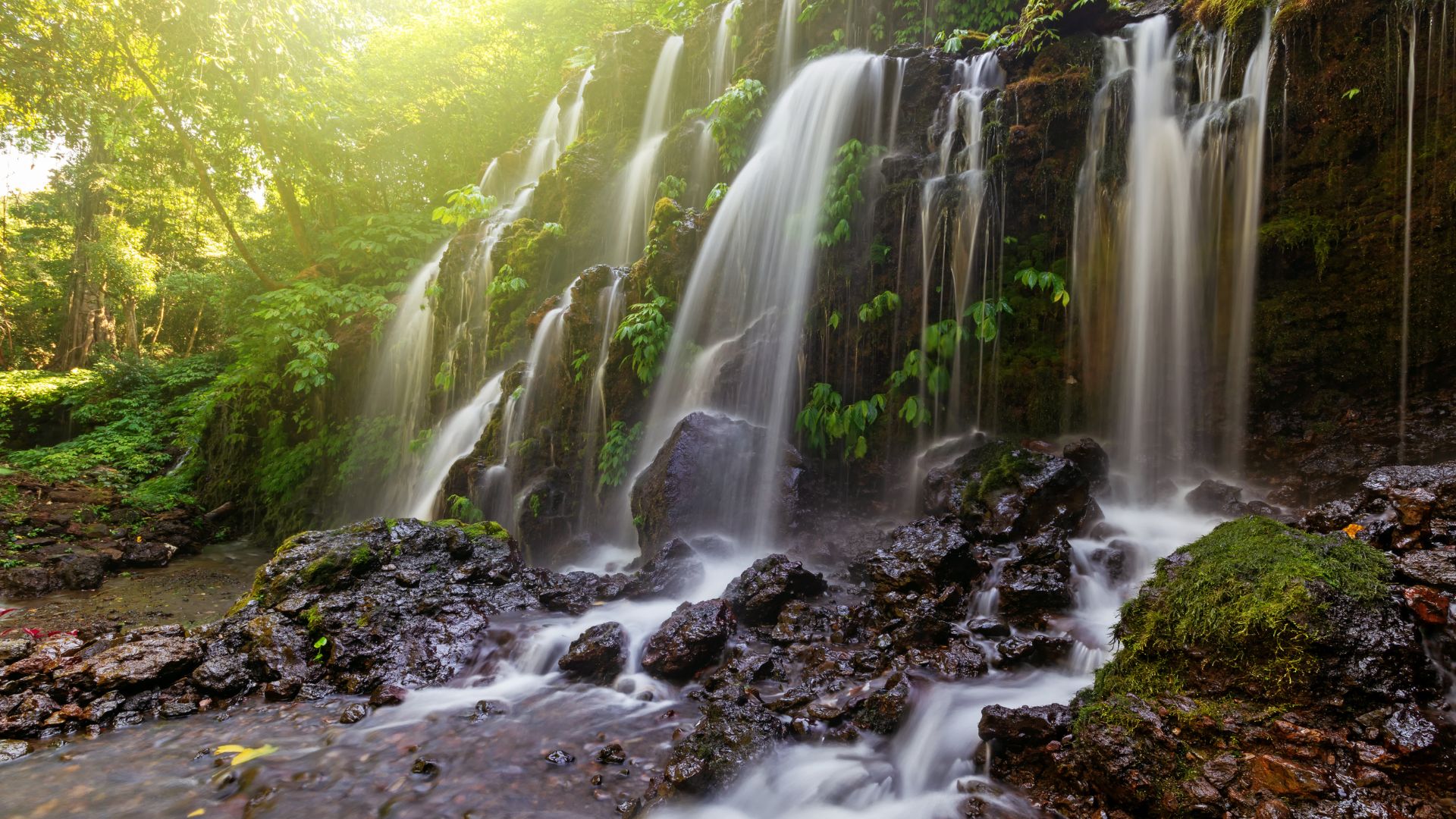
The dry season is great for outdoor fun, with little rain and lots of sun. May, June, and September are the best months for weather. You can easily enjoy beaches, temples, and hikes with clear skies and comfy temperatures.
Wet Season Considerations from November to March
The rainy season isn’t a total no-go. Rain falls in short, intense showers, not all day. The rain makes Bali lush and green, and the humidity adds to the tropical feel.
Traveling in the wet season has its perks: fewer people, lower prices, and lush landscapes. It’s a quieter, more authentic time to explore Bali.
Peak Season vs. Shoulder Season Travel
Deciding between peak and shoulder season travel affects your budget and experience. The number of tourists changes a lot, impacting prices and wait times.
July and August Peak Tourist Periods
These months see the most visitors. Expect busy beaches, full restaurants, and high hotel prices. Book early if you’re traveling then.
April, May, September, and October Sweet Spots
These shoulder months offer great weather, fewer crowds, and better prices. They’re ideal for travelers who want value without sacrificing the best of Bali.
Festival and Cultural Event Calendar
Visiting during Balinese festivals adds depth to your trip. Two major celebrations are key for their cultural significance and impact on travel.
Nyepi Day: Bali’s Day of Silence
This New Year celebration means complete silence for 24 hours from 6 AM to 6 AM. Everyone stays indoors, and flights and streets are empty. It’s a unique experience worth planning for.
Galungan and Kuningan Celebrations
These festivals celebrate good over evil, with stunning bamboo poles called penjor. Streets are decorated, and ceremonies fill the air with music. Visiting during Galungan offers a true look at Balinese traditions.
Understanding Bali Visa Requirements for Travelers
Getting a visa for Bali is easy for travelers. There are many options for different trip lengths and reasons. We’ll guide you through the legal and hassle-free ways to enter Indonesia.
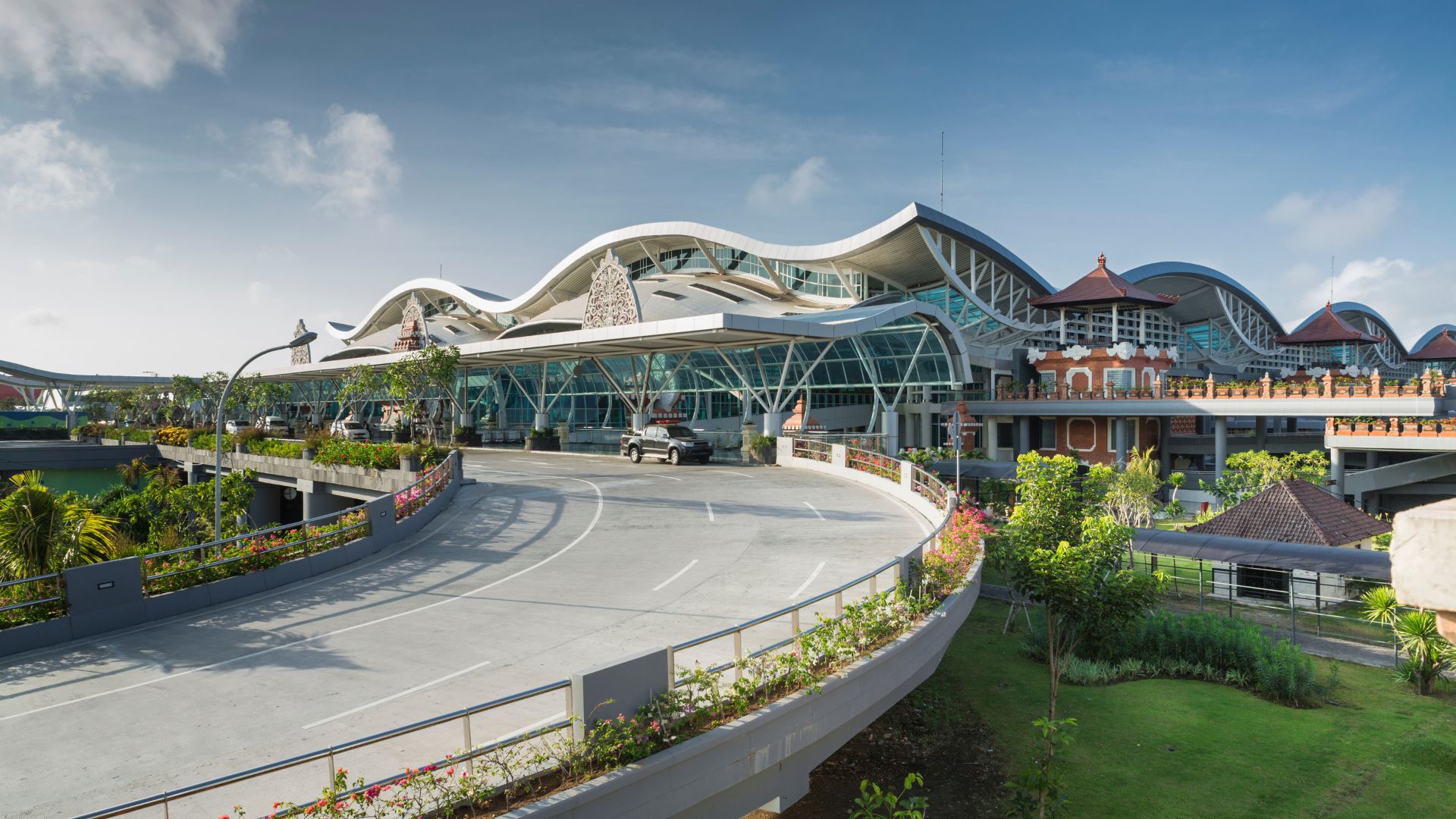
Travelers from over 90 countries, including the US, can get a B1 Visit Visa. This is available through the visa on arrival system. You can apply online before you leave or at Ngurah Rai International Airport when you arrive.
All international visitors must pay the Bali Tourist Tax of IDR 150,000 (about $10 USD). This fee started on February 14, 2024. It helps support local tourism and cultural preservation.
Visa on Arrival Process
The visa on arrival is the most popular choice for travelers in Bali. It’s easy to get at the airport without any paperwork beforehand.
Step-by-Step Application at Ngurah Rai Airport
Here’s how to get your visa at Ngurah Rai International Airport:
- Go to the Visa on Arrival counter before immigration
- Fill out the application form with your travel details
- Give your passport and supporting documents to the officer
- Pay the visa fee at the payment counter
- Get your visa stamp and go through immigration
The whole process takes 15-30 minutes, depending on how busy it is. Have all your documents ready to make it faster.
Required Documents and Fees
To get your visa on arrival, you need to show:
- A valid passport with at least 6 months validity from your arrival date
- Proof of onward or return travel (flight ticket)
- Proof of accommodation (hotel reservation or address)
- Visa fee payment (currently IDR 500,000 or about $35 USD)
The visa on arrival lets you stay for 30 days. You can extend it for another 30 days. This is great for most vacation plans.
Visa-Free Entry Options
US travelers have visa-free entry options too. But, knowing the limits of each option helps you choose the best for your trip.
30-Day Visa-Free Stay Eligibility
US citizens can enter Bali without a visa for tourism. This option allows a maximum 30-day stay with no application fees.
The main difference is that visa-free entries cannot be extended. If you might want to stay longer than 30 days, choose the visa on arrival instead.
Entry and Exit Requirements
Even with visa-free entry, you must meet certain requirements:
- Passport valid for at least 6 months beyond your arrival date
- Confirmed return or onward ticket within 30 days
- Proof of enough money for your stay
- Entry through designated international airports or seaports
Immigration officers might ask to see your accommodation and financial means. Keep these documents ready during your trip.
Extended Stay Visa Information
Planning to stay in Bali for more than 60 days? You’ll need to look into different visa options for longer visits.
Social-Cultural Visa for Longer Visits
The B211A Social-Cultural Visa (also called the Visit Visa) is for extended stays beyond 60 days. You must arrange this before you depart for Indonesia.
You’ll need to apply through an Indonesian embassy or work with a licensed sponsor in Indonesia. The B211A grants 60 days initially and can be extended up to four times, for a total stay of up to 180 days.
Visa Extension Process in Bali
If you’re already in Bali on a visa on arrival and want to extend your stay, here’s what to do:
- Visit the immigration office in Denpasar at least one week before your visa expires
- Bring your passport, arrival card, proof of accommodation, and extension fee (approximately IDR 500,000)
- Submit your application and biometric data
- Allow 7-10 business days for processing
During the extension process, immigration may hold your passport. Plan your activities and avoid booking flights that require ID during this time.
Getting Around Bali: Transportation Options
Mastering Bali’s transportation system opens up the island’s secrets. You can pick from many options that fit your style and budget. Whether you ride a scooter or take a car with a driver, each way has its own charm.
Renting a Scooter or Motorbike
Scooters give you freedom to explore Bali’s streets and hidden beaches. You can rent them in tourist spots for a low cost. Shops are near hotels and major roads in places like Seminyak and Ubud.
International Driving Permit Requirements
For motorbike rental up to 150cc, you need your driver’s license and an International Driving Permit. Get your IDP before you go from AAA or online services. Riding without it can lead to fines or trouble with traffic police.
Daily Rental Rates and Safety Tips
Renting a scooter costs between USD 3 to USD 6 a day. Always wear a helmet and check the scooter before riding. Drive carefully, as Bali’s traffic can be chaotic. Remember, traffic goes on the left side.

Hiring Private Drivers and Car Rentals
Hiring a private driver in Bali is a great way to see the island without worrying about directions. It’s perfect for families or those who prefer comfort. Your hotel can help find a trusted driver, or book through reputable companies.
Full-Day Driver Costs and Benefits
A full-day private driver service costs about USD 35 to USD 100 for 8-10 hours. This includes the vehicle, fuel, and driver but not entrance fees or meals. You get a customized itinerary, door-to-door service, and can store purchases safely. Drivers often share cultural insights and photography tips.
Recommended Rental Companies in Bali
Companies like Vibi Bali Transport, Klook, and hotel concierge services offer reliable drivers. Read recent reviews and confirm the vehicle type before booking. Drivers often accept cash at the end of your day, though some require advance payment.
Using Ride-Sharing Apps and Taxis
Ride-sharing apps like Gojek and Grab make getting around Bali easy and affordable. They offer clear pricing without haggling. These apps are available in major tourist areas and provide both scooter and car options.
Gojek and Grab App Navigation
Download Gojek and Grab apps before your trip. Registration requires a phone number, and you can pay with cash or a credit card. A 15-minute car ride costs USD 2-4. The apps show your driver’s photo, vehicle details, and location for safety.
Bluebird Taxi Reliability
Bluebird taxis are the best choice for traditional taxi service in Bali. They have distinctive blue color and professional drivers. Be careful of imitation taxis—genuine Bluebird vehicles have clear branding and meters on the dashboard.
Navigating Local Bemos and Shuttle Services
For a budget-friendly and authentic experience, try bemos and tourist shuttles. These shared services connect major towns and tourist spots at fixed prices. They offer cultural immersion and a chance to meet locals and other travelers.
Bemo Routes Between Major Towns
Bemos are traditional minibuses that follow set routes between towns like Denpasar and Ubud. They depart when full, so be patient and flexible. Routes can be confusing, so ask locals or your accommodation staff for help. Fares are very low, usually under USD 2.
Tourist Shuttle Services from Kuta to Ubud
Companies like Perama and Kura-Kura Bus offer scheduled shuttle services. They connect popular spots like Kuta, Seminyak, Ubud, and Sanur. Tickets cost USD 5-15, and you can book online or through travel agencies. Shuttles run several times a day with designated pickup points.
Where to Stay: Bali Accommodation Options
Bali has amazing places to stay for all budgets and travel styles. You can choose from luxury resorts to cozy homestays. Your stay can be by the beach, in the heart of culture, or with other travelers.
Use Booking.com and Airbnb to find your perfect place. They have verified reviews, flexible policies, and great prices.
Luxury Bali Resorts for Ultimate Relaxation
For top comfort, check out Bali’s luxury resorts. They offer amazing service, beautiful design, and ways to relax. Prices range from USD 170 to USD 400+ based on the season and room type.
Five-Star Resorts in Nusa Dua
Nusa Dua is Bali’s luxury spot. It has beautiful beaches, golf, and top resorts like The St. Regis Bali Resort, Grand Hyatt Bali, and Mulia Resort.
These places are great for honeymoons and anniversaries. They offer all-inclusive deals, private beaches, and great spas.
Private Villa Options in Seminyak and Canggu
Private villas in Bali offer privacy and luxury. In Seminyak, find romantic villas for couples. Canggu has big villas for groups or families.
These villas are good value for groups. They come with staff, chefs, and security.
Ubud’s villas offer nature and culture. Kamandalu Ubud, Four Seasons Resort Bali at Sayan, and Viceroy Bali have stunning views. They offer yoga, organic food, and wellness programs.
Kuta Beach Resorts and Surf-Side Stays
Kuta resorts are close to the beach and airport. They’re perfect for families, first-timers, and surfers. Enjoy the beach, waves, and nightlife.
Beachfront Properties in Kuta and Legian
Hard Rock Hotel Bali, Padma Resort Legian, and Discovery Kartika Plaza Hotel are by the beach. They have pools, kids’ clubs, and are near shops and restaurants. Prices are USD 80-200 per night.
The Kuta-Legian coast is famous for sunsets. Walk the beach to see vendors, performers, and places to eat.
Surf Camp Accommodations
Surf camps offer lessons and gear. They’re for those who love the beach and surfing. Prices are USD 30-60 per night and include lessons and breakfast.
Stay in dorms or shared rooms to meet other surfers. They plan group trips to different surf spots.
Budget-Friendly Guesthouses and Hostels
Bali has affordable places to stay. Backpackers and budget travelers find real experiences in homestays and hostels.
Ubud Guesthouse Neighborhoods
Ubud’s homestays and guesthouses are affordable. They cost USD 15-30 per night and include breakfast. Living with locals gives you a unique view of Bali.
Hosts share tips on local spots and events. It’s a chance to learn about Bali’s culture.
Social Hostels in Canggu and Seminyak
Tribal Bali, Kosta Hostel, and The Farm Hostel are for young travelers and digital nomads. They have kitchens, workspaces, and activities like surfing and yoga. Prices vary.
These hostels are great for making friends. Many people stay longer because of the friendly atmosphere. These places offer more than a place to sleep; they create lasting connections.
Must-Visit Destinations and Bali Tourist Attractions
Bali is full of amazing places that show off its beauty and culture. We’ve gathered key info on top bali tourist attractions for unforgettable trips. Each spot has its own charm, appealing to different travelers.
The island offers a mix of ancient temples, volcanic peaks, and beach clubs. Spend enough time at each spot to enjoy what they offer.
| Destination | Main Attractions | Best Visiting Time | Activity Level |
|---|---|---|---|
| Ubud | Monkey Forest, Rice Terraces, Art Markets | Early morning (7-9 AM) | Easy to Moderate |
| Mount Batur | Sunrise Trek, Hot Springs, Volcanic Views | Pre-dawn (4 AM start) | Moderate to Challenging |
| Nusa Penida | Kelingking Beach, Angel’s Billabong, Broken Beach | Full day (8 AM-5 PM) | Moderate |
| Seminyak | Beach Clubs, Fine Dining, Sunset Views | Late afternoon to evening | Easy |
Cultural Heart and Artistic Treasures
Ubud is Bali’s cultural and artistic heart. It offers deep experiences that connect you with traditional culture. Here are some ubud travel tips to help you explore this enchanting area.
Sacred Monkey Forest Sanctuary Visit
The Sacred Monkey Forest is home to over 700 Balinese monkeys. Visit early morning, between 8:30-10:00 AM, to avoid crowds. Keep all belongings in zippered bags to avoid losing items to the monkeys.
The forest has three ancient temples, creating a mystical feel. You can take photos, but keep a respectful distance from both monkeys and temples.
Tegalalang Rice Terraces Photography
Tegalalang is one of Bali’s most photographed spots. The entrance fee is about 20,000 IDR per person. There are giant swings for amazing photos, but they cost extra.
Photography is best during the golden hour, between 7-9 AM. Wear comfortable shoes for the stairs and uneven paths.
Ubud Art Markets and Gallery Tours
Pasar Seni Ubud is open daily, selling local crafts and souvenirs. Bargain prices are expected. Nearby villages like Mas and Celuk offer authentic artisan experiences.
Volcanic Adventure and Natural Wonders
Mount Batur’s sunrise trek is a top outdoor activity. Our mount batur hiking guide has all you need for this early morning adventure. The summit offers stunning views of Lake Batur and volcanic landscapes.
Preparing for the Pre-Dawn Hike
Tours start with 3-4 AM pickup. Booking a licensed guide is mandatory for safety. Eat a light breakfast and get enough sleep for the hike’s demands.
What to Bring for Summit Success
Here’s what you need for your trek:
- Warm layers for the summit
- Comfortable hiking shoes
- Headlamp or flashlight
- At least one liter of water
- Energy snacks
- Camera with charged batteries
- Small cash for entrance fees
Post-Hike Hot Springs Relaxation
Visit Toya Devasya or Batur Natural Hot Spring after descending. These pools offer lake views and restaurant facilities. The volcanic heat and mineral-rich water are therapeutic after the climb.
Island Paradise Off the Mainland
Nusa Penida is a top destination for stunning coastal views. Plan nusa penida day trips with ferry schedules in mind. The island’s rugged beauty contrasts with Bali’s mainland.
Kelingking Beach Cliff Views
Kelingking Beach is famous for its T-Rex-shaped cliff. The viewpoint is safe for photos, but the beach descent is challenging. Only attempt the descent if you’re physically fit.
Angel’s Billabong and Broken Beach
These formations are on the island’s western coast. Angel’s Billabong is a crystal-clear pool during low tide. Broken Beach has a circular cove with a rock archway.
Check tide schedules before visiting Angel’s Billabong, as high tide is dangerous for swimming.
Ferry Transportation from Sanur
Fast boats leave from Sanur Beach in the morning. The trip takes 30-45 minutes. Book the earliest departure to make the most of your island time. Return ferries run until 4-5 PM. A local driver can help you get around.
Sophisticated Coastal Lifestyle
Seminyak is Bali’s upscale area with world-class dining and entertainment. The seminyak beach clubs offer refined tropical experiences. The west-facing coastline guarantees spectacular sunset views every evening.
Potato Head Beach Club Experience
Potato Head is Seminyak’s iconic beach club. It has stunning design, infinity pools, and direct beach access. DJs perform regularly, creating an electric atmosphere. Arrive before 4 PM for sunset cocktails. The club offers full restaurant service.
Fine Dining Restaurant Recommendations
Seminyak has some of Indonesia’s finest restaurants. Merah Putih offers modern Indonesian cuisine in a bamboo structure. Sarong serves Asian fusion with impeccable presentation. Metis combines French-Mediterranean flavors with tropical elegance. Reservations are essential during peak season.
Sunset Viewing Spots Along the Coast
The stretch from Double Six Beach to Petitenget Beach offers many sunset spots. Beach bars and clubs line the shore, each with its own vibe. La Plancha has colorful beanbags on the sand, while Ku De Ta offers refined lounge settings. Arrive 30 minutes before sunset to secure your spot.
Experiencing Balinese Culture and Customs
Exploring Balinese culture and customs makes your visit special. The island’s spiritual vibe shapes daily life. Most people follow a unique Hinduism that mixes Indian and local traditions.
Bali has new rules for tourists at religious sites and cultural events. These guidelines help you respect the island’s spiritual heritage. Learning and following local customs makes your visit better for everyone.
Bali Temple Tours and Sacred Sites Etiquette
Visiting Bali’s temples gives deep insights into the island’s spirit. Each temple has its own rules to keep it sacred. It’s wise to learn basic temple etiquette before you go.
The iconic sea temple sits dramatically on the western coast. At low tide, you can walk to the base and get blessings. The temple is a top spot for photos as the sun sets behind it.
Arrive 1-2 hours before sunset to see the grounds and get a good spot. Non-Hindu visitors can’t enter the main temple, but the views are amazing. The setting is unforgettable.
Uluwatu Temple and Kecak Dance Performance
Uluwatu Temple is on cliffs above the Indian Ocean. It’s known for its natural beauty and cultural shows. The monkeys there add to the fun, but watch your stuff.
Book dance show tickets early in peak season to get a seat. Arriving early gives you better views of the temple and the amphitheater. The sunset, dance, and ocean views make for magical moments.
Tirta Empul Holy Water Temple Purification
This temple lets visitors join in purification rituals with locals. The holy water flows through fountains with spiritual meanings. It’s important to follow the proper steps with respect.
Wear a sarong and enter the pools with respect. Move through the fountains while praying or setting intentions. A local guide can help you understand the ritual’s meaning and how to participate correctly.
Proper Sarong and Sash Requirements
Wearing modest dress, including sarongs, is required at temples. Sarongs cover your legs from waist to ankles. Most temples offer sarongs for rent, but buying your own is more convenient and authentic.
Some temples don’t let menstruating women in due to spiritual purity. This tradition reflects Hindu beliefs about sacred spaces. Knowing this before you go helps avoid awkward situations.
Traditional Ceremonies and Offerings
Balinese traditions are seen in daily offerings across the island. These practices connect people with spiritual forces. Watching these customs gives insight into the island’s soul.
Understanding Daily Canang Sari Offerings
Small palm-leaf baskets filled with flowers, rice, and incense are everywhere. These colorful daily offerings honor the supreme god and ward off negative forces. They show gratitude and maintain spiritual balance in Balinese Hindu belief.
Be careful not to step on these offerings. Locals make new ones many times a day, showing their devotion. The canang sari is a beautiful reminder of Bali’s spiritual dedication.
Participating in Village Ceremonies Respectfully
Villages often have temple celebrations, cremations, and life-cycle ceremonies. If invited, dress properly and be quiet. These are real religious events, not shows for tourists.
Always ask before taking photos of ceremony participants or sacred moments. Your respectful presence honors Balinese traditions and offers a chance for real cultural exchange. Many travelers say attending ceremonies is their most memorable experience.
Respectful Dress Codes and Behavior
Beyond temples, Bali has general dress codes and customs. Following these shows respect and improves your interactions with locals. Here are some key etiquette tips for your trip.
Appropriate Clothing at Temples and Villages
Wear modest clothes that cover your shoulders and knees. Avoid tank tops, shorts, and revealing outfits. Choose lightweight, breathable fabrics that keep you cool and modest.
Even outside temples, dressing conservatively is appreciated. You don’t have to sacrifice style—there are many modest yet stylish options for Bali’s climate. Your thoughtful wardrobe choices show respect for Balinese culture.
Photography Etiquette at Sacred Sites
Always ask permission before taking photos of people, including during ceremonies or at temples. Flash can disturb the atmosphere, so avoid it in temple interiors. Some places don’t allow photography at all.
Respect all “no photography” signs. Capturing moments through respectful observation can create deeper memories than photos. Your sensitivity to photography boundaries shows respect for sacred spaces and private moments.
Left Hand Taboos and Greeting Customs
In Indonesian and Balinese culture, the left hand is considered unclean. Always use your right hand for eating, giving or receiving items, and gesturing. This includes money exchanges, accepting offerings, and shaking hands.
The traditional Balinese greeting involves pressing hands together in prayer position while saying “Om Swastiastu.” Handshakes are okay in tourist areas, but learning the traditional greeting shows cultural appreciation and respect. These small gestures help you connect with locals during your travels.
Culinary Journey Through Balinese Cuisine
Bali’s food scene is a journey through spices and modern tastes. Unlike most of Indonesia, Bali’s Hindu majority means pork and vegetarian dishes are big here. Exploring Balinese cuisine lets you see the island’s culture and rich land.
Traditional Balinese Dishes to Try
Traditional Balinese food is known for bold spices and fresh ingredients. Start your food journey with these three dishes that show off local cooking.
Babi Guling: Balinese Roast Pork
This dish is a whole pig stuffed with spices, then spit-roasted until golden. It’s served with rice, veggies, and lawar (mixed veggies with coconut).
Try it at Ibu Oka in Ubud or Pak Malen in Seminyak. It’s affordable, costing USD 3-5.
Nasi Goreng and Mie Goreng Staples
Nasi Goreng is fried rice with a fried egg, veggies, and protein. Mie Goreng is the same but with noodles.
These dishes are everywhere in Bali. Warungs charge USD 2-4, while fancy places offer upgraded versions.
Sate Lilit: Minced Seafood Satay
This satay is made with minced fish, coconut, lime leaves, and spices. It’s grilled on lemongrass sticks or bamboo.
It’s different from other satays because of the coconut and lime. The flavors are refreshing.
Street Food Safety and Recommendations
Street food in Bali is a great way to find authentic flavors at low prices. Embrace local food while staying safe.
Choosing Clean and Busy Warungs
Warungs are small family restaurants with affordable local meals. Look for these signs of quality and safety:
- High customer turnover means fresh food
- Visible cooking areas should be clean
- Food should be cooked well and served hot
- Use bottled or boiled water only
- Busy places with locals are usually safe
Trust your gut about cleanliness. Places with lots of locals are often good choices.
Night Markets in Gianyar and Denpasar
Night markets in Gianyar and Denpasar offer a real food adventure. Gianyar’s market opens at 5 PM and is known for Babi Guling and local dishes.
Denpasar markets have a wide variety, including seafood, satays, and desserts. Bring small bills, try small portions, and enjoy the adventure.
Fine Dining in Seminyak and Ubud
Bali’s fine dining is on par with the world’s best, found mainly in Seminyak and Ubud. We highlight restaurants where chefs innovate with traditional flavors.
Modern Indonesian Cuisine Restaurants
In Seminyak, try Merah Putih for modern Indonesian in stunning settings. Sarong offers Asian fusion with Indonesian touches, and Mamasan serves modern Asian sharing plates. These places use local ingredients and modern techniques.
Main courses cost USD 15-30. Book ahead for weekend dining.
Farm-to-Table Dining Experiences in Ubud
Ubud focuses on sustainability and local ingredients. Locavore is Bali’s top restaurant, offering innovative tasting menus with seasonal produce.
Moksa is known for plant-based fine dining with a permaculture garden. Swept Away combines organic ingredients with a riverside setting.
Prices for mains or tasting menus are USD 20-60+. The quality and experience are worth it. Book Locavore early as it’s very popular.
Essential Bali Travel Information Guide Tips
We’ve covered the major destinations and cultural experiences. Now, let’s talk about everyday situations. From managing your money to staying healthy and connected, these tips will help your trip go smoothly. Here’s the key information you need before and during your visit.
Money Matters and Currency Exchange
Indonesia uses the Indonesian Rupiah (IDR). The large numbers can confuse visitors. Exchange rates are around 15,000-16,000 IDR per USD, but they change daily. A nice dinner might cost 150,000-300,000 IDR, which is about USD 10-20.
Indonesian Rupiah Exchange Rates
Exchange money at authorized places, not street vendors. Check rates at different places before you exchange. Bali’s tourist areas have good rates, like Seminyak and Ubud.
ATM Locations and Fees to Expect
ATMs are common in tourist areas but rare in remote places. Carry enough cash when exploring off the beaten path. ATM withdrawal fees are USD 5-7 per transaction, plus foreign transaction fees from your bank.
Daily withdrawal limits are 2-3 million IDR. Always tell your bank you’re traveling to avoid card blocks.
Credit Card Acceptance in Tourist Areas
Visa and Mastercard work well in hotels, restaurants, and big shops in Seminyak, Ubud, and Sanur. But, cash is key at local places. Some places charge a 2-3% fee for credit card payments.
Health and Safety Precautions
Staying healthy is important. We recommend preparing and taking precautions before you go.
Travel Insurance Recommendations
Get travel insurance for medical emergencies, evacuation, trip cancellation, and adventure activities. Bali has good medical facilities, but costs can be extremely expensive without insurance. Medical evacuation to Singapore or Australia for serious conditions could cost tens of thousands of dollars.
Bali Belly Prevention and Treatment
Bali belly is common, causing diarrhea and stomach upset. Drink only bottled or purified water and avoid ice in drinks outside reputable places. Eat cooked food and wash your hands often.
If you get sick, stay hydrated and use over-the-counter meds like Imodium. Local pharmacies have good remedies. See a doctor if symptoms last more than 2-3 days or get worse.
Mosquito Protection and Dengue Awareness
Dengue fever is a risk in Bali, spread by Aedes mosquitoes. Use DEET-based repellent with at least 20% concentration. Wear long sleeves and pants at dawn and dusk.
Choose accommodations with air conditioning or screens. Consider mosquito nets for budget places. Dengue symptoms include high fever, severe headache, and joint pain, needing immediate medical help.
Communication and Internet Access
Staying connected helps you navigate and share your trip. Getting a local sim card and understanding WiFi options makes communication easy.
Purchasing Local SIM Cards at the Airport
Ngurah Rai Airport has many telecom provider kiosks selling tourist SIM packages. Telkomsel has the best coverage across Bali. Packages offer 1-10 GB data for USD 5-15, valid for 7-30 days.
Bring your passport for registration and ensure your phone is unlocked. Ask staff to install and test the SIM before leaving.
WiFi Availability in Accommodations and Cafes
Most places offer free WiFi, but speeds vary. Coworking spaces in Canggu and Ubud have faster, more reliable connections for digital nomads.
Packing Essentials for Your Bali Trip
Packing smart makes your trip more comfortable and prepared. Focus on lightweight, versatile items that serve multiple purposes.
Lightweight Clothing and Swimwear
Choose breathable fabrics like cotton and linen for Bali’s humidity. Bring multiple swimsuits to dry between uses. Include beach cover-ups, casual clothes for the day, and a few dressier outfits for nicer places.
Reef-Safe Sunscreen and Insect Repellent
Use reef-safe sunscreen with SPF 30+ to protect coral reefs. Bring DEET-based repellent for mosquito protection. These items are available in Bali but often cost more than buying before you go.
Temple Visit Sarong and Modest Clothing
Sarongs are needed at temples. Bringing your own is convenient. Pack modest clothing covering shoulders and knees to respect local culture. Don’t forget a light rain jacket, comfortable shoes, flip-flops, hat, sunglasses, and a power adapter for Type C/F plugs (220V).
Conclusion
We’ve looked at key parts of bali travel planning for an amazing indonesia vacation. From visa rules to secret waterfalls, Bali offers unforgettable experiences. These moments change how we see the world.
Bali is special because old traditions meet modern life here. The island’s true spirit is alive for those who explore beyond tourist spots. Places like Seminyak, Uluwatu, and Canggu show Bali’s modern side. But, the real heart of Bali is in local villages and ceremonies.
Travel with curiosity and respect. Talk to locals and find hidden spots. Support family-owned shops and local artists. Your trip should include surprises that aren’t in guidebooks.
Traveling well means connecting with cultures. Be respectful at temples and join in local events. Balinese kindness is something we should value and return.
Need help planning your indonesia vacation? Contact Vibi Bali Travel News. They offer local insights to help you see Bali like a local. Email them at contact@vibibali.com, call 08980158629, or visit their office at Jl. Katrangan Gang V No. 18B Denpasar Bali.
Your adventure in Bali is waiting. Go with an open heart, respect its traditions, and let Bali’s magic unfold at your pace.
FAQ
What is the best time to visit Bali for US travelers?
April, May, September, and October are the best months to visit Bali. The weather is great, and there are fewer crowds. You’ll also find better deals on accommodations.