

Welcome to a spiritual journey through Indonesia’s most enchanting island. We invite you to explore ancient sanctuaries that blend nature with devotion.
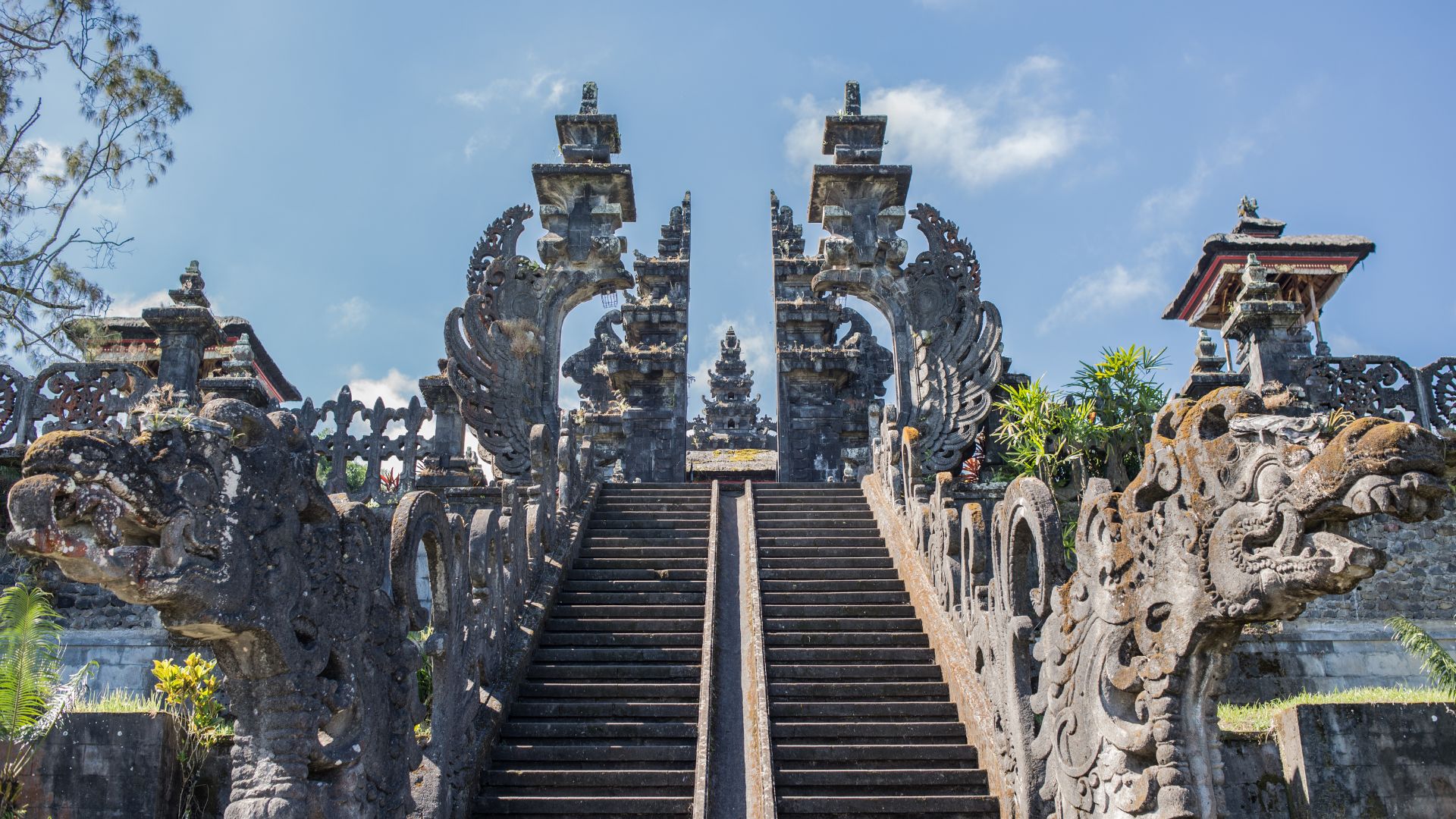

These sacred sites offer more than just photo opportunities. They provide profound cultural immersion and personal transformation for every visitor.
From seaside cliffs to mountain peaks, each location tells a unique story. The architecture reflects centuries of tradition and spiritual practice.
Our guide helps you experience these wonders with respect and understanding. Prepare to discover why these destinations remain essential tourist attractions for global travelers.
Understanding Bali’s Temple Culture and Significance
Bali’s temples are where spirituality meets daily life in perfect harmony. These sacred places are the heart of Balinese culture. They are centers for worship, celebration, and community connection. Knowing their importance helps us see the depth of the island’s spiritual traditions.
The Role of Temples in Balinese Hinduism
Temples in Bali are more than places for prayer. They connect humans with the divine in Balinese Hinduism. Each temple is a meeting point for heaven and earth.
These spaces host ceremonies for important life events and seasonal changes. They also honor ancestral spirits. Temples bring communities together through shared rituals.
Religion is deeply woven into daily life in Bali. Temples are key to understanding Balinese culture. They keep ancient wisdom alive while embracing modern changes.
Three Types of Temples: Kahyangan, Desa, and Dalem
Balinese temples are divided into three types. Kahyangan temples protect the island from spiritual threats. They are directional temples.
Desa temples serve specific villages and communities. They handle local religious affairs and ceremonies. Every Balinese person connects with their village temple throughout life.
Dalem temples focus on death and cremation rituals. They honor the goddess Durga and help souls transition peacefully. These temples complete the cycle of life in Balinese culture.
Architectural Elements of a Bali Temple
Balinese temple architecture follows ancient principles. Each structure has deep spiritual meaning. The design reflects the Balinese Hindu concept of balancing opposing forces.
The meru represents Mount Meru, the cosmic center of Hindu mythology. These multi-tiered shrines show status through their odd number of roofs. The highest meru honors the temple’s primary deity.
Candi bentar are the split gates that mark temple entrances. They symbolize the division between physical and spiritual realms. Passing through these gates means leaving worldly concerns behind.
Paduraksa are covered gateways leading to innermost temple areas. These structures protect the most sacred spaces from negative influences. They often feature intricate carvings of mythological creatures.
Understanding these elements shows the sophistication of temple architecture. Each part adds to the spiritual experience of Balinese culture.
Essential Preparations for Your Bali Temple Tour
Getting ready for temple visits in Bali makes them more than just sightseeing. It turns them into deep cultural experiences. We’ll show you what you need before you enter Bali’s sacred places.
How to Dress Appropriately for Temple Visits
Balinese temples have strict dress codes to show respect. Both men and women must wear clothes that cover their shoulders and knees.
Sarongs and sashes are a must at most temples. Many temples offer rentals for a small donation. You can also buy your own at local markets.
Choose clothes that are light, breathable, and modest. Avoid tight or revealing clothes that might disrupt the spiritual vibe.
Items to Bring and What to Leave at Your Hotel
Pack lightly but wisely for your temple trips. Bring drinking water, sunscreen, and a small umbrella for sudden rain.
Carry small change for donations and offerings. Many temples appreciate voluntary contributions for upkeep.
Leave expensive jewelry and electronics at your hotel. Also, avoid bringing leather items into temples, as they’re seen as impure in Balinese Hinduism.
Physical Preparation and Health Considerations
Stay hydrated in Bali’s hot climate. Drink water often to avoid heat exhaustion.
Wear comfy walking shoes with good grip. Temple paths and steps can be uneven.
Think about your physical limits when planning. Some temples have lots of steps or long walks.
If you have mobility issues, check temple accessibility first. Many offer easier routes or places to rest.
How to Visit Sea Temples: Coastal Spiritual Guardians
Bali’s coastal temples are breathtaking. They mix stunning ocean views with deep religious meaning. These sea temples guard the island’s coast and are among Indonesia’s top sights. Each temple offers a special mix of spirituality and natural beauty.
Step-by-Step Guide to Visiting Tanah Lot Temple
Tanah Lot is a top photo spot in Bali. It looks like it’s floating on the sea at high tide. Visit during low tide to walk to the temple.

The best views are from the mainland cliffs. Get there 2 hours before sunset for the best light and fewer people. There’s parking with a small fee.
The inner temple is for worship. But you can explore the area and enjoy the cultural park. You’ll find food and souvenirs near the entrance.
Exploring Uluwatu Temple: Timing and Tide Considerations
Uluwatu Temple sits on a 70-meter cliff overlooking the Indian Ocean. It’s a stunning example of a coastal temple. Catch the Kecak fire dance at sunset for a memorable experience.
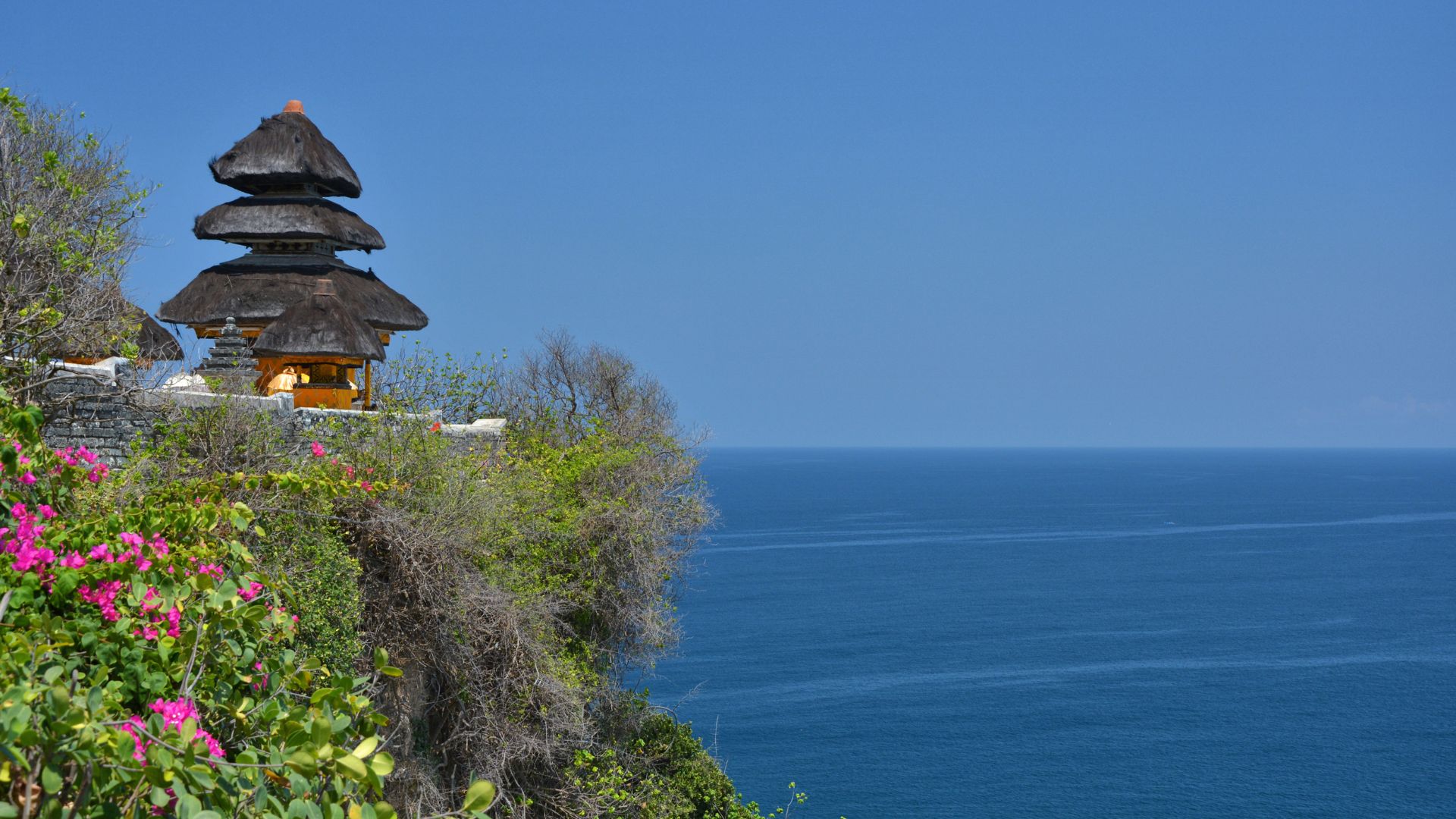
The dance is at sunset every day, but times change with the seasons. Buy tickets early in busy times. Watch out for monkeys trying to steal things.
Uluwatu isn’t affected by tides because it’s on a cliff. But sunset is the best time to visit. The views are amazing no matter the tide.
Other Coastal Temples and Their Visiting Procedures
Bali has many coastal temples beyond the famous ones. Pemuteran Temple in northwest Bali is a hidden gem. It’s a beautiful place to explore.
Rambut Siwi Temple has unique architecture and strong ocean energy. Dress modestly and bring offerings. You can rent a sarong and sash if needed.
These temples are spiritually significant in Indonesia. Each has its own visiting hours and ceremonies. Check local info before you go.
Visiting coastal temples in Bali is unforgettable. They show the island’s rich culture. These landmarks inspire both locals and visitors.
Navigating Mountain Temples: Reaching Toward the Gods
Bali’s mountain temples are key to the island’s spiritual heart. These sacred temples sit high, offering stunning views and a deep connection to Balinese Hinduism. We’ll explore three amazing mountain sanctuaries that need careful planning and respect.
How to Properly Visit Besakih Mother Temple
Besakih Temple is Bali’s top religious site. It’s on Mount Agung’s slopes. You’ll need a local guide to explore the vast complex and learn about the rituals.
There are strict dress codes. You must wear sarongs and sashes to cover your legs and waist. Check with your guide for the best times to visit. Always speak softly and don’t point at the shrines.
Ulun Danu Bratan: Best Times and Access Methods
Ulun Danu Bratan is a water temple on Lake Bratan’s shore. The best time to visit is early morning, between 7-9 AM. You’ll miss the crowds and see the temple’s reflection on the water.
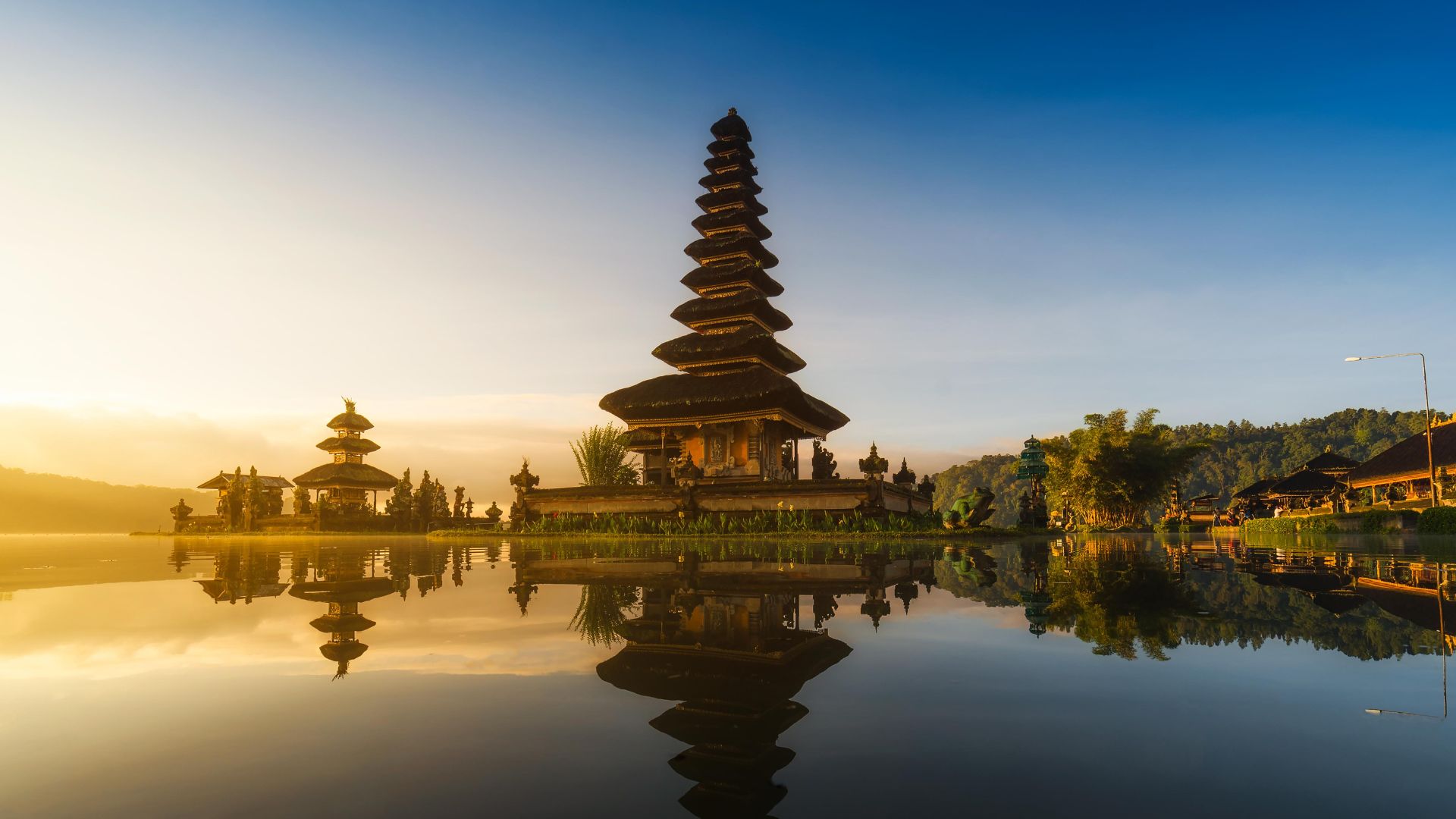
To get there, you might need a boat ride in high water seasons. It’s cooler up here, so bring a light jacket. If you love photography, use a polarizing filter to reduce glare on the water.
Lempuyang Temple: The Gateway to Heaven Visit Guide
Lempuyang Temple is a challenge with its 1,700 steps. Start early to beat the heat and bring enough water. The famous “Gateway to Heaven” photo spot gets busy fast.
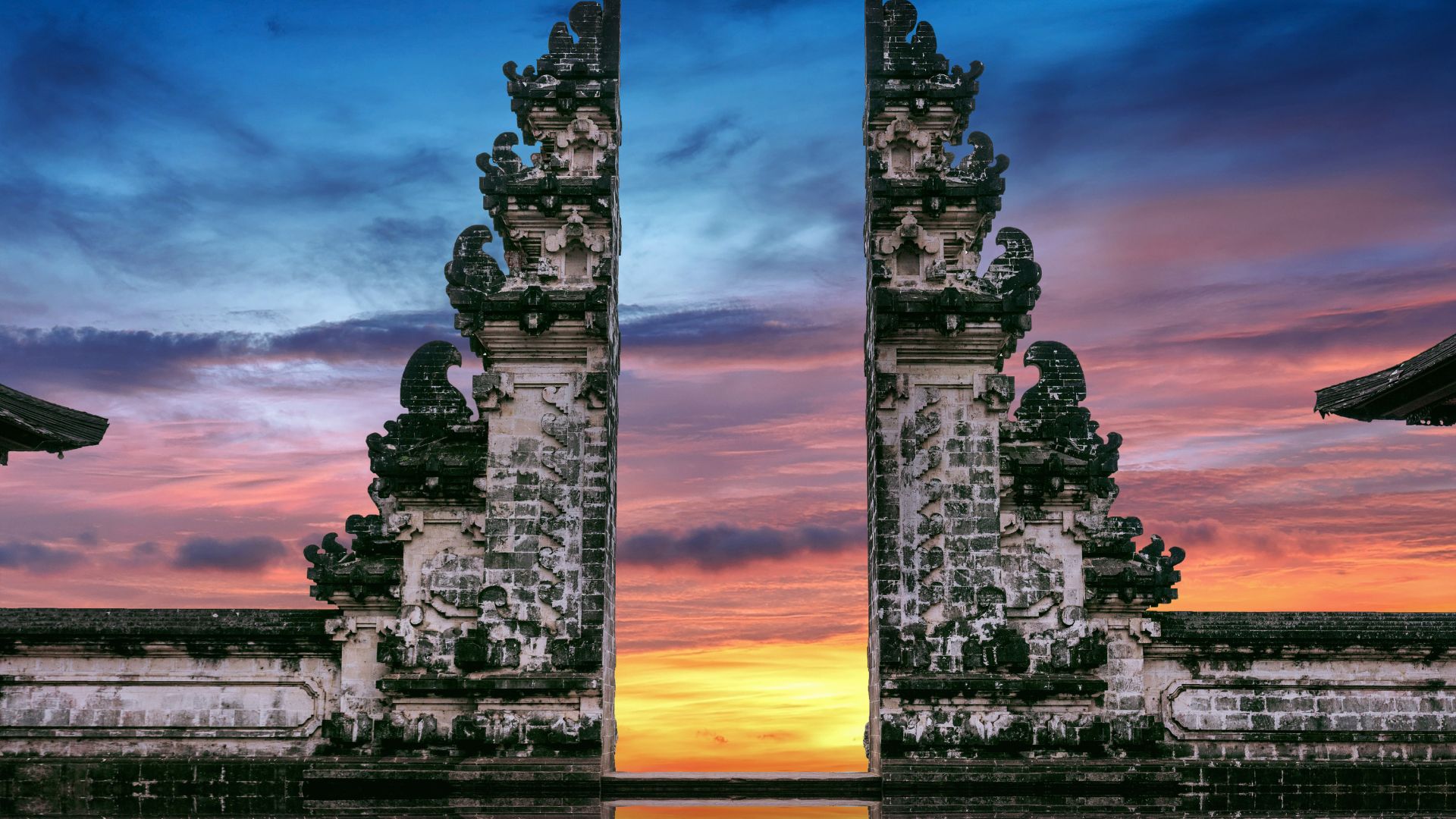
This temple is one of Bali’s nine directional sacred temples. Climbing is a spiritual journey. Enjoy the climb as much as the view at the top.
Wear good shoes for the climb. The temple provides sarongs at the entrance. Keep quiet and respectful during your visit.
These mountain sacred temples give a unique look at Balinese spirituality. Each has its own preparation but offers unforgettable experiences and a deeper understanding of the culture.
Experiencing Royal and Water Temples
Bali’s royal and water temples offer unique spiritual experiences. They showcase the island’s rich cultural heritage. These sacred sites combine stunning hindu architecture with profound religious significance. We’ll guide you through three remarkable temples that represent different aspects of Balinese spirituality.
How to Participate in Tirta Empul’s Cleansing Rituals
Tirta Empul Temple features holy spring water believed to have healing properties. The purification ritual involves moving through specific fountains in a particular sequence. Visitors can participate respectfully by following proper procedures.
First, rent the required sarong and sash at the entrance. Then approach the purification pools where you’ll find thirty fountains arranged in rows. Start from the left side and move through each fountain, dipping your head under the water spouts.
Local worshippers begin with eleven specific fountains for spiritual cleansing. We recommend observing this tradition if you choose to participate. The cool spring water creates a refreshing experience that many find spiritually uplifting.
Exploring Goa Gajah: Historical Context and Visit Tips
Goa Gajah, or Elephant Cave, dates back to the 11th century. It served as a meditation site for Hindu priests. The cave entrance features a fearsome carved face that once protected spiritual practitioners from evil spirits. This ancient site showcases early Balinese hindu architecture and artistic expression.
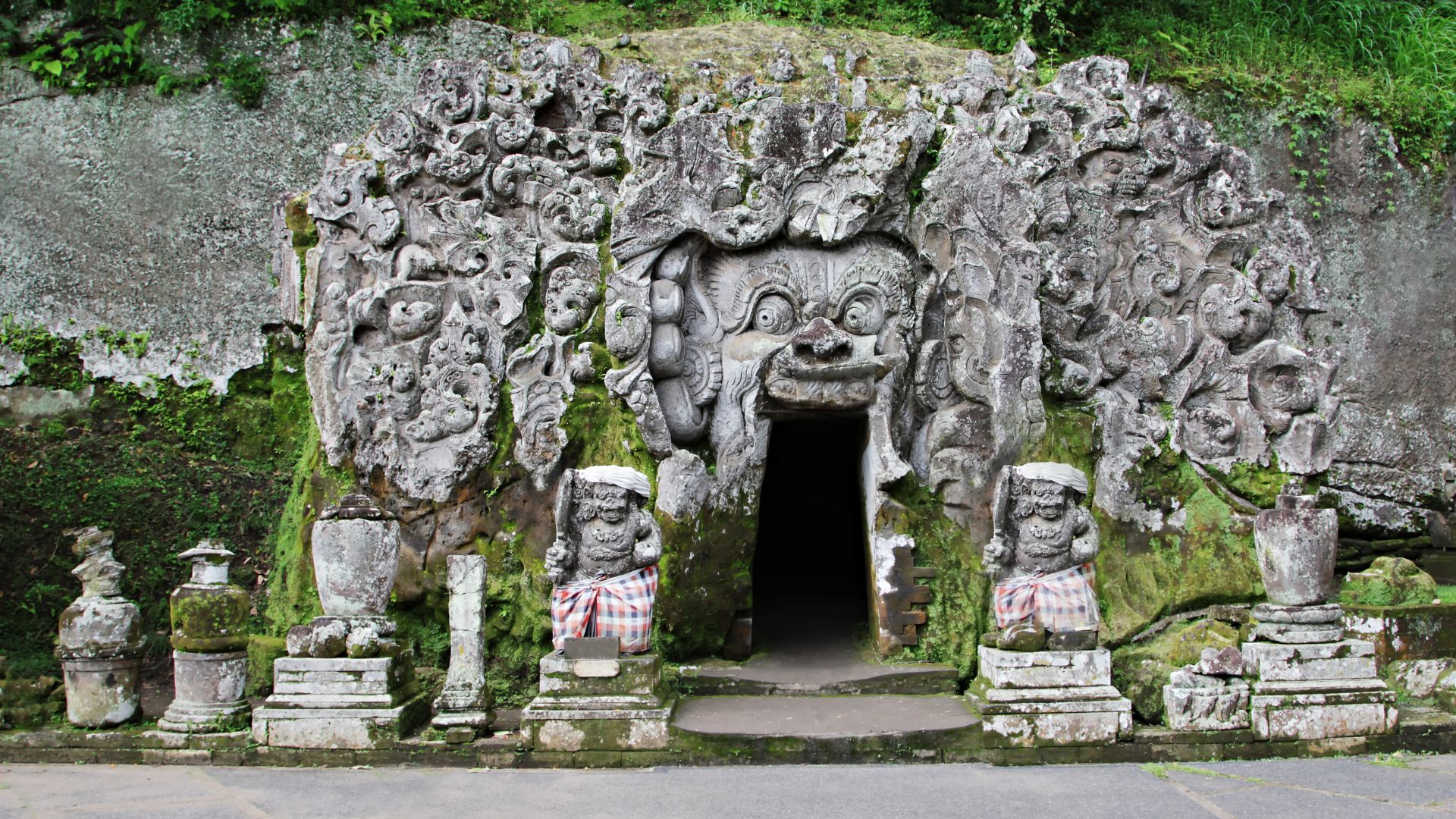
When visiting, wear comfortable shoes as you’ll descend stone steps to reach the cave. Bring a flashlight to better appreciate the interior carvings and meditation niches. Don’t miss the bathing pools with carved statues that date back centuries.
The surrounding area offers beautiful walking paths through rice fields and small streams. Allow at least two hours to fully experience this historical site. Morning visits provide the best lighting for photography and fewer crowds.
Taman Ayun Temple: Understanding Royal Architecture
Taman Ayun Temple represents the architectural brilliance of Bali’s royal era. The Mengwi kingdom built this temple as their family sanctuary in the 17th century. The complex features multiple courtyards surrounded by a wide moat, symbolizing separation from the worldly realm.
Notice the distinctive meru towers with their multiple roofs. These structures represent the mountainous home of Hindu gods. The number of roofs indicates the importance of the deity honored at each shrine.
Walk along the elevated pathways to appreciate the temple’s layout and craftsmanship. The expansive gardens and water features create a serene atmosphere. This temple complex demonstrates how royal families integrated spiritual and architectural excellence.
Visit during mid-morning when the light highlights the intricate carvings and painted details. The temple’s preservation allows us to appreciate classic Balinese design principles that continue to influence modern hindu architecture.
How to Respectfully Participate in Temple Ceremonies
Seeing Bali’s temple ceremonies is a deep dive into the island’s spiritual soul. These events are great chances for cultural learning if you respect the traditions.
Identifying and Timing Your Visit Around Ceremonies
Balinese temple events are based on lunar calendars that change by village and temple. Check local tourism offices or cultural websites for schedules before you go.
Look for signs of ceremonies like big decorations, more temple activity, and people in traditional clothes. The morning is usually when the biggest rituals happen.
Big temples often post their schedules at the entrance. If you’re not sure, ask the temple staff politely. They like visitors who care about their traditions.
Proper Behavior and Etiquette During Religious Events
Stay back from the main ritual areas when ceremonies are on. Sit or stand quietly unless you’re invited closer. Always listen to what temple attendants say.
Speak softly and avoid pointing at people or objects. Remove your sunglasses and hats as a sign of respect. Make sure your phone is off.
Don’t walk between people making offerings or interrupt processions. If you need to move, do so slowly and say sorry. Remember, you’re watching sacred practices, not a show.
How to Make Appropriate Offerings and Donations
Many temples welcome donations to help with upkeep and events. Look for donation boxes instead of giving money directly to priests or participants.
Small donations (10,000-50,000 IDR) are fine for most temples. Put your money in the boxes quietly without drawing attention.
If you want to give physical offerings, buy canang sari from vendors. Follow what locals do with your offerings.
Don’t touch or take pictures of offerings after they’ve been blessed. These items are sacred and connect people with gods, so they should be left alone.
Photography Guidelines for Sacred Sites
Photography in Bali’s temples needs skill and respect. These places are sacred and deserve our care. Knowing how to take photos here helps us keep their beauty and spirit alive.
Where and When Photography is Permitted
Most temples in Bali let you take photos in the outer areas during visiting hours. Look for signs that show where you can’t take pictures, like near inner sanctums. These areas are kept sacred for prayer.
Photography rules change during ceremonies and prayer times. Some temples don’t allow photos during these times. Always check with the temple staff or guides before you start taking pictures.
For professional gear like tripods and drones, you might need a special permit. Always ask about equipment rules at each temple you visit.
How to Take Respectful Photos Without Disrupting Worship
Turn off your camera’s sound and flash in worship areas. The noise and light can disturb people praying. Try to use natural light to keep the temple calm.
Keep a respectful distance from people and their shrines. Never block someone’s view of their shrine. Wait until they finish praying before taking your photo.
Always ask before taking someone’s photo, including priests. A simple smile and nod usually works. Respect their choice if they say no, and never pay for photos of religious activities.
Best Practices for Temple Photography
The best times for photos are early morning and late afternoon. The light is soft and golden, showing off the details. These times also have fewer people, making your photos cleaner.
Focus on details like carvings and ornaments. These tell more about Balinese culture than wide shots. Close-ups are often more interesting than broad views.
Use a polarizing filter to reduce glare and bring out colors, like at water temples. It makes the temple’s decorations and surroundings look more vibrant.
Not every moment needs to be captured. Sometimes, just being there is more important. The best memories come from experiencing the temple’s spirit firsthand.
Creating Your Optimal Bali Temple Itinerary
Planning your Bali temple visits needs careful thought to make the most of your time. We’ll guide you in making a schedule that fits temple visits and cultural experiences well.
How to Group Temples Geographically for Efficiency
Grouping temples by region saves time and money on travel. Bali’s temples are spread out in ways that make for easy tours.
The southern coast has Tanah Lot, Uluwatu, and other sea temples close together. Central Bali is home to mountain temples like Besakih and Ulun Danu Bratan. Eastern temples, including Lempuyang, form another group.
Spending a full day in one area is best. It cuts down on driving and lets you dive deeper into each area’s spiritual vibe.
Timing Strategies to Avoid Crowds and Heat
Choosing the right time to visit temples makes a big difference. Bali’s hot weather is worst in the middle of the day, and places get busy then too.
Visit temples early (7-9 AM) for cooler weather and fewer people. Late afternoons (3-5 PM) are also good, with beautiful sunsets at coastal temples.
Stay away from 11 AM to 2 PM when it’s hottest and busiest. Check temple schedules for ceremonies that might affect your visit.
Combining Temple Visits with Cultural Experiences
Make your Bali trip richer by mixing temple visits with cultural activities. This way, you get a well-rounded experience.
After visiting temples in the morning, try traditional dance or visit craft villages in the afternoon. Many temples are near these cultural spots.
Local markets near temples are great for trying Balinese food and seeing daily life. Evening shows are a perfect match for your temple visits.
This mix of spiritual and cultural experiences will give you unforgettable memories. You’ll see Bali’s true spirit and culture, not just its temples.
Conclusion
We’ve looked at Bali’s sacred sites together. Our guide shared important tips on temple etiquette and culture. Getting ready properly makes your temple tour more meaningful.
Keep these tips in mind for your spiritual journey. Always dress right at sacred places. Respect local customs during ceremonies. Try to visit when it’s less crowded.
Your temple experience will be deep and meaningful with this knowledge. You’ll connect with Bali’s cultural heritage. You’ll make memories while honoring traditions.
Visit each temple with respect and curiosity. Let the ancient wisdom of these places inspire you. Carry these lessons with you after your Bali temple tour.
We wish you deep discoveries at every sacred site. May your spiritual journey through Bali’s temples deepen your understanding. Travel with respect and embrace the magic of these holy places.
FAQ
What should we wear when visiting a Bali temple?
Wear modest clothes that cover your shoulders and knees. Men and women must wear sarongs and sashes, which can be rented at the temple. It’s important to dress respectfully to honor the temple’s sacred space.
Are there specific items we should bring or avoid bringing to a temple?
Bring water, sunscreen, and small donations for offerings. But, leave leather items behind as they are considered impure. Also, don’t bring large bags or valuables to keep the temple’s sanctity.
Can we take photos inside the temples?
You can take photos in outer areas, but not in inner sanctums or during ceremonies. Be respectful: no flash, don’t interrupt, and ask before taking people’s photos.
How do we know if a ceremony is taking place during our visit?
Ceremonies follow the Balinese Pawukon calendar, so dates change. Look for decorated shrines, offerings, and locals gathered. Check with your hotel or a local guide for ceremony schedules.
What is the best time to visit popular temples like Tanah Lot or Uluwatu?
Visit early morning or late afternoon to avoid crowds and heat. For Tanah Lot, check the tide. Uluwatu’s sunset is stunning but crowded, so plan ahead.
Are guides necessary for temple visits?
Guides are not always needed but are highly recommended for big temples like Besakih. They offer cultural insights, etiquette tips, and enrich your visit.
How can we participate respectfully in purification rituals at temples like Tirta Empul?
Follow the purification fountain sequence and use provided ritual garments. Watch locals for guidance and move calmly. Respect the ritual’s spiritual value.
What are the main types of temples we might encounter in Bali?
Bali has three main temple types: Kahyangan (island-wide), Desa (village), and Dalem (death and cremation). Each has a unique role in Balinese Hindu society and community life.